How Middle East Sporting Ambitions Are Driving a Betting Revolution in 2025
Discover how Middle East sporting ambitions are fuelling a betting revolution. From Saudi Pro League to F1, explore the region’s wagering landscape.
By Vadim Kouznetsov, published

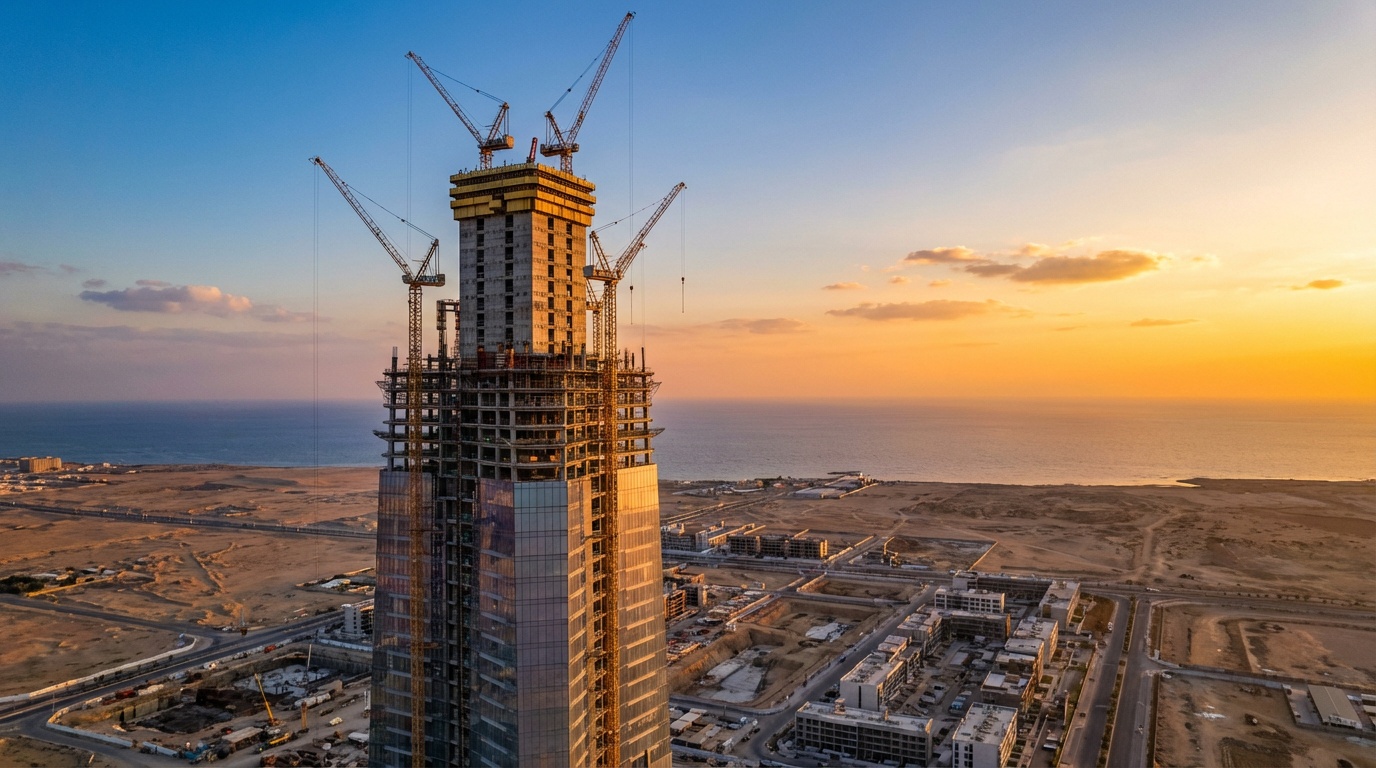
The Middle East has emerged as a powerhouse on the global sports stage over the past few years. From motorsports to boxing and football, major sporting events have established a significant presence across the region.
This surge in sporting activity has sparked an unexpected consequence: growing interest in sports betting across a traditionally conservative part of the world.
Why Gulf Nations Are Betting Big on Sports
Middle Eastern countries face a stark reality—their dependence on crude oil revenues must end as the world transitions to sustainable energy sources. Sport has become a strategic economic opportunity.
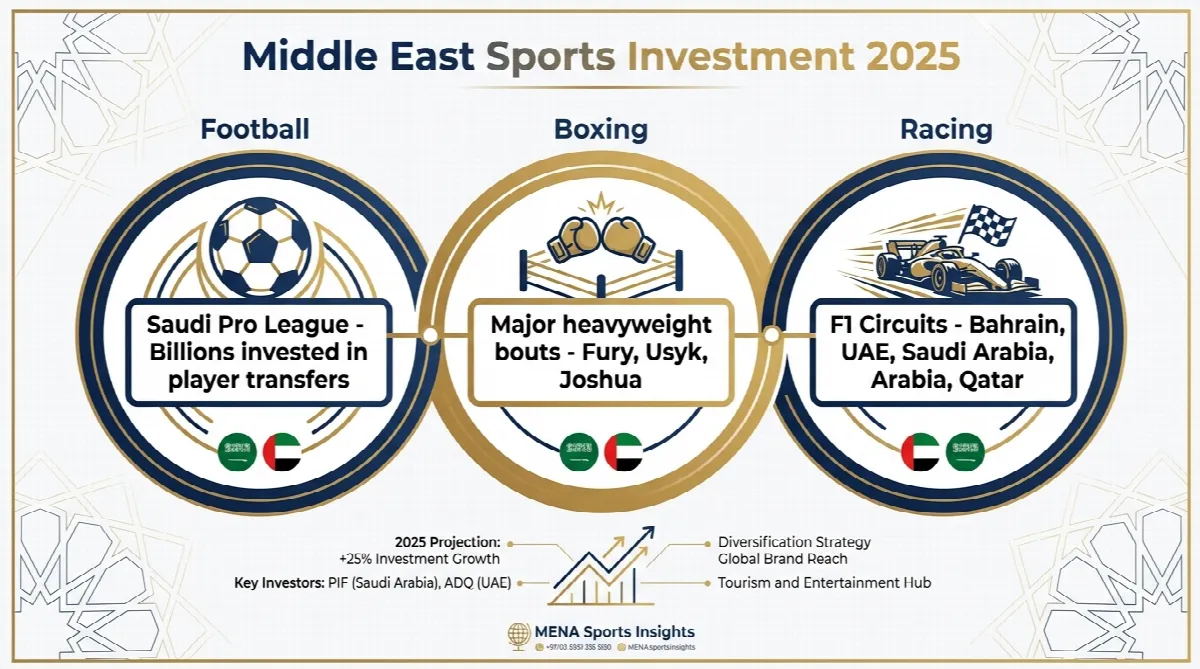
Saudi Arabia’s Vision 2030 places sport at the centre of economic diversification efforts. The Kingdom has poured billions of dollars into attracting global football superstars to the Saudi Pro League (SPL).
This investment has created ripple effects across multiple industries. Online bookmakers now report substantial interest in SPL matches from both regional and international audiences. The economic transformation happening in Saudi Arabia demonstrates how seriously Gulf nations are treating sports as a revenue generator.
Mixed martial arts has similarly powered significant wagering interest. Abu Dhabi’s Etihad Arena regularly hosts major UFC cards, including recent high-profile bouts that captured worldwide attention.
Combat Sports: A Natural Fit for Wagering
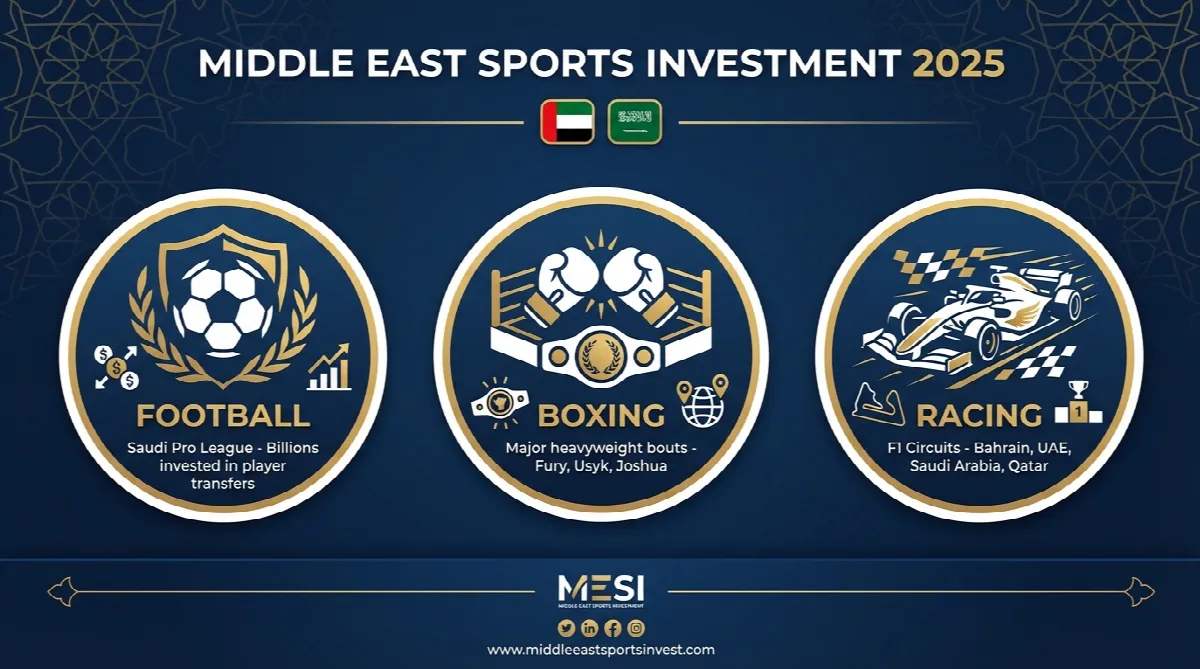
MMA and boxing have proven particularly attractive for betting activity in the Middle East. Their global following and event structure make them ideal for the wagering market.
Saudi Arabia has positioned itself as the go-to destination for the biggest boxing showdowns. Heavyweight champions including Tyson Fury, Oleksandr Usyk, and Anthony Joshua have all competed in the Kingdom.
While gambling remains legally restricted in Dubai and across most of the UAE, betting platforms that serve Arab players continue operating around the clock to meet demand.
The UFC has also built a strong footprint in the region, staging numerous high-profile events that generate worldwide interest. These fights broadcast on ESPN and BT Sport have helped normalise the practice and made it more acceptable to several regional governments.
Formula 1 and Data-Driven Wagering
Formula 1 has captured considerable attention across the Middle East. The sport has been a fixture on the motorsports calendar since the 2004 Bahrain Grand Prix.
The UAE, through events like those highlighted in Abu Dhabi’s entertainment calendar, Saudi Arabia, and Qatar have all joined the F1 circuit.
These races feature cutting-edge motorsport technology, attracting high-income spectators while generating betting activity. A remarkable volume of data influences race outcomes, enriching betting models and making F1 popular for proposition bets.
As F1 gains popularity across the region, interest in race wagering will likely continue climbing. With numerous betting angles available, F1 wagering offers fans an engaging way to connect with races.
The Regulatory Balancing Act
Growing betting interest forces Middle Eastern nations to address difficult conversations. Due to strict Islamic laws, most countries in the region prohibit betting activities.
However, governments cannot ignore the expanding appetite for wagering among their citizens. Arab players access offshore betting platforms, pushing regional authorities to reconsider their positions.
The UAE has begun examining regulated gaming frameworks, with entities like Ras Al Khaimah exploring new possibilities. Regulators worry increasingly about losing potential tax revenue—funds that could support the economic diversification they desperately seek.
Industry analysts suggest that creating regulated betting markets could generate revenue, create employment, and prioritise responsible gambling practices. The challenge lies in balancing legal betting with cultural sensitivities without sparking societal friction.
Betting platform operators are watching closely. Some brands have begun sponsoring sports media content for Middle Eastern audiences, while others target fans through social media channels.
What This Means for the Region’s Future
The UAE’s tourism sector continues experiencing remarkable growth, contributing billions to the economy. Sports and entertainment have become key drivers of this expansion.
Dubai recently launched ISEZA, the world’s first dedicated free zone for sports and entertainment businesses—a clear signal that the emirate sees this sector as vital to its economic future.
Countries that take the lead in regulating betting may gain significant advantages over neighbouring nations that delay. The intersection of sports, entertainment, and regulated wagering could reshape the Middle East’s economic landscape in the coming decade.
Key Takeaway
The Middle East’s massive sports investments are creating unintended opportunities in the betting industry. While cultural and religious considerations remain paramount, the economic pressure to diversify revenue streams may push regional governments toward regulated betting frameworks sooner than expected.
FAQs
Is sports betting legal in the UAE?
Sports betting remains illegal throughout the UAE under current laws. The UAE Penal Code imposes penalties including imprisonment of up to two years and fines up to AED 20,000 for gambling activities. However, the regulatory landscape is evolving with the establishment of the General Commercial Gaming Regulatory Authority.
Why is Saudi Arabia investing so heavily in sports?
Saudi Arabia’s Vision 2030 identifies sport as crucial to economic diversification and projecting a refreshed international image. The Kingdom aims to reduce reliance on oil revenues by developing tourism, entertainment, and sports sectors.
Which sports generate the most betting interest in the Middle East?
Football, particularly the Saudi Pro League, generates substantial betting interest regionally and internationally. Combat sports including boxing and MMA have also proven popular, followed by Formula 1 racing which attracts data-driven bettors.
Are there any legal gambling options in the Gulf region?
The UAE has launched its first regulated lottery with a Dh100 million jackpot under GCGRA oversight. Ras Al Khaimah is developing an integrated resort that will include regulated gaming facilities expected to open in 2027.
How does the betting boom affect job opportunities in the region?
The sports and entertainment sector expansion creates employment across multiple industries including hospitality, event management, media production, and regulatory compliance. The UAE’s sports industry already contributes approximately $2.5 billion annually to its economy.
Further Reading
The UAE week, every Monday
The week's stories on jobs, visas, money and daily life in one short email. Unsubscribe in one click.