What is the meaning of Saudi Vision 2030?
Explore Saudi Vision 2030: A comprehensive plan for economic diversification, social reform, and sustainable development in Saudi Arabia.
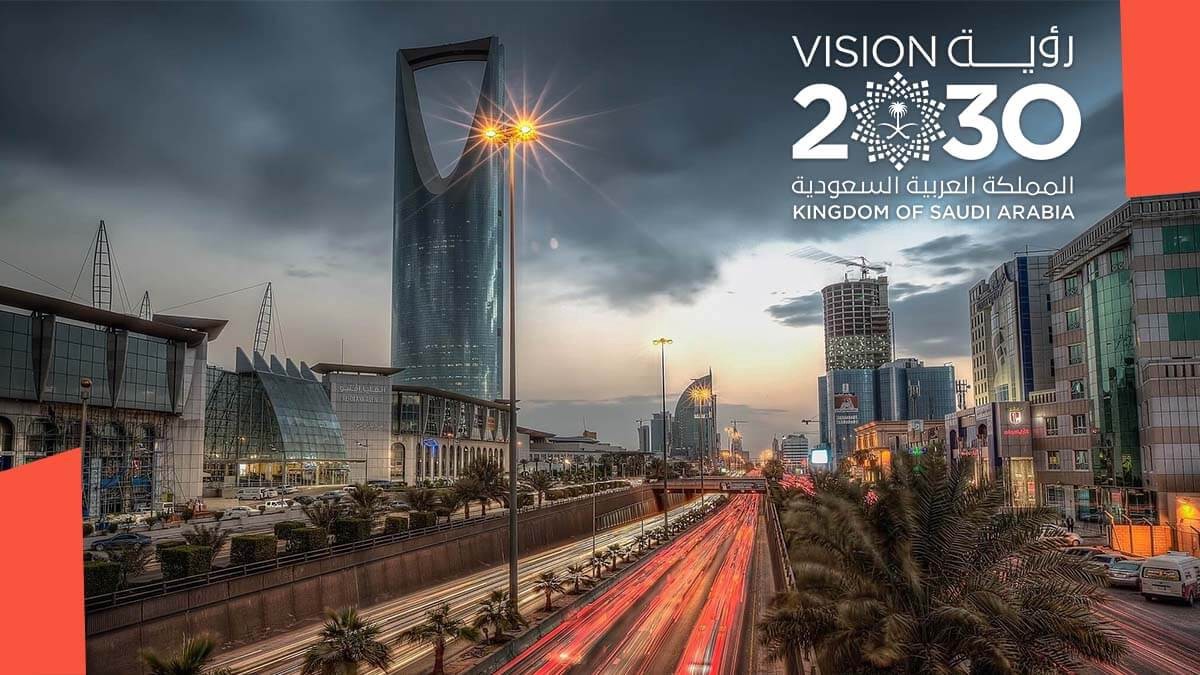
Saudi Vision 2030 is an ambitious strategic framework launched in 2016 to transform Saudi Arabia’s economy and society. This far-reaching plan aims to reduce the Kingdom’s dependence on oil, diversify its economy, and develop public service sectors. As Saudi Arabia prepares for a post-oil era, Vision 2030 serves as a roadmap for economic and social reform, outlining bold goals and initiatives to reshape the country’s future.
Core Objectives of Saudi Vision 2030
The primary objectives of Saudi Vision 2030 are:
- Reduce Saudi Arabia’s dependence on oil
- Diversify the economy
- Develop public service sectors such as health, education, infrastructure, recreation, and tourism
These objectives are designed to create a more resilient and sustainable economy, less vulnerable to oil price fluctuations and capable of providing diverse opportunities for Saudi citizens.
Key Themes of Saudi Vision 2030
Vision 2030 is built around three primary themes:
- A Vibrant Society
- A Thriving Economy
- An Ambitious Nation
These themes encompass various aspects of Saudi life, from social and cultural development to economic growth and governance reforms.
Major Goals of Saudi Vision 2030
Saudi Vision 2030 sets forth several specific targets to measure its progress:
- Increase non-oil government revenue from SAR 163 billion to SAR 1 trillion
- Raise the share of non-oil exports in non-oil GDP from 16% to 50%
- Increase SME contribution to GDP from 20% to 35%
- Boost women’s participation in the workforce from 22% to 30%
- Raise foreign direct investment from 3.8% to 5.7% of GDP
- Increase the private sector’s contribution from 40% to 65% of GDP
These targets reflect the comprehensive nature of Vision 2030, addressing economic diversification, job creation, and social progress.
Key Projects and Initiatives
Vision 2030 includes several mega-projects and initiatives designed to drive economic growth and diversification:
- NEOM: A $500 billion futuristic city project
- The Red Sea Project: A luxury tourism destination
- Qiddiya: An entertainment megaproject near Riyadh
- Diriyah Gate: A cultural and lifestyle development
- King Salman Energy Park (SPARK): An energy city project
These ambitious projects aim to create new industries, attract foreign investment, and generate employment opportunities for Saudi citizens.
Economic Diversification Under Vision 2030
A key aspect of Saudi Vision 2030 is the development of various non-oil sectors, including:
- Manufacturing
- Renewable energy
- Tourism
- Technology and digital economy
- Mining
By fostering growth in these sectors, Saudi Arabia aims to create a more diverse and resilient economy, less dependent on oil revenues.


Social and Cultural Reforms
Vision 2030 has already led to significant social changes in Saudi Arabia:
- Allowing women to drive
- Opening up the entertainment sector
- Promoting cultural events and tourism
- Reforming the education system
These reforms aim to create a more open and inclusive society, improving quality of life for Saudi citizens and attracting international talent and investment.
Implementation of Saudi Vision 2030
The vision is being implemented through a series of Vision Realisation Programs (VRPs), including:
- National Transformation Program
- Fiscal Balance Program
- Public Investment Fund Program
- Quality of Life Program
These programs provide detailed action plans and targets for various aspects of Vision 2030, ensuring a structured approach to implementation.
Challenges Facing Saudi Vision 2030
While ambitious, Vision 2030 faces several challenges:
- Dependence on oil prices for funding initiatives
- Need for significant foreign investment
- Cultural resistance to some reforms
- Regional geopolitical tensions
Addressing these challenges will be crucial for the successful implementation of Vision 2030.
Progress of Saudi Vision 2030
As of 2024, Saudi Arabia has made progress in several areas:
- Increased non-oil revenues
- Growth in tourism and entertainment sectors
- Improved position in global competitiveness rankings
- Advancements in women’s rights and workforce participation
These achievements demonstrate the tangible impact of Vision 2030 on Saudi Arabia’s economy and society.
Role of Education in Saudi Vision 2030
Education plays a crucial role in Saudi Vision 2030, with several key initiatives:
- Aligning the education system with market needs
- Developing skills in advanced technologies and entrepreneurship
- Improving education quality with the goal of having at least five universities among the top 200 globally by 2030
- Expanding vocational training and lifelong learning programs
- Increasing private sector involvement in education
- Investing in educational technology and digital learning platforms
- Focusing on early childhood education development
These efforts aim to create a knowledge-based economy and prepare Saudi youth for the jobs of the future.
Cultural and Entertainment Initiatives
Saudi Vision 2030 places a strong emphasis on cultural development and entertainment:
- Increasing the number of entertainment venues
- Hosting international music festivals and cultural events
- Developing the local film industry
- Promoting Saudi heritage and cultural sites
- Increasing Umrah visitors from 8 million to 30 million annually
- Encouraging sports participation and healthy lifestyles
These initiatives aim to improve quality of life for Saudi citizens and attract international tourists and investment.
Healthcare Sector Transformation
Vision 2030 is reshaping Saudi Arabia’s healthcare sector through:
- Healthcare reform and privatisation
- Public-private partnerships in healthcare delivery
- Digital health transformation
- Development of medical cities and infrastructure
- Focus on prevention and public health
- Workforce development in healthcare professions
These changes aim to improve healthcare quality and accessibility while also maximizing the sector’s economic potential.
Tourism Development Under Vision 2030
Saudi Arabia is making significant strides in developing its tourism sector:
- Setting ambitious targets to reach 150 million tourists by 2030
- Investing nearly $1 trillion in tourism projects and infrastructure
- Developing new world-class tourist destinations
- Easing visa regulations to promote international tourism
- Focusing on sustainable tourism development
These efforts position tourism as a key driver of economic diversification and job creation.
Technology and Innovation in Vision 2030
Saudi Vision 2030 places a strong emphasis on technological advancement:
- Investing in artificial intelligence, data analytics, and smart technologies
- Developing e-government services
- Supporting tech startups and entrepreneurship
- Implementing digital solutions across various sectors
- Focusing on cybersecurity and digital infrastructure development
These initiatives aim to position Saudi Arabia as a leader in the digital economy and drive innovation across sectors.
Anti-Corruption and Transparency Efforts
Vision 2030 addresses corruption and transparency through:
- Implementing a zero-tolerance policy for corruption
- Expanding online services and improving governance standards
- Developing e-government platforms for increased transparency
- Establishing the Oversight and Anti-Corruption Authority (Nazaha)
- Participating in international anti-corruption initiatives
These efforts aim to create a more transparent and accountable government, attracting foreign investment and improving public trust.
Sports Development Under Vision 2030
Saudi Arabia is investing heavily in sports infrastructure and events:
- Building the Global Sports Tower in Riyadh, set to be the world’s tallest sports tower
- Constructing new stadiums for the 2034 World Cup bid, including the 92,000-seat King Salman Stadium
- Developing over 50 multidisciplinary sports facilities as part of the Sports Boulevard project in Riyadh
- Hosting international sporting events like Formula 1 and golf tournaments
These investments aim to promote sports participation among Saudi citizens and position the Kingdom as a global sports destination.
Conclusion: The Future of Saudi Arabia Under Vision 2030
Saudi Vision 2030 represents a bold attempt to transform Saudi Arabia’s economy and society. By diversifying the economy, developing public services, and implementing social reforms, the Kingdom aims to create a more prosperous and sustainable future for its citizens.
While the vision faces challenges, including dependence on oil prices and the need for significant cultural shifts, progress has already been made in several areas. The success of Vision 2030 will depend on continued commitment to its goals, effective implementation of its initiatives, and the ability to adapt to changing global circumstances.
As Saudi Arabia continues on this ambitious journey of transformation, the world watches with interest. The outcomes of Vision 2030 will not only shape the future of the Kingdom but also have significant implications for the broader Middle East region and the global economy.