Top 10 Tallest Buildings Under Construction 2025: Jeddah Tower Leads Race
Discover the world’s top 10 super-tall buildings under construction in 2025. From Jeddah Tower’s 1km height to Dubai’s Burj Azizi, explore the future of architecture.
By Vadim Kouznetsov, published

The next generation of architectural marvels pushes boundaries with record-breaking heights, innovative designs, and cutting-edge technology transforming cities across the globe
Key Takeaway
The construction of these 10 super-tall buildings, led by Saudi Arabia’s kilometre-high Jeddah Tower and Dubai’s four remarkable projects, represents a global shift towards vertical living and architectural innovation, with combined investment exceeding $50 billion in creating the next generation of urban landmarks.
The race to touch the sky continues as construction progresses on the world’s most ambitious architectural projects. These super-tall buildings, each exceeding 400 metres in height, are set to redefine urban skylines and establish new benchmarks for engineering excellence. From Saudi Arabia’s record-breaking Jeddah Tower to China’s innovative designs, these structures represent humanity’s persistent quest to build higher, smarter, and more sustainably.
1. Jeddah Tower: Breaking the Kilometre Barrier
Height: 1,000+ metres | Location: Jeddah, Saudi Arabia | Expected Completion: 2028
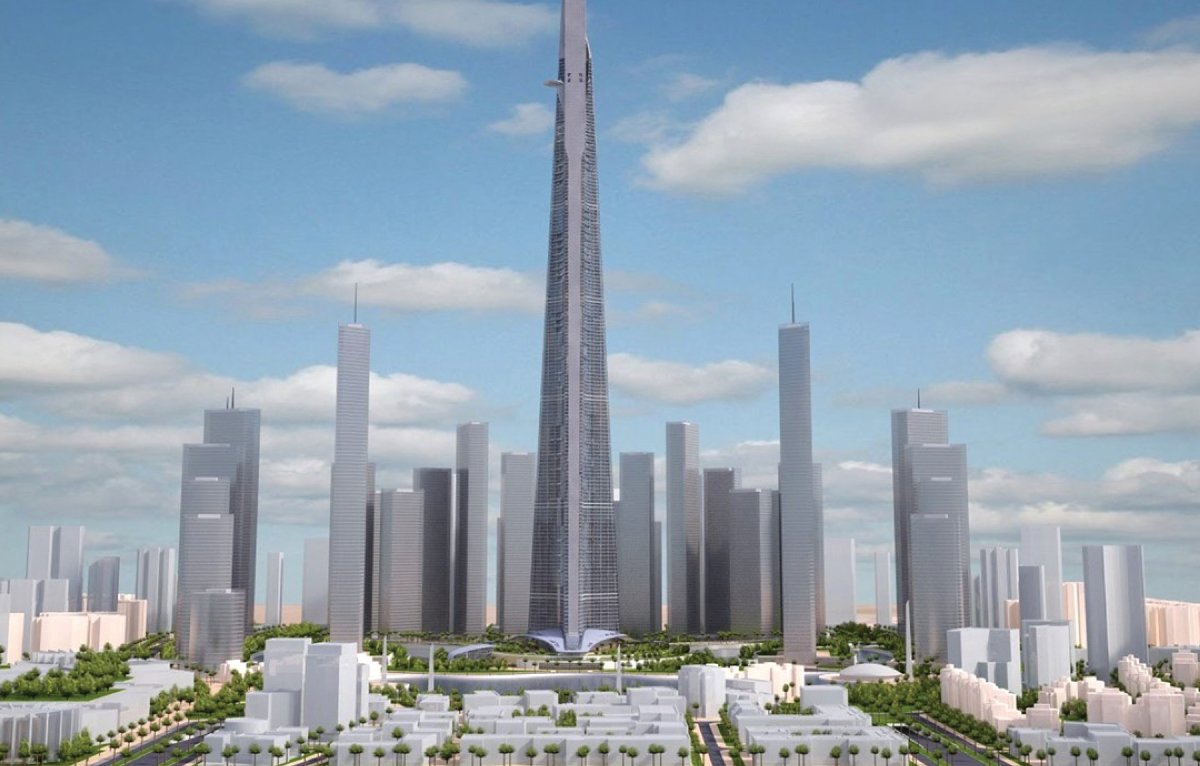
The crown jewel of super-tall construction, Jeddah Tower stands as humanity’s first attempt to exceed the one-kilometre mark. Designed by Adrian Smith + Gordon Gill Architecture – the same firm behind Dubai’s Burj Khalifa – this architectural marvel will feature 167+ floors and a three-petal footprint inspired by Saudi Arabia’s mountainous landscapes.
Construction officially restarted in January 2025 after years of delays, with 63 floors already completed reaching over 250 metres. The tower’s aerodynamic design includes advanced wind-resistant features, while its elevator system will comprise 56 high-speed lifts moving at 12 metres per second. As the centrepiece of Kingdom City, this project represents a $20 billion investment in urban development.
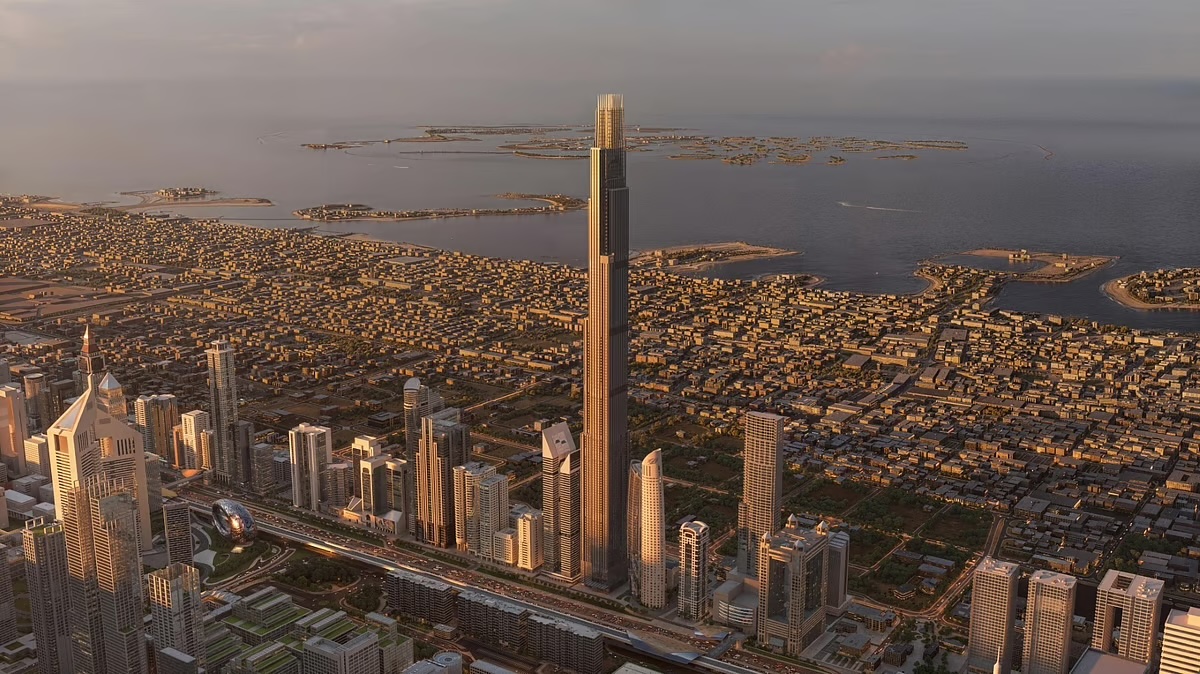
2. Burj Azizi: Dubai’s New Crown Jewel
Height: 725 metres | Location: Dubai, UAE | Expected Completion: 2028
Dubai’s ambitious Burj Azizi will claim the title of world’s second-tallest building upon completion. Originally known as Entisar Tower, this 131-storey mixed-use development by Azizi Developments promises to transform Sheikh Zayed Road’s skyline.
The tower’s strategic positioning near iconic landmarks such as the Dubai World Trade Centre and Dubai Mall enhances its prominence in the city’s urban fabric. Construction resumed in 2025 following a brief hiatus, with the project featuring cutting-edge architectural elements designed by AE7.
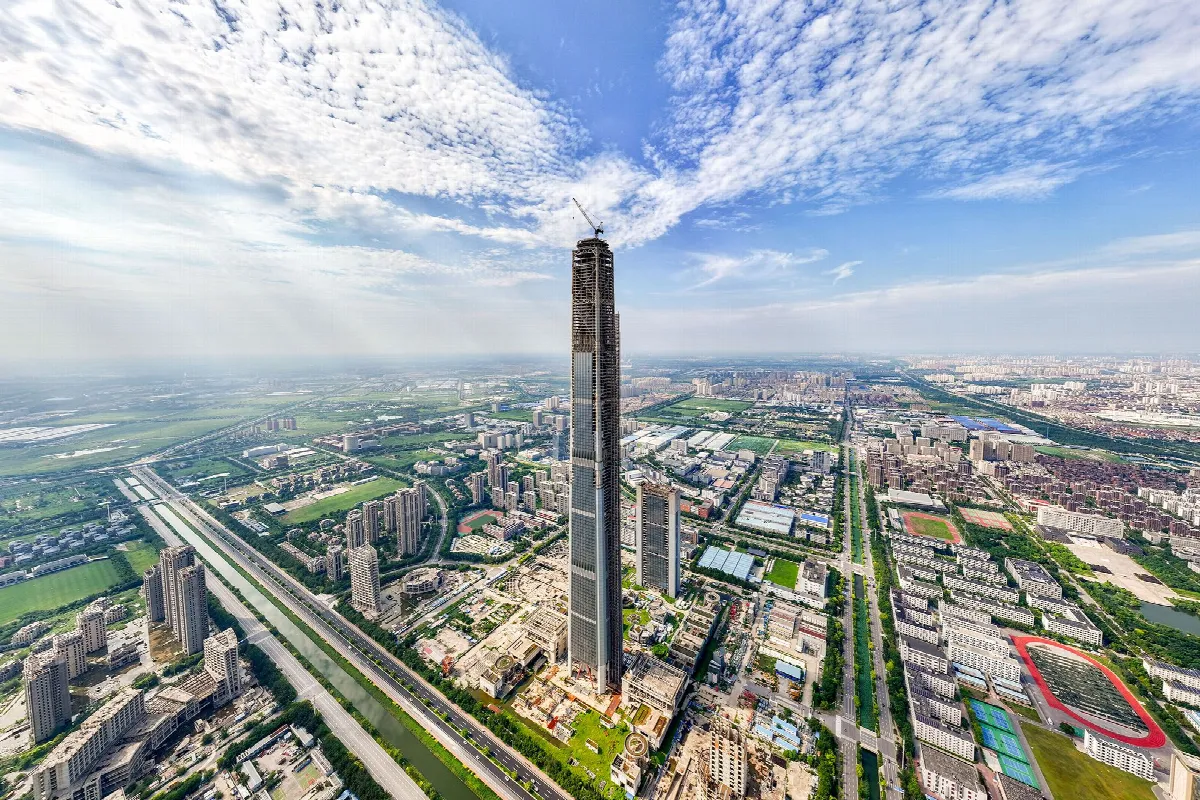
3. Goldin Finance 117: China’s Abandoned Giant Awakens
Height: 597 metres | Location: Tianjin, China | Expected Completion: 2027
Once dubbed China’s “tallest abandoned skyscraper,” Goldin Finance 117 has remarkably resumed construction after being halted in 2015 due to financial challenges. The tower was abandoned at its full height but remained incomplete, creating an urban landmark that captured international attention.
The revival of this project demonstrates China’s renewed confidence in super-tall development, with developers addressing the structural and finishing work required to bring this giant to life. Upon completion, it will significantly enhance Tianjin’s skyline and economic profile.
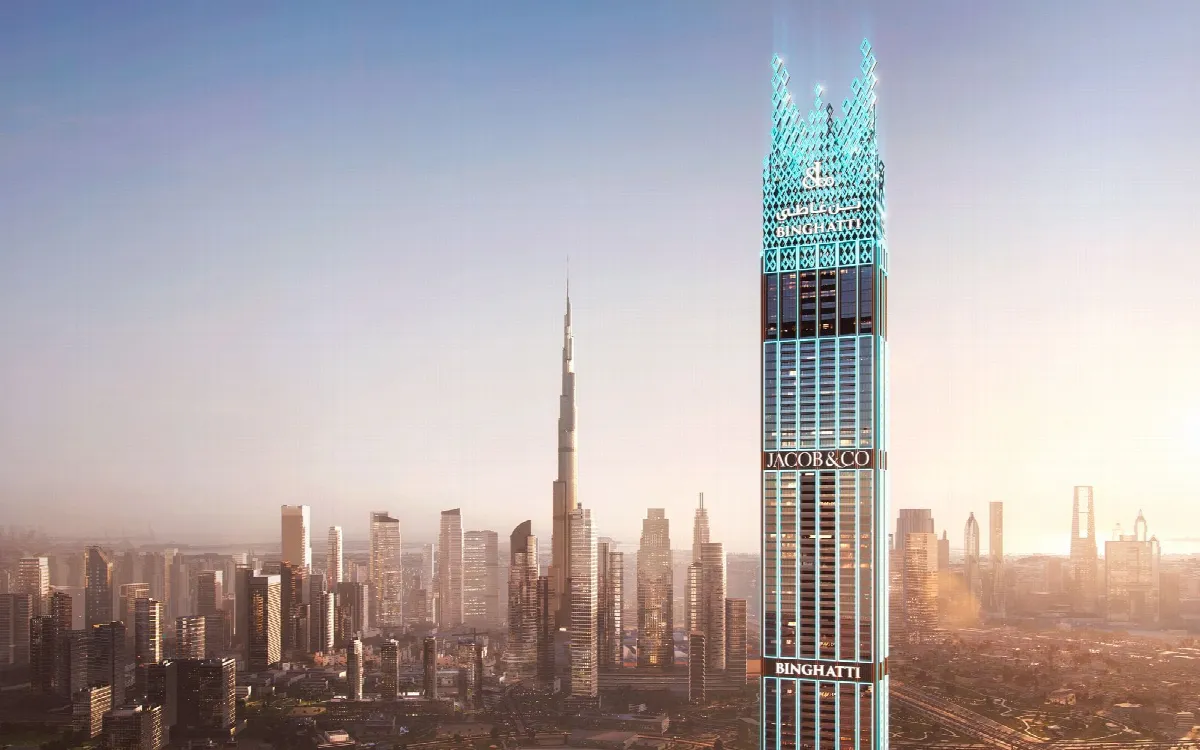
4. Burj Binghatti Jacob & Co Residences: Luxury Redefined
Height: 595 metres | Location: Dubai, UAE | Expected Completion: 2027
This collaboration between Binghatti Properties and luxury watchmaker Jacob & Co. aims to become the world’s tallest residential building. Located in Business Bay, the 104-floor tower incorporates design elements inspired by Jacob & Co’s precision timepieces.
The development promises exclusive amenities including “sky mansions,” penthouses, private fitness clubs, sky gardens, and spa facilities. Construction began in October 2022, with the project representing Dubai’s commitment to luxury vertical living.
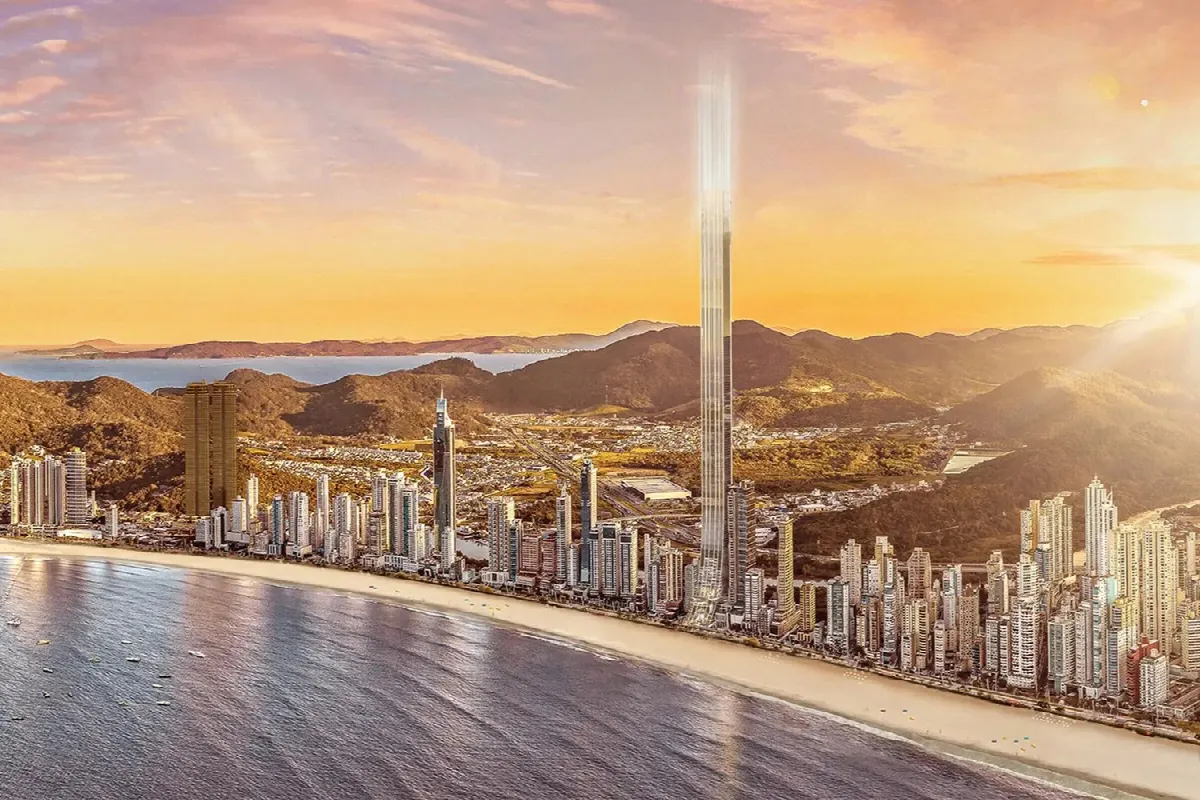
5. Senna Tower: Brazil’s Tribute to F1 Legend
Height: 544 metres | Location: Balneário Camboriú, Brazil | Expected Completion: 2030
Honouring Formula One legend Ayrton Senna, this residential skyscraper represents South America’s entry into the super-tall category. Designed by Senna’s niece, Lalali Senna, the tower carries deep personal and cultural significance.
With a projected cost of $545 million, the project is being developed by FG Empreendimentos with support from retail billionaire Luciano Hang. This development marks Brazil’s ambitious step into the global super-tall arena.
6. Tiger Sky Tower: Dubai’s Vertical Paradise
Height: 532 metres | Location: Dubai, UAE | Expected Completion: 2028/2029
Tiger Properties’ $1 billion investment promises several world records, including the highest infinity pool and highest restaurant globally. The tower will feature a “lush green rainforest area” inside, creating a unique biophilic environment within a super-tall structure.
The glazed exterior enhanced with metallic shading louvers and topped by a rooftop park demonstrates Dubai’s continued innovation in sustainable high-rise design. Construction began in May 2024, adding another remarkable addition to Dubai’s ever-evolving skyline.
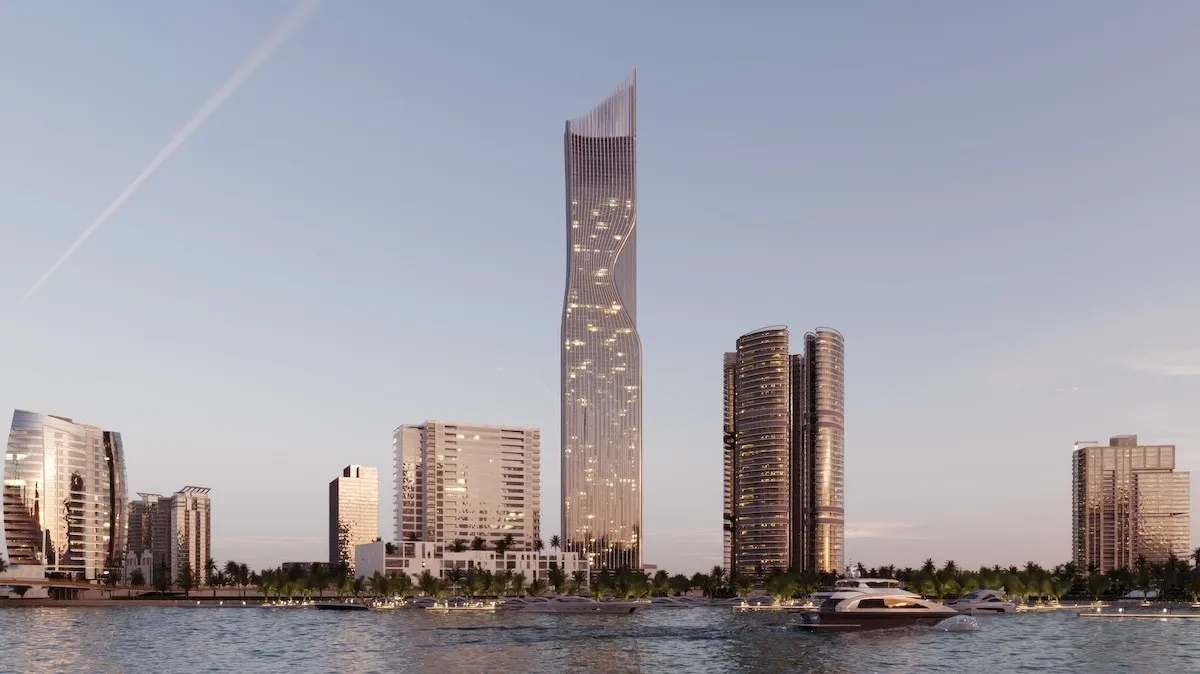
7. Six Senses Residences Dubai Marina: Luxury Living Elevated
Height: 517 metres | Location: Dubai, UAE | Expected Completion: 2028
The rebirth of the former Pentominium project, Six Senses Residences aims to become the world’s tallest standalone residential tower. Located in Dubai Marina’s prestigious “tallest block” cluster, this 122-floor development features 251 luxury residences.
With off-plan sales starting at AED 5.8 million for a two-bedroom unit, the project targets ultra-high-net-worth individuals seeking exclusive waterfront living with unprecedented height and luxury amenities.
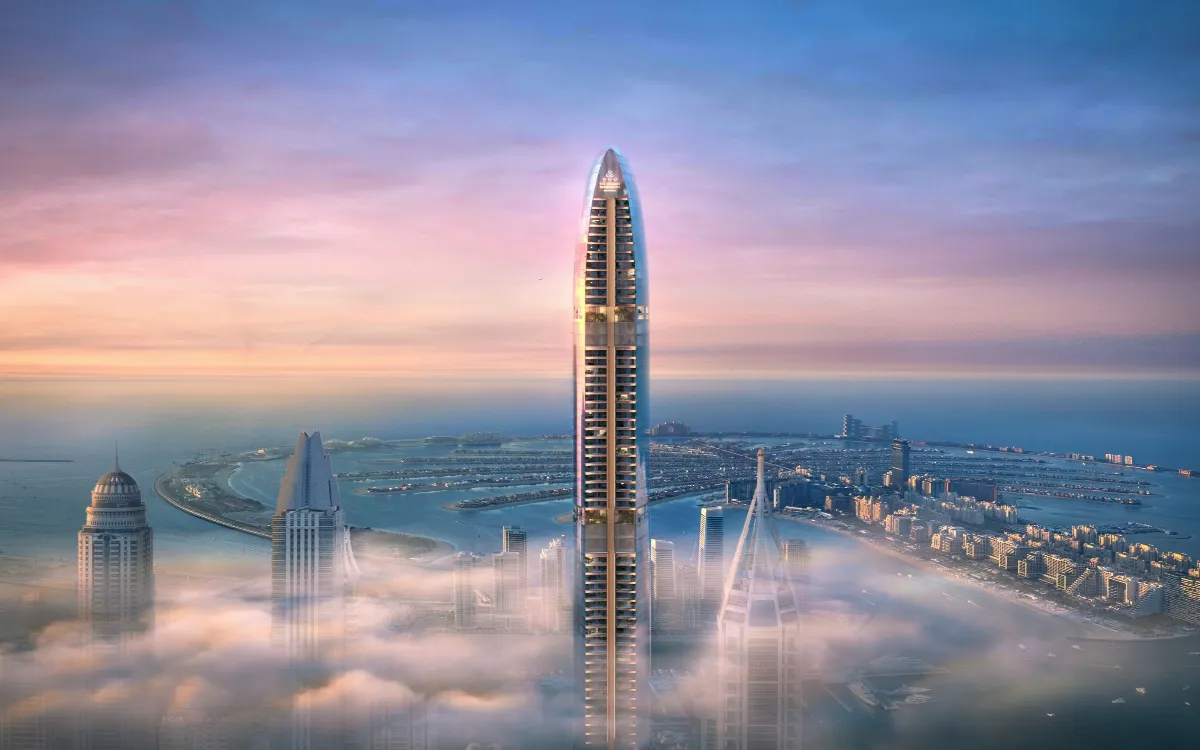
8. The Line: Saudi Arabia’s Linear City Experiment
Height: 500 metres | Location: Tabuk, Saudi Arabia | Expected Completion: 2030 (first phase)
Perhaps the most unconventional entry, The Line is a 170-kilometre-long, 500-metre-high linear city comprising two mirrored skyscrapers. This visionary project in NEOM represents a radical reimagining of urban planning.
Designed as a car-free, carbon-neutral smart city powered entirely by renewable energy, The Line challenges traditional concepts of urban development. Its innovative design creates outdoor spaces between the mirrored structures while providing accommodation for millions of residents.
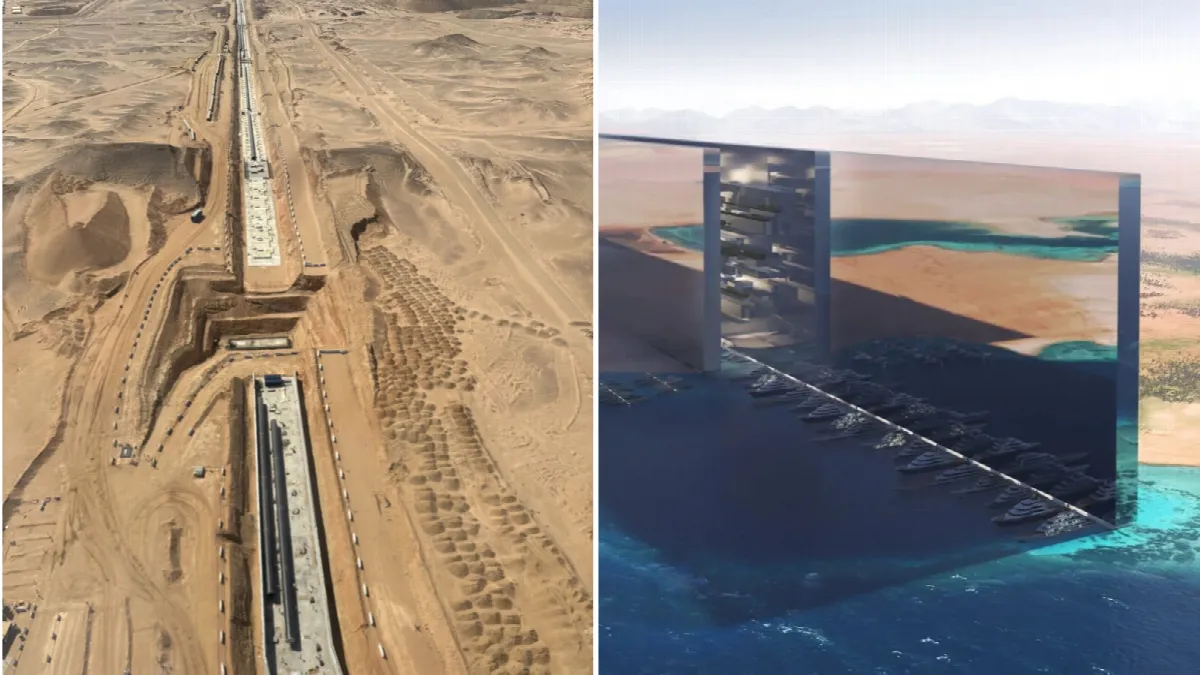
9. HeXi Yuzui Tower A: Nanjing’s New Icon
Height: 498.8 metres | Location: Nanjing, China | Expected Completion: 2028
Also known as RunMao Tower, this project serves as the centrepiece of Nanjing’s South HeXi Yuzui Financial District. Designed by Adrian Smith + Gordon Gill Architecture, the tower strategically positions itself along the Yangtze River.
Construction began in 2021, with the project enhancing Nanjing’s transformation into a major financial centre. The tower represents China’s continued investment in creating world-class urban developments outside its tier-one cities.
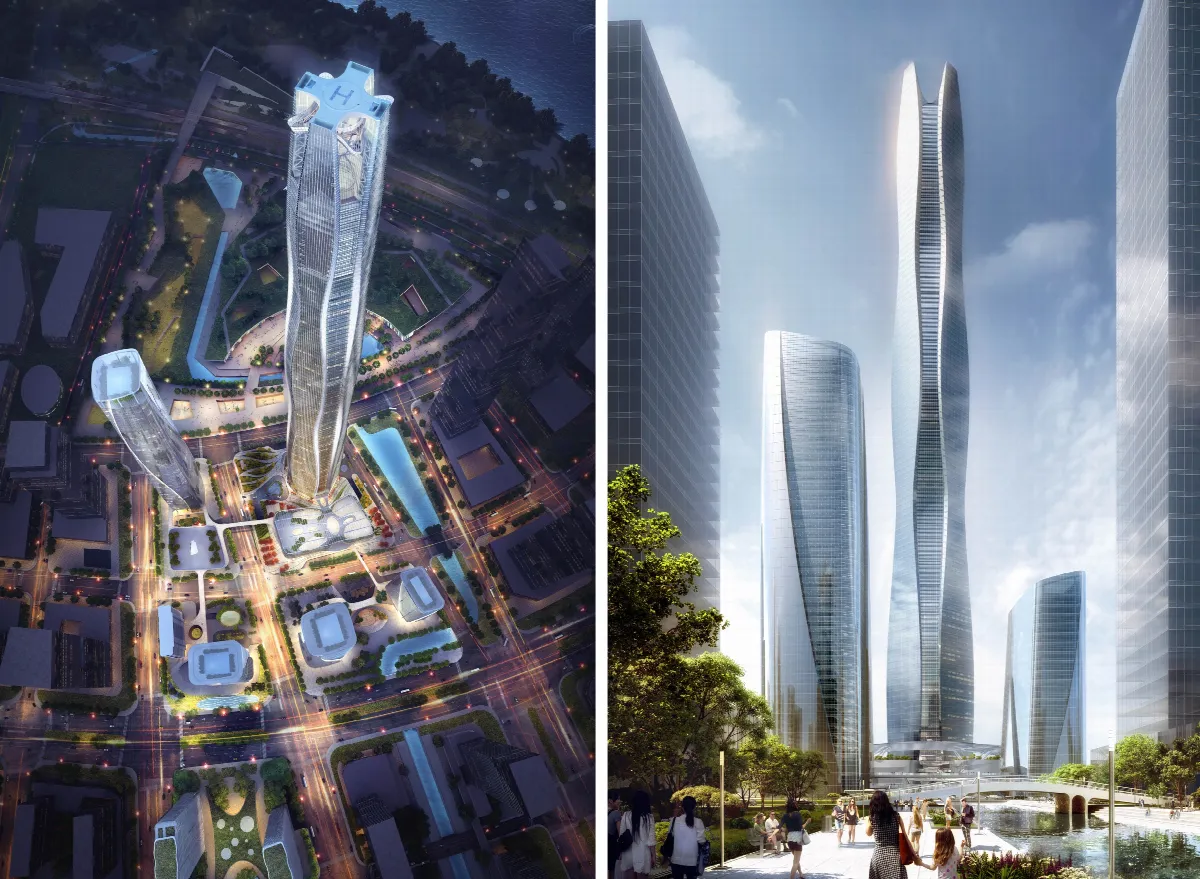
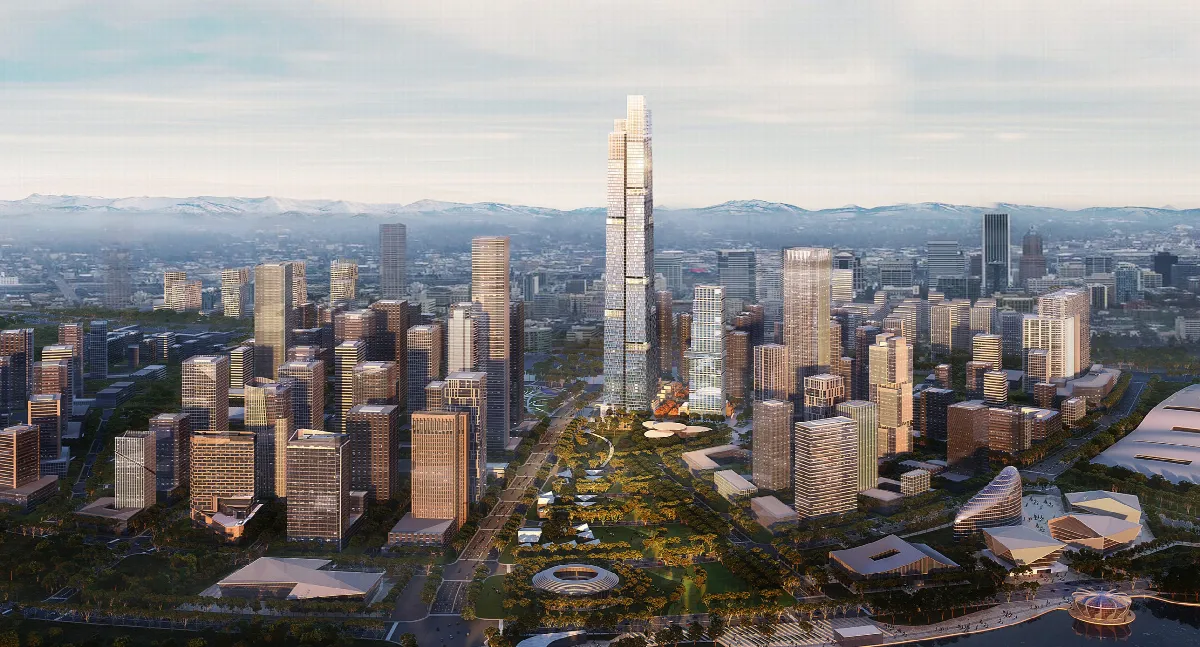
10. Panda Tower – Tianfu Center: Chengdu’s Green Giant
Height: 489 metres | Location: Chengdu, China | Expected Completion: 2027
Kohn Pedersen Fox Associates designed this landmark skyscraper inspired by Sichuan Province’s mountainous landscapes. The building’s innovative design allows wind to flow through its structure, enhancing environmental efficiency.
Starting construction in 2021, this mixed-use development embodies sustainable design principles while creating a new landmark for Chengdu. The tower represents China’s growing focus on environmentally conscious super-tall development.
Global Implications and Trends
These ten projects reveal several significant trends in contemporary architecture and urban development:
Regional Concentration
The Middle East leads with five projects (four in Dubai, one in Saudi Arabia), highlighting the region’s commitment to architectural innovation and economic diversification. China contributes three projects, while Brazil rounds out the list with one ambitious development.
Height Escalation
With Jeddah Tower pushing past the kilometre mark, we’re witnessing a new era of mega-tall construction. This represents not just architectural achievement but engineering breakthroughs in materials, wind resistance, and vertical transportation.
Mixed-Use Development
Most projects incorporate residential, commercial, and hospitality functions, reflecting modern urban planning principles that create vertical cities within individual buildings.
Employment and Economic Impact
These mega-projects collectively represent tens of billions in investment and will generate hundreds of thousands of jobs during construction and operation. From architects and engineers to construction workers and facility managers, the economic ripple effects extend across multiple sectors.
For professionals seeking opportunities in these exciting developments, having a professionally crafted CV is crucial. Professional CV services can help candidates achieve 3x more interviews by creating resumes tailored for the architecture, engineering, and construction sectors prevalent in these super-tall projects.
Technological Innovation
Each project incorporates cutting-edge technology:
- Advanced elevator systems with speeds exceeding 10 metres per second
- Smart building management systems for energy efficiency
- Innovative facade systems for climate control and aesthetics
- Seismic and wind-resistant structural engineering
- Sustainable design elements including renewable energy integration
Challenges and Considerations
Super-tall construction faces numerous challenges:
- Environmental concerns about energy consumption and carbon footprint
- Urban planning issues including traffic, infrastructure strain, and shadowing effects
- Safety considerations including evacuation procedures and fire protection
- Economic viability balancing construction costs with long-term returns
The Future of Vertical Living
These projects represent more than architectural achievements; they embody humanity’s vision for dense, efficient urban living. As global populations concentrate in cities, vertical development becomes increasingly essential for sustainable growth.
The integration of green technologies, smart systems, and mixed-use programming in these towers suggests a future where super-tall buildings function as self-contained urban ecosystems, reducing transportation needs and environmental impact.
Conclusion
The world’s top 10 super-tall buildings under construction represent a pivotal moment in architectural history. Led by the groundbreaking Jeddah Tower and Dubai’s remarkable quartet of projects, these structures will redefine skylines and set new standards for urban development.
As construction progresses on these ambitious projects, we’re witnessing the birth of a new era in architecture – one characterised by unprecedented heights, innovative designs, and sustainable technologies. These buildings will serve not just as symbols of human achievement but as functional spaces that house, work, and inspire millions of people.
The success of these projects will influence the next generation of super-tall development, potentially inspiring even more ambitious undertakings. As we look towards 2030, the completion of these architectural marvels will mark a transformative decade in the evolution of urban skylines worldwide.
Whether driven by economic growth, technological advancement, or national pride, these super-tall buildings represent humanity’s enduring desire to reach ever higher, creating landmarks that will define cities for generations to come.
Related Articles:
The UAE week, every Monday
The week's stories on jobs, visas, money and daily life in one short email. Unsubscribe in one click.