Dubai Taxi revenue rises to AED 735.5m, but profit falls
Dubai Taxi Company lifted third-quarter revenue to AED 735.5 million after adding National Taxi, but profit fell as passenger demand stayed softer and costs rose.
By Vadim Kouznetsov, published
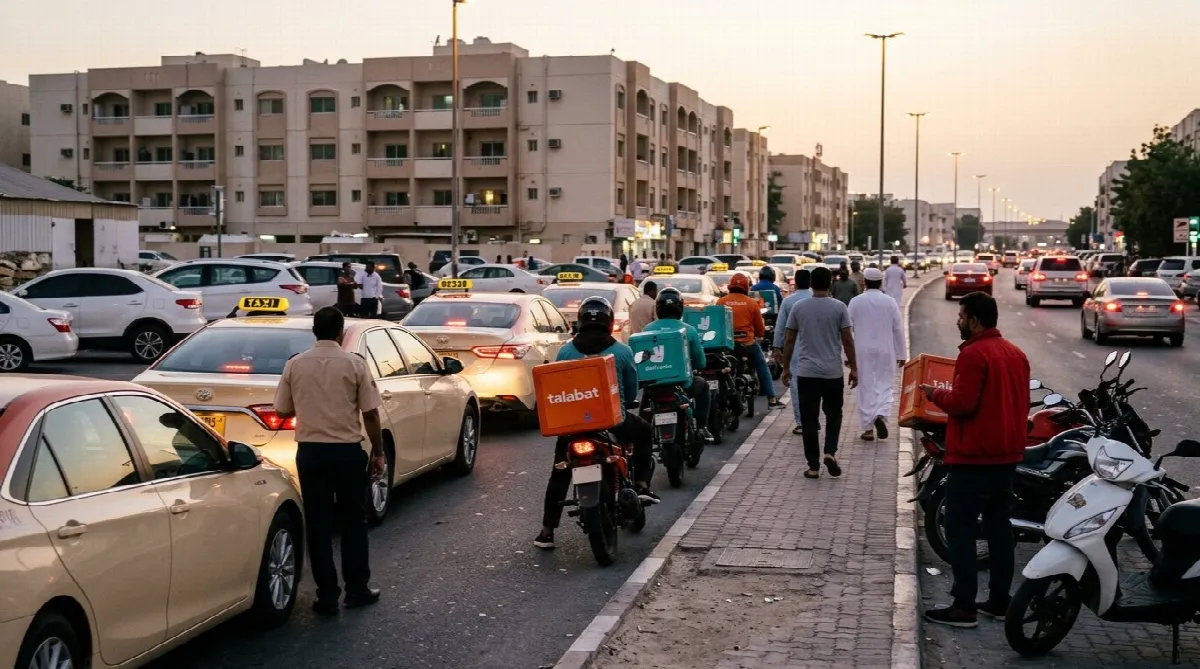
Dubai Taxi revenue and profit moved in opposite directions on Monday. Dubai Taxi Company, DTC, said third-quarter revenue rose 25.7% to AED 735.5 million after it started including National Taxi, while net profit fell 25.3% to AED 57.1 million, a sign that softer passenger demand and higher costs are still squeezing earnings.
For taxi drivers, delivery riders and job seekers in Dubai transport, this matters because the business is getting bigger, but the money made from core taxi operations remains under pressure.
Dubai Taxi results show a bigger business, but weaker underlying demand
DTC said this was the first quarter to include National Taxi's financial performance after the acquisition was completed on July 8. National Taxi added AED 168 million in revenue during the quarter.
Overall revenue rose from AED 585.3 million a year earlier to AED 735.5 million. EBITDA increased 10% to AED 166.5 million, but the company said its profit margin narrowed.
The weaker point was profitability. Excluding National Taxi, DTC's taxi revenue fell 6% year on year, while EBITDA dropped 14.4% and net profit fell 49.4%.
According to the company, higher fuel prices, operating expenses and financing costs all weighed on earnings. For the first 9 months of 2026, group revenue declined 1.5% to AED 1.77 billion, net profit fell 55.5% to AED 118.3 million, and EBITDA decreased 25.1% to AED 364.4 million.
Dubai Taxi demand improved through the quarter
There were signs of recovery in trips, even though passenger volumes were still below last year's levels.
DTC and National Taxi completed a combined 18.5 million taxi and limousine trips in the quarter. DTC's existing operations recorded 12.4 million trips, down 5.3%, while National Taxi completed 6.1 million trips, down 5.2%.
The monthly trend improved as the quarter went on. DTC's standalone trips were down 7.8% in July, 6.2% in August and 1.9% in September compared with the same months last year.
Airport demand also picked up. DTC recorded 1.07 million airport trips during the quarter, up 40% from the preceding 3 months.
A quick look at the main business lines shows where growth came from:
| Segment | Revenue | Change |
|---|---|---|
| Taxi, including National Taxi | AED 643.4 million | 27.2% |
| Delivery bike | AED 32.1 million | 75.2% |
| Limousine | AED 27 million | -2.8% |
| Bus | AED 29.6 million | Broadly stable |
Ride-hailing also strengthened. Bolt completed 2.3 million trips, up 52% year on year, after DTC added another 1,607 Arabia Taxi vehicles to the platform.
After the quarter ended, DTC renewed its Hala agreement for another 5 years. The company said more than 120 million rides involving DTC and National Taxi vehicles have been booked through Hala since 2019.
What Dubai Taxi's update means for workers and job seekers
The company did not announce new hiring totals, salary changes or benefit changes in this update. Still, the figures give a useful read on where activity is building.
National Taxi integration was about 30% complete by the end of the quarter, ahead of the initial schedule, and DTC said it had already delivered AED 3.9 million in savings and other financial benefits.
The combined business now operates 15,388 vehicles, up 16.7% year on year. Its operational taxi fleet reached 9,344 vehicles at the end of September, and the company said the combined business accounts for about 59% of Dubai's taxi market. DTC also brought 450 of its 600 newly acquired taxi plates into operation by the end of September.
For workers, the clearest growth areas in this update were delivery bikes, ride-hailing and fleet operations. DTC also said it commissioned a new ultra-fast electric vehicle charging hub with 24 charging points, the first phase of a planned network of more than 200 points. At the end of September, the combined taxi and limousine fleet included 846 fully electric vehicles.
There is a caution point too. Net debt rose to AED 2 billion at the end of September, from AED 930.3 million a year earlier, mainly because of financing for the National Taxi deal. DTC said it had AED 425.6 million in cash and liquid investments and remained focused on gradually reducing debt.
Practical steps for Dubai drivers and job seekers
If you work in taxi or limousine services, airport and tourism demand still matters a lot. This quarter showed that demand improved as September approached, but the core taxi business remained softer than a year earlier.
If you work in delivery, this was the fastest-growing segment in DTC's update. It is also worth checking the rules coming next, including Dubai delivery bikes face mandatory smart tracking from 2027 and UAE delivery rider rules from 2027 ban backpacks and passengers.
If you are job hunting in transport, keep your driving record and documents in order. This guide on UAE driving licence: 12 cases that can block renewal or cancel it is a useful check, and you can browse current openings on JobXDubai Jobs.
Key takeaway
DTC is larger after the National Taxi acquisition, but its core taxi earnings are still being hit by softer demand and higher costs. For workers and job seekers, the strongest signals in this update are growth in delivery, ride-hailing, more vehicles on the road and a gradual improvement in airport-linked trips.
FAQ
Why did Dubai Taxi profit fall if revenue rose?
Revenue rose because DTC included National Taxi for the first time after the acquisition closed on July 8. Profit still fell because passenger demand stayed softer in core taxi operations and costs such as fuel, operating expenses and financing increased.
How much revenue did National Taxi add?
National Taxi contributed AED 168 million in revenue during the quarter, according to DTC. This was the first quarter in which its financial performance was included in DTC's results.
Is Dubai Taxi demand recovering?
There were signs of improvement through the quarter. DTC's standalone trip decline eased from 7.8% in July to 1.9% in September, and airport trips rose 40% from the preceding 3 months to 1.07 million.
Which part of the business grew fastest?
The delivery bike segment grew the fastest by revenue, up 75.2% to AED 32.1 million. Bolt also expanded strongly, with 2.3 million trips, up 52% year on year.
Did DTC announce new jobs or pay changes?
No. The company did not set out new hiring numbers, salary changes or benefit changes in this trading update. What it did show was fleet growth, more ride-hailing activity and continued integration work after the National Taxi deal.
Further reading
The UAE week, every Monday
The week's stories on jobs, visas, money and daily life in one short email. Unsubscribe in one click.