King’s College Hospital Jeddah: Architecture Excellence in Saudi
King’s College Hospital Jeddah transforms Saudi healthcare with British excellence and local heritage. Discover the architectural innovation behind Vision 2030.
By Vadim Kouznetsov, published , updated
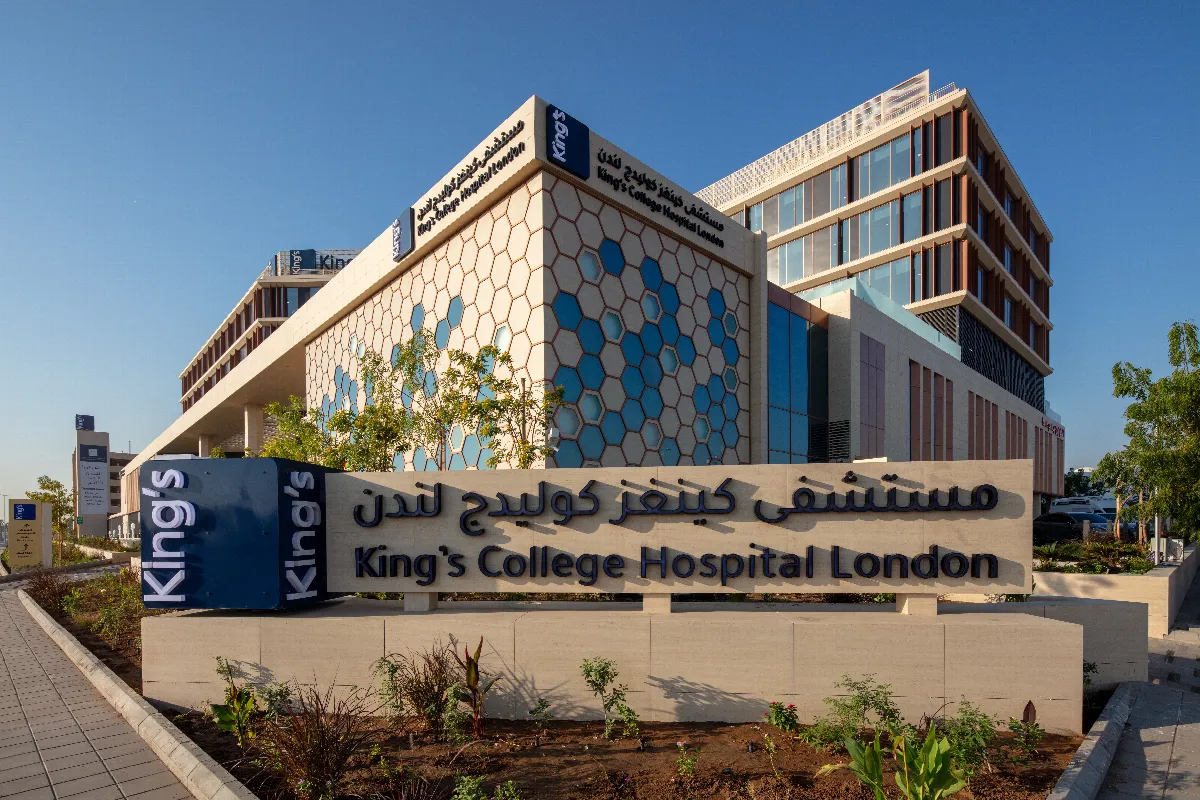
King’s College Hospital Jeddah (KCH Jeddah) sets a new standard for healthcare design in Saudi Arabia, blending British medical excellence with local cultural heritage. As the Kingdom’s first hospital fully integrated with London’s renowned King’s College Hospital, this groundbreaking facility represents a significant milestone in Vision 2030’s healthcare transformation.
Key Takeaway
KCH Jeddah combines cutting-edge clinical innovation with hospitality-like patient experience, featuring 150 beds including VIP suites, four Centers of Excellence, and architecture inspired by Jeddah’s cultural heritage. The hospital’s design prioritises patient privacy, family accommodation, and creates healing environments whilst maintaining clinical efficiency aligned with London’s standards.
The Vision Behind the Design: An Exclusive Interview with Ben Gonzalez, HKS
In an exclusive conversation, Ben Gonzalez from global design firm HKS reveals the intricate process behind creating one of Saudi Arabia’s most significant healthcare facilities. As someone who has worked extensively in the Middle East since 2008, Gonzalez offers unique insights into how KCH Jeddah redefines healthcare architecture in the Kingdom.

Bridging Two Worlds: UK Excellence Meets Saudi Culture
When asked about the biggest design challenges, Gonzalez explains the delicate balance required:
“One of the most significant challenges was translating a highly urbanized, UK-centric care model into a Saudi healthcare environment that demands more family-centered, privacy-focused spaces.”
The team had to deeply understand local expectations such as larger patient rooms, family accommodation, and gender-sensitive planning, while ensuring clinical efficiency remained aligned with KCH London’s world-class standards. This wasn’t merely about copying a successful model—it required cultural transformation.
The Patient-as-Guest Philosophy
KCH Jeddah’s revolutionary approach treats patients as honored guests, a concept Gonzalez believes transforms the healthcare experience:
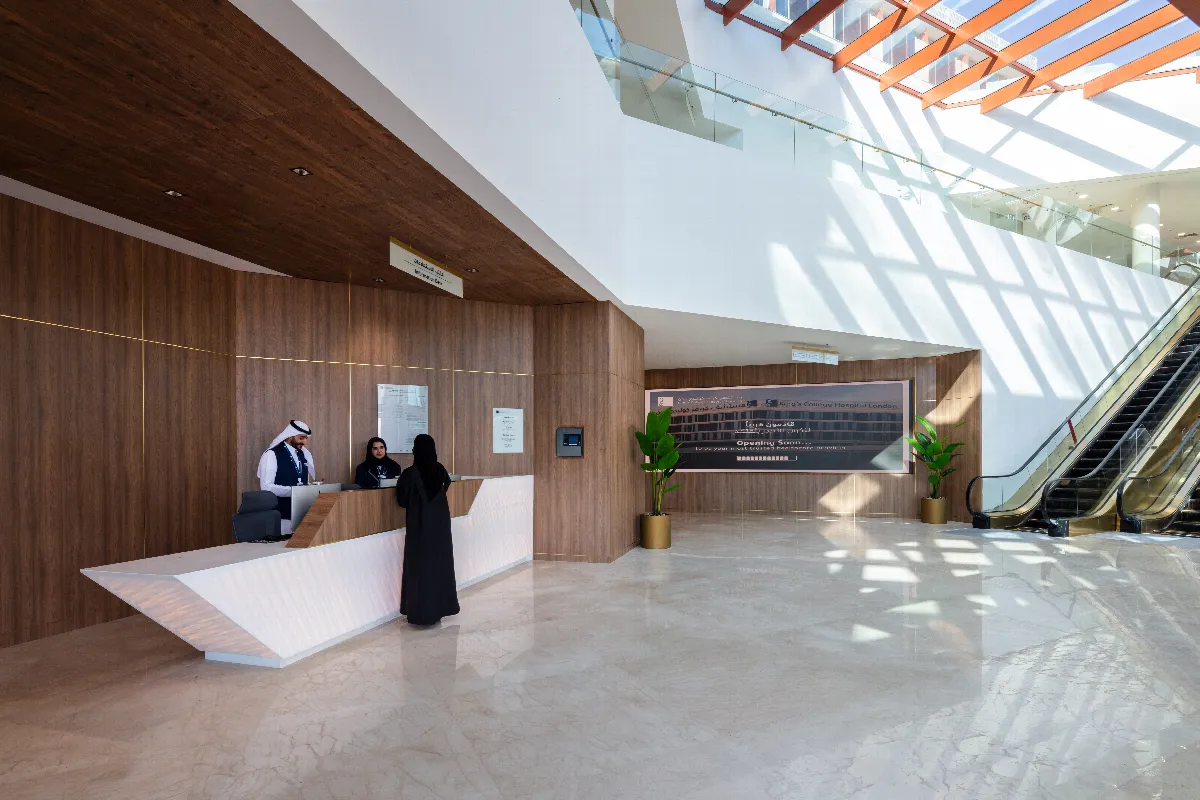
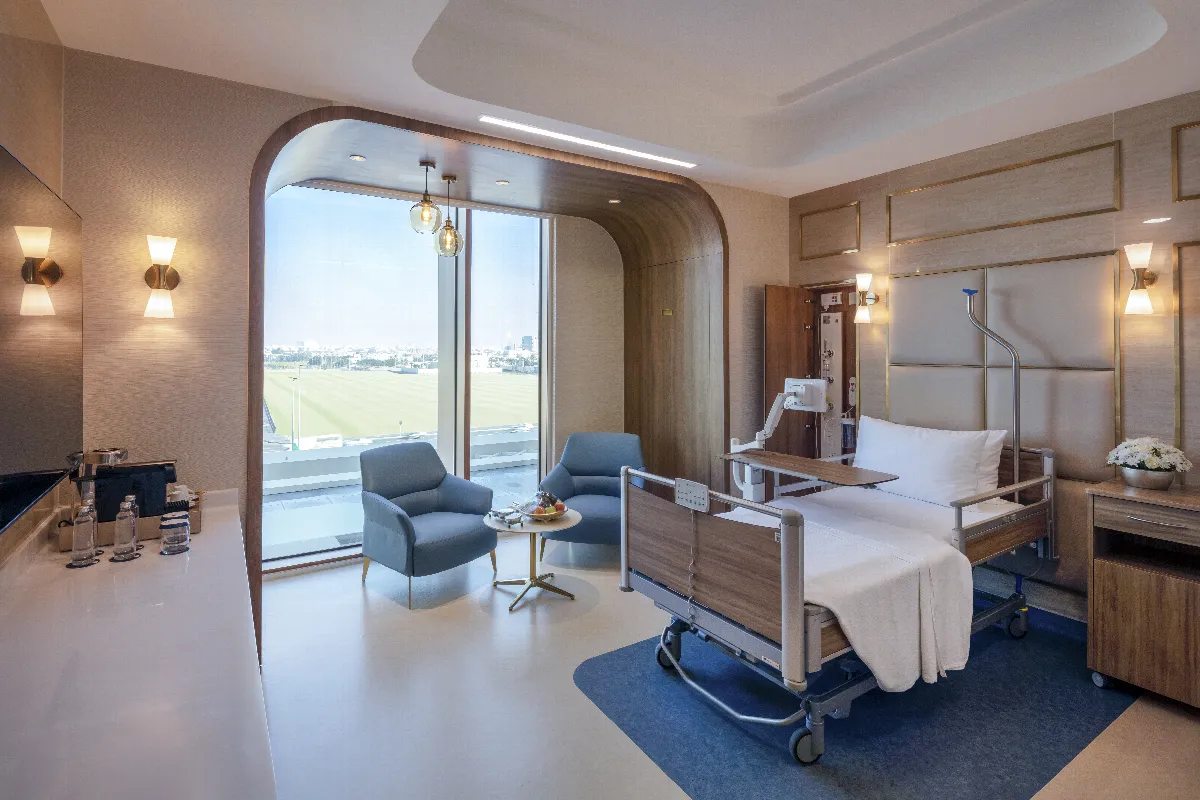
“We approached it by viewing the patient as a guest. While clinical flows and adjacencies were non-negotiable for patient safety, we layered in hospitality design principles.”
This philosophy manifests through:
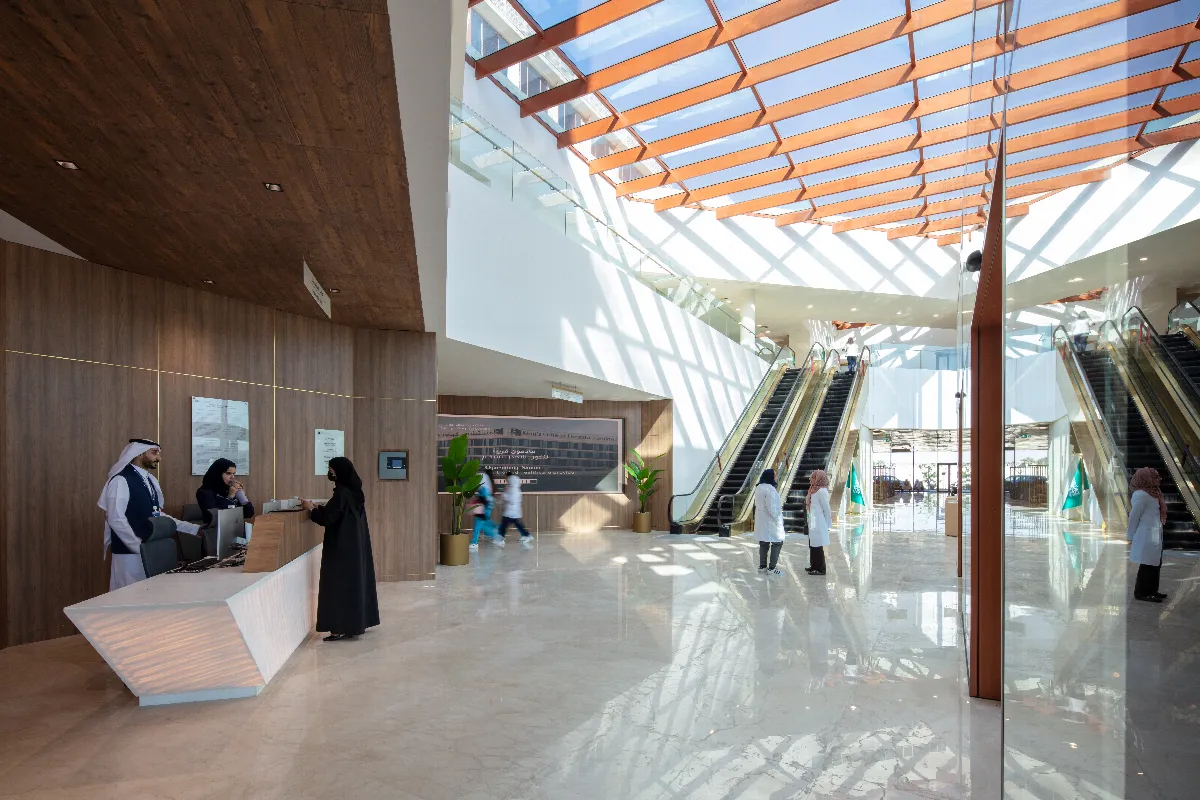
- Natural light flooding patient areas
- Intuitive wayfinding reducing anxiety
- Calming materials in high-stress areas like critical care and oncology
- Welcoming environments that feel more like upscale hotels than traditional hospitals
Drawing from Jeddah’s Architectural Soul
Gonzalez and his team didn’t simply impose a foreign design—they studied Jeddah’s rich heritage.
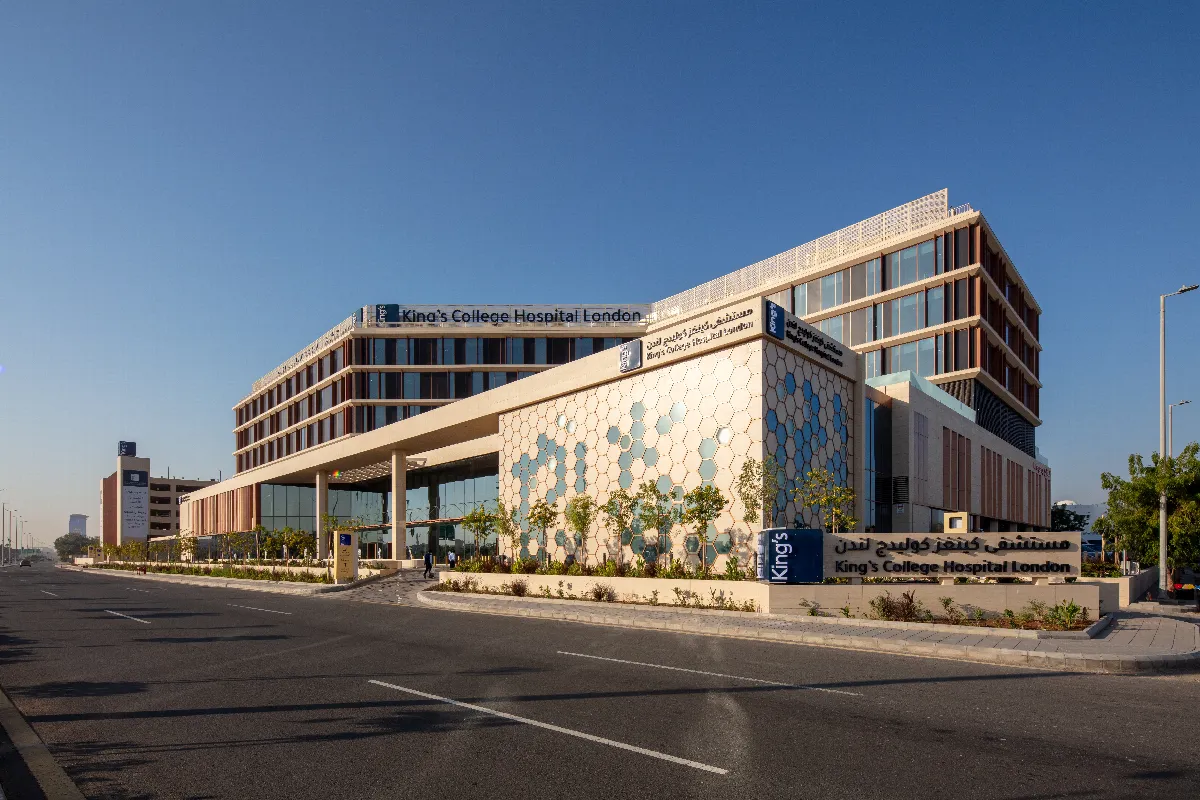
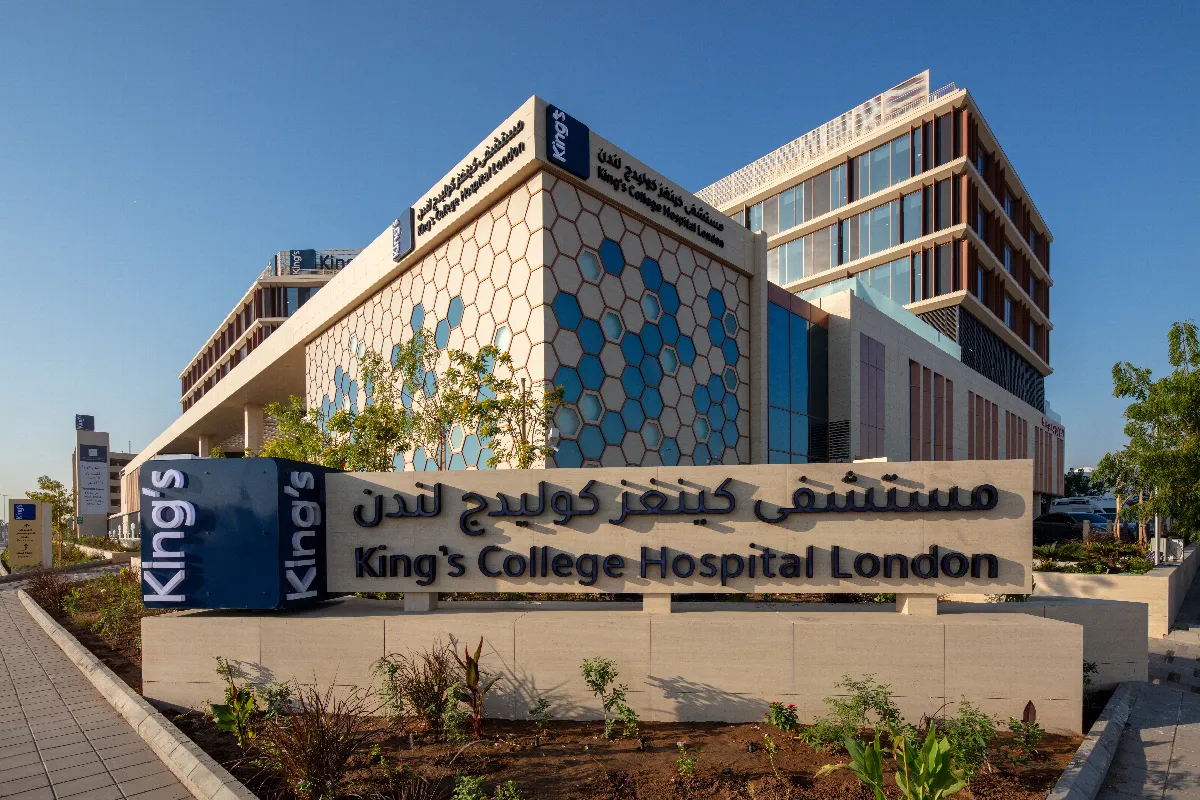
“Our team began by researching Jeddah’s culture, climate, and urban fabric. The architectural expression of the hospital draws inspiration from the city’s vernacular traditions, reinterpreted through a modern lens.”
The result is a stunning integration of traditional elements:
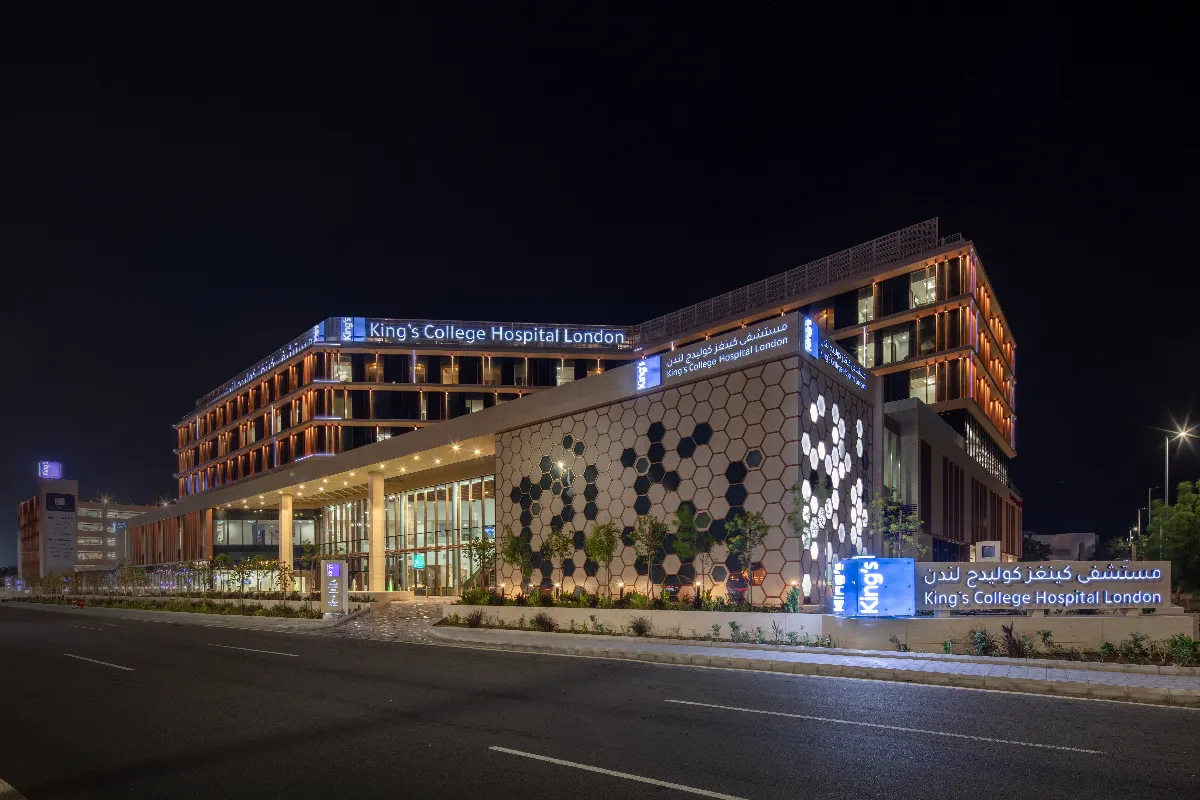
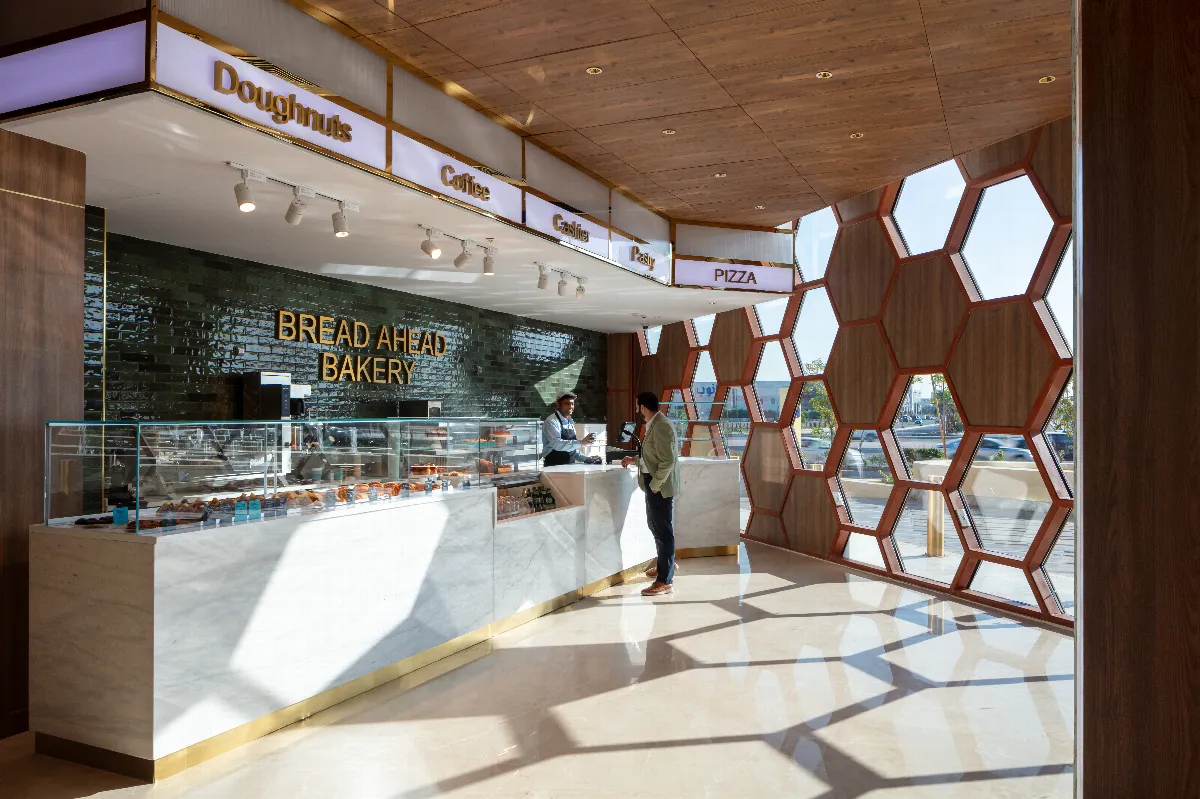
Rawashin-Inspired Design: “Providing open areas that allow for spanned views to the exterior connects the interior with exterior while being protected by shading and privacy similar to the local rawashin seen in Jeddah.”
Modern Mashrabiya: Traditional screening techniques provide privacy while maintaining connection to the outdoors
Cultural Pattern Language: Linear repetition, vertical/horizontal bays, and texture transfers echo traditional Jeddah architecture
Equity in Healthcare: The Emirates Model
One of the most intriguing aspects of KCH Jeddah is how it maintains consistency across different patient demographics. Gonzalez uses a perfect analogy:
“We approached the design with the principle of equity in experience. A helpful analogy is Emirates airline: whether you’re flying First Class or Economy, the baseline of quality, service, and safety is upheld.”
While VIP suites offer elevated privacy and bespoke amenities, every patient benefits from:
- Access to natural daylight and exterior views
- Healing-focused interiors
- Consistent material palette promoting dignity
- Quality spaces that prioritize comfort and well-being
This democratic approach to healthcare design ensures that the hospital’s commitment to holistic, patient-first care extends to all patients, regardless of their room category.
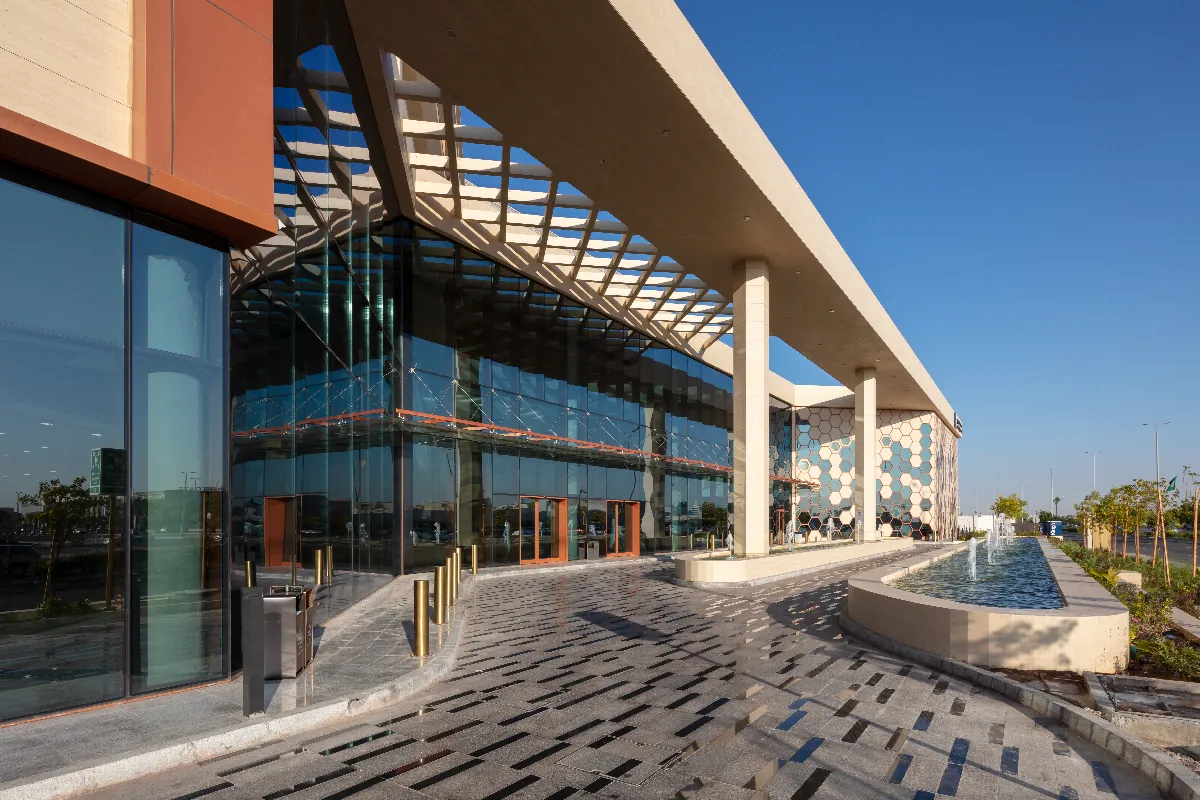
Solving the Site Puzzle: Innovation on King Abdulaziz Road
The congested location along busy King Abdulaziz Road presented unique challenges. Gonzalez reveals the strategic solutions:
“We used a layered mobility strategy, clear zoning for public, patient, and service flows; separate VIP access points; and centralized vertical circulation cores aligned with department stacking.”
The team created a compact yet efficient plan that maximizes clinical access without overwhelming the facility, maintaining unidirectional vehicular flow around the site—a crucial consideration in Jeddah’s dense urban environment.
Centers of Excellence: Strategic Clinical Planning
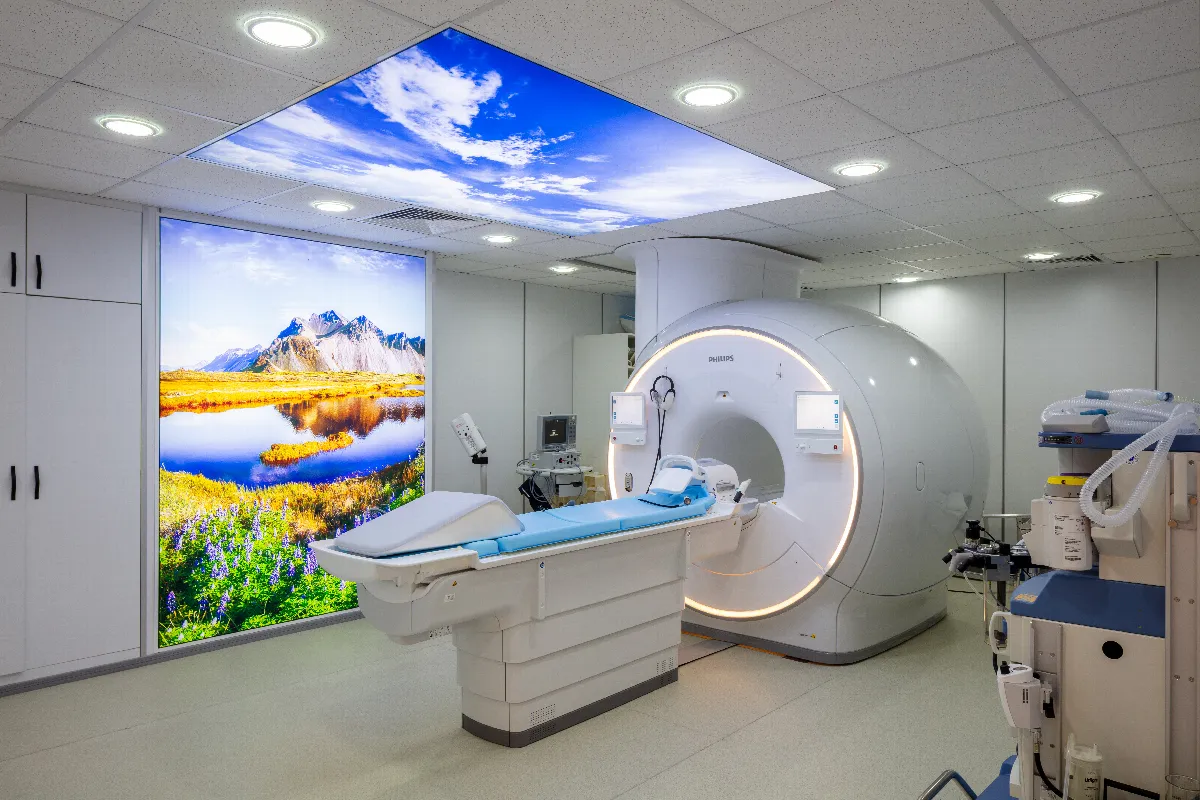
The four Centers of Excellence weren’t placed randomly. Gonzalez explains the methodology:
“The planning of the Centers of Excellence was driven by two core principles: ease of access for patients and operational efficiency for staff.”
Strategic Decisions:
- Key outpatient specialties positioned on ground and first floors for direct access
- Wider main corridors providing clear visual orientation
- Departmental adjacencies based on clinical synergies and patient volumes
- Sub-waiting areas creating smoother care flow
The Four Centers:
- Women’s Health with comprehensive IVF suite
- Metabolic Diseases & Bariatric Surgery
- Cardiology & Heart Vascular
- Orthopedics
Sustainability in the Desert: Climate-Smart Design
Addressing Jeddah’s challenging climate was paramount.
“Given Jeddah’s hot and arid climate, the hospital was designed with passive strategies as a foundation, starting with optimal building orientation and integrated shading devices,” Gonzalez notes.
While the project didn’t pursue formal LEED certification, the design team adhered to the sustainability requirements of the Saudi Building Code and aligned with broader regional environmental goals.
The Human Element: Attracting Top Medical Talent
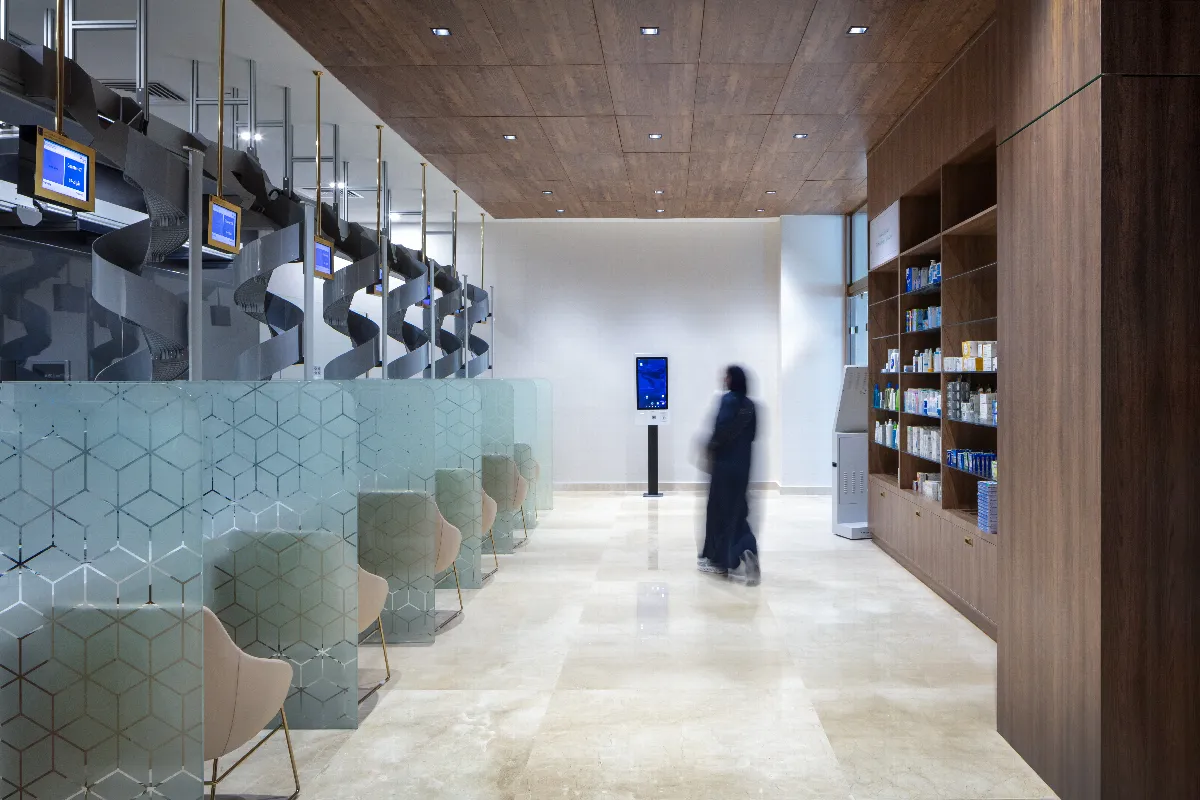
Beyond patient care, KCH Jeddah was designed to attract and retain world-class medical professionals. Gonzalez emphasizes the staff-focused elements:
“To attract and retain top medical professionals, the design prioritized staff wellness and a supportive work environment.”
Staff-Centered Features:
- Natural light-filled lounges and breakout areas
- Generous light wells bringing daylight deep into the building
- Landscaped podium terraces for shared staff-patient use
- Community-fostering design elements
These features reduce burnout and support high-performing healthcare teams—crucial factors in maintaining the hospital’s standards.
Learning from Dubai: International Experience Applied
The success of King’s College Hospital Dubai provided valuable insights.
“From KCH Dubai, we understood the importance of integrating digital health and international clinical alignment early in design,” Gonzalez reflects.
“The patient experience insights, especially around cultural privacy and service layering, were key inputs to our Jeddah approach.”
Vision 2030: Setting the Healthcare Standard
When discussing KCH Jeddah’s broader impact, Gonzalez is optimistic:
“It sets a new benchmark, proving that international standards whose design is rooted in the local culture. As Vision 2030 emphasizes private sector engagement and medical tourism, KCH Jeddah serves as a template for patient-centric, digitally enabled care delivery.”
HKS Global Collaboration: One Studio, Multiple Continents
The project showcased HKS’s innovative global approach.
“At HKS, we operate as one global studio. For KCH Jeddah, our teams across the U.S., UAE, London and KSA collaborated seamlessly through shared digital platforms,” Gonzalez explains.
This collaboration involved rotating talent across offices to ensure the strongest global ideas informed the design, while integrating hospitality design expertise to elevate the human experience throughout the patient journey.
Advice for the Next Generation
For architects aspiring to work on healthcare projects, Gonzalez offers clear guidance:
“We look for a balance of empathy and technical rigor, people who can think holistically about the patient journey while understanding complex clinical workflows and regulatory demands.”
For those considering careers in the Middle East, his advice is profound:
“Come with curiosity and cultural humility. Success here is built on relationships, flexibility, and the ability to deliver value across both global standards and local expectations.”
The Integration Advantage: Seamless London Connection
Unlike typical international hospital projects, KCH Jeddah offers true integration with King’s College Hospital London:
- 24-hour primary care connectivity
- Virtual consultations for complex cases with London specialists
- Visiting physician programs bringing top surgeons from London and Dubai
- Shared clinical protocols ensuring consistent global standards
- Staff development through training placements at KCH London
This integration reduces the need for patients to travel abroad for specialty treatments while maintaining international standards of care.
The Future of Healthcare Design
As the first of many similar projects, KCH Jeddah provides a proven model for:
- Cultural integration in international healthcare
- Patient-centric design philosophy
- Staff wellness prioritization
- Sustainable design in challenging climates
- Seamless global clinical integration
Career Opportunities in Saudi Healthcare
The success of KCH Jeddah signals growing opportunities for:
Healthcare Professionals:
- International specialists and consultants
- Nurses and medical technicians
- Healthcare administrators
- Medical technology experts
Design Professionals:
- Healthcare architects
- Interior designers specializing in medical facilities
- Project managers
- Sustainability consultants
For professionals interested in regional opportunities, our analysis of Saudi Arabia’s booming job market shows 79% of employers actively recruiting, with healthcare being a priority sector.
HKS’s Hiring Philosophy: Building Global Teams
Gonzalez reveals HKS’s approach to building successful international teams:
“We intentionally hire locally and globally, creating blended teams. Cultural training, project immersion, and dialogue ensure we’re not just importing ideas but co-creating solutions that resonate locally.”
Growth Opportunities at HKS:
- High-impact international projects
- Research-driven innovation
- Design leadership training
- Clear path from early career to global sector leadership
The Broader Impact: Medical Tourism and Economic Growth
KCH Jeddah contributes significantly to Saudi Arabia’s medical tourism ambitions:
- Reducing medical travel abroad for specialty treatments
- Attracting international patients to the Kingdom
- Creating employment for thousands of healthcare professionals
- Establishing Saudi Arabia as a regional healthcare hub
The facility aligns with broader regional healthcare developments, including the UAE’s unified medical licensing platform and growing emphasis on attracting international medical talent.
Technology Integration: The Digital Health Component
While Gonzalez notes the team wasn’t aware of direct virtual care connections with London, the hospital incorporates advanced digital health technologies:
- State-of-the-art medical equipment
- Integrated hospital management systems
- Digital patient records
- Telemedicine capabilities
The technology infrastructure supports the seamless integration with King’s London operations and facilitates complex case consultations.
Conclusion: A New Chapter in Global Healthcare
King’s College Hospital Jeddah represents more than architectural achievement—it’s a blueprint for the future of international healthcare. Through thoughtful integration of British medical excellence with Saudi cultural values, the project proves that global standards and local sensitivity can coexist beautifully.
Gonzalez’s insights reveal how successful international healthcare projects require not just technical expertise, but cultural empathy, collaborative spirit, and commitment to human-centered design. As Saudi Arabia continues its healthcare transformation under Vision 2030, KCH Jeddah stands as a shining example of what’s possible when world-class design meets visionary healthcare planning.
For healthcare professionals and architects worldwide, KCH Jeddah demonstrates that the Middle East offers extraordinary opportunities for those willing to embrace cultural collaboration and design innovation. The facility’s success paves the way for future projects that will continue transforming healthcare delivery across the region.
To explore opportunities in Middle Eastern healthcare and architecture, visit JobXDubai for the latest positions in rapidly growing markets like Saudi Arabia and the UAE.
The UAE week, every Monday
The week's stories on jobs, visas, money and daily life in one short email. Unsubscribe in one click.