UAE Diesel Price Jumps 70%: Will Supermarket Prices Go Up?
UAE diesel surges 70% in April 2025. Al Maya, Adil Group, and Choithrams respond — what it means for grocery prices across Dubai and the UAE.
By Vadim Kouznetsov, published
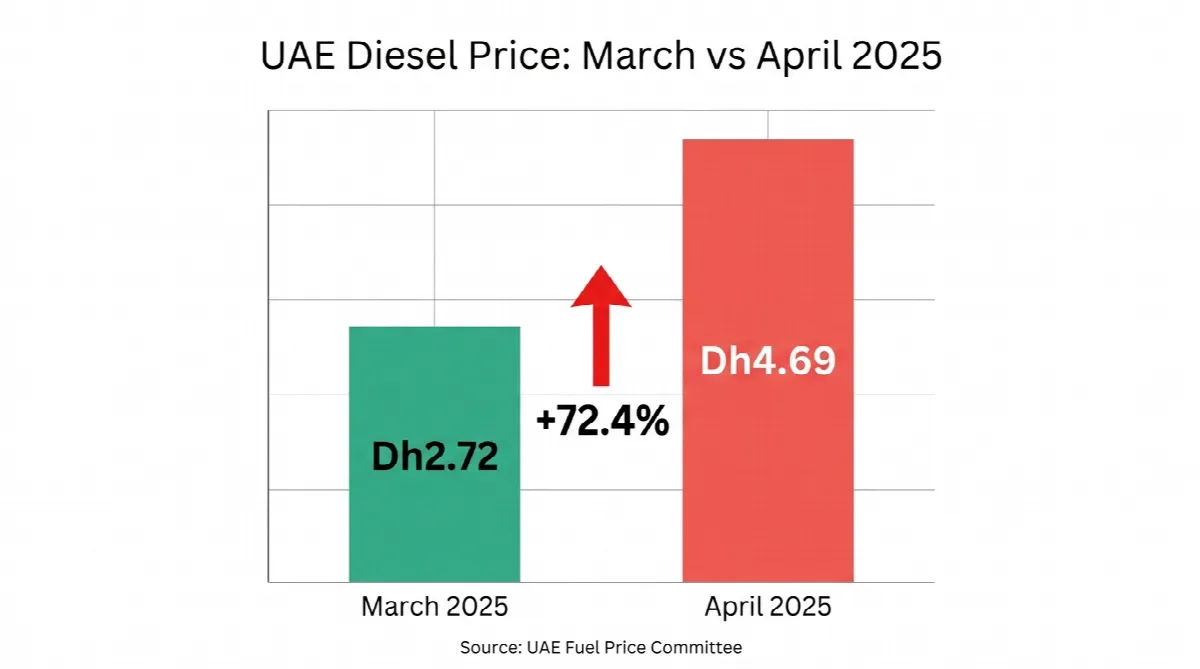
Diesel prices in the UAE surged more than 70% in April 2025 — from Dh2.72 to Dh4.69 per litre — driven by rising global oil prices linked to the US-Israel-Iran conflict. Petrol also rose by Dh0.80 per litre.
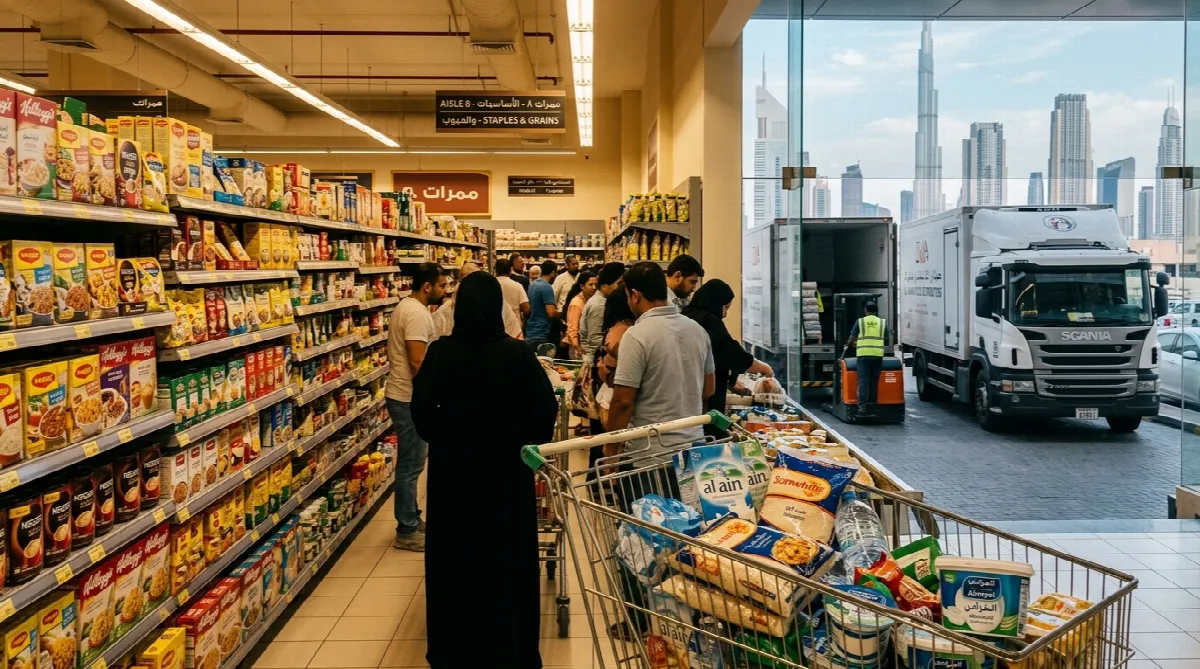
For shoppers across Dubai, Abu Dhabi, and the Northern Emirates, the question is straightforward: will your grocery bill go up?
Major UAE supermarket chains say they are absorbing what they can. But they’ve been clear — not all cost increases can be passed through their operations alone.
Key Takeaway: UAE supermarkets including Al Maya Group, Adil Group, and Choithrams are absorbing part of the April 2025 diesel price increase through operational efficiencies. However, all three retailers have confirmed that selective price adjustments on certain products are likely, while essential everyday items will remain protected as much as possible.
Why Did UAE Diesel Prices Spike So Sharply?
The UAE fuel price committee announced April 2025 rates reflecting a dramatic shift in global oil markets. Diesel leapt from Dh2.72 to Dh4.69 — a rise of more than 70%.
The primary driver? The ongoing US-Israel-Iran conflict, which has pushed global crude oil benchmarks sharply higher. Geopolitical instability in the Middle East directly affects fuel pricing through the UAE’s liberalised pricing mechanism, introduced in 2015.
This is one of the steepest monthly diesel adjustments in recent UAE history, far exceeding the modest fluctuations seen throughout 2025.
How Does Diesel Affect Grocery Prices in the UAE?
Diesel powers nearly every stage of the supply chain that puts food on your table:
- Imports arriving at ports rely on diesel-fuelled shipping and trucking
- Warehouse transfers between distribution centres use diesel fleets
- Daily store deliveries depend on diesel-powered trucks running routes across the Emirates
A 70% jump in diesel costs translates directly into higher transportation expenses for retailers. For supermarket chains dealing in high-volume, everyday goods, even small per-unit increases compound quickly across thousands of product lines.
Choithrams noted that the immediate effect is pressure on profit margins. Over time, this can influence pricing, product availability, and delivery frequency.
What Are UAE Supermarkets Doing About It?
Al Maya Group
Kamal Vachani, deputy CEO and group director of Al Maya Group, confirmed growing pressure from rising diesel costs across transportation, logistics, and supply chain operations.
The company is committed to absorbing costs through internal efficiencies. However, Vachani stressed that a sustainable long-term solution requires a balanced approach — one that keeps value, affordability, and product availability at the forefront.
Adil Group
Dhananjay Datar, chairman and managing director of Adil Group, said higher diesel prices directly increase logistics and transportation costs, impacting the overall cost structure for retailers handling everyday goods.
“While we are absorbing a part of the increase through internal efficiencies, it is not sustainable to bear the entire burden,” Datar confirmed. Some selective price adjustments may be necessary, though essential items will remain as affordable as possible.
Choithrams
Mark Mortimer-Davies, CEO of Choithrams, outlined specific measures the retailer has already taken:
- Removed returns to many suppliers, eliminating double journeys
- Invested in route planning software to make sure trucks leave warehouses fully loaded
- Optimised daily routes for cost and time efficiency
“However, it would not be realistic to say that all cost increases can be fully absorbed,” Mortimer-Davies said. Where pressures persist, some costs will inevitably reach the consumer — though the priority remains keeping increases measured and protecting key everyday items.
Which Products Could See Price Increases?
Retailers haven’t specified exact categories. But based on how supply chain costs affect the UAE retail sector, products with the heaviest logistics footprint are most vulnerable:
- Imported goods requiring long-haul transport from ports
- Chilled and frozen items that need temperature-controlled delivery
- Heavy or bulky products such as water, beverages, and cleaning supplies
- Fresh produce with frequent delivery schedules
Essential staples — rice, bread, cooking oil — are the items retailers have specifically committed to protecting.
How Does This Affect the Broader UAE Cost of Living?
Diesel price increases ripple far beyond supermarket shelves. Transport, logistics, construction, and delivery services all face higher operating costs. For UAE residents already managing rising living expenses, this adds another pressure point.
Ride-hailing services, food delivery platforms, and courier companies may adjust their pricing. Freight operators could pass costs on to businesses, which then face their own decisions about consumer pricing.
Dubai’s economy has shown strong growth in 2025, but sustained high fuel prices could slow that momentum if consumer spending tightens.
What Can Shoppers Do Right Now?
You can’t control global oil prices, but you can control how you shop:
- Stock up on essentials now before any price adjustments take hold
- Compare prices across supermarkets — retailers absorb costs at different rates
- Buy in bulk for non-perishable staples where possible
- Switch to store-brand alternatives which typically carry lower margins
- Plan meals around what’s on offer rather than fixed shopping lists
- Monitor fuel costs directly by following monthly UAE fuel price updates
Will Prices Come Back Down?
That depends almost entirely on what happens with global oil markets and the US-Israel-Iran conflict. The UAE’s monthly fuel pricing mechanism adjusts rates based on the previous month’s international crude benchmarks.
If geopolitical tensions ease and oil prices retreat, diesel costs would fall — and the pressure on retailers would ease accordingly. Previous fuel price drops in 2025 show that the system works in both directions.
For now, though, shoppers should expect a period of selective price adjustments on certain products while retailers work to shield essential items.
FAQ
How much did UAE diesel prices increase in April 2025?
Diesel jumped from Dh2.72 to Dh4.69 per litre — an increase of more than 70%. Petrol also rose by Dh0.80 per litre.
Why did diesel prices rise so much?
Higher global oil prices driven by the US-Israel-Iran conflict pushed up international crude benchmarks, which directly feed into the UAE’s monthly fuel pricing mechanism.
Will supermarket prices increase in the UAE?
Major retailers have confirmed that while they are absorbing costs where possible, some selective price adjustments are likely. Essential everyday items will be protected as a priority.
Which supermarkets have responded to the diesel increase?
Al Maya Group, Adil Group, and Choithrams have all publicly addressed the issue, each confirming they are absorbing costs through internal efficiencies while acknowledging that full absorption is not sustainable.
What products are most likely to get more expensive?
Products with heavy logistics costs — imported goods, chilled/frozen items, beverages, and bulky household products — are most exposed to transport-driven price increases.
Are essential items like rice and bread going to cost more?
Retailers have specifically committed to keeping essential staples as affordable as possible. These are the last items likely to see price increases.
How long will prices stay high?
It depends on global oil market conditions and the progress of geopolitical tensions. The UAE’s fuel pricing system adjusts monthly, so prices can come down if international crude benchmarks fall.
Does the diesel price affect delivery apps like Talabat and Noon?
Yes. Higher diesel costs impact last-mile delivery operations. Food delivery and courier services may adjust pricing or delivery fees to offset increased fuel expenses.
How does the UAE set fuel prices each month?
The UAE Fuel Price Committee reviews international oil market averages and sets local prices on the last day of each month, effective from the first day of the following month. This system has been in place since 2015.
Is this the biggest diesel price increase in UAE history?
A 70% monthly jump is among the steepest increases recorded under the UAE’s liberalised pricing mechanism, reflecting the exceptional geopolitical pressures currently affecting oil markets.
Further Reading
The UAE week, every Monday
The week's stories on jobs, visas, money and daily life in one short email. Unsubscribe in one click.