Dubai Inflation Eases to 2.3% April 2025: Housing vs Fuel Analysis
Dubai inflation slows to 2.3% in April 2025, driven by fuel price drops. Housing costs remain key driver at 7% growth. Economic impact analysis.
By Vadim Kouznetsov, published

Dubai’s annual inflation rate slowed to 2.3% in April 2025, down from 2.8% in March, marking the slowest pace of annual price growth since mid-2023. This moderation reflects significant fuel price declines offsetting continued upward pressure from housing costs, which remain the dominant inflation driver.
According to Emirates NBD Research, monthly consumer prices rose 0.3%, reversing March’s 0.1% decline. With 2025 average inflation at 2.8%, economists have revised projections down to 2.5% for the full year, compared to 3.3% in 2024.
Housing Costs Dominate Inflation Landscape
Primary Inflation Driver Housing remains the largest component of Dubai’s consumer price index, accounting for approximately 40% of the basket. Although housing inflation moderated to a seven-month low of 7.0% year-on-year in April, it continues driving overall price pressures.
Rent Growth Patterns General rent increases slowed to 9.8% year-on-year in April—the slowest pace since December 2021. This deceleration suggests some communities are experiencing rental decreases after years of significant hikes.
Monthly Housing Trends Month-on-month housing prices rose 0.4%, unchanged from the previous month, indicating stabilisation in the rate of increase rather than dramatic swings.

Transport and Fuel Provide Relief
Transport Deflation Impact Transport prices, representing about 9% of the CPI basket, fell 7.6% year-on-year in April, accelerating from March’s 3.3% decline. This sharp drop significantly contributed to overall inflation moderation.
Fuel Price Comparisons
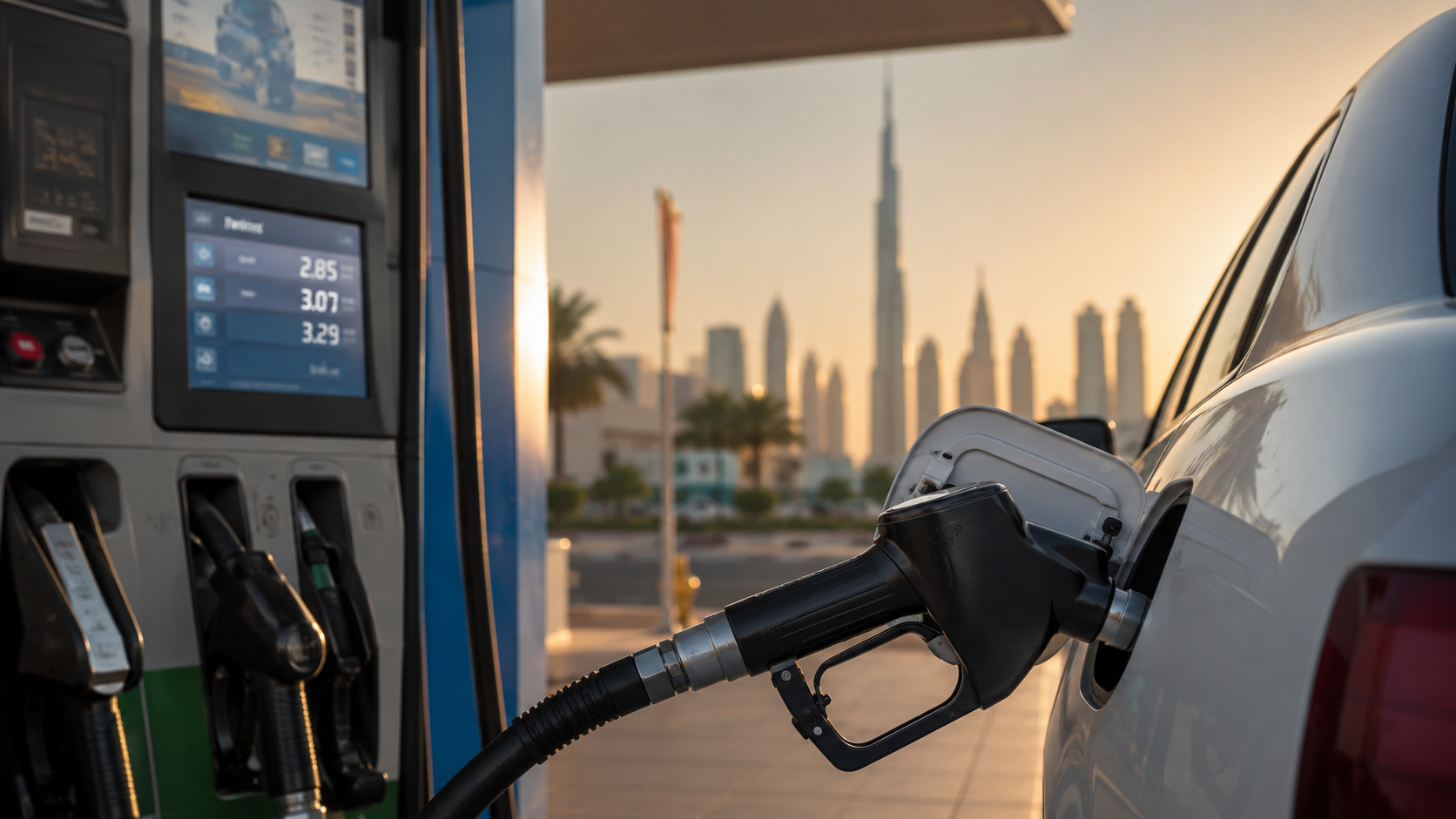
- Super 98 petrol in April 2025: 18.4% cheaper than April 2024
- May 2025 pricing: Dh2.58 per litre vs Dh3.34 in May 2024 (22.8% decrease)
- Oil price forecasts: $68 per barrel average for 2025, down from $80 in 2024
Daniel Richards, Senior Economist at Emirates NBD, notes: “With oil prices expected to remain under pressure for the rest of the year, transport will continue to exert downward pressure on headline inflation.”
Education and Healthcare Moderate
Education Sector Trends Education, comprising 8.2% of the CPI basket, saw price increases slow to 2.5% year-on-year in April from 2.8% in March. The Knowledge and Human Development Authority (KHDA) set the education cost index at 2.4% for 2025/26, down from 2.6% for 2024/25.
Healthcare Cost Evolution Healthcare costs, representing 0.9% of the basket, recorded 3.0% annual growth, slightly lower than March’s 3.1%. This moderation occurs despite rising healthcare and insurance costs affecting UAE residents.
Other Categories Show Mixed Performance
Food and Beverage Deflation Food and beverages declined 0.2% year-on-year, providing modest relief to household budgets.
Retail and Accommodation
- Restaurants and accommodation: +0.6% (up from +0.3% in March)
- Clothing and footwear: -2.8% (continued retailer discounting)
- Household furnishings: +0.5% (slight increase from +0.4%)
Impact on Living Costs and Salaries
Real Income Effects The inflation slowdown benefits Dubai residents, particularly given average salaries of 15,700 AED monthly. Lower fuel costs directly reduce transportation expenses for daily commuters.
Housing Affordability Challenges Despite moderation, 7.0% housing inflation continues pressuring residents. Many UAE workers are seeking higher allowances to cope with accommodation costs.
Cost of Living Context For expatriates, Dubai’s cost of living remains significant, with housing typically representing the largest expense category. The inflation trends suggest salary requirements for comfortable living may stabilise rather than continue rising sharply.
Regional Economic Context
UAE-Wide Trends Dubai’s inflation patterns reflect broader UAE cost pressures including parking fees, toll charges, and utility costs affecting residents across emirates.
Employment Market Implications Moderate inflation supports employment market stability, potentially reducing pressure for significant salary increases beyond the projected 4% average rise across industries.
Future Outlook and Projections
2025 Inflation Forecast Emirates NBD revised its 2025 inflation projection to 2.5%, citing:
- Sustained oil price pressure
- Weak price growth in most CPI components
- Continued housing market moderation
Key Monitoring Areas Housing remains the critical factor for future inflation trends, given its substantial CPI weighting and ongoing supply-demand dynamics.
Supply and Demand Balance New residential supply of 243,000 units by 2027 could further moderate housing inflation if delivery schedules maintain pace.
Sector-Specific Implications
Retail and Consumer Goods Continued clothing deflation and modest food price declines benefit consumer purchasing power, potentially supporting retail sector performance.
Transportation and Logistics Lower fuel costs reduce operational expenses for businesses dependent on transportation, potentially improving profit margins.
Real Estate Market Housing inflation moderation, combined with rental market maturity, suggests the property market is transitioning toward sustainable growth patterns.
Policy and Economic Environment
Monetary Implications Moderate inflation supports economic stability and reduces pressure for significant policy adjustments affecting interest rates or lending conditions.
Business Planning Predictable inflation trends enable better business planning and budget forecasting for companies operating in Dubai.
Consumer Confidence Stable price growth patterns support consumer confidence and spending decisions, particularly for major purchases.
Key Takeaway
Dubai’s inflation eased to 2.3% in April 2025, the slowest pace since mid-2023, driven by fuel price declines offsetting housing cost pressures. Housing remains the dominant factor at 40% of CPI, with year-on-year increases of 7.0%, while transport deflation of 7.6% and education moderation to 2.5% provided relief. With oil prices forecast at $68 per barrel for 2025, Emirates NBD projects average inflation of 2.5%, down from 3.3% in 2024, supporting economic stability and potential easing of cost-of-living pressures for Dubai residents.
Stay informed about Dubai salary trends and cost of living updates at JobXDubai.
The UAE week, every Monday
The week's stories on jobs, visas, money and daily life in one short email. Unsubscribe in one click.