Master Your Exit Interview in the UAE: A 2025 Guide
Resigning in Dubai? Learn how to handle your exit interview professionally, protect your reputation, and move to your next role with confidence.
By Vadim Kouznetsov, published

The way you handle your final moments at a company shapes how you will be remembered long after you have moved on.
Every career has distinct chapters. Knowing when to close one and begin the next is just as significant as landing your first role. In the UAE’s dynamic market, professionals who evolve every few years remain competitive and in high demand.
Staying too long in the same position without upward movement risks stagnation. Often, companies respond to long tenure by increasing your workload without offering the advancement or pay rise to match. The secret to long-term success is recognising when to exit, and exactly how to do it well.
Why Timing Matters
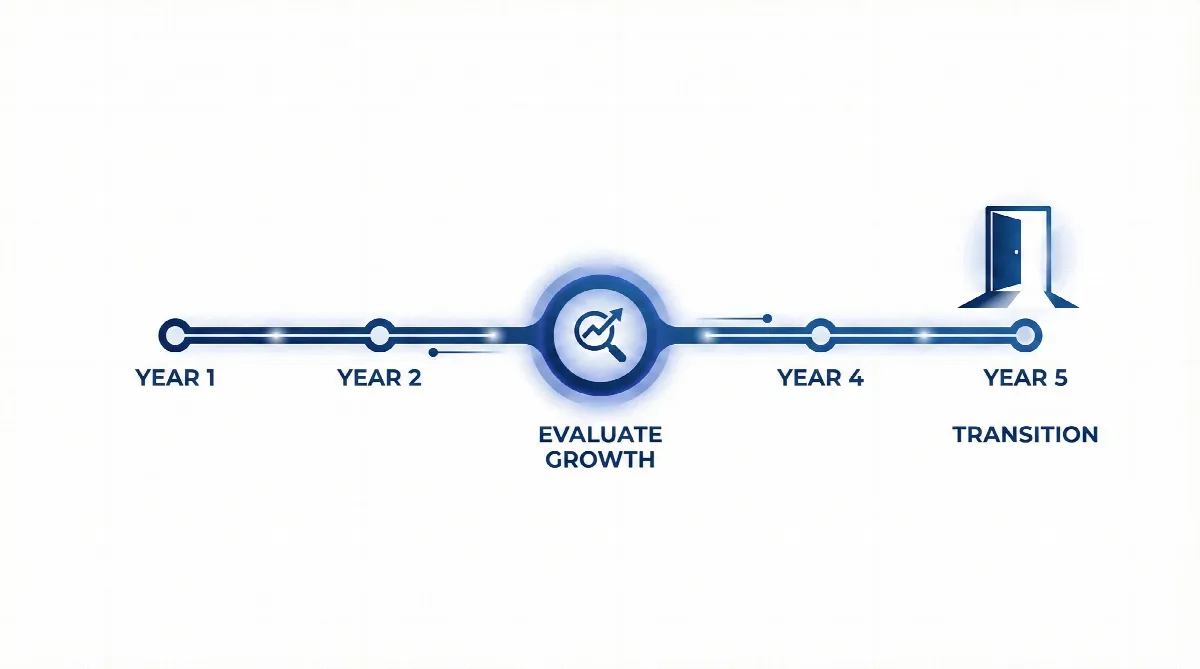
Career experts generally agree: you should evaluate your role every three to five years. By this stage, you ought to see visible growth. If not, it is time to prepare for a transition.
Evolution is a sign of career maturity. Employees who cling to a company or a specific manager out of misplaced loyalty, rather than for development opportunities, often find themselves in unfulfilling cycles.
Leaving does not imply disloyalty. It is an acknowledgment that growth requires movement. Companies change, industries shift, and individuals must do the same. By identifying when the time has arrived to move on, you protect your ambitions and avoid becoming a victim of burnout or “job loading.”
The Purpose of an Exit Interview
An exit interview is not just a bureaucratic form to fill out; think of it as a graduation ceremony. It symbolises the closing of one stage and your readiness to enter the next.
Just as graduates wear their gowns with pride, professionals can use exit interviews to depart with dignity. The Kubler-Ross change model highlights that leaving involves emotions ranging from denial to acceptance. The exit interview sits at the final stage: turning that acceptance into action. It is the precise moment you transform an ending into a fresh beginning.
How to Approach the Conversation
Entering that final meeting can feel awkward, but if you stick to a clear structure, you can turn it into a reputation-building exercise.
1. Be Honest, But Measured
Share feedback that is useful, not destructive. Highlight what you valued about the role first, then address areas where improvement is possible. Avoid personal criticisms or emotional outbursts.
2. Keep It Professional
Remember that an exit interview becomes part of your permanent record. Speak as though your words could be repeated to future employers. Stick strictly to the facts.
3. Focus on Growth
Frame your decision around career development rather than dissatisfaction.
- Don’t say: “I am leaving because my manager was unfair.”
- Do say: “I am moving to a new role to seek challenges that expand my current skill set.”
4. Leave on a High Note
Thank your employer for the opportunities you received, even if the experience wasn’t flawless. Expressing gratitude for colleagues and learning experiences shows class.
The Golden Rule: Secure Your Next Step First
One frequent mistake professionals make is waiting until they decide to resign before they start learning new skills. Upskilling should be continuous. Taking new courses or mastering AI tools in 2025 guarantees you remain valuable to your current employer while preparing yourself for the future.
Crucially, timing is everything.
In the UAE, where the job market is highly competitive, resigning without another opportunity in hand can create avoidable financial and emotional stress. Always secure your next role before giving notice. This demonstrates responsibility and provides a smoother transition for everyone involved.
Why Grading Your Exit Matters
Exiting gracefully is about you, not the company. Leaving with dignity allows you to maintain relationships that may become vital references later. It protects your professional reputation and gives you closure.
The professionals who thrive in Dubai are not those who remain in the same position out of comfort. They are the ones who make strategic decisions to learn, evolve, and explore new horizons.
Key Takeaway
Treat your exit interview like a graduation, not a breakup. Evaluate your career growth every 3-5 years. If you choose to leave, secure your next role first, then use the exit interview to cement your professional reputation. Honest, measured feedback preserves relationships that you may need in the future.
Frequently Asked Questions (FAQ)
Q: Is it safe to be completely honest in an exit interview? A: It is best to be honest but diplomatic. Focus on constructive feedback regarding processes or culture rather than personal grievances with individuals.
Q: Should I resign without a job offer in the UAE? A: We strongly recommend having a signed offer letter or contract clause in hand before resigning. The UAE job market is competitive, and gaps in employment can be stressful to manage.
Q: How long should I stay in a job before moving on? A: Career experts suggest evaluating your progress every 3 to 5 years. If you aren’t learning or earning more, it might be time to look for internal promotion or external opportunities.
Q: Can I refuse an exit interview? A: While you can usually decline, we advise attending. It is a professional courtesy that provides closure and helps leave a positive final impression.
Further Reading
The UAE week, every Monday
The week's stories on jobs, visas, money and daily life in one short email. Unsubscribe in one click.