Ultimate Acne Treatment Guide: Causes, Prevention & HydraFacial Solutions
Discover effective acne treatments, from prevention tips to professional HydraFacial solutions. Learn about hormonal influences and find expert care at Setai Hydrafacial, Munich’s top clinic for clear skin.
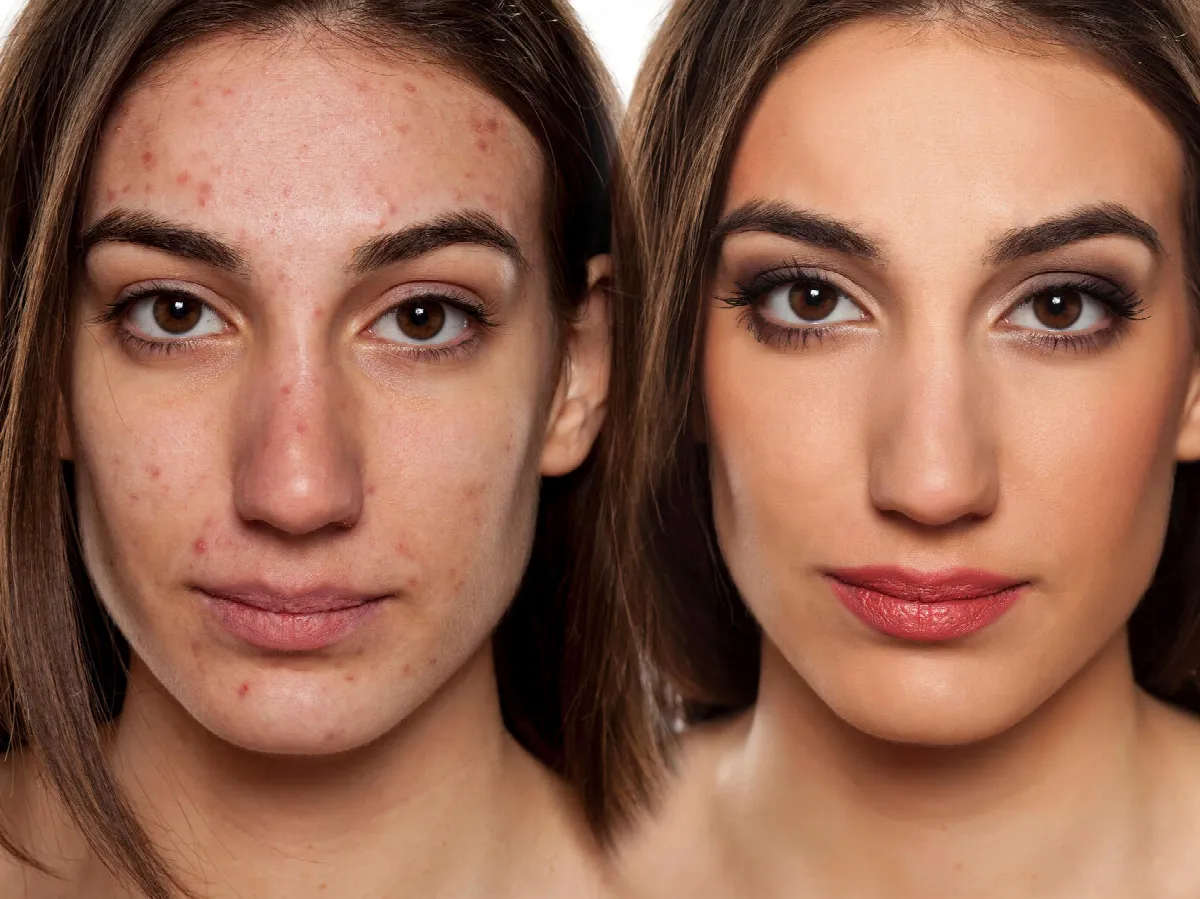
Acne is a common skin condition that affects millions of people worldwide, regardless of age or gender. While it’s often associated with adolescence, many adults continue to struggle with acne well into their 30s, 40s, and beyond. In this comprehensive guide, we’ll explore the causes of acne, explain what it is, and suggest the best treatments available, including professional solutions like the popular HydraFacial treatment.
Understanding Acne: What Is It and Why Does It Appear?
Before diving into treatment options, it’s crucial to understand what acne is and why it occurs. Acne is a skin condition characterised by the appearance of pimples, blackheads, whiteheads, and in more severe cases, cysts and nodules. It primarily affects areas of the skin with a high concentration of sebaceous glands, such as the face, chest, and back.
The Science Behind Acne Formation
Acne forms due to a combination of factors:
- Excess Sebum Production: The face has a high concentration of sebaceous glands, which produce an oily substance called sebum. In acne-prone skin, these glands often overproduce sebum.
- Blocked Pores: The excess sebum mixes with dead skin cells, forming a plug in the hair follicles (tiny holes in the skin where hair grows). This blockage leads to the formation of acne lesions like whiteheads and blackheads.
- Bacterial Growth: The blocked pores create an ideal environment for bacteria that normally live on the skin to multiply. This bacterial growth can lead to inflammation and the formation of pimples, pustules, and more severe forms of acne.
- Hormonal Influence: Hormonal changes, particularly during puberty, can trigger increased sebum production. The sebaceous glands are especially sensitive to hormones like testosterone, which stimulates oil production. This is why acne is common during teenage years and can persist into adulthood, especially in women due to hormonal fluctuations.
Other Contributing Factors
Several other factors can contribute to the development or worsening of acne:
- Genetics: Acne tends to run in families
- Certain medications
- Some cosmetic products
- Stress
- Diet, particularly foods with a high glycemic index
It’s important to note that acne is not caused by poor hygiene. Most of the biological reactions that lead to acne occur beneath the skin, not on the surface. Excessive face washing can actually irritate the skin and potentially worsen acne.
Preventing Acne: Key Strategies for Clear Skin
While it’s not always possible to completely prevent acne, especially if you’re genetically predisposed to it, there are several strategies you can employ to minimise breakouts and maintain healthier skin:
1. Proper Cleansing and Skincare
- Wash your face gently twice a day with a mild, oil-free cleanser.
- Use lukewarm water and avoid scrubbing harshly, as this can irritate the skin.
- Pat your face dry with a clean towel instead of rubbing.
- Apply a non-comedogenic moisturizer to keep your skin hydrated.
2. Choose the Right Products
- Use over-the-counter acne products containing ingredients like benzoyl peroxide or salicylic acid.
- Choose oil-free, non-comedogenic makeup and skincare products.
- Remove all makeup before going to bed.
- Consider using a broad-spectrum sunscreen with at least SPF 30.
3. Adopt Healthy Lifestyle Habits
- Keep your hair clean and away from your face, especially if it’s oily.
- Avoid touching your face frequently throughout the day.
- Change your pillowcase regularly to prevent bacteria buildup.
- Shower and wash your face immediately after exercising.
4. Pay Attention to Diet and Nutrition
- Maintain a balanced diet rich in fruits, vegetables, and whole grains.
- Consider reducing your intake of dairy products and foods high in sugar, as these may trigger acne in some people.
- Stay hydrated by drinking plenty of water.
5. Manage Stress
- Practice stress-reduction techniques, as stress can exacerbate acne.
- Consider activities like meditation, yoga, or regular exercise to help manage stress levels.
Remember that preventing acne takes time and consistency. If your acne persists or worsens despite these measures, it’s time to consider more targeted treatments.



Effective Treatments for Acne
When preventive measures aren’t enough, there are several effective treatments available for managing acne:
Over-the-Counter (OTC) Treatments
- Benzoyl Peroxide: This ingredient kills acne-causing bacteria and helps remove excess oil and dead skin cells.
- Salicylic Acid: This beta-hydroxy acid (BHA) helps unclog pores and reduce inflammation.
- Alpha Hydroxy Acids (AHAs): Ingredients like glycolic acid and lactic acid can help exfoliate the skin and promote cell turnover.
- Retinol: An over-the-counter form of vitamin A that can help unclog pores and reduce acne.
Prescription Medications
For more severe or persistent acne, a dermatologist may prescribe:
- Topical Retinoids: Stronger forms of vitamin A (like tretinoin) that unclog pores and reduce oil production.
- Topical Antibiotics: These help kill acne-causing bacteria and reduce inflammation.
- Oral Antibiotics: For moderate to severe acne, oral antibiotics may be prescribed to reduce bacteria and fight inflammation.
- Isotretinoin: A powerful oral medication for severe, cystic acne that hasn’t responded to other treatments.
- Hormonal Treatments: For women, birth control pills or anti-androgen medications may be prescribed to help regulate hormones that contribute to acne.
Professional Treatments
In addition to at-home care and medications, several professional treatments can be highly effective in managing acne:
- Chemical Peels: These treatments use chemical solutions to remove the top layer of skin, unclogging pores and improving skin texture.
- Microdermabrasion: This procedure physically exfoliates the skin, removing dead skin cells and unclogging pores.
- Laser and Light Therapies: Various light-based treatments can target acne-causing bacteria and reduce inflammation.
- Extraction: A dermatologist or esthetician can safely remove blackheads and whiteheads.
- HydraFacial: This advanced treatment combines cleansing, exfoliation, extraction, and hydration in one procedure.
Spotlight on HydraFacial: A Revolutionary Acne Treatment
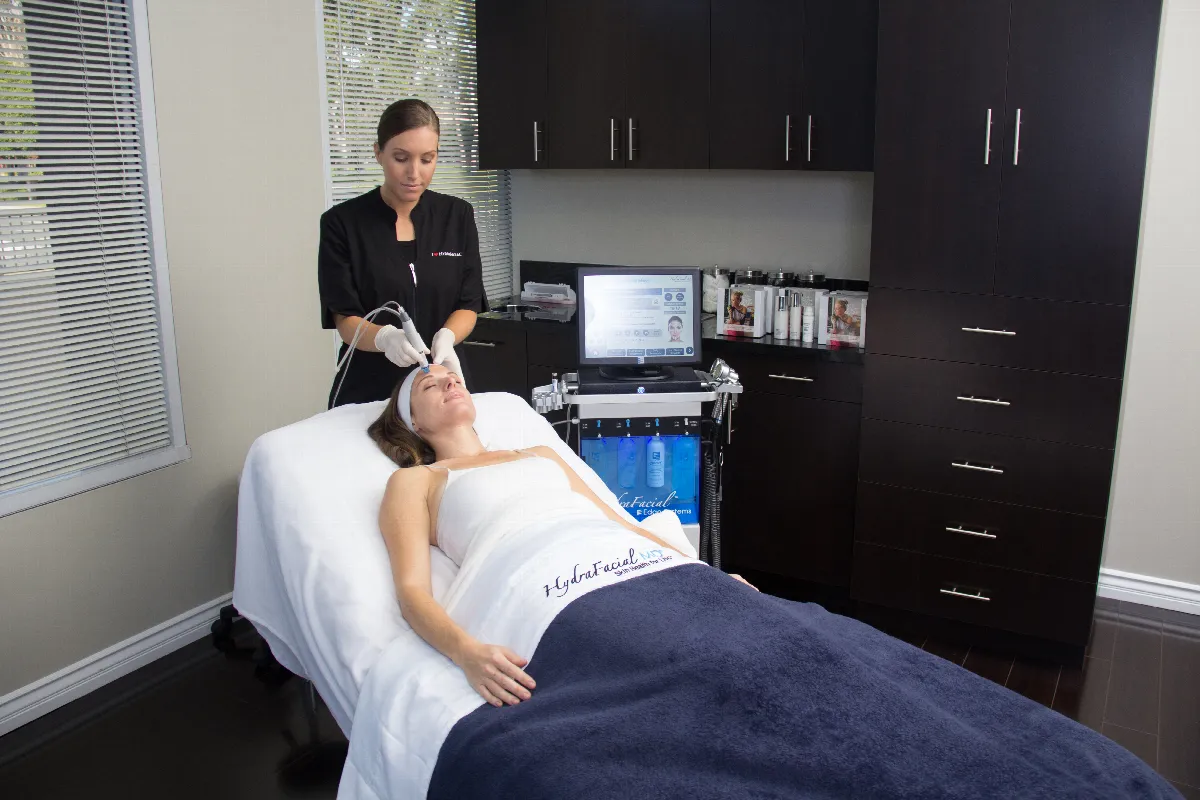
One of the most innovative and effective treatments for acne-prone skin is the HydraFacial. This non-invasive procedure has gained popularity for its ability to address multiple skin concerns, including acne, in a single session.
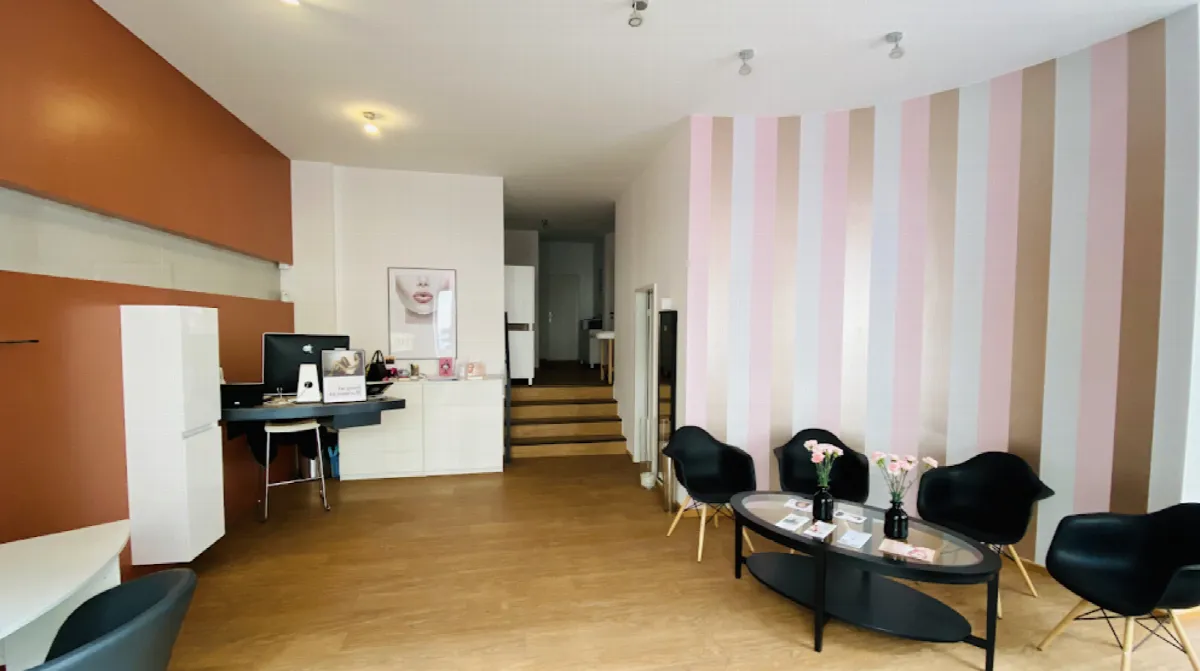
Setai Hydrafacial in Munich, Germany, is one of the top places for HydraFacial treatments, offering this cutting-edge solution to those struggling with acne and other skin issues. With treatments starting from €99, it’s an accessible option for many looking to improve their skin health.
How HydraFacial Works
The HydraFacial treatment consists of three main steps:
- Cleanse and Peel: A gentle exfoliation and resurfacing process removes dead skin cells and uncovers a new layer of skin.
- Extract and Hydrate: Using painless suction, debris is removed from pores while simultaneously nourishing the skin with intense moisturizers.
- Fuse and Protect: The skin’s surface is saturated with antioxidants and peptides to maximize glow and address specific skin concerns.
Benefits of HydraFacial for Acne-Prone Skin
- Deep cleaning of pores to remove acne-causing debris
- Gentle exfoliation without irritating sensitive, acne-prone skin
- Hydration to balance oil production
- Customized serums to address specific acne concerns
- No downtime required
- Immediate visible results
A typical HydraFacial treatment takes between 30 to 60 minutes, making it a convenient option for those with busy schedules. The treatment is generally recommended every 4-6 weeks for maintenance, but your skincare professional can advise on the best frequency for your specific skin needs.
The Role of Hormones in Acne
Understanding the hormonal factors behind acne can help in developing more effective treatment strategies. Hormones play a crucial role in the development and severity of acne:
Androgen Hormones
Androgens, particularly testosterone, are the primary hormones responsible for stimulating acne:
- They increase sebum production in the skin’s oil glands
- Higher androgen levels lead to more oil production, which can clog pores
- This creates an environment where acne-causing bacteria can thrive
Estrogen and Progesterone
The balance between estrogen and other hormones also impacts acne:
- Decreasing estrogen levels can lead to a relative increase in androgens
- This shift can trigger more oil production and acne breakouts
- Progesterone fluctuations can cause the skin to swell slightly, closing pores and trapping oil and dead skin cells
Insulin
Insulin can also play a role in acne development:
- High insulin levels can raise androgen levels
- This accelerates skin cell growth and increases the risk of pore blockage
For persistent or severe hormonal acne, it’s best to consult a dermatologist for personalized care. They may recommend treatments that specifically target hormonal imbalances, such as certain birth control pills or anti-androgen medications.
Conclusion: A Holistic Approach to Acne Treatment
Treating acne effectively requires a multi-faceted approach that addresses the various factors contributing to its development. From maintaining a consistent skincare routine and making lifestyle adjustments to seeking professional treatments like HydraFacial at Setai Hydrafacial, there are numerous ways to combat acne and achieve clearer, healthier skin.
Remember that everyone’s skin is unique, and what works for one person may not work for another. It’s important to be patient and consistent with your chosen treatments, as it can take several weeks or even months to see significant improvements in your skin.
If you’re struggling with persistent or severe acne, don’t hesitate to seek professional help. A dermatologist or skilled esthetician can provide personalized advice and treatment plans tailored to your specific skin needs. With the right approach and expert guidance, achieving clear, acne-free skin is within reach.
Setai Hydrafacial offers state-of-the-art HydraFacial treatments starting from €99, making it an excellent option for those looking to take their acne treatment to the next level. By combining professional treatments with a consistent at-home skincare routine, you can maximise your chances of achieving and maintaining clear, beautiful skin.