Abu Dhabi’s Falcon-H1 Arabic: The AI Model Outperforming Giants at Half the Size
Abu Dhabi’s Falcon-H1 Arabic ranks first globally for Arabic AI. The 34B model beats Meta and Qwen systems at half the size. Free to use now.
By Vadim Kouznetsov, published
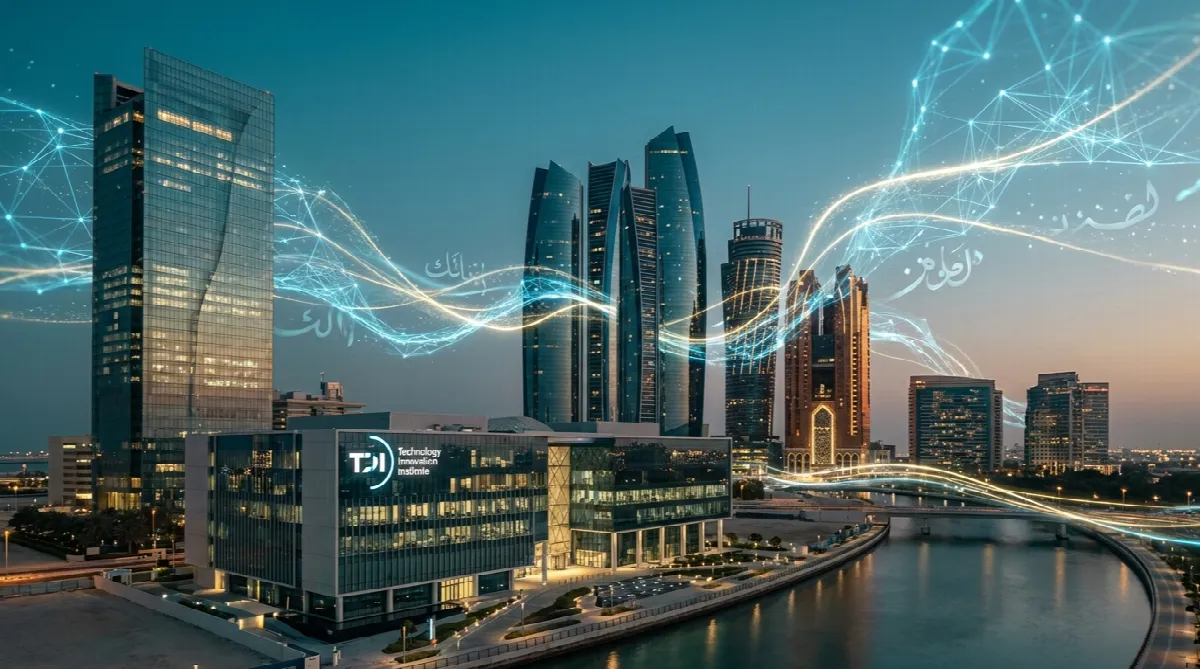
Abu Dhabi has built an artificial intelligence system that understands Arabic better than any other model on global benchmarks. And it does so while being smaller and faster than competing systems from major tech companies.
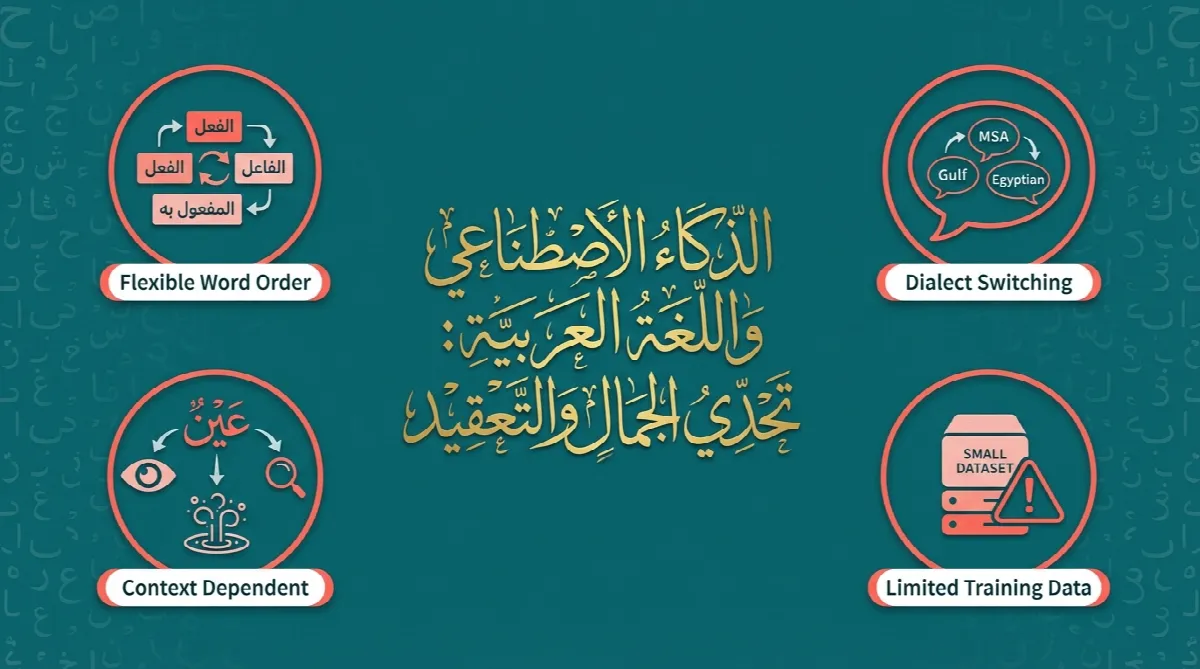
Falcon-H1 Arabic, developed by the Technology Innovation Institute (TII), now ranks first on the Open Arabic LLM Leaderboard. The flagship 34-billion-parameter model outperforms Meta’s Llama-70B and China’s Qwen-72B—despite being less than half their size.
For anyone who has tried popular AI tools in Arabic, this matters. The gap has been obvious: replies that sound grammatical but miss meaning, tools that fail with dialect, or translations that ignore cultural context. Falcon-H1 Arabic was built specifically to fix these problems.
Why Arabic Is So Difficult for AI
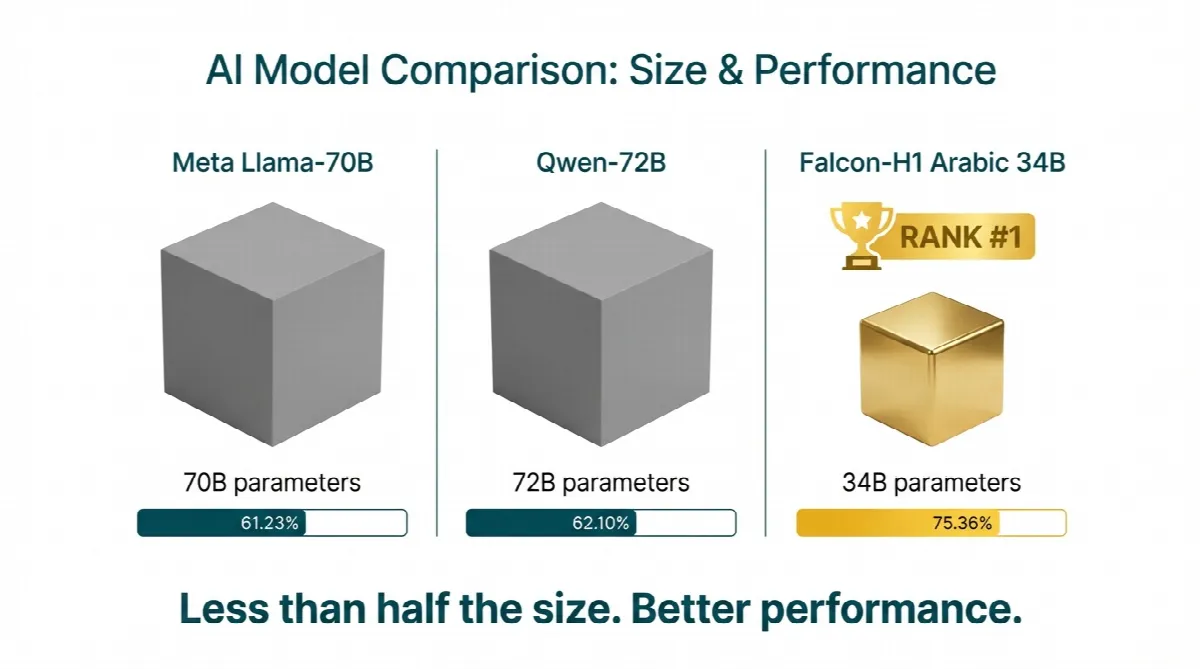
Arabic remains one of the hardest languages for artificial intelligence to model accurately. Words change function based on subtle shifts. Word order is flexible. Everyday communication involves switching between dialects and Modern Standard Arabic constantly.
Global systems trained mainly on English often struggle with this reality. Research in Communications of the ACM notes that Arabic lacks large, high-quality annotated datasets—especially for dialects and informal speech. This leaves most AI systems undertrained for actual usage.
The result shows up daily. Education platforms, customer service bots, government digital services, and healthcare chatbots all perform worse in Arabic than English. As AI continues transforming UAE workplaces, having tools that work properly in Arabic becomes essential.
How Falcon-H1 Arabic Beats Larger Models
The model was trained on Arabic-first datasets covering formal language, regional dialects, and culturally grounded content. This approach differs fundamentally from competitors who train primarily on English, then add Arabic support as an afterthought.
Falcon-H1 Arabic comes in three sizes:
3B Parameters: The smallest model outperforms Microsoft’s Phi-4 Mini by 10 percentage points on Arabic benchmarks.
7B Parameters: Leads its category across Arabic understanding tests.
34B Parameters: The flagship version surpasses systems more than twice its size, achieving 75.36% accuracy on comprehensive Arabic understanding evaluations.
Beyond benchmark scores, the model handles practical tasks that matter: understanding dialect phrases, reasoning in Arabic, maintaining long conversations, and interpreting context rather than translating word-by-word.
It can process up to 192,000 words in a single conversation. That’s enough to analyse entire legal contracts, academic research papers, or complete medical records without losing track of context.
What This Means for UAE Jobs and Businesses
The UAE’s AI strategy targets 20% GDP contribution by 2031, creating unprecedented career opportunities. Falcon-H1 Arabic accelerates this vision by enabling Arabic-first applications across multiple sectors.
Education: Schools can deploy AI tutors that actually understand students’ language and dialect. No more awkward translations that confuse rather than clarify.
Healthcare: Medical providers can use AI tools that respect cultural context. Patient communication improves when systems understand how Arabic speakers actually express symptoms and concerns.
Business: Companies can automate customer support without losing cultural nuance. The demand for AI professionals continues surging, with specialists who understand Arabic AI commanding premium salaries.
Government: Public services can operate chat systems in natural Arabic rather than translated English phrasing. Abu Dhabi’s digital strategy aims for AI-native government by 2027, making tools like Falcon-H1 Arabic critical infrastructure.
A Shift in Global AI Development
Arabic is spoken by more than 450 million people across over 20 countries. Yet historically, the language has been secondary in global AI development. Many major systems “support” Arabic only as an add-on to English-trained models.
Falcon-H1 Arabic was designed from the ground up with Arabic at the centre of development. This represents a fundamental shift in how regional AI can compete with global tech giants.
Faisal Al Bannai, Adviser to the UAE President and Secretary-General of the Advanced Technology Research Council, said the achievement enables Arabic-speaking communities to benefit from “innovation that is accessible, relevant, and impactful.”
TII’s Falcon models have consistently ranked first in their categories since 2023. The H1 Arabic release continues that trajectory while filling a longstanding gap: an AI foundation model built specifically for Arabic speakers rather than adapted from English.
Try Falcon-H1 Arabic Now
Falcon-H1 Arabic is freely available at chat.falconllm.tii.ae. Developers, startups, researchers, media organisations, and public-sector institutions can build Arabic AI applications that work as fluently in Arabic as mainstream tools do in English.
For professionals looking to enter the AI sector, understanding Arabic-first AI development opens doors that English-only expertise cannot. The UAE’s position as a global AI hub continues strengthening, with Abu Dhabi leading breakthrough research.
Frequently Asked Questions
What is Falcon-H1 Arabic?
Falcon-H1 Arabic is an artificial intelligence language model developed by Abu Dhabi’s Technology Innovation Institute. It ranks first globally for Arabic language understanding and comes in three sizes (3B, 7B, and 34B parameters) to suit different computing requirements.
How does Falcon-H1 Arabic compare to ChatGPT and other AI models?
Falcon-H1 Arabic outperforms Meta’s Llama-70B and China’s Qwen-72B on Arabic benchmarks despite being less than half their size. It was trained specifically on Arabic-first datasets, unlike most global AI models that treat Arabic as a secondary language.
Is Falcon-H1 Arabic free to use?
Yes. Falcon-H1 Arabic is freely available at chat.falconllm.tii.ae for developers, researchers, businesses, and public institutions to build Arabic AI applications.
What makes Arabic difficult for AI systems?
Arabic features flexible word order, words that change function based on subtle shifts, and constant switching between Modern Standard Arabic and regional dialects. Most AI systems lack sufficient training data for Arabic dialects and informal speech.
Can Falcon-H1 Arabic understand Arabic dialects?
Yes. Unlike most AI models, Falcon-H1 Arabic was trained on datasets covering both formal Arabic and regional dialects, allowing it to understand how Arabic speakers actually communicate.
What industries benefit most from Falcon-H1 Arabic?
Education, healthcare, government services, customer support, legal services, and media organisations benefit significantly from AI that properly understands Arabic context and cultural nuance.
Further Reading
The UAE week, every Monday
The week's stories on jobs, visas, money and daily life in one short email. Unsubscribe in one click.