UAE AI Job Market: Salaries Surge Amid High Demand for Tech Talent
Explore the booming AI job market in UAE. Learn about salary trends, in-demand skills, and how companies are competing for top AI talent in 2024.
By Vadim Kouznetsov, published

As the United Arab Emirates (UAE) positions itself at the forefront of the global AI revolution, a new challenge emerges: the race to attract and retain top AI talent. With demand far outstripping supply, UAE companies are reassessing their compensation strategies, potentially making today’s mid-tier salaries for AI specialists obsolete within months.
Current Salary Landscape for AI Professionals in UAE
According to Ola Haddad, General Manager at Bayt, the current salary range for mid-level AI roles in the UAE is approximately AED 250,000 to AED 400,000 annually. However, industry experts suggest this range could soon become the starting point for negotiations, given the scarcity of qualified professionals.
“AI’s dynamic nature coupled with the scarcity of seasoned professionals who possess not just the technical know-how, but also the strategic elements to implement AI effectively, creates a competitive job market,” Haddad explains.
Factors Driving Salary Growth in AI Sector
- Talent Scarcity: There’s a clear shortage of AI specialists, particularly those with both technical expertise and strategic implementation skills.
- Project-Based Work: Many AI professionals prefer freelance consultancy roles, prompting companies to offer flexible terms.
- Government Initiatives: The UAE’s official AI policy and government-led projects are creating additional demand for AI talent.
- Private Sector Competition: Businesses are competing not just with each other but also with government entities known for better perks.
In-Demand AI Skills and Roles
- Machine Learning Engineers
- Data Scientists with AI specialization
- AI Research Scientists
- Natural Language Processing (NLP) Specialists
- Computer Vision Engineers
- AI Ethics and Governance Experts
UAE’s AI Landscape: Beyond Salaries
The UAE’s commitment to AI goes beyond attractive salaries:
- Data Center Investments: The country is constructing some of the world’s largest data centers to support AI infrastructure.
- Hardware Focus: There’s an increasing emphasis on specialized hardware like GPUs for AI workloads.
- Semiconductor Production: Efforts are underway to reduce dependency on foreign suppliers for critical AI components.
Hyther Nizam, President – MEA at Zoho Corp, notes,
“The UAE is investing in constructing some of the world’s largest data centers. Governments in the region are already taking steps towards local semiconductor production, aiming to reduce dependency on foreign suppliers and achieve technological independence.”
Strategies for Attracting and Retaining AI Talent
UAE companies are employing various strategies to secure top AI talent:
- Competitive Base Salaries: Offering salaries at the higher end of the current range.
- Performance Bonuses: Implementing substantial bonus structures tied to project success.
- Equity Offerings: Some startups and tech companies are offering stock options or equity packages.
- Continuous Learning Programs: Investing in ongoing training and development for AI professionals.
- Flexible Work Arrangements: Offering remote or hybrid work options to attract global talent.
- Visa Support: Assisting with long-term visas or potential paths to citizenship for exceptional talent.
The Government’s Role in Shaping the AI Job Market
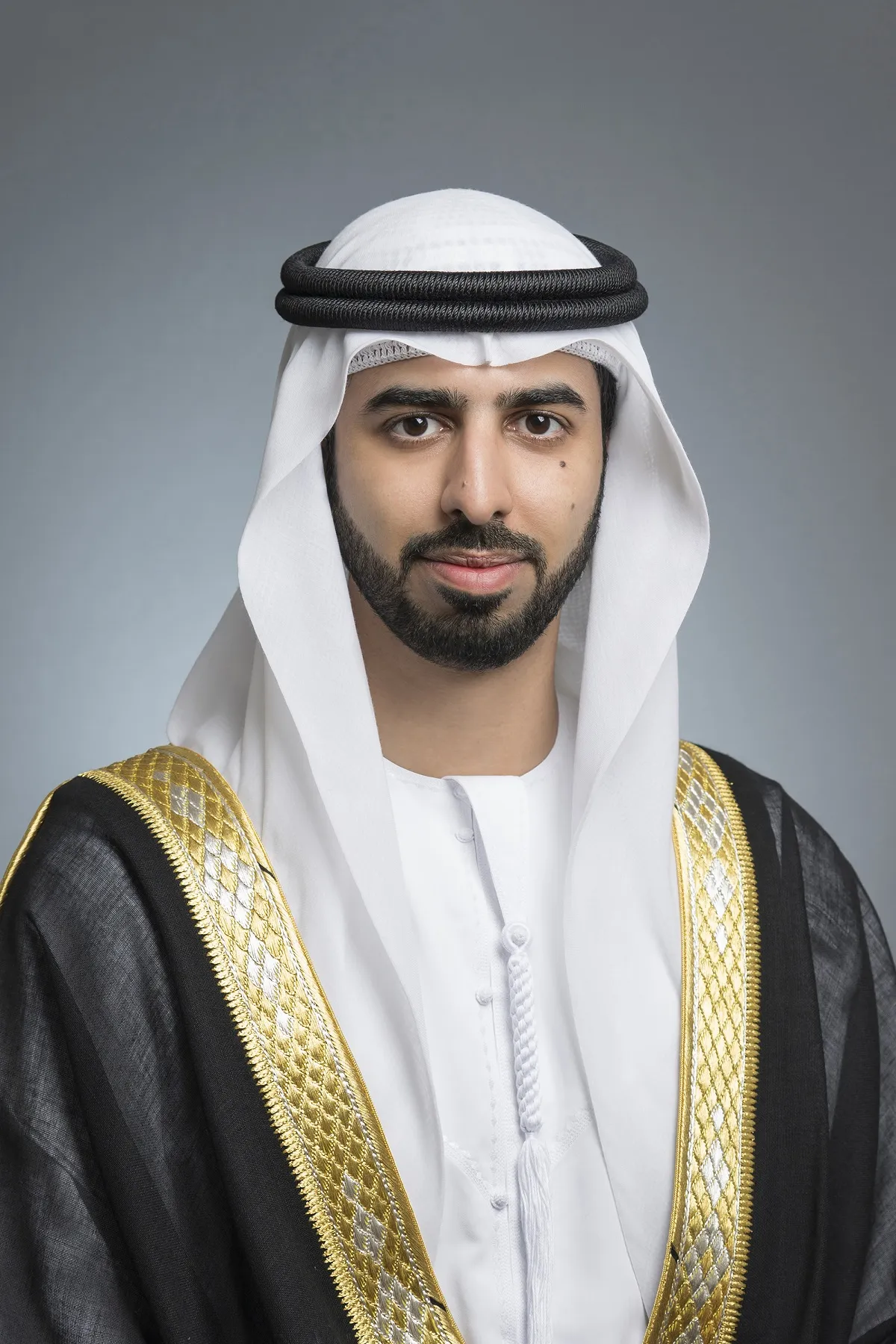
Omar Sultan Al Olama, Minister of State for AI, Digital Economy, and Remote Work Applications, highlights the UAE’s global leadership: “The UAE has become a significant player in the global governance of AI, actively contributing to international policy discussions and helping define the standards and frameworks that will shape the future of AI.”
This governmental push is creating additional opportunities and driving up demand for AI professionals across various sectors.
Future Outlook: AI Job Market in UAE
As we look towards 2025, several trends are likely to shape the AI job market in the UAE:
- Salary Inflation: Continued scarcity of top talent may lead to further increases in compensation packages.
- Specialization Premium: Professionals with niche AI skills (e.g., AI ethics, federated learning) may command even higher salaries.
- Cross-Industry Demand: AI roles are expected to proliferate beyond tech into finance, healthcare, and energy sectors.
- Education and Training Focus: Increased investment in AI education to build a local talent pipeline.
- Global Talent Attraction: More aggressive international recruitment efforts to fill the talent gap.
Conclusion: Navigating the AI Talent Landscape in UAE
As the UAE continues its ambitious journey to become a global AI hub, the job market for AI professionals remains dynamic and highly competitive. Companies must stay agile, offering not just attractive salaries but comprehensive packages that include professional development, cutting-edge projects, and a supportive work environment.
For AI professionals, the UAE presents an unprecedented opportunity to work on groundbreaking projects with potentially lucrative compensation. As the market evolves, staying updated on the latest AI trends and continuously upskilling will be crucial to maximizing career potential in this burgeoning field.
The coming years will likely see a continued upward trend in salaries and benefits for AI roles in the UAE, reflecting the critical importance of these skills in shaping the country’s digital future. For both employers and job seekers in the AI sector, staying informed and adaptable will be key to success in this rapidly evolving landscape.
The UAE week, every Monday
The week's stories on jobs, visas, money and daily life in one short email. Unsubscribe in one click.