UAE Teachers AI Assessment: Preparing Educators for Digital Future
Thousands of UAE teachers undergo AI-driven skills assessment to transform teaching methods and prepare students for AI-integrated future.
By Vadim Kouznetsov, published

Thousands of UAE teachers are participating in an artificial intelligence-driven skills assessment programme this week, marking a significant shift in how educators prepare students for an AI-integrated future. Education Minister Sarah Al Amiri announced this comprehensive initiative during the ForsaTEK innovation event, highlighting the urgent need to rethink traditional teaching approaches.
AI-Driven Gap Analysis Transforms Teacher Training
Bottom Line Up Front: The UAE is conducting AI-driven assessments for thousands of teachers to bridge skills gaps and prepare educators for their evolved role as guides and mentors rather than mere information deliverers in an AI-dominated educational landscape.
The Ministry of Education has redesigned its competency framework specifically to address how educators must adapt their methods for teaching in technology-rich environments. This week’s assessment represents the practical implementation of that strategic vision, providing data-driven insights into current teaching capabilities and areas requiring development.
Minister Al Amiri explained that educators can no longer function simply as knowledge deliverers since information has become universally accessible. Instead, teachers must transform into skill enhancers, guides, and mentors who help students develop critical thinking, ethical reasoning, and practical problem-solving abilities.
Traditional Classroom Models Struggle with Tech-Native Students
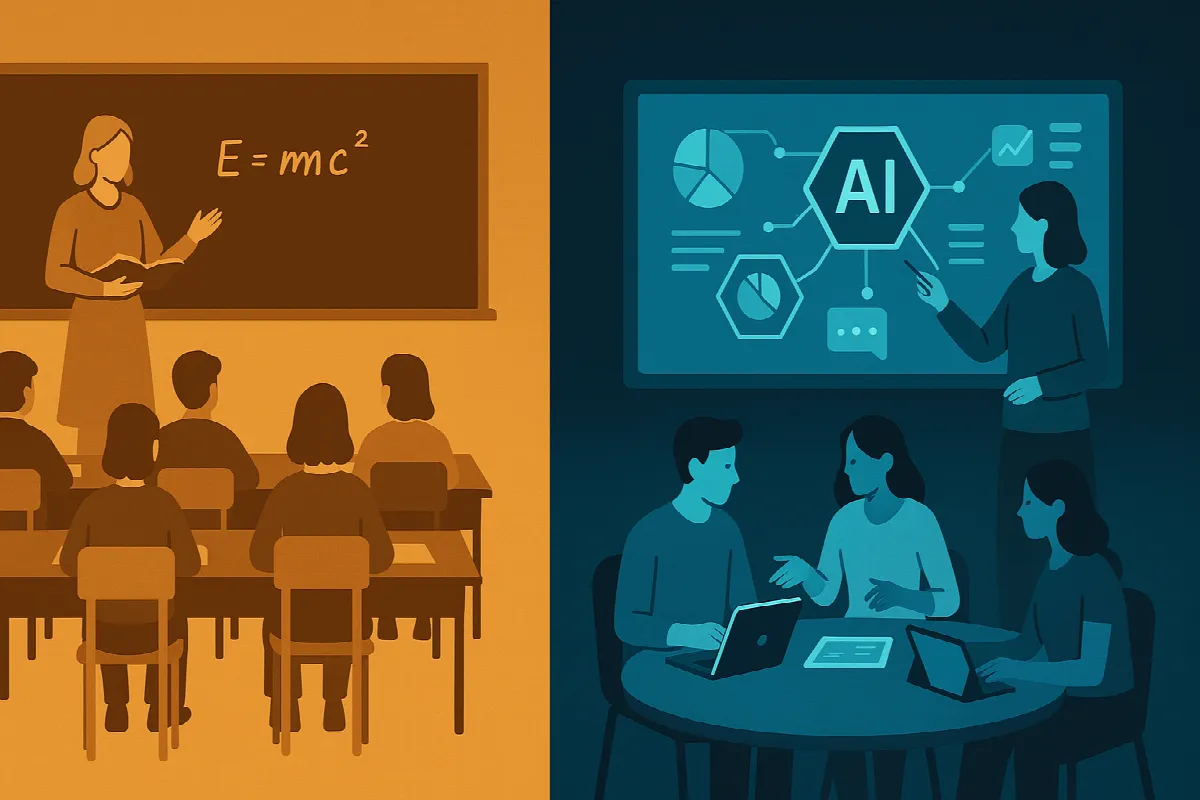
Upper-grade students transitioning into university present particular challenges for traditional teaching methods. These technology-native learners require different approaches to maintain engagement and motivation for learning.
The assessment programme specifically addresses this disconnect by identifying how teachers can better connect with students who have grown up surrounded by digital technologies. This demographic shift has contributed to fewer young people aspiring to become educators, creating additional recruitment challenges for the education sector.
Research indicates that passive consumption of AI outputs can significantly weaken students’ critical thinking capabilities. The assessment programme aims to help teachers recognise and prevent this outcome through more interactive teaching strategies.
Critical Thinking Skills Under Threat from AI Dependency
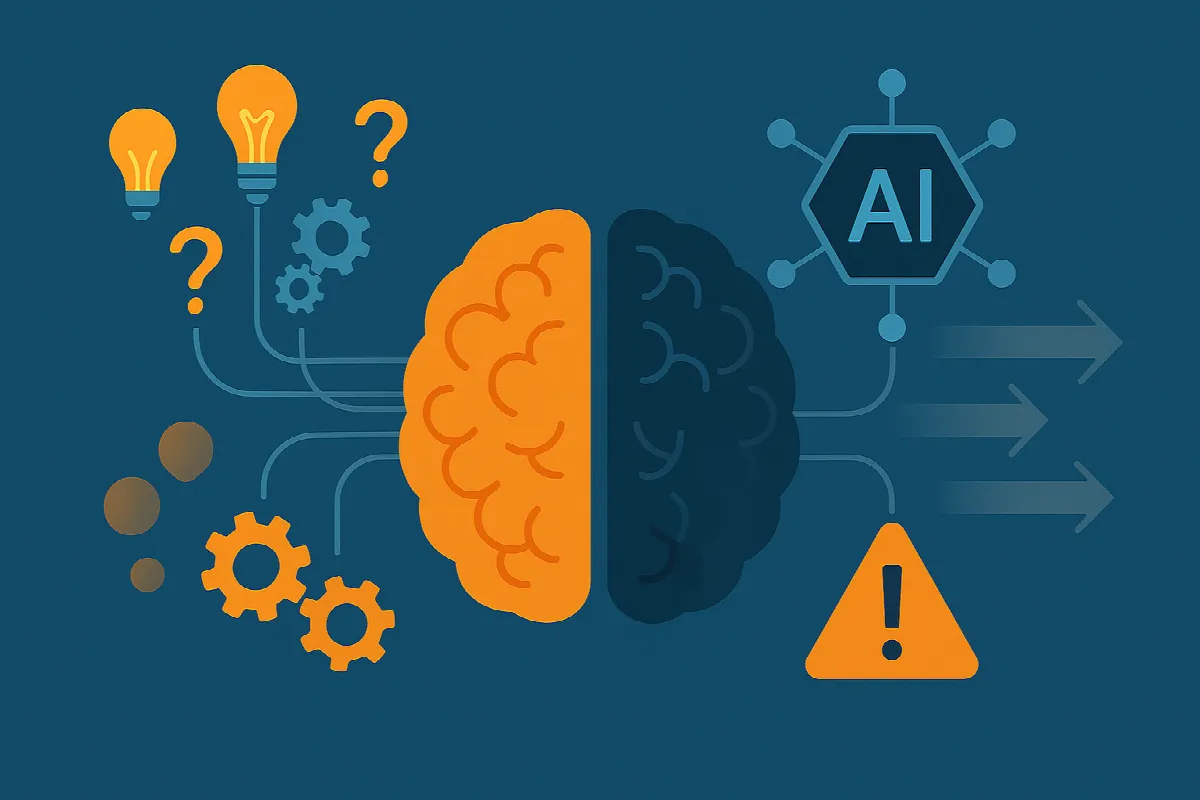
Minister Al Amiri warned that unrestricted AI usage in education could severely impact cognitive development, particularly affecting reasoning and problem-solving abilities. Students who become passive consumers of AI-generated content risk developing superficial learning patterns that prioritise answers over understanding processes.
The assessment programme addresses this concern by helping teachers identify when and how to integrate AI tools appropriately whilst maintaining student engagement with learning processes. Teachers must learn to guide students in understanding when to use AI tools and, equally importantly, when to avoid them.
Studies already demonstrate measurable impacts on cognitive development from excessive AI dependency. The UAE’s proactive approach aims to prevent these negative outcomes through strategic teacher training and assessment.
Empowering Educators Rather Than Replacing Them
The UAE’s approach explicitly focuses on empowering rather than replacing teachers with AI technology. The assessment programme identifies specific areas where human educators remain irreplaceable whilst highlighting opportunities for AI to enhance rather than substitute teaching capabilities.
Al Amiri emphasised that the human relationship between educator and learner remains fundamental even in AI-rich environments. Effective modern educators help students develop deeper reasoning, build confidence for questioning and exploration, and cultivate ethical responsibility in technology usage.
The programme recognises that teachers who understand technological systems become better guides for students. When educators grasp the logic and mechanics behind AI tools, they can help students develop proper judgment, adaptability, and error recognition skills.
Skills Such as Reasoning and Ethics Remain Essential
The assessment focuses on developing teachers’ abilities to nurture skills that remain fundamentally human: reasoning, curiosity, resilience, and ethical judgment. These capabilities prove essential not only in education but across all professional sectors including aviation, finance, and technology.
Teachers must learn to help students understand not just how to use technological tools, but when and why to use them appropriately. This requires developing sophisticated judgment about technology application and helping students recognise limitations and potential risks.
The programme emphasises that technological literacy involves much more than operational knowledge. Students need to develop critical evaluation skills that help them assess AI outputs, recognise biases, and maintain independent thinking capabilities.
Data Analytics Support Smart Educational Decisions
The UAE is simultaneously revamping its educational data collection and analytics systems to support AI-driven decision-making across all levels of the education system. This infrastructure improvement complements the teacher assessment programme by providing ongoing feedback and support.
Enhanced data analytics enable more precise identification of learning gaps, teaching effectiveness, and student progress patterns. Teachers benefit from real-time insights that help them adjust methods and focus attention where needed most.
The combination of teacher assessment and improved analytics creates a comprehensive support system for educational improvement that extends beyond individual classrooms to system-wide optimisation.
Teacher Role Evolution Reflects Economic Development Focus
The transformation of teacher roles aligns with the UAE’s broader economic development strategy that positions technology as a cornerstone of future growth. Educators play crucial roles in preparing the workforce for an economy increasingly dependent on technological innovation.
As international professionals continue migrating to the UAE for its growing tech ecosystem and high living standards, the education system must prepare local students to compete effectively in this global talent marketplace. Teacher development becomes essential for maintaining educational competitiveness.
The assessment programme supports the UAE’s vision of becoming a leading knowledge economy by developing educators capable of nurturing the critical thinking and ethical reasoning skills that distinguish human workers from AI systems.
Key Takeaway
The UAE’s AI-driven teacher assessment programme represents a forward-thinking approach to educational transformation that prioritises human skills while leveraging technology strategically. By helping thousands of educators evolve from information deliverers to critical thinking guides, the initiative prepares students for a future where success depends on reasoning, ethics, and judgment rather than passive consumption of AI outputs. This comprehensive approach to teacher development supports the UAE’s broader vision of becoming a global leader in both technology and education whilst maintaining the irreplaceable human elements that drive meaningful learning.
Further Reading
The UAE week, every Monday
The week's stories on jobs, visas, money and daily life in one short email. Unsubscribe in one click.