ADNOC expands AI across operations with 70 robotics use cases
ADNOC says it now has more than 200 AI applications and 70 robotics use cases across energy operations. For UAE workers, that points to more training, safer site work and changing skill needs.
By Vadim Kouznetsov, published
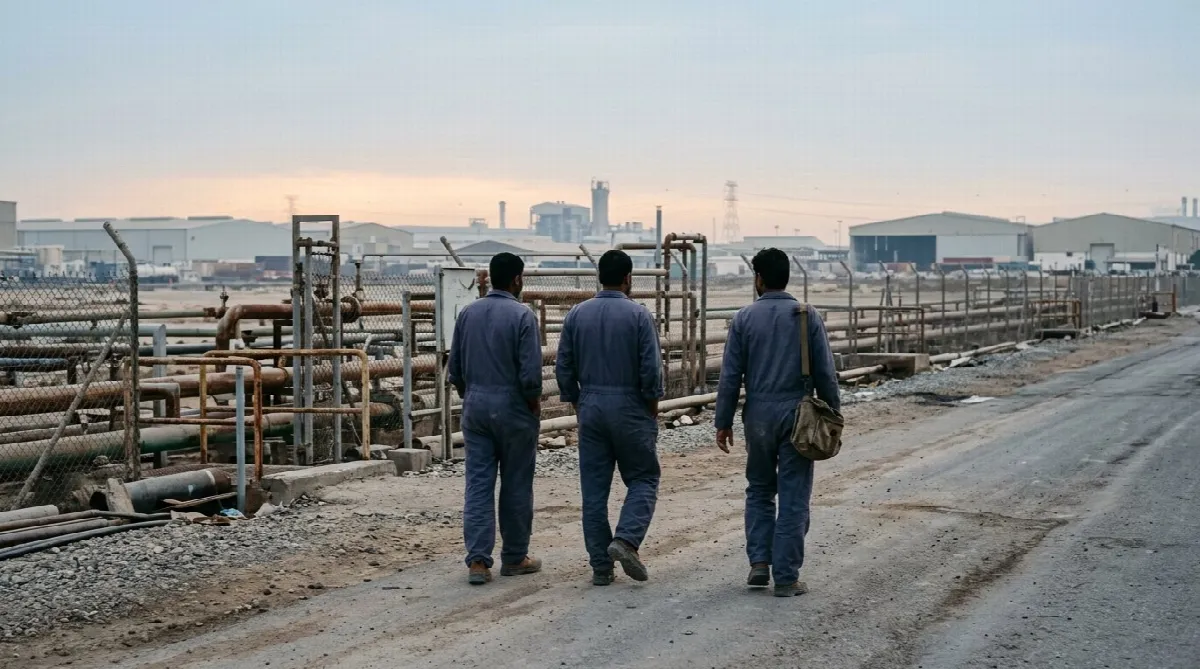
ADNOC says it is expanding ADNOC AI and robotics across its energy operations, with more than 200 AI applications and 70 robotics use cases already deployed or in development. Speaking at ADIPEC 2026 on 4 November, executives said the shift should improve production and safety, and for UAE workers it points to more AI training, more automation in risky tasks and a growing need for people who can combine engineering and digital skills.
According to Khaleej Times, Tayba Al Hashmi, CEO of ADNOC Offshore, said the company has also rolled out thousands of AI agents built by its own employees. That matters because ADNOC says it wants AI used in day-to-day operations, not kept inside specialist tech teams.
ADNOC AI and robotics: the numbers to know
Here are the main figures shared at ADIPEC:
| Area | Figure |
|---|---|
| AI applications across ADNOC operations | more than 200 |
| Robotics use cases deployed or under development | 70 |
| Employees who received AI training in the past 2 years | more than 40,000 |
Al Hashmi said AI is already helping ADNOC improve production, predict likely equipment failures and make operations more efficient.
At ADNOC Offshore, an intelligent operating centre uses AI to monitor activity and help frontline teams spot possible issues before they affect output. The aim is to give engineers earlier warnings, reduce disruption and bring data-backed decisions closer to the people running offshore assets.
ADNOC also announced a multi-year agreement at ADIPEC with OpenAI and G42 to connect AI-led decision-making across production, processing, logistics, sales and trading. That suggests AI will be used across more parts of the business, rather than as a stand-alone tool.
What ADNOC AI and robotics means for workers
The clearest signal for employees is training. Al Hashmi said more than 40,000 employees have received AI training over the past 2 years, and staff are being encouraged to test the technology, build solutions and improve existing operations.
For job seekers, the comments point to stronger demand for mixed skill sets. Al Hashmi said AI works best when engineers and energy specialists build it with AI developers, because people who understand physical equipment and industrial systems are needed to introduce these tools safely at scale.
That does not mean AI is taking over final decisions. ADNOC said AI will support operational decisions, but people will still hold the responsibility for how it is used.
If you are tracking energy and industrial tech roles, it may help to keep an eye on JobXDubai Jobs. This wider shift is already visible elsewhere in the country, including how UAE AI agents cut legal case reviews from days to hours in another public sector workflow.
Robots, drones and safer site work
ADNOC has previously outlined robotics uses in drilling, production, infrastructure, logistics and shipping. Its robots and drones are being developed for facility inspections, pipeline monitoring, emissions detection and work in hazardous environments.
In May, the company announced a heavy-duty inspection robot at its Taweelah Gas Compression Plant. Equipped with thermal cameras and sensors, it can inspect industrial areas on its own and help engineers identify possible gas leaks, unusual hot spots and other hazards without sending workers into those areas.
ADNOC has also been developing a heavier-duty operator robot that can handle equipment, turn valves and operate gauges. Those are tasks that would usually require personnel to enter potentially dangerous zones.
For workers on industrial sites, that could mean fewer manual checks in high-risk areas and more oversight from control centres. It also fits a wider pattern of investment in advanced energy operations in Abu Dhabi, including the Baker Hughes advanced manufacturing hub in Abu Dhabi.
Cybersecurity is becoming part of operational work
The source also highlights a growing risk. Olivier Le Peuch, chief executive of SLB, said one of the main concerns is the security and reliability of the data feeding AI systems, especially as companies develop specialised models for industrial processes.
Jeff Miller, chief executive of Halliburton, said cyber risk is no longer just an office IT issue. He warned that it now affects operational technology, meaning the systems used to monitor and control equipment and processes.
For workers, that means digital safety is becoming part of site safety. As more tools connect physical equipment with AI systems, employers will need people who understand both industrial operations and how connected systems are controlled and tested. If you are deciding what to study next, our guide on how UAE professionals should pick courses may help you focus on skills you can actually use.
Key takeaway
ADNOC says AI and robotics are moving deeper into everyday energy operations, with more than 200 AI applications, 70 robotics use cases and more than 40,000 employees trained. For UAE workers, the message is clear: expect more AI inside operational jobs, more safety automation in hazardous work and continued human responsibility for decisions.
FAQ
How many AI applications does ADNOC have?
According to Al Hashmi, ADNOC has more than 200 AI solutions across its operations. The company also has 70 robotics initiatives deployed or under development.
Is ADNOC replacing workers with AI?
The source does not say that. ADNOC executives said AI will support operational decisions, but final responsibility will remain with people, and the company has been training employees to use the tools.
What are ADNOC robots being used for?
ADNOC says robotics applications cover drilling, production, infrastructure, logistics and shipping. Specific uses mentioned include facility inspections, pipeline monitoring, emissions detection, valve turning and gauge operation in hazardous areas.
Has ADNOC trained staff in AI?
Yes. Al Hashmi said more than 40,000 employees have received AI training over the past 2 years, and workers are being encouraged to experiment with AI and develop their own solutions.
Why are energy companies worried about AI cybersecurity?
Industry executives said AI creates new weak points if the data feeding the systems is not trusted or properly controlled. They also warned that cyber risks now affect operational technology, not just corporate IT networks.
Further reading
The UAE week, every Monday
The week's stories on jobs, visas, money and daily life in one short email. Unsubscribe in one click.