UAE Summer Electricity Bills Soar: How to Cut Costs in 50°C Heat
UAE residents face doubled electricity bills as temperatures hit 50°C. Learn how to reduce DEWA costs with energy-saving tips and smart monitoring tools.
By Vadim Kouznetsov, published
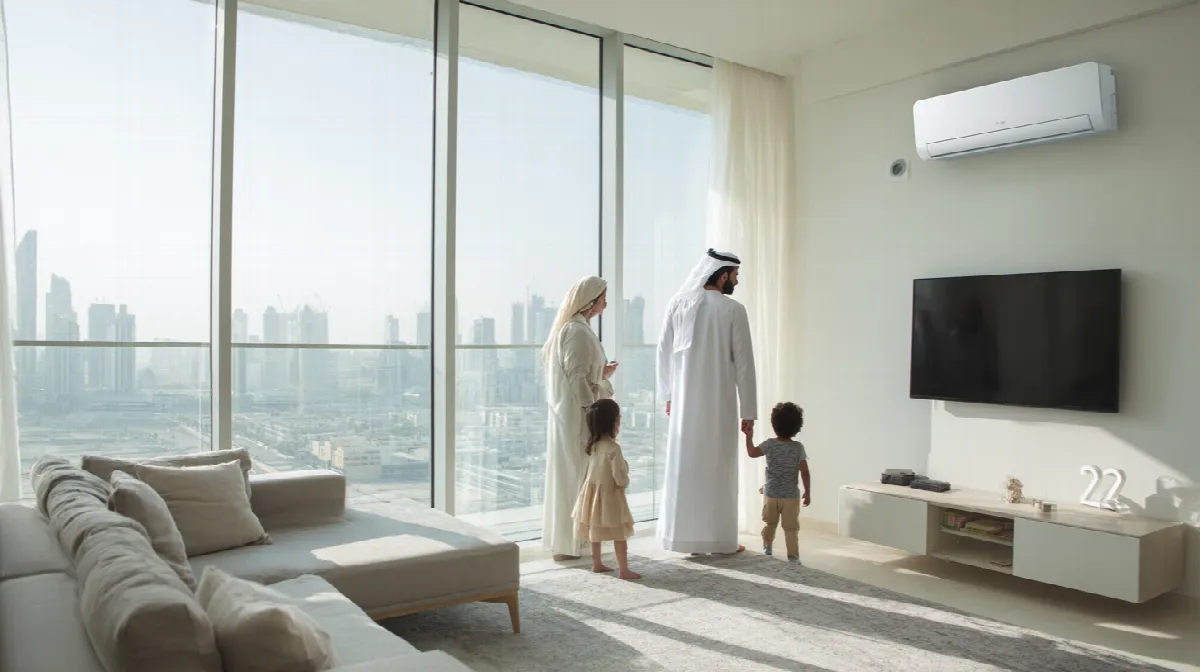
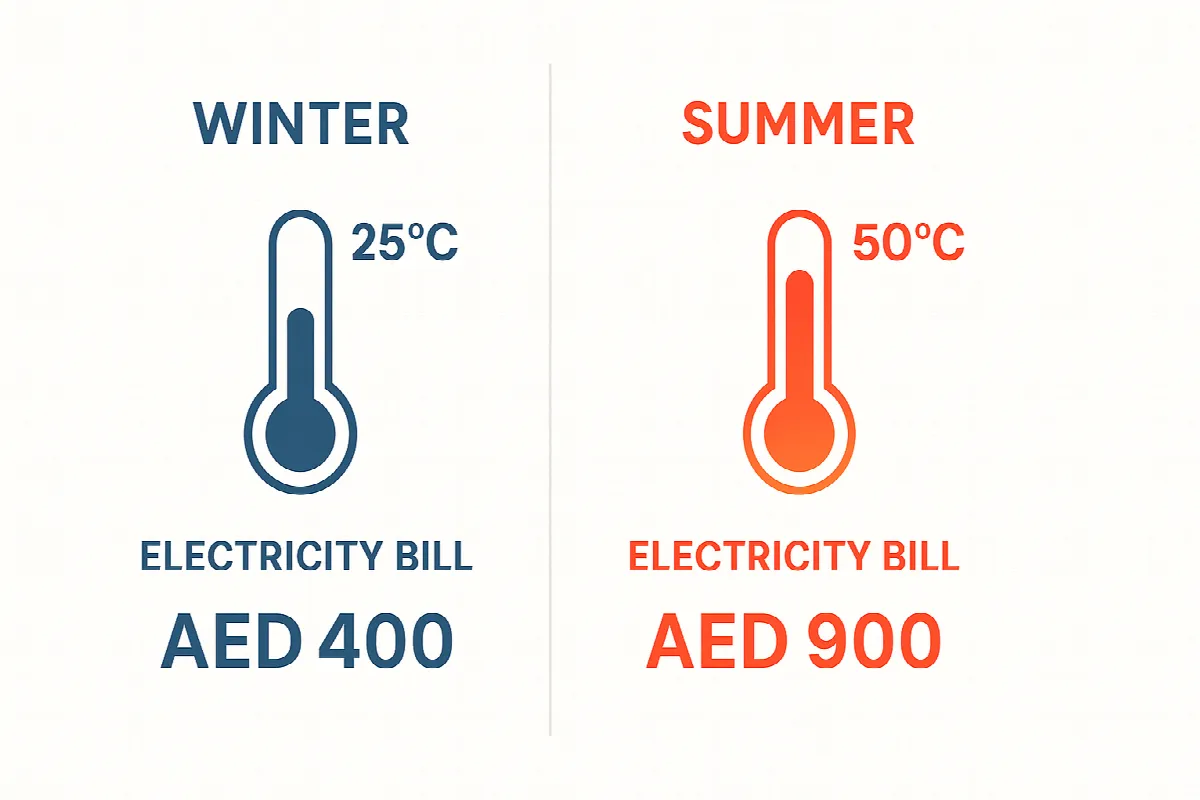
Key Takeaway: UAE residents report electricity bills doubling or tripling during summer 2025, with some bills jumping from AED 400 to over AED 1,000 monthly due to increased air conditioning usage as temperatures reach 40-50°C across Dubai, Sharjah, and Abu Dhabi.
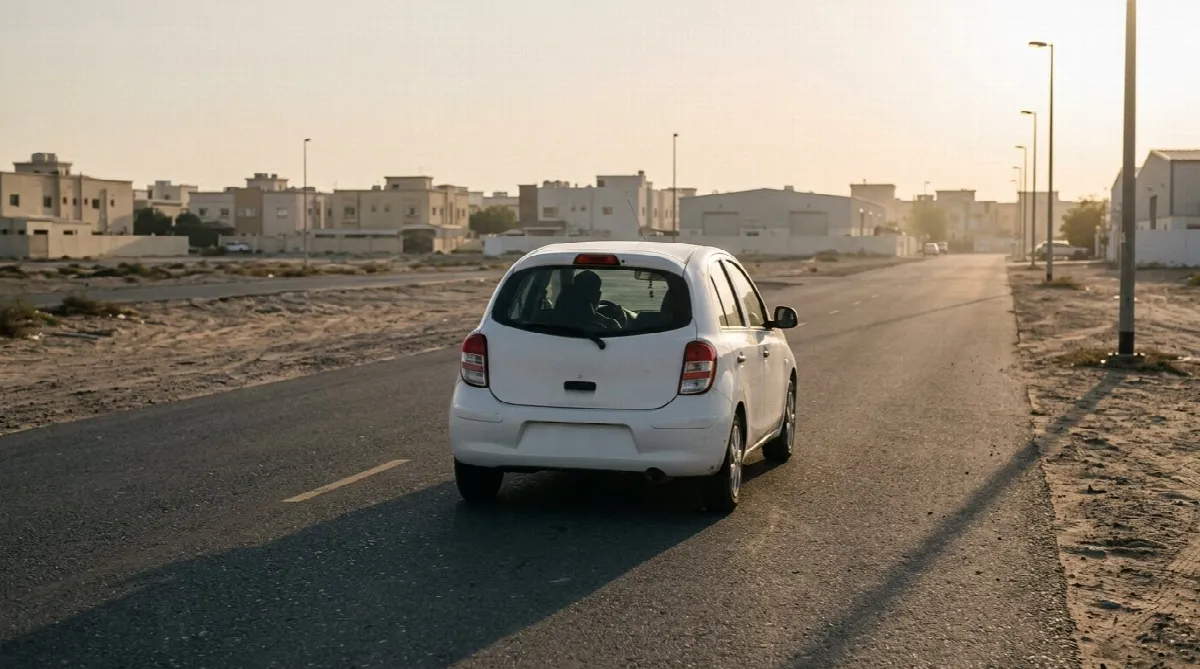
As scorching temperatures between 40-50°C grip the UAE, residents across Dubai, Sharjah, and Abu Dhabi are experiencing dramatic increases in their monthly electricity bills. The combination of record-breaking heat and prolonged air conditioning usage has created financial strain for many households, with some utility bills more than doubling compared to winter months.
Record Heat Drives Electricity Consumption Surge
May 2025 was the warmest in over 20 years, with the National Centre of Meteorology (NCM) reporting average maximum temperatures reaching 40.4 degrees Celsius, above the historical average of 39.2 degrees recorded between 2003 and 2024. This extreme heat has forced residents to rely heavily on air conditioning systems, dramatically increasing their electricity consumption.
The impact on household budgets has been substantial. Shyam S., an Indian resident of a two-bedroom apartment in Al Nahda, Dubai, reported his DEWA bill rising from an average of AED 350-400 in winter to AED 927 last month. Similarly, Fatima K., a homemaker on Hamdan Street in Abu Dhabi, saw her electricity bill increase from AED 450 to AED 1,100 in just two months.
Air Conditioning Usage Patterns Change Dramatically
The shift in cooling requirements has been particularly pronounced in households that previously relied on minimal air conditioning. Fatima K. explained that air conditioning was rarely used in winter, with table fans or open windows being sufficient, but now central cooling is used continuously.
For residents with central air conditioning systems, the challenge becomes even more complex. Egyptian expat Mohammed Amr reported his electricity bill increasing from AED 310 in March to AED 780 in May, noting that his central AC system cools the entire apartment even when only one room is in use. This inefficiency has prompted many to consider moving to apartments with individual room controls.
Summer Heat Wave Breaking Temperature Records
The UAE is experiencing what meteorologists describe as an exceptionally intense heat wave. Temperatures have already exceeded 50°C in some parts of the UAE, with experts predicting even more extreme conditions in the coming weeks. This year’s heat wave is expected to break records in both intensity and duration, posing significant challenges for residents.
The combination of high temperatures and humidity creates an even more challenging environment. Coastal areas particularly experience high humidity levels during June, dramatically affecting how hot the weather actually feels, with the heat index often exceeding the actual thermometer reading.
Appliance Usage Increases Across All Categories
Beyond air conditioning, residents report increased usage of various household appliances. Shyam S. noted that washing machines and irons are used more regularly due to the need to wash clothes daily. The summer heat necessitates more frequent laundry cycles and clothing changes, adding to overall electricity consumption.
Kitchen appliances also see increased usage as residents adjust their routines. Some households are storing more food in refrigerators during summer while reducing dishwasher usage to manage consumption. These behavioural changes reflect residents’ attempts to balance comfort with cost control.
DEWA’s Energy-Saving Recommendations
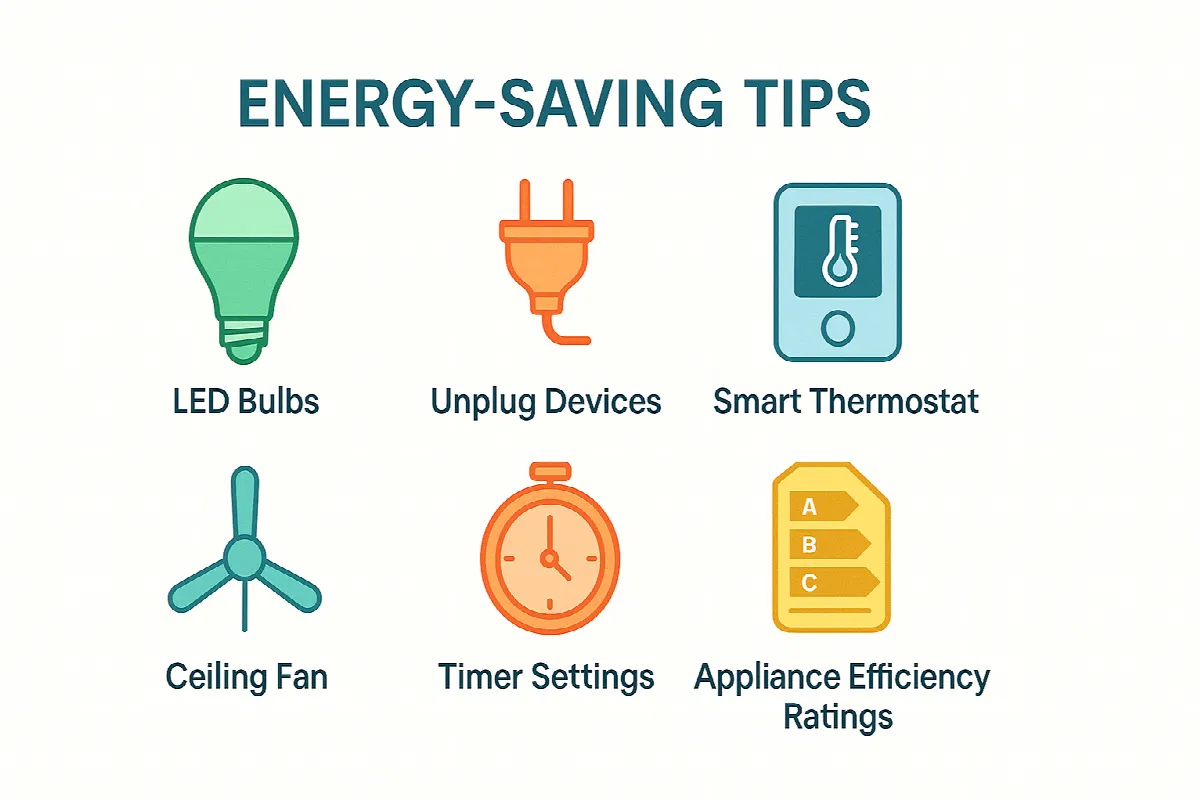
The Dubai Electricity and Water Authority provides comprehensive guidance for reducing summer electricity consumption. Key recommendations include:
Air Conditioning Optimisation
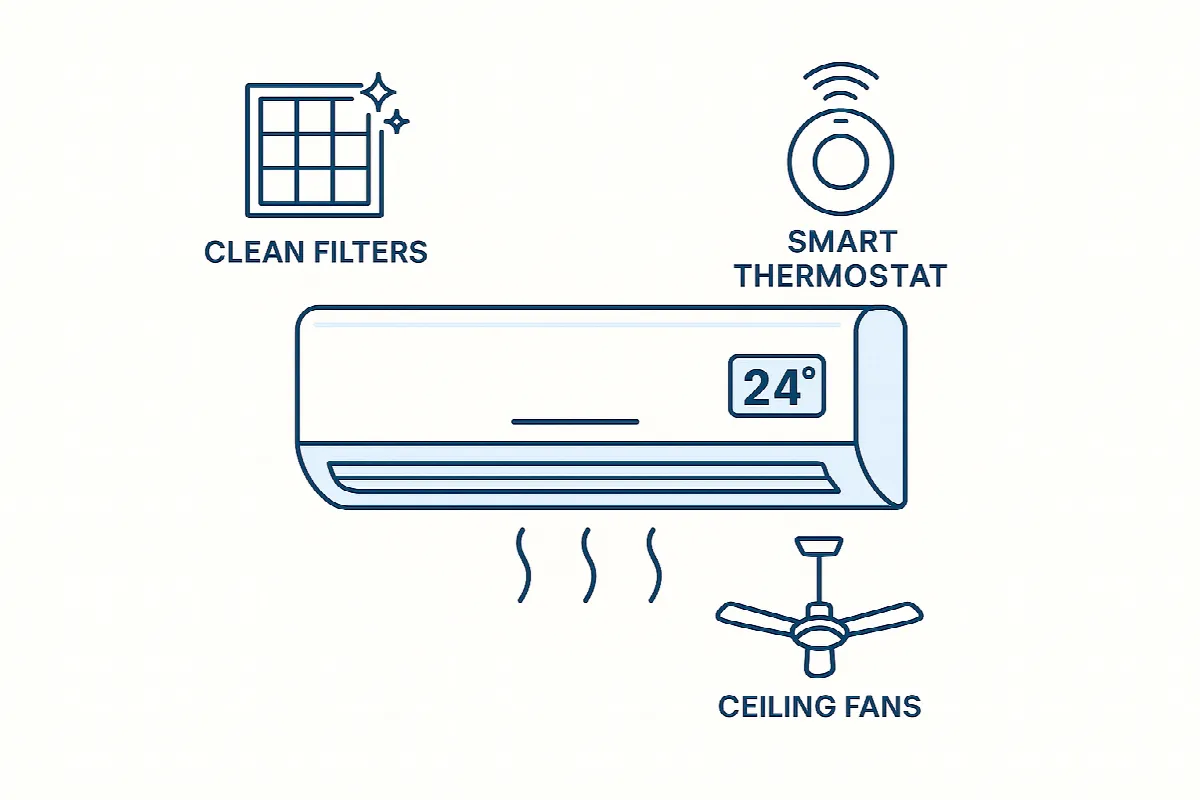
- Set thermostats to 24°C – DEWA identifies this as the optimal temperature for comfort and efficiency
- Regular filter maintenance – Clean filters prevent units from working harder and consuming more power
- Proper ventilation control – Keep doors and windows closed when AC operates
- Strategic fan usage – Ceiling or pedestal fans help circulate cool air, reducing need for lower AC settings
Smart Technology Integration
- Install smart thermostats – Automatic temperature adjustments based on occupancy schedules
- Use timer functions – Programme cooling systems to operate during optimal hours
- Away mode activation – DEWA’s digital tools allow remote monitoring and control
Lighting and Appliance Management
- LED bulb conversion – Significantly lower power consumption compared to traditional lighting
- Strategic appliance timing – Run heavy appliances during non-peak hours
- Standby power elimination – Unplug devices when not in use to prevent phantom energy consumption
Digital Tools for Utility Management
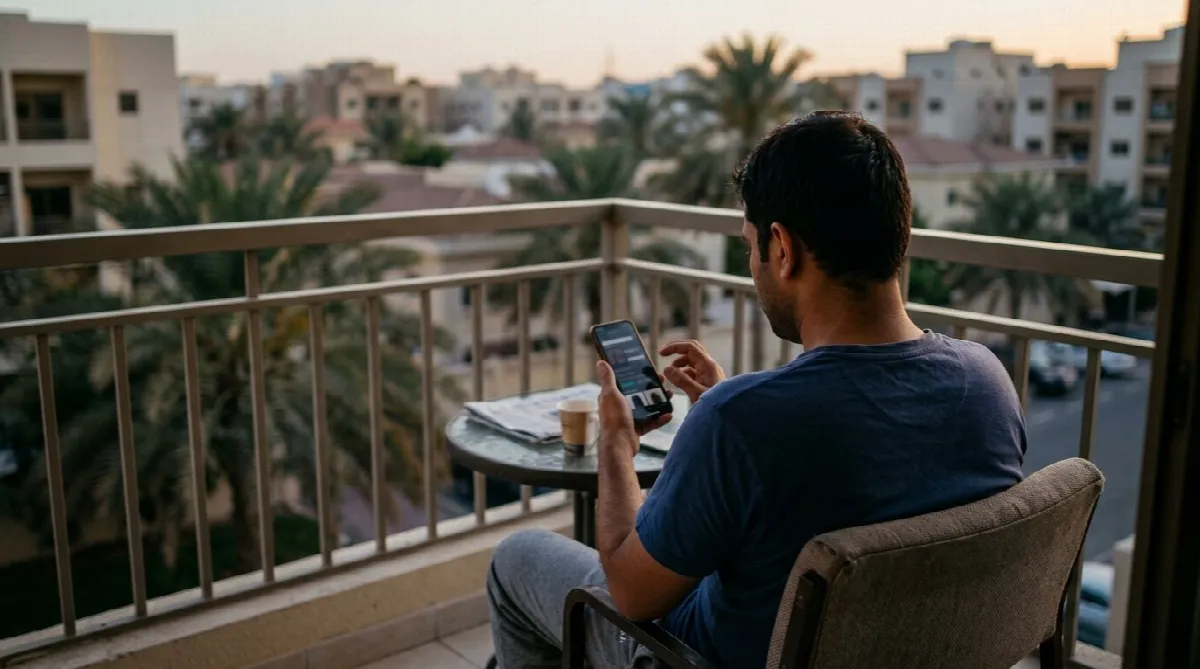
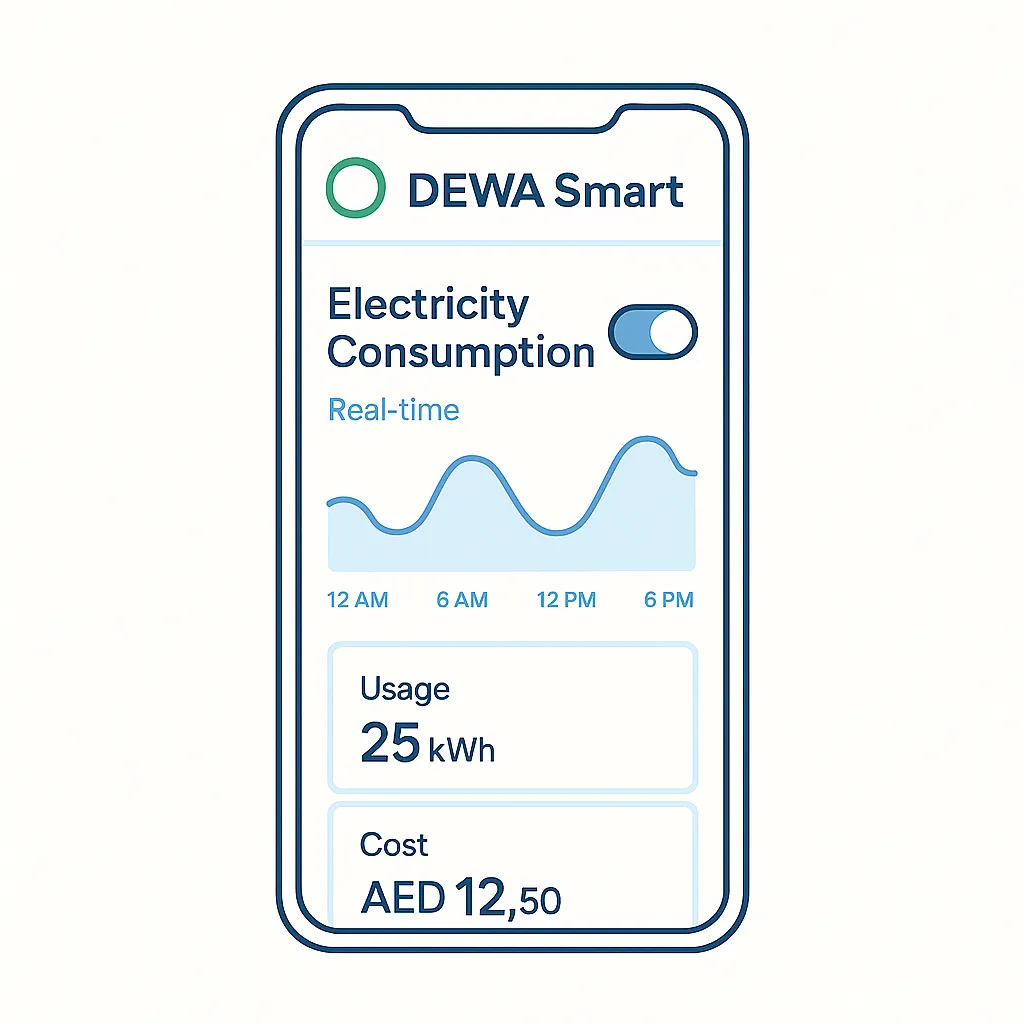
DEWA offers sophisticated digital monitoring tools through their Smart Living initiative. These free services enable residents to track consumption patterns and identify savings opportunities. The system provides real-time usage data, leak detection alerts, and consumption forecasting to help manage monthly bills effectively.
Dubai residents can access smart monitoring tools to track and reduce their DEWA costs through various digital features including Away Mode and consumption tracking.
Financial Impact on UAE Cost of Living
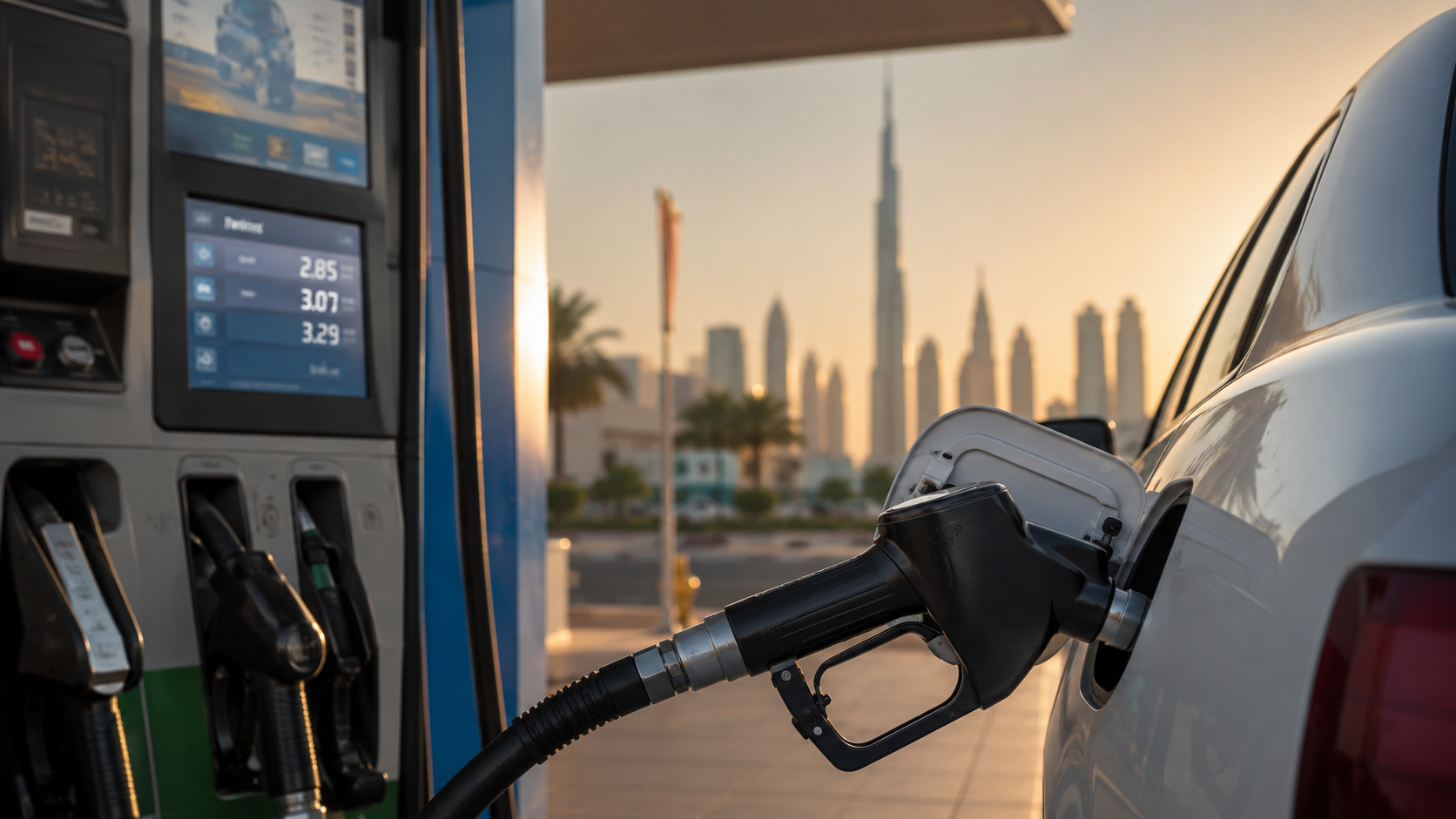
The spike in electricity bills adds to broader cost-of-living pressures facing UAE residents in 2025. Recent analysis shows various price increases affecting residents, including parking fees and toll charges, making budget management increasingly important.
For expatriates considering relocation, understanding seasonal utility costs is crucial. Comprehensive cost-of-living guides highlight that utility expenses can significantly impact monthly budgets, particularly during summer months when air conditioning becomes essential.
Long-Term Climate Considerations
Climate experts predict that extreme heat events will become more frequent and intense in the UAE. The summer season is expected to extend by a few days each year, with increased extreme weather events projected by the end of the 21st century. This trend suggests that high summer electricity bills may become a permanent feature of UAE living expenses.
Residents are adapting by investing in energy-efficient appliances, improving home insulation, and exploring renewable energy options. The UAE government’s focus on sustainability and smart city initiatives provides frameworks for managing these challenges whilst maintaining quality of life.
Planning for Summer Utility Expenses
Financial planning for UAE residents should account for seasonal electricity cost variations. Salary guides for Dubai suggest budgeting for utility costs that can fluctuate significantly between winter and summer months.
Proactive measures include setting aside additional funds during lower-consumption months, investing in energy-efficient appliances, and utilising DEWA’s digital tools to monitor usage patterns. Early preparation helps residents manage the financial impact of extreme summer temperatures.
The combination of record-breaking temperatures and increased reliance on cooling systems has created a challenging financial landscape for UAE residents. However, with proper planning, energy-efficient practices, and utilisation of available digital tools, households can mitigate some of the impact whilst maintaining comfort during the extreme heat.
Further Reading
The UAE week, every Monday
The week's stories on jobs, visas, money and daily life in one short email. Unsubscribe in one click.