QatarEnergy Orders 6 Massive LNG Carriers from China
QatarEnergy secures 6 new QC-Max LNG carriers from China, boosting its fleet to 128 vessels. Learn about Qatar’s ambitious LNG expansion plans.
By Vadim Kouznetsov, published
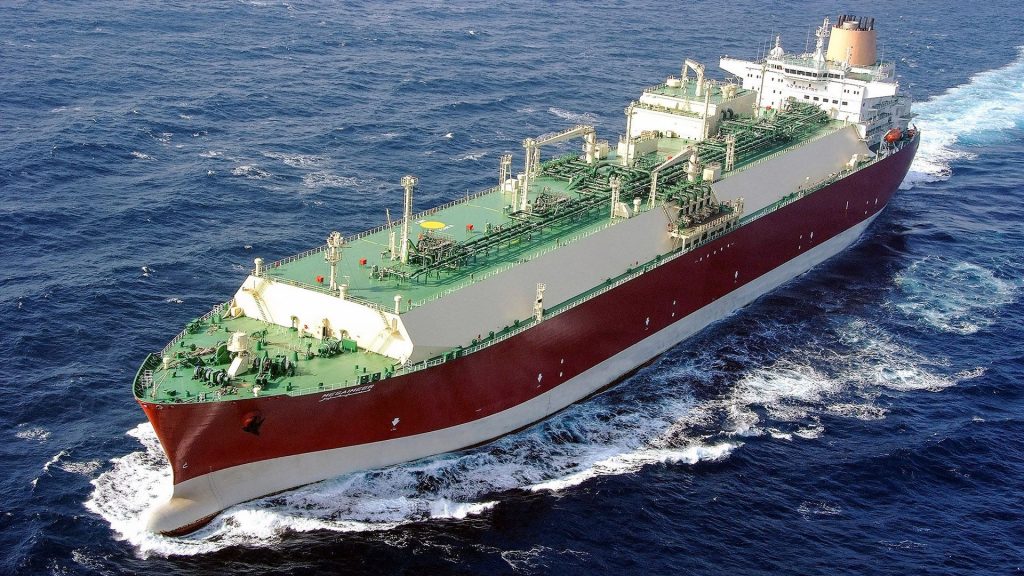
In a move that further solidifies its dominance in the liquefied natural gas (LNG) sector, QatarEnergy has inked a deal with China State Shipbuilding Corporation for six additional ultra-large LNG carriers. This latest agreement brings the energy giant’s total fleet order to an impressive 128 vessels, underscoring Qatar’s ambitious expansion strategy in the global energy market.
QC-Max: The Giants of the Seas
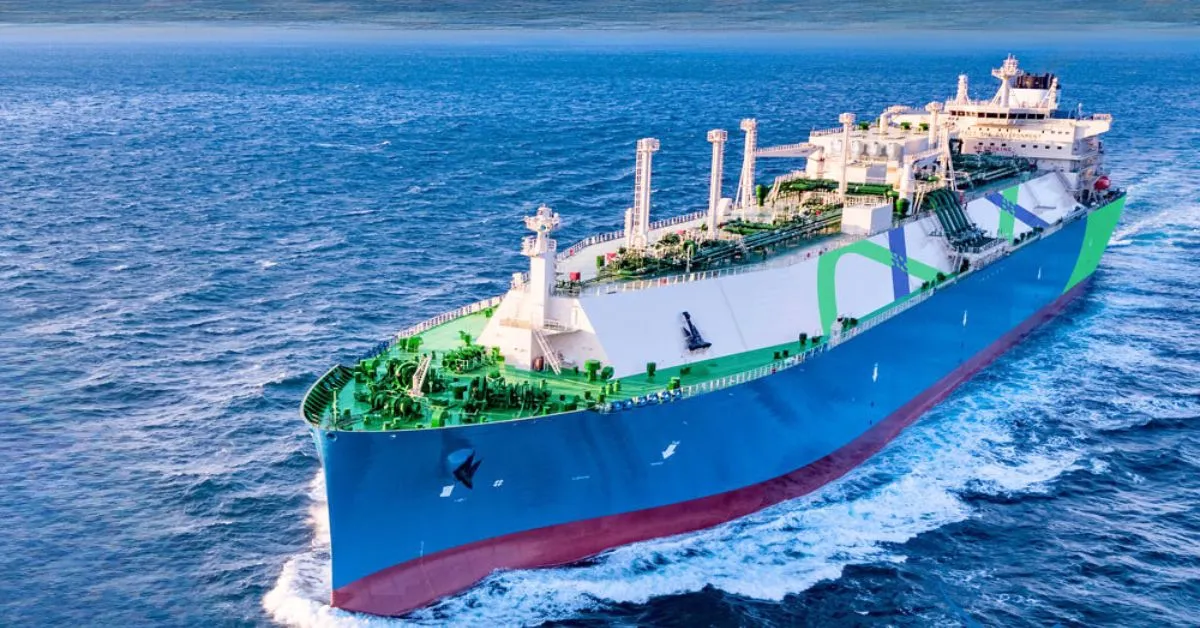
The newly ordered vessels, classified as QC-Max, are set to redefine the standards of LNG transportation. With each carrier boasting a capacity of 271,000 cubic meters, these behemoths represent the pinnacle of LNG shipping technology. The construction of these maritime marvels will take place at the renowned Hudong-Zhonghua shipyard in China, with deliveries scheduled between 2028 and 2031.
This order is not just about increasing numbers; it’s about pushing the boundaries of what’s possible in LNG transportation. The QC-Max vessels are designed to optimize efficiency, reduce environmental impact, and meet the growing global demand for cleaner energy sources.
A Strategic Move in Qatar’s LNG Expansion
QatarEnergy’s latest fleet expansion is intricately tied to the country’s North Field expansion project. This ambitious undertaking aims to catapult Qatar’s LNG production capacity from its current 77 million tons per annum to a staggering 142 million tons per annum by 2030. Such a significant increase in production necessitates a corresponding expansion in transportation capabilities, which these new carriers will provide.
With this new agreement, QatarEnergy now has 24 QC-Max vessels on order, representing a substantial investment of approximately $8 billion (29 billion Dirhams). This level of commitment underscores Qatar’s confidence in the long-term prospects of the LNG market and its determination to maintain its position as a leading global LNG exporter.
The Global Impact of Qatar’s LNG Expansion
The ramifications of Qatar’s LNG expansion extend far beyond its borders. As countries worldwide seek to transition to cleaner energy sources, LNG has emerged as a crucial bridge fuel. Qatar’s increased production and enhanced transportation capabilities will play a vital role in meeting this growing global demand.
Moreover, the partnership with China State Shipbuilding Corporation highlights the increasing interconnectedness of the global energy market. It showcases how international collaboration is key to advancing the LNG sector and meeting the world’s evolving energy needs.
Technological Advancements in LNG Shipping
The QC-Max vessels represent the cutting edge of LNG carrier technology. These ships are designed to maximize efficiency while minimizing environmental impact. Features likely include:
- Advanced propulsion systems for reduced fuel consumption
- State-of-the-art insulation to minimize LNG boil-off
- Enhanced safety features to ensure secure transportation of large LNG volumes
- Optimized hull designs for improved speed and stability
These technological advancements not only benefit QatarEnergy but also set new standards for the entire LNG shipping industry.
Economic Implications for Qatar
The massive investment in these LNG carriers is expected to yield significant economic benefits for Qatar. By expanding its LNG production and transportation capabilities, Qatar is positioning itself to:
- Increase its export revenues
- Create new job opportunities in the energy sector
- Attract further foreign investment
- Strengthen its geopolitical influence as a key energy supplier
Challenges and Opportunities
While the expansion presents numerous opportunities, it also comes with challenges. These include:
- Navigating fluctuating global energy prices
- Addressing environmental concerns associated with LNG production and transportation
- Managing the logistics of a significantly larger fleet
- Staying ahead in a competitive global LNG market
However, QatarEnergy’s strategic planning and substantial investments indicate its readiness to tackle these challenges head-on.
The Future of Qatar’s LNG Industry
As Qatar moves forward with its North Field expansion and fleet enlargement, the future of its LNG industry looks promising. The country is not just increasing its production capacity but also enhancing its ability to deliver LNG to markets around the world efficiently and reliably.
This expansion is likely to have far-reaching effects on global energy dynamics, potentially influencing:
- International energy prices
- Global efforts to reduce carbon emissions
- Energy security for importing nations
- The competitive landscape of the LNG market
Conclusion
QatarEnergy’s order of six new QC-Max LNG carriers from China marks another significant step in Qatar’s journey to reinforce its position as a global LNG powerhouse. This move, part of a broader strategy encompassing the North Field expansion and a massive fleet buildup, demonstrates Qatar’s commitment to meeting the world’s growing energy needs.
As these gigantic vessels take to the seas in the coming years, they will not only carry liquefied natural gas but also Qatar’s ambitions to shape the future of global energy. The implications of this expansion will resonate across the energy sector, influencing markets, driving technological innovation, and playing a crucial role in the global transition to cleaner energy sources.
For industry watchers and energy enthusiasts, Qatar’s LNG expansion offers a fascinating glimpse into the future of global energy dynamics. As we move towards 2030 and beyond, all eyes will be on Qatar as it navigates the challenges and opportunities of its bold LNG strategy.
The UAE week, every Monday
The week's stories on jobs, visas, money and daily life in one short email. Unsubscribe in one click.