UAE Bank Scams Alert: 8 Fraud Types to Watch Out for in 2024
Learn about 8 prevalent banking scams in the UAE and how to protect yourself. Stay informed and safeguard your finances with these essential tips.
By Vadim Kouznetsov, published

In today’s digital age, financial security is paramount. As UAE residents increasingly rely on online banking and digital transactions, scammers are devising ever more sophisticated methods to exploit unsuspecting victims. To help you stay one step ahead, we’ve compiled a comprehensive guide to the eight most common banking scams currently targeting UAE residents. By understanding these threats and following our practical tips, you can better protect your hard-earned money and personal information.
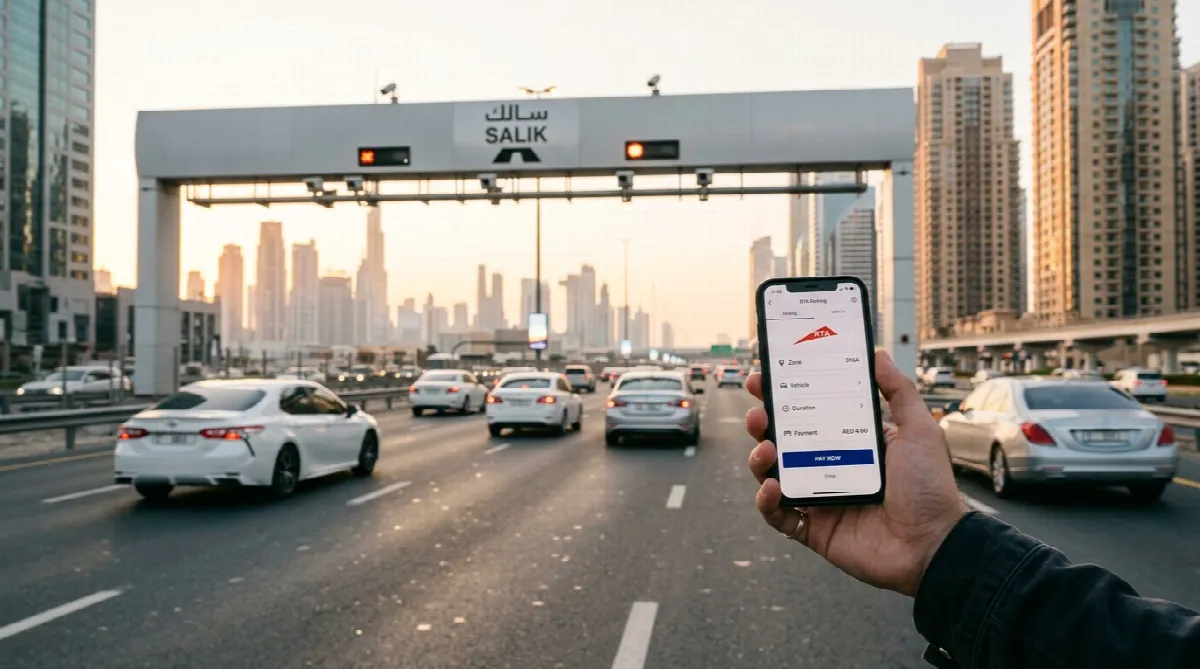
1. Fake Mobile Recharge and Toll Account Scams
The Threat: Scammers create convincing replicas of legitimate recharge websites to steal your financial information.
How to Protect Yourself:
- Double-check the URL for authenticity
- Look for security indicators like HTTPS and padlock icons
- Verify the merchant name and transaction amount before confirming
2. Mismatched IBAN Transfers
The Threat: Fraudsters provide incorrect IBAN numbers, hoping you’ll transfer funds to their accounts by mistake.
How to Protect Yourself:
- Always cross-check the IBAN with the account holder’s name
- Use official banking apps or websites for transfers
- Contact your bank if you’re unsure about a recipient’s details
3. Unrealistic Job Offers
The Threat: Scammers pose as recruiters, offering high-paying “side hustles” to lure you into sharing personal information.
How to Protect Yourself:
- Be skeptical of unsolicited job offers, especially via WhatsApp or SMS
- Research the company thoroughly before engaging
- Never pay for job applications or share sensitive information upfront
4. Loyalty Program Fraud
The Threat: Fake messages about expiring reward points trick you into logging into phishing websites.
How to Protect Yourself:
- Access loyalty programs directly through official apps or websites
- Be wary of urgent messages about expiring points
- Contact the company directly if you’re unsure about a promotion
5. Impersonation of Bank Officials
The Threat: Scammers pose as bank representatives to extract your account details or one-time passwords (OTPs).
How to Protect Yourself:
- Remember that banks never ask for full account details or OTPs over the phone
- Hang up and call your bank’s official number to verify any requests
- Enable two-factor authentication on your banking apps
6. Government Official Impersonation
The Threat: Fraudsters claim your passport is suspended and request personal information to “resolve” the issue.
How to Protect Yourself:
- Verify official communications through government websites or apps
- Never share personal information in response to unsolicited messages
- Report suspicious messages to the relevant authorities
7. Social Engineering Scams
The Threat: Cybercriminals use social media to build trust and extract sensitive information gradually.
How to Protect Yourself:
- Be cautious about sharing personal details on social media
- Verify the identity of new online contacts before engaging deeply
- Never share OTPs or banking information with anyone online
8. Fraudulent Bank Calls
The Threat: Scammers call pretending to be bank officials, often with tempting offers or urgent account issues.
How to Protect Yourself:
- End the call and contact your bank through official channels
- Never disclose account details, PINs, or OTPs over the phone
- Be skeptical of unexpected “big win” announcements
Stay Informed, Stay Protected
As financial fraud techniques evolve, staying informed is your best defense. Here are some additional tips to enhance your banking security:
- Regular monitoring: Check your bank statements frequently for any unauthorized transactions.
- Strong passwords: Use unique, complex passwords for all your financial accounts.
- Update contact information: Ensure your bank has your current phone number and email for alerts.
- Educate family members: Share these tips with elderly relatives who may be more vulnerable to scams.
- Follow official channels: Stay updated with your bank’s official WhatsApp or social media channels for the latest security advisories.
Remember, if an offer seems too good to be true, it probably is. By maintaining a healthy skepticism and following these guidelines, you can significantly reduce your risk of falling victim to banking scams in the UAE.
Your financial security is in your hands. Stay vigilant, stay informed, and don’t hesitate to report any suspicious activity to your bank and the relevant authorities. Together, we can create a safer financial environment for all UAE residents.
The UAE week, every Monday
The week's stories on jobs, visas, money and daily life in one short email. Unsubscribe in one click.