Dubai Rent Forecast 2026: Up to 6% Increase Expected as Population Grows
Dubai rents to rise 4-6% in 2026 as population tops 4 million. Areas with new supply become tenant-friendly while constrained zones see higher hikes.
By Vadim Kouznetsov, published
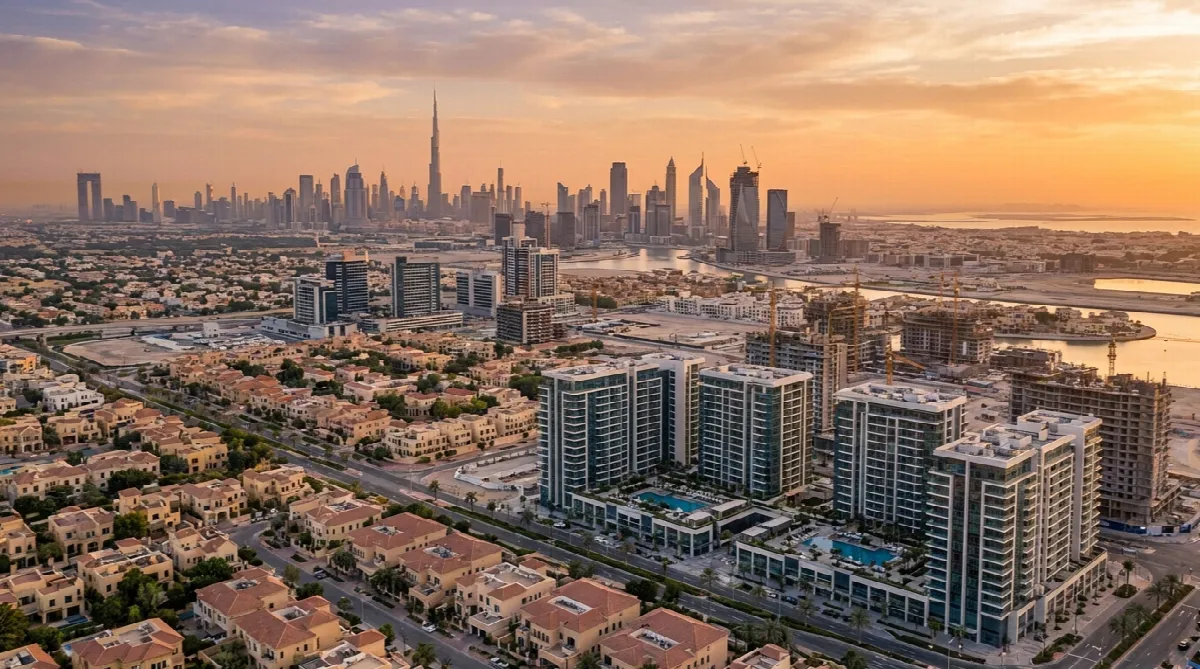
Dubai rents are set to rise by up to six per cent in 2026, though at a slower pace than in recent years. The key factor? Where you live matters more than ever.
Areas with limited housing supply will see the sharpest increases. But communities receiving new inventory will shift power back to tenants—with landlords offering flexible terms and incentives to fill units.
Here’s what tenants and landlords should expect as Dubai enters a more balanced rental market.
How Much Will Dubai Rents Increase in 2026?
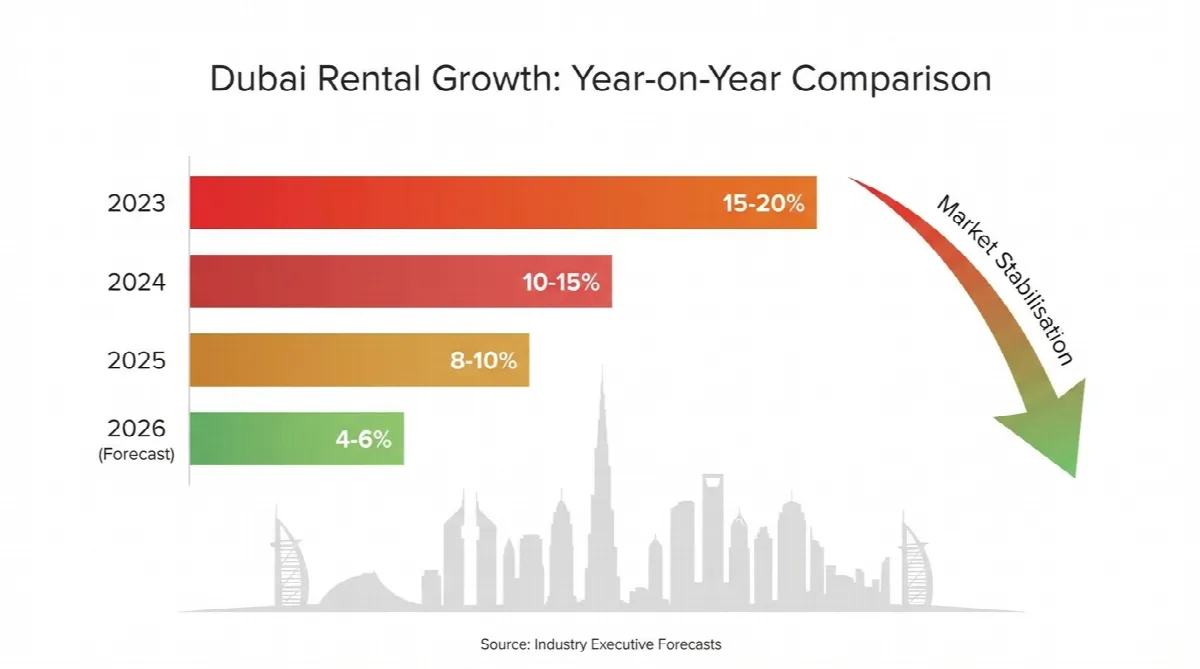
Industry executives project rental increases of four to six per cent in select high-demand areas during 2026.
“Dubai’s residential rental market is expected to move into a more mature and balanced phase in 2026, with rental rates and yields showing steady but moderated growth after the sharp increases seen in recent years,” said Georgina Moyes, head of rentals at Metropolitan Premium Properties.
This represents a significant slowdown from the double-digit increases tenants experienced in 2023 and 2024. The shift comes as new housing supply enters the market and the market matures.
For tenants preparing contract renewals, understanding Dubai’s rental increase regulations remains essential for negotiating fair terms.
Why Are Dubai Rents Still Rising?
Population growth continues driving demand. Dubai’s population crossed four million in 2025—the highest in the city’s history.
The emirate attracts professionals, investors and high-net-worth individuals from around the world. Most new expatriate residents enter the market as tenants initially, creating sustained rental demand.
According to recent data, Dubai adds approximately 470 new residents daily, but only around 150 homes are delivered each day. This supply-demand imbalance has been a persistent driver of rent increases since 2021.
Which Dubai Areas Will See the Highest Rent Increases?
The strongest rental performance will concentrate in segments where supply remains structurally limited:
- Villas and townhouses
- Larger two and three-bedroom apartments
- Beachfront communities
- Well-established master-planned developments
Prime areas expected to maintain rental strength in 2026 include:
- Downtown Dubai
- Palm Jumeirah
- Dubai Marina
- Arabian Ranches
- Dubai Hills Estate
- Business Bay
Family-oriented neighbourhoods with strong connectivity to schools, business districts and transport links will continue seeing intense competition among tenants.
Which Areas Might Offer Better Value for Tenants?
Areas receiving significant new supply will create stronger competition between tenants and landlords.
According to Betterhomes data, 200,000 residential units are scheduled for delivery by 2027. Additionally, 22,000 villas and 42,000 townhouses are set for completion by 2030.
The majority of new supply will concentrate in:
- Dubai Hills Estate
- Business Bay
- Downtown Dubai
- Jumeirah Village Circle (JVC)
- Al Furjan
- Dubai Marina
Communities with limited new supply—where rents may rise faster—include Al Barari, Dubai Production City, Dubai Residence Complex and Tilal Al Ghaf.
For tenants seeking stable rental prices, monitoring handover schedules in target communities can identify opportunities where increased supply moderates landlord expectations.
Is Dubai Becoming a Tenant-Friendly Market?
The market is gradually shifting in favour of tenants, according to industry insiders.
As supply increases in certain sub-markets, landlords are becoming more strategic about attracting and retaining good tenants. This includes:
Flexible payment terms: Broader acceptance of multiple-cheque payments and digital payment solutions
Customised lease structures: More flexible terms based on tenant profiles and circumstances
Incentives for older buildings: Minor upgrades, enhanced maintenance packages and selective improvements to compete with newer developments
“These practices are expected to become more widespread by 2026, contributing to a more tenant-centric rental environment aligned with global leasing standards,” Moyes noted.
For tenants approaching contract renewals in 2026, this shift provides additional negotiating leverage—particularly in areas with substantial new inventory.
What Does This Mean for Landlords?
Landlords in high-demand, supply-constrained areas will maintain healthy yields. Family-oriented neighbourhoods with strong school access and transport connectivity remain particularly attractive.
However, landlords in areas with high volumes of new handovers face increased pressure—especially those with older or non-upgraded properties.
The competitive environment means landlords must consider:
- Offering flexible cheque payment options
- Investing in property upgrades
- Providing competitive maintenance packages
- Considering longer lease terms for reliable tenants
Areas experiencing rental decreases or stabilisation due to oversupply demonstrate how quickly market dynamics can shift when significant inventory enters a community.
Key Takeaway
Dubai rents will rise four to six per cent in 2026, but the era of double-digit annual increases appears over. Supply-constrained areas like Palm Jumeirah, Downtown Dubai and villa communities will see the strongest increases, while areas receiving significant new supply—including JVC, Dubai Hills Estate and Business Bay—will become more tenant-friendly with flexible lease terms and landlord incentives. Tenants should monitor handover schedules and use the RERA rental index when negotiating renewals.
FAQs
How much will Dubai rents increase in 2026?
Industry executives project rental increases of four to six per cent in high-demand areas during 2026. This represents a slowdown from the double-digit increases seen in 2023 and 2024, as new housing supply enters the market and creates more balance between landlords and tenants.
Which Dubai areas will see the highest rent increases in 2026?
Areas with limited housing supply will experience the strongest rent increases. These include Palm Jumeirah, Downtown Dubai, Dubai Marina, Arabian Ranches and villa communities such as Al Barari and Tilal Al Ghaf. Beachfront locations and larger apartments in established master communities will also maintain premium pricing.
Is Dubai becoming more tenant-friendly?
Yes. As supply increases, landlords are offering more flexible terms including multiple-cheque payments, digital payment solutions and customised lease structures. Older buildings are also providing incentives such as upgrades and enhanced maintenance packages to compete with newer developments.
How many new homes are coming to Dubai by 2027?
Approximately 200,000 residential units are scheduled for delivery by 2027. Additionally, 22,000 villas and 42,000 townhouses are expected by 2030. The majority of this supply will concentrate in Dubai Hills Estate, Business Bay, Downtown, JVC, Al Furjan and Dubai Marina.
What is driving Dubai rent increases?
Population growth remains the primary driver. Dubai’s population crossed four million in 2025, with new expatriate residents—most of whom initially rent—continuing to arrive. The supply-demand imbalance, with approximately 470 new residents arriving daily versus only 150 new homes delivered, sustains upward pressure on rents.
Further Reading
The UAE week, every Monday
The week's stories on jobs, visas, money and daily life in one short email. Unsubscribe in one click.