Dubai Rent Trends: Communities Seeing Decreases After Years of Hikes
Dubai’s rental market shows signs of maturity with some areas experiencing 7-9% decreases, while prime locations remain stable. Experts suggest double-digit increases are over.
By Vadim Kouznetsov, published
Last updated: 18 April 2025
Rent has been rising post-pandemic on the back of a growing population in the emirate, but real estate professionals now suggest that the days of steep increases may be over, with some areas even experiencing modest declines.
Market Maturity Brings Stability
Real estate industry executives believe that the era of double-digit rent increases is behind us as the Dubai property market has matured. The market is now experiencing much more stable and gradual growth in rentals, with some communities even showing signs of declining rents.
“There are signs that the emirate’s rental market might be entering a period of adjustment,” said Lewis Allsopp, chairman at Allsopp & Allsopp.
According to Allsopp & Allsopp’s data, there has been an 8 per cent decrease in average rental prices across both apartments and villas or townhouses month-on-month. “Specifically, apartment rentals have seen a 9 per cent year-on-year drop. These figures suggest a shift in the market’s previous upward trend which could create a more balanced environment for both landlords and tenants,” Allsopp added.
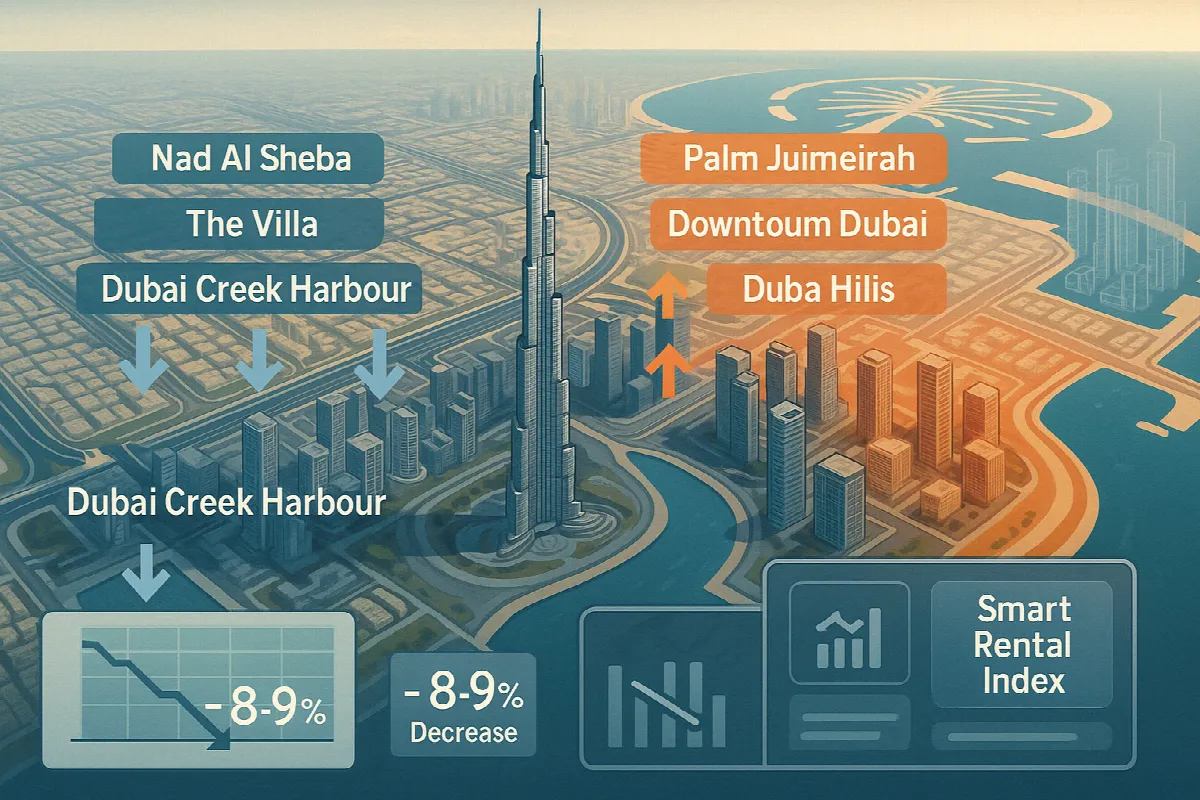
Which Areas Are Seeing Rent Decreases?
Several factors are contributing to the rental adjustments in Dubai:
- The new Smart Rental Index, which encourages landlords to maintain fair pricing
- Increased supply of new residential buildings
- More tenants considering home ownership rather than renting
“Rents have already decreased from their peak in certain areas, with some achieving lower rents in 2025 compared to 2024. Villa communities like Nad Al Sheba and The Villa have seen a 7 to 9 per cent drop over the past 12 months,” said Rupert Simmonds, director of leasing at Betterhomes.
Communities experiencing high volumes of new unit handovers are particularly vulnerable to rental declines. These include:
- Dubai Creek Harbour
- Mohammed Bin Rashid City
- Dubailand
Simmonds added that these areas with significant new supply are likely to experience continued declines starting in 2025 and extending into 2026.
Prime Areas Remain Resilient
While some areas are seeing decreases or plateauing rents, others continue to show strength:
“Prime areas such as Palm Jumeirah, Downtown Dubai, and Dubai Hills Estate have remained stable or risen due to high demand and limited luxury properties. Meanwhile, mid-tier and affordable communities like Jumeirah Village Circle (JVC), Dubai Sports City, and Discovery Gardens show signs of stabilisation,” explained Simmonds.
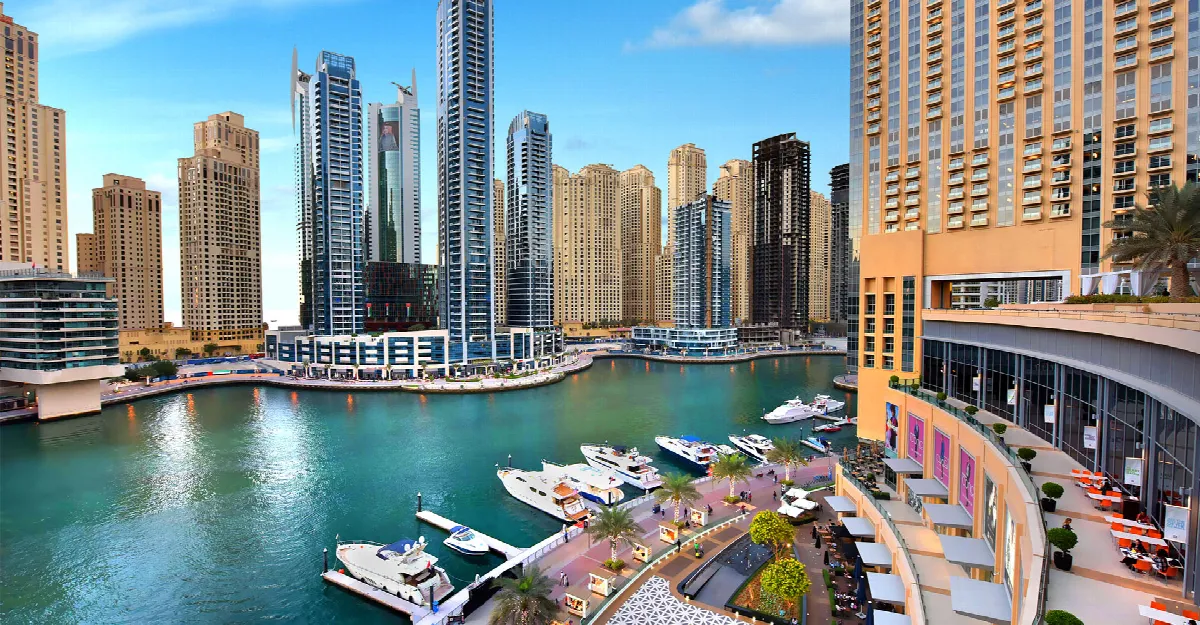
Luxury properties in prime locations such as Palm Jumeirah and Dubai Marina will likely face less downward pressure due to limited availability and the continued influx of high-net-worth individuals (HNWI) and ultra-high-net-worth individuals (UHNWI) relocating to Dubai.
Growing Competition Among Landlords
The trend of rising rents has pushed many tenants towards home ownership, with the Dubai Land Department reporting a 30 per cent month-on-month decrease in rental renewals.
“This is prompting landlords to reconsider rental pricing to attract new tenants. Additionally, the Smart Rental Index will likely put pressure on landlords of older buildings to lower rents if they don’t meet current amenity and finishing standards,” Allsopp noted.
Simmonds advises landlords to remain flexible on pricing to maximise occupancy and minimise void periods. “Landlords who are inflexible may face more vacancies, increasing downward pressure on prices. Landlords should be flexible on price to ensure maximum occupancy and minimum void periods because that is where a landlord makes the biggest loss.”
What’s Next for Dubai’s Rental Market?
Joshua Nairn, leasing manager at Huspy Real Estate, believes the rental market has matured significantly. “The market has matured, and we are now seeing much more stable and gradual growth in rental prices,” he said.
While not forecasting widespread declines across the city, Nairn acknowledges that specific areas may experience fluctuations, particularly those with mass handovers of new properties.
“Given Dubai’s strong market fundamentals — including population growth and economic stability — I don’t expect significant declines in rent over the next couple of years, certainly not by 2025 or 2026,” he added.
The introduction of new residential units is helping to balance supply and demand, potentially slowing the rate at which rental prices increase without causing dramatic decreases in most areas.
Key Takeaway
Dubai’s rental market is showing signs of increased maturity and stabilisation after several years of steep increases. While some communities—particularly those with significant new supply—are experiencing modest declines, prime areas remain strong due to limited inventory and continued demand from wealthy international buyers. The implementation of the Smart Rental Index and a shift toward home ownership are encouraging more competitive pricing among landlords, creating a more balanced market environment. Looking ahead, gradual, steady growth rather than double-digit increases appears to be the new normal for Dubai’s rental landscape.
Additional Reading Material
The UAE week, every Monday
The week's stories on jobs, visas, money and daily life in one short email. Unsubscribe in one click.