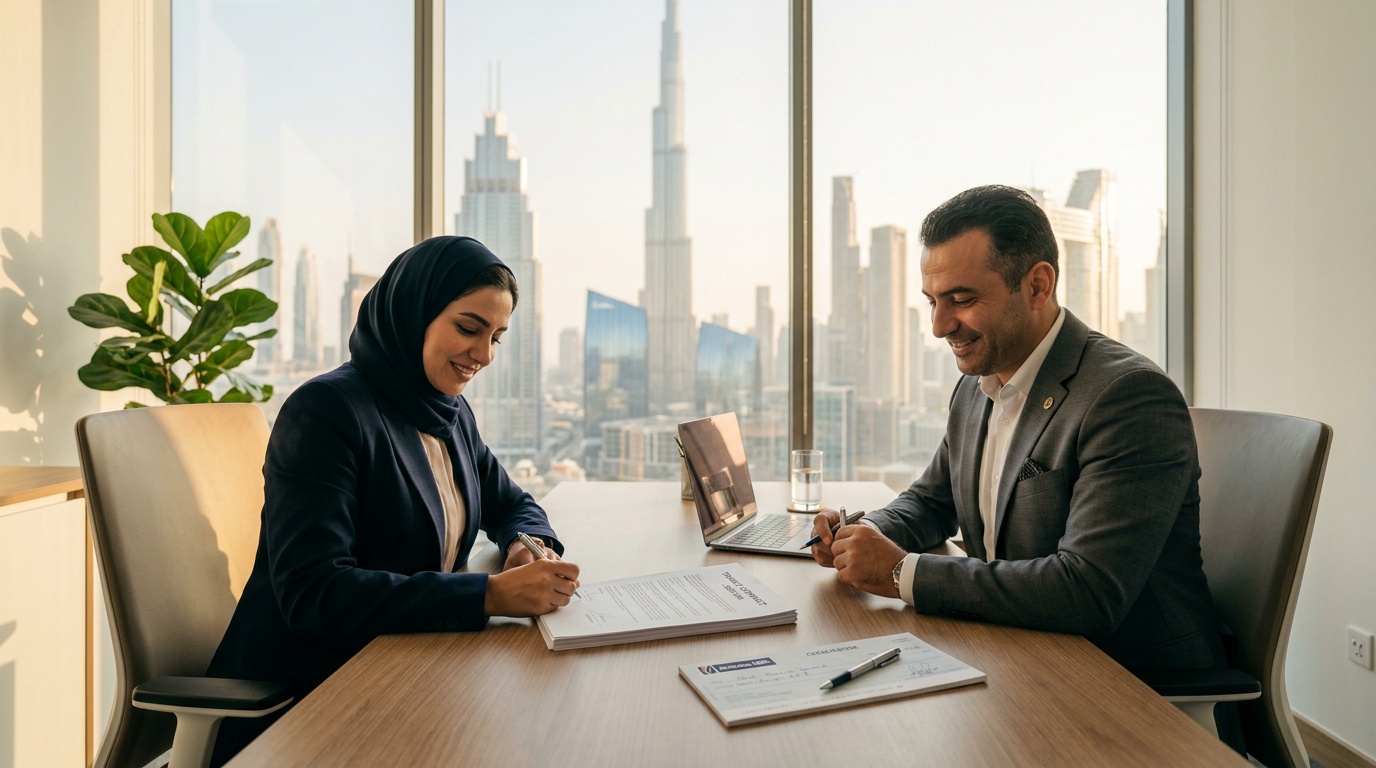
Dubai Rental Contract Renewal 2026: What Tenants Need to Know
Renewing your Dubai rental contract in 2026? Learn about rent increases, RERA guidelines, negotiation tips, and landlord flexibility in Dubai’s maturing property market.
By Vadim Kouznetsov, published
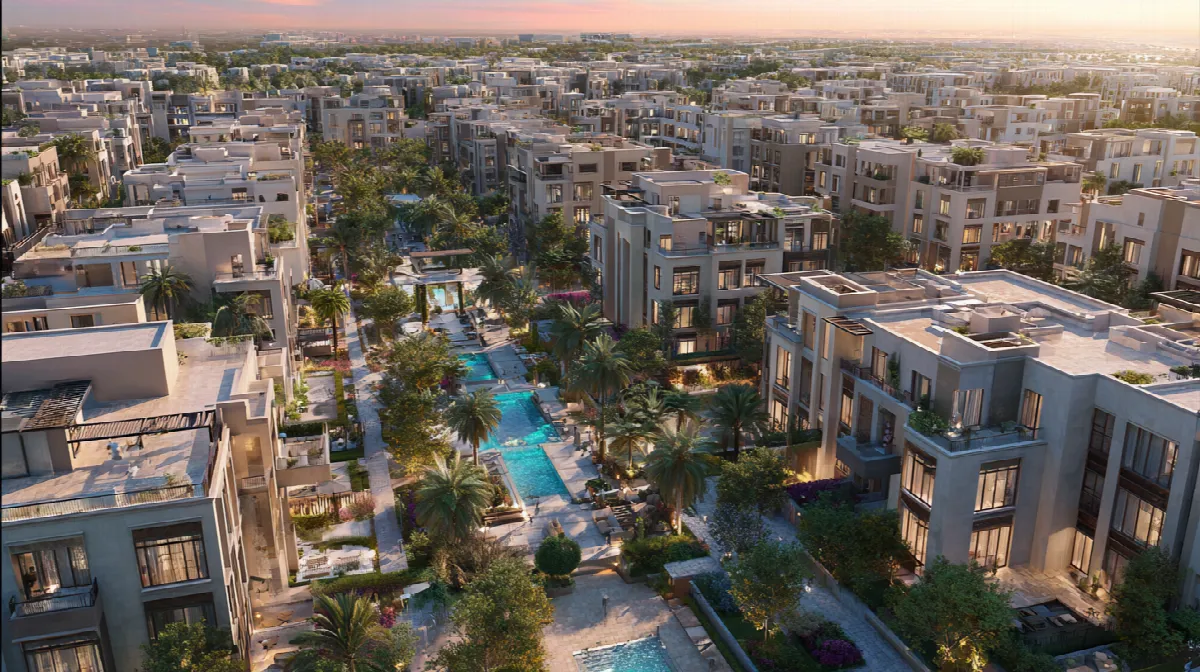
Dubai’s rental market is heading into 2026 with a different momentum than recent years. Rents are still climbing, but the pace has slowed considerably. This shift brings opportunities for both tenants and landlords to find better common ground during lease negotiations.
The emirate’s property cycle is maturing, giving residents more clarity about what to expect when renewal time comes around. Understanding these market dynamics now could save you thousands of dirhams and considerable stress in the coming year.
Steady Growth Replaces Sharp Increases
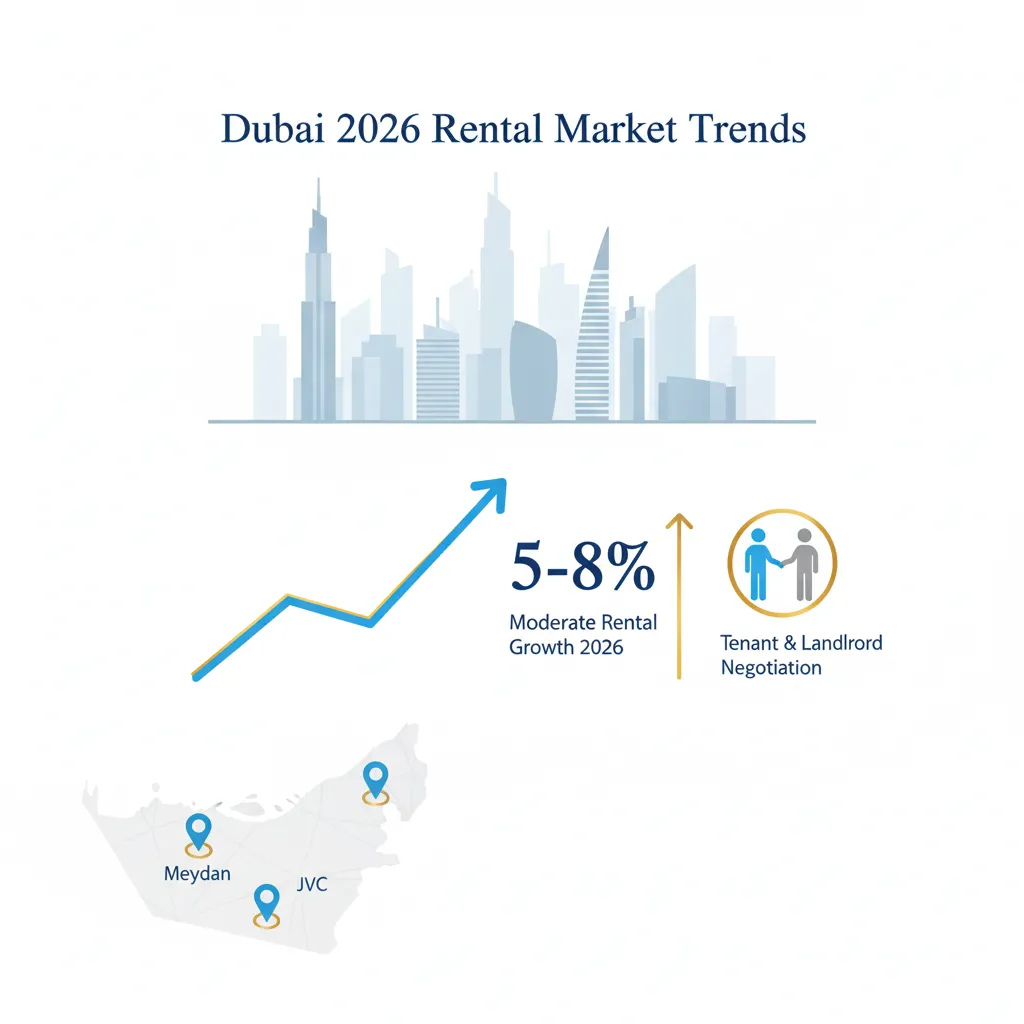
“Dubai’s rental market is expected to maintain steady growth through early 2026, though the pace of increases will likely be moderate compared to the past two years,” explains Blagoje Antic, Chairman and CEO of DHG Holding.
Demand remains strong in well-connected, master-planned communities. Population growth, business expansion, and the continued arrival of high-income professionals are driving this demand. However, the explosive increases seen in 2022 and 2023 are giving way to more measured growth.
The key difference? Supply is catching up with demand.
New Supply Changes Market Dynamics
More new developments are entering the market, particularly in areas like Meydan and Jumeirah Village Circle (JVC). This increasing supply is creating segmentation in rental growth patterns.
“As more new supply enters the market in areas like Meydan and JVC, rental growth will become more segmented, with premium, newer projects outperforming older stock,” Antic notes.
This segmentation matters for your renewal. The location and quality of your property will significantly influence your landlord’s negotiating position and your own leverage during discussions.
What Tenants Should Watch When Renewing
Knowledge is power during lease renewals. Three critical factors deserve your attention:

RERA’s Rental Index: This remains your most important tool. “Tenants should pay close attention to RERA’s rental index and comparable listings in their area before negotiating renewals, as rent caps are designed to protect fairness and prevent sudden increases,” Antic advises.
Before agreeing to any increase, spend time reviewing comparable properties in your building and neighbourhood. The rental index provides a framework, but actual market listings give you real-world negotiating data.
Contract Details: Don’t rush through the fine print. Maintenance responsibilities, payment schedules, and notice periods all deserve careful review. Misunderstandings about these terms cause many disputes later. Dubai’s rental laws provide clear guidelines about maintenance responsibilities that both parties should understand.
Your Reliability as a Tenant: Good tenants have more negotiating power than many realise. “With many landlords preferring longer-term stability, tenants that show reliability and commit to 12-month or multi-year leases may have more leverage to negotiate favourable terms,” Antic points out.
If you’ve paid on time, maintained the property well, and caused no issues, make this clear during negotiations. Tenant rights in Dubai provide protection, but good tenant history provides practical advantage.
Landlords Offering More Flexibility
The market’s shifting dynamics are producing tangible benefits for tenants. Landlords are increasingly prioritising retention over short-term gains.
“Flexibility has become more common, though it depends on the property type and location,” Antic explains. “The trend reflects a broader effort to attract long-term tenants and maintain occupancy amid growing supply.”
Practical examples of this flexibility include:
- Multiple-cheque payment options returning to many buildings
- Move-in incentives in some developments
- Willingness to negotiate maintenance terms
- More openness to modest improvements by tenants
Payment flexibility has become a significant talking point, with some platforms now offering 12-cheque options that benefit both parties.
Older Properties Stabilise, New Ones Lead
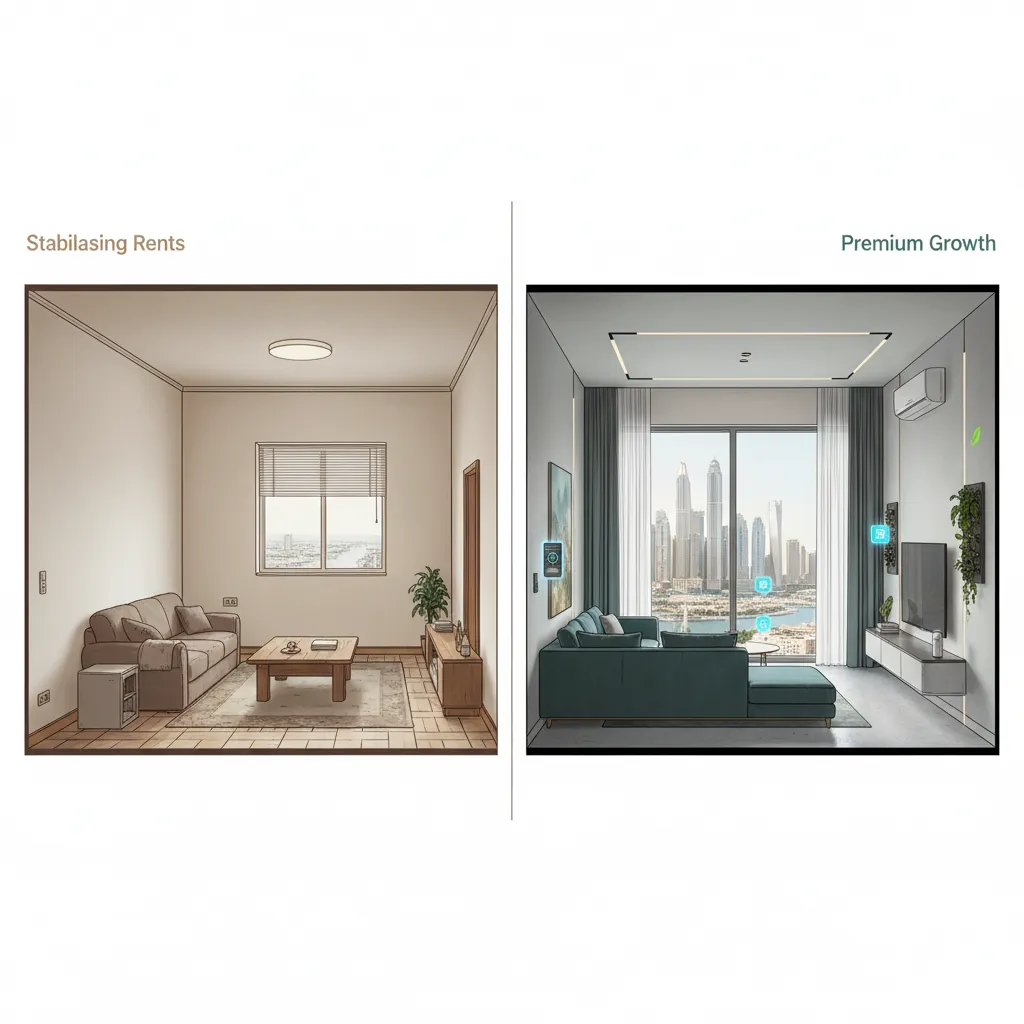
The performance gap between older and newer properties continues widening. This gap directly affects renewal negotiations depending on where you live.
“Rents for older properties are showing signs of stabilisation, especially where infrastructure or community amenities have aged,” Antic observes.
If your building has visible maintenance issues, ageing facilities, or outdated common areas, this weakens your landlord’s position for large increases. Market data supports more modest adjustments for such properties.
Conversely, newer developments maintain premium positioning. “Newer developments with modern layouts, energy-efficient designs, and lifestyle amenities continue to command premium rents,” Antic notes.
“The market is becoming increasingly quality-driven. Tenants are willing to pay more for well-managed, contemporary environments that align with their lifestyle preferences.”
This quality focus means property market trends increasingly favour buildings that have invested in modern amenities and sustainable features.
Community Migration Patterns
Affordability remains a key driver of tenant movement across Dubai. Understanding these patterns helps explain market dynamics in different areas.
“Affordability and space are key drivers of relocation, as many tenants are moving from central districts like Downtown and Business Bay to emerging areas such as Meydan, JVC, Dubailand, and Dubai South,” Antic explains.
These emerging districts benefit from improved infrastructure and connectivity. What once seemed like distant communities now offer practical alternatives to premium central locations.
“These districts are benefiting from improved infrastructure and connectivity, coupled with lifestyle-oriented communities that make them increasingly attractive. This decentralisation trend supports Dubai’s long-term urban planning vision of balanced, multi-nodal growth.”
If you’re considering relocation rather than renewal, these emerging areas warrant serious evaluation. Property supply increases in these communities are creating opportunities that didn’t exist two years ago.
Outlook for 2026
Dubai’s rental market is transitioning toward stability and long-term value. For tenants, this means better negotiation opportunities. For landlords, it means focusing on quality and retention.
The days of automatic double-digit increases are fading in many segments. Supply and demand are finding better balance, particularly in areas receiving new developments.
“Dubai’s rental market today is not about chasing short-term peaks,” Antic summarises. “It’s about building value, stability and trust between landlords and tenants. That’s what will define the next phase of growth.”
This perspective represents a healthy evolution for Dubai’s property sector. Markets that prioritise sustainable growth over speculation tend to perform better long-term.
Frequently Asked Questions
Can my landlord increase my rent by more than 20% in 2026?
No. Dubai’s rent increase laws cap increases at 20% maximum, and only when your current rent is decreased by more than 40% compared to average market rates. Most increases will be far lower than this cap.
How much notice must my landlord give for rent changes?
Landlords must provide at least 90 days’ notice before contract expiry for any proposed changes to lease terms, including rent increases. This gives you time to review options and negotiate or seek alternatives if needed.
Can I negotiate payment terms during renewal?
Yes. Multiple-cheque options are becoming more common again as landlords prioritise tenant retention. If you’re a reliable tenant, you have reasonable grounds to request flexible payment structures.
What if my landlord refuses to renew my contract?
Landlords can only refuse renewal on specific legal grounds. If you’ve fulfilled your obligations and there’s no valid legal reason for non-renewal, you can file a case with the Rental Dispute Centre to challenge the decision.
Should I consider relocating to emerging areas?
Emerging communities like Meydan, JVC, and Dubai South offer better value whilst maintaining good infrastructure. If affordability and space are priorities, these areas deserve consideration as alternatives to premium central locations.
How do I check if a proposed rent increase is fair?
Use RERA’s rental calculator and compare listings for similar properties in your area. Document comparable rents and property conditions. This research provides solid negotiating position based on actual market data rather than speculation.
Further Reading
- Dubai Tenant Rights: What to Do When Your Rent Increases by 20%
- Dubai Rental Laws: Can Landlords Increase Rent During Multi-Year Leases?
- Dubai Rent Increase Law 2024: Your Rights as a Tenant (Complete Guide)
- Dubai Property Market 2025: Villa Prices Set to Stabilise | Expert Analysis
- Monthly Rental Payments in Dubai: New 12-Cheque Options for Tenants
The UAE week, every Monday
The week's stories on jobs, visas, money and daily life in one short email. Unsubscribe in one click.