UAE Activates Emergency Airport Response for Regional Airspace Closures
UAE deploys 24/7 support teams at airports as regional airspace closures disrupt travel. Emergency response includes accommodation and real-time updates for passengers.
By Vadim Kouznetsov, published

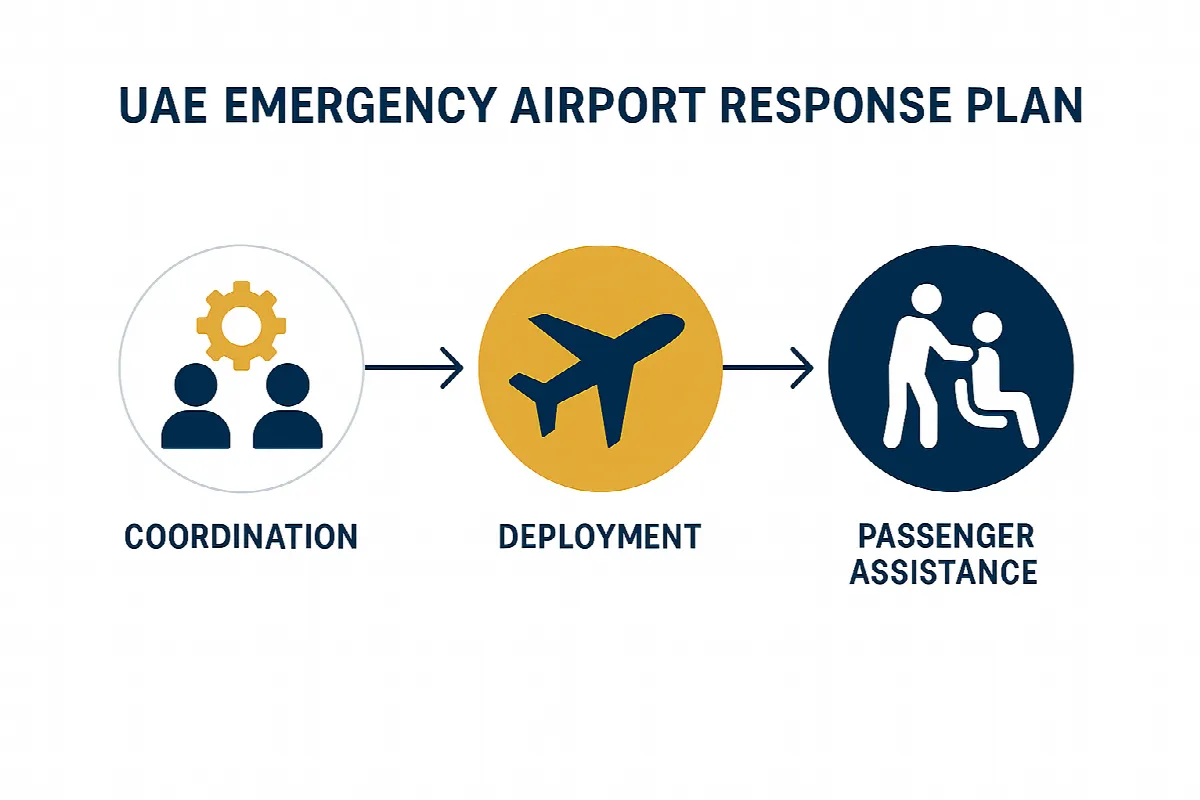
The United Arab Emirates has implemented a comprehensive emergency airport response plan following widespread airspace closures across the region that have significantly disrupted air travel routes and schedules. Field teams have been deployed around the clock at UAE airports to assist travellers affected by delays or rerouted flights.
Comprehensive Business Continuity Plan Launched
The Federal Authority for Identity, Citizenship, Customs and Ports Security (ICP) confirmed the activation of a comprehensive business continuity plan designed to maintain smooth passenger movement through the country’s airports. This coordinated response involves close collaboration with all relevant operational entities to minimise disruptions and prioritise the safety and well-being of all travellers.
The emergency protocol was activated immediately following regional airspace closures, enabling swift operational flexibility to manage flight rerouting and delays effectively. This proactive approach demonstrates the UAE’s commitment to maintaining aviation excellence during challenging circumstances.
Round-the-Clock Support Teams Deployed
As part of the emergency response, field teams supported by qualified personnel and advanced technologies have been deployed continuously at UAE airports to maintain high levels of operational preparedness. These dedicated teams work directly on the ground to:
- Manage passenger flow efficiently
- Facilitate immigration procedures
- Coordinate with airlines for rescheduling affected flights
- Provide direct guidance to passengers regarding onward travel plans
The deployment represents a significant operational commitment to maintaining service quality during regional disruptions.
Special Support for Stranded Travellers
Particular attention has been given to travellers stranded due to delays or rerouted flights. UAE authorities are providing comprehensive support services including:
Temporary Accommodation: Emergency housing arrangements for passengers requiring overnight stays due to flight disruptions.
Real-time Updates: Continuous communication about flight status changes, alternative routes, and travel options.
Logistical Assistance: Practical support with rebooking, baggage handling, and connecting flights.
This comprehensive approach demonstrates the UAE’s commitment to passenger welfare during crisis situations.
Regional Airspace Closures Impact
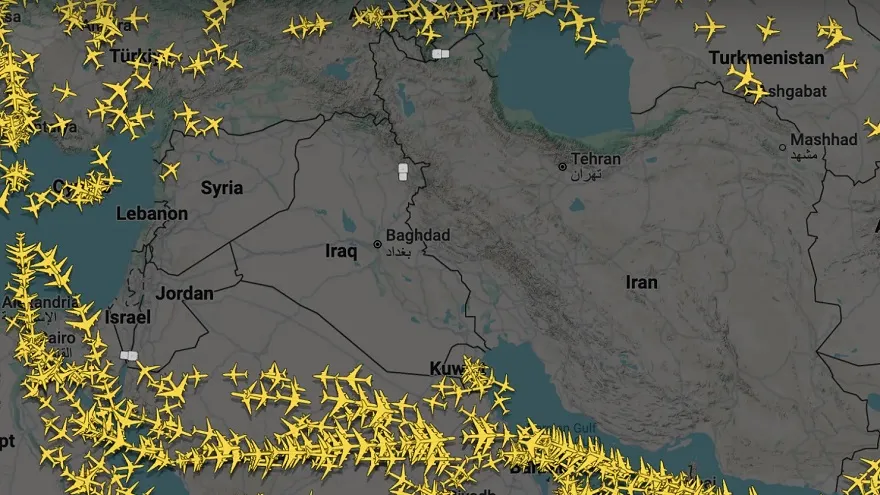
Early this week, several countries including Iran, Iraq, Jordan, Syria, and Israel closed their airspace amid escalating regional tensions. These closures triggered widespread flight cancellations and rerouting that affected airports across the region, including UAE facilities.
The ICP noted that necessary measures have been taken to preserve service quality at UAE airports and manage the impact of these recent regional developments. The mechanism for travellers’ entry into UAE airports was aligned with the evolving operational situation.
Strategic Partnership Approach
The emergency response plan involves a comprehensive set of regulatory and logistical procedures carried out in partnership with strategic stakeholders across the aviation sector. This collaborative approach includes:
- Airlines operating in UAE airspace
- Ground handling service providers
- Airport management companies
- Immigration and customs authorities
- Security and safety organisations
Such partnerships enable coordinated responses that maintain operational efficiency during disruptions.
Operational Excellence During Crisis
ICP officials praised the cooperation shown by travellers during the disruptions and reaffirmed the UAE’s commitment to safety, operational excellence, and proactive crisis management. The response has been guided by authentic Emirati values and international best practices.
The authority emphasised that all services continue with minimal impact despite the challenging regional circumstances. This approach reflects the UAE’s position as a leading aviation hub in the Middle East.
Advanced Technology Integration
The deployment of advanced technologies alongside qualified personnel demonstrates the UAE’s investment in modern crisis management capabilities. These technological solutions support:
- Real-time passenger tracking and communication
- Automated rebooking systems
- Digital information displays with live updates
- Mobile applications for passenger assistance
This technology integration helps maintain service quality while managing increased operational complexity.
International Best Practices Implementation
The UAE’s emergency response protocol incorporates international best practices for airport crisis management, positioning the country as a leader in aviation safety and operational resilience. This approach includes:
- Standardised communication protocols
- Coordinated multi-agency responses
- Passenger welfare prioritisation
- Continuous operational assessment
These practices align with international aviation standards and regulatory requirements.
Looking Forward: Continued Preparedness
The UAE’s proactive response to regional airspace closures demonstrates the country’s preparedness for managing complex operational challenges. The comprehensive business continuity plan serves as a model for effective crisis management in the aviation sector.
Authorities continue monitoring the regional situation and remain prepared to adjust operational procedures as circumstances evolve. This flexible approach maintains the UAE’s position as a reliable transit hub despite external challenges.
The emphasis on passenger welfare, operational efficiency, and stakeholder collaboration reflects the UAE’s commitment to maintaining its reputation as a premier aviation destination in the Middle East region.
Key Takeaway: The UAE’s activation of emergency airport response protocols demonstrates proactive crisis management, with round-the-clock support teams, temporary accommodation, and real-time updates for stranded travellers affected by regional airspace closures. This comprehensive approach maintains operational excellence whilst prioritising passenger welfare during challenging circumstances.
Further Reading
The UAE week, every Monday
The week's stories on jobs, visas, money and daily life in one short email. Unsubscribe in one click.