UAE Travel Update: Indian Expats Urged to Carry Physical Emirates ID
Recent incidents at Indian airports highlight the importance of carrying physical Emirates IDs for UAE-bound travellers, despite digital alternatives being available.
By Vadim Kouznetsov, published

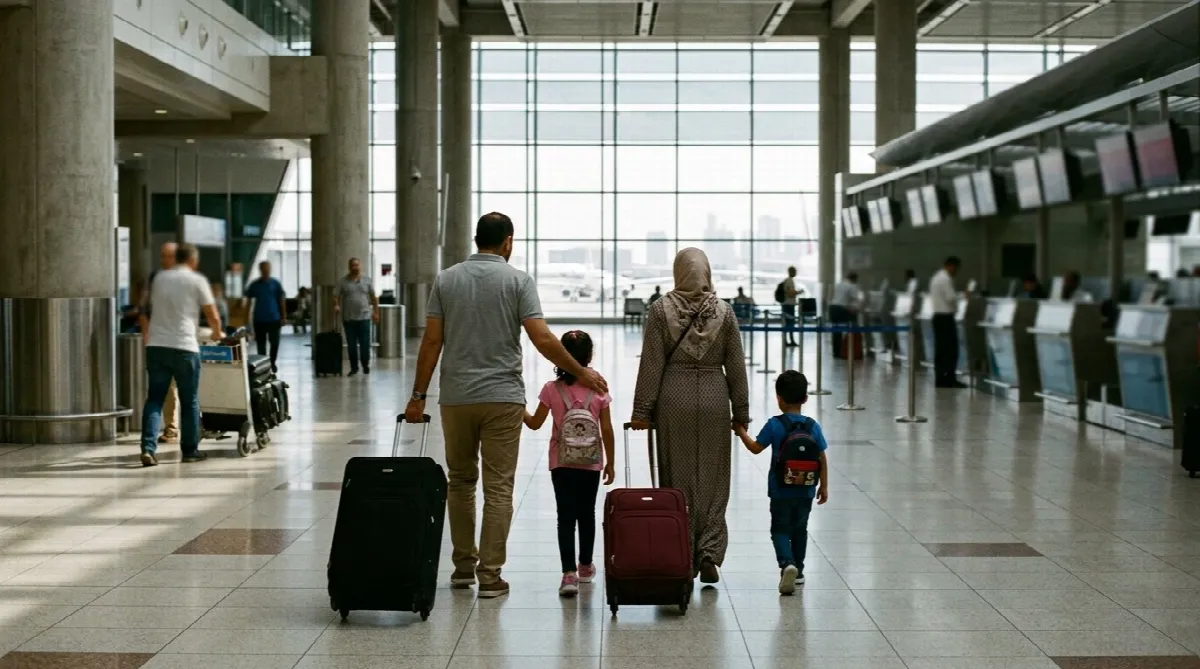
In recent weeks, several Indian expatriates returning to the UAE have encountered obstacles at Indian airports due to not carrying their physical Emirates ID cards. Despite having valid digital versions, some passengers have been prevented from boarding their flights, resulting in cancelled tickets, travel delays, and financial setbacks.
Real-Life Experiences
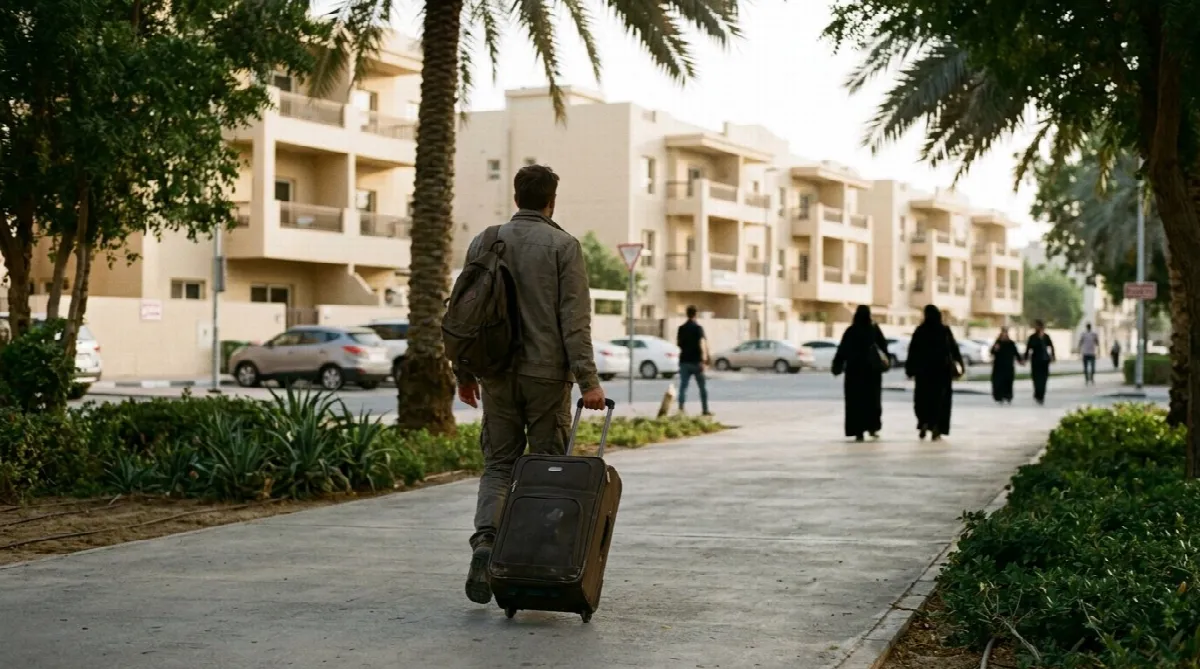
Azeem Ahmed, a sales executive based in Sharjah, shared his ordeal at Bajpe Airport in Mangalore. Although he possessed a digital version of his UAE visa, immigration officials insisted on seeing his physical Emirates ID card, which he had inadvertently left behind.
“I had gone to India to bring my family back after a holiday, but I forgot my Emirates ID due to last-minute travel arrangements,” Ahmed explained. This oversight led to a five-day delay as he waited for his ID to be sent from the UAE, causing him to miss work and face salary deductions.
Similarly, a regional media outlet in Kerala, Siraj Live, reported an incident involving a traveller from Thiruvananthapuram. Bysil, a resident of Pulluvila, was denied boarding by Air India Express staff at Thiruvananthapuram Airport for not having his physical Emirates ID. Despite presenting his digital ID and valid visa on both his passport and the UAE mobile app, airline personnel refused to accept these documents.
Frustrated by the inconsistent policies, Bysil contacted airline officials who confirmed that there were no restrictions on travelling with a digital ID and visa. He is now contemplating legal action against the airline for the discrepancy in implementation at the airport.



Travel Agents’ Advice
In light of these incidents, travel agents are strongly recommending that passengers bound for the UAE carry a physical copy of their Emirates ID, despite the UAE’s recent shift towards digital residency documents.
Taha Siddique, proprietor of Siddique Travels, emphasised: “Whenever someone books a ticket with us, we strongly advise them to carry their Emirates ID, regardless of their destination. Since the UAE stopped stamping visas on passports, such cases have become more frequent at Indian airports, though they’ve decreased recently.”
Libin Varghese, sales director at Rooh Travel and Tourism, shared his personal experience of being questioned at an Indian airport for visa authentication. “I was returning to the UAE from Kochi, and the airport staff requested to see my Emirates ID card,” he recounted. “Many residents no longer have a visa stamp in their passports, and the Emirates ID is now considered the official UAE visa copy.”
Official UAE Policy
In 2022, the UAE’s Federal Authority for Identity, Citizenship, Customs, and Port Security announced that Emirates ID cards would serve as the official proof of residency, replacing the previous practice of stamping visas in passports. The updated Emirates ID includes all necessary residency information, which can be read digitally by airport immigration counters.
Key Takeaways for Travellers
- Always carry your physical Emirates ID when travelling to the UAE.
- Keep digital copies of your visa and Emirates ID as backup.
- Be prepared for possible inconsistencies in policy implementation at different airports.
- Allow extra time for potential document checks before your flight.
- Stay informed about the latest travel requirements and regulations.
By following these guidelines, UAE-bound Indian expatriates can help reduce the risk of travel disruptions and ensure a smoother journey back to their adopted home.
Conclusion
As the UAE continues to modernise its residency documentation system, it’s crucial for travellers to stay informed and prepared. While digital IDs are becoming more prevalent, this transition period may still present challenges at some airports. By carrying both physical and digital copies of necessary documents, expatriates can safeguard against potential travel complications and enjoy peace of mind during their journeys.
The UAE week, every Monday
The week's stories on jobs, visas, money and daily life in one short email. Unsubscribe in one click.