UAE Airlines Adjust Flights Amid Middle East Airspace Closures
UAE-based carriers Emirates, Etihad, and flydubai modify flight schedules due to regional airspace restrictions. Learn about cancellations and travel advice.
By Vadim Kouznetsov, published
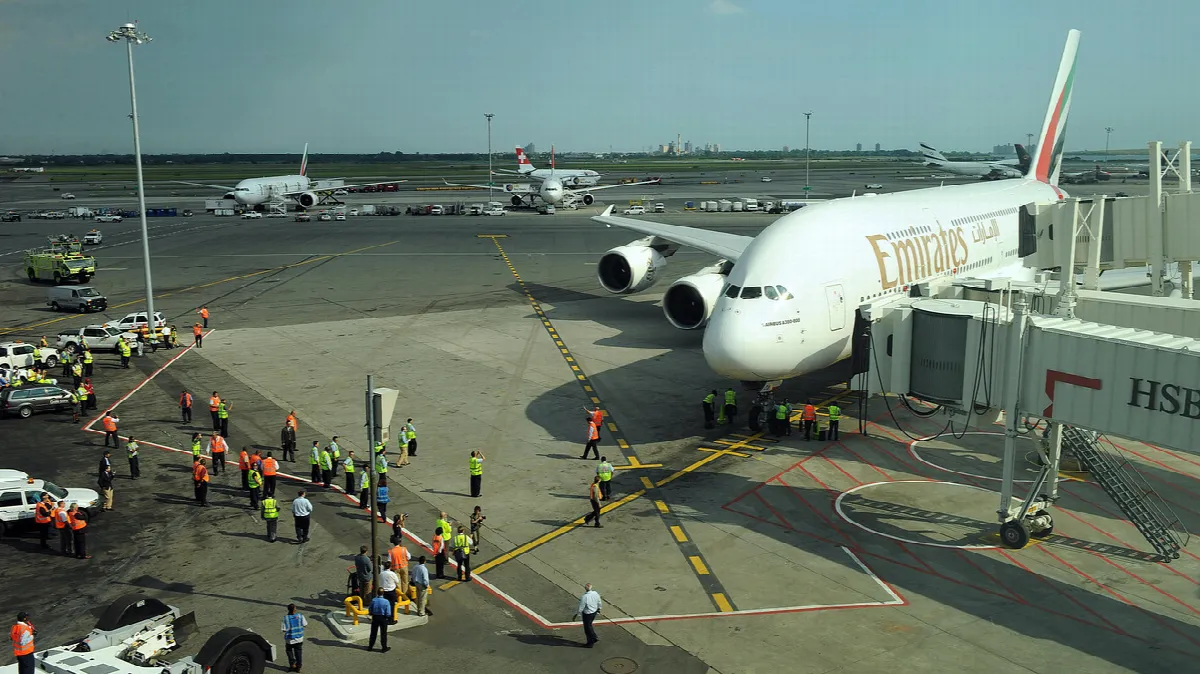
The skies over the Middle East have become a complex tapestry of flight restrictions and cancellations as regional tensions escalate. UAE-based airlines are swiftly adapting their operations to ensure passenger safety and comply with airspace closures across several countries.
Etihad Airways: Prioritising Safety Amidst Uncertainty
Abu Dhabi’s flag carrier, Etihad Airways, has issued a statement emphasising their commitment to passenger safety. The airline anticipates disruptions and delays over the coming days due to the fluid situation in the region.
An Etihad spokesperson stated,
“We operate only through approved airspace, with safety as our top priority. We’re closely monitoring security updates and airspace conditions.”
Emirates: Widespread Cancellations and Route Adjustments
Dubai-based Emirates has taken decisive action, cancelling all flights to and from Iraq, Iran, and Jordan on October 2 and 3. The airline has also suspended services to specific destinations:
- Bahrain (EK 837/838)
- Kuwait (EK855/86)
- London Heathrow (EK31/32)
- Muscat (EK866/867)
- Beirut (suspended until October 8)
Emirates has emphasised that passengers with final destinations in affected countries will not be accepted for travel from their origin points until further notice.
flydubai: Operational Impacts and Flight Returns
Low-cost carrier flydubai has also experienced significant disruptions:
- Flights FZ 143 to Amman and FZ 157 to Ankara returned to Dubai
- Flight FZ 728 from Istanbul to Dubai returned to Istanbul
- Cancellations to Jordan, Iraq, Israel, and most Iranian destinations on October 2 and 3
A flydubai spokesperson reiterated,
“We’re closely monitoring the situation and adjusting our flight schedule as needed. Passenger and crew safety remains our highest priority.”
European Carriers Extend Middle East Flight Suspensions
The impact of the regional tensions has rippled beyond the Middle East, affecting European airlines:
- KLM: Extended suspension of Tel Aviv flights until October 26
- Lufthansa Group: Cancelled flights to Beirut until November 30, Tel Aviv until October 31, and Tehran until October 14
- Swiss International Air Lines: Following Lufthansa Group directives
Lufthansa has also announced that it will avoid Iranian, Iraqi, and Jordanian airspace until at least October 2, with Israeli airspace avoidance extended to October 31.
Navigating Uncertainty: Advice for Travellers
As the situation remains volatile, passengers with upcoming travel plans to or through the Middle East should:
- Regularly check airline websites and official communication channels for the latest updates
- Be prepared for potential last-minute changes or cancellations
- Consider flexible booking options when making new reservations
- Stay informed about travel advisories issued by relevant authorities
The aviation industry is demonstrating its agility in responding to rapidly changing geopolitical circumstances. While disruptions are inevitable, airlines are working diligently to balance operational needs with the paramount concern of passenger safety.
As this situation continues to unfold, travellers are advised to stay vigilant and maintain open lines of communication with their airlines and travel providers. The coming days may bring further adjustments to flight schedules and routes as airlines navigate this period of heightened regional tension.
The UAE week, every Monday
The week's stories on jobs, visas, money and daily life in one short email. Unsubscribe in one click.