COVID-19 Surge India: Kerala, Delhi, Mumbai Alert – What to Know
India reports 257 active COVID-19 cases with Kerala leading at 273 infections. JN.1 variant drives mild symptoms. Latest state alerts and safety tips.
By Vadim Kouznetsov, published
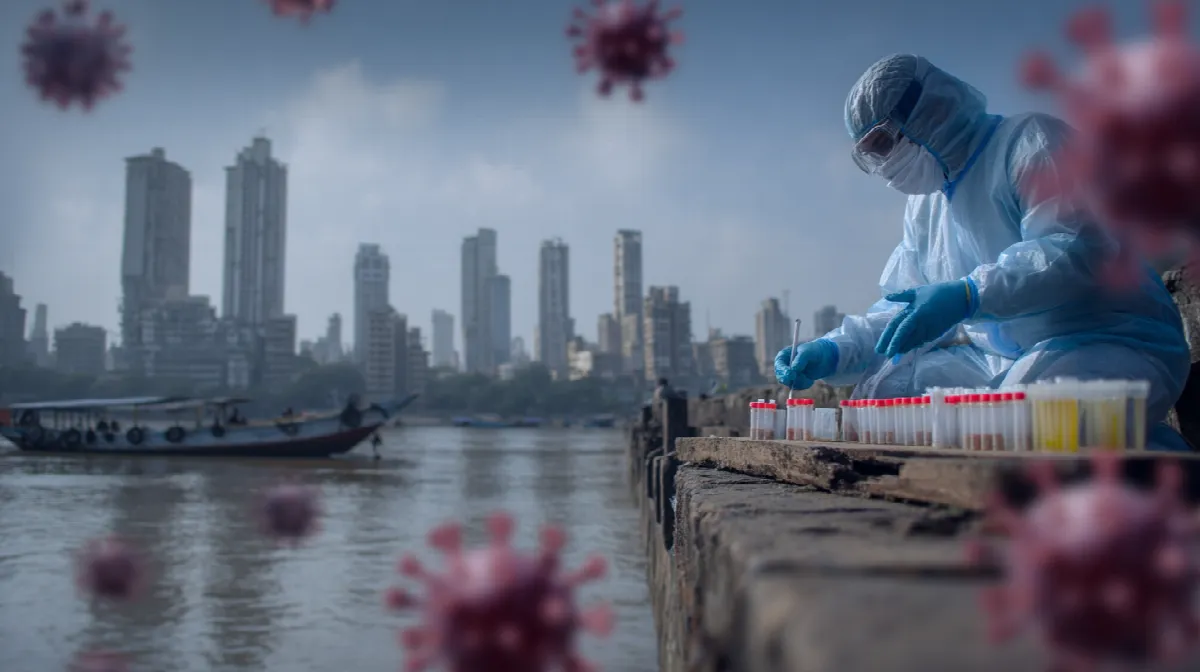
India faces a fresh COVID-19 surge with 257 active cases nationwide, prompting states including Kerala, Delhi, and Mumbai to put hospitals on high alert. The JN.1 variant drives this resurgence, with Kerala reporting the highest infection rate at 273 cases in May 2025.
While the rise appears modest compared to previous waves, health authorities across multiple states have implemented precautionary measures. Most symptoms remain mild, with patients typically recovering within four days.
Current COVID-19 Status Across India
National Overview India currently has 257 active COVID-19 cases as of May 2025. Kerala leads with 95 active cases, followed by Tamil Nadu (66) and Maharashtra (56). Delhi recorded 23 coronavirus cases for the first time in three years.
Key Statistics by State:
- Kerala: 273 total cases in May, concentrated in Kottayam (82), Thiruvananthapuram (73), and Ernakulam (49)
- Mumbai: 95 cases in May with only 16 hospitalisations
- Karnataka: 35 active cases, including a stable nine-month-old infant
- Uttarakhand: Two new cases including an AIIMS Rishikesh doctor
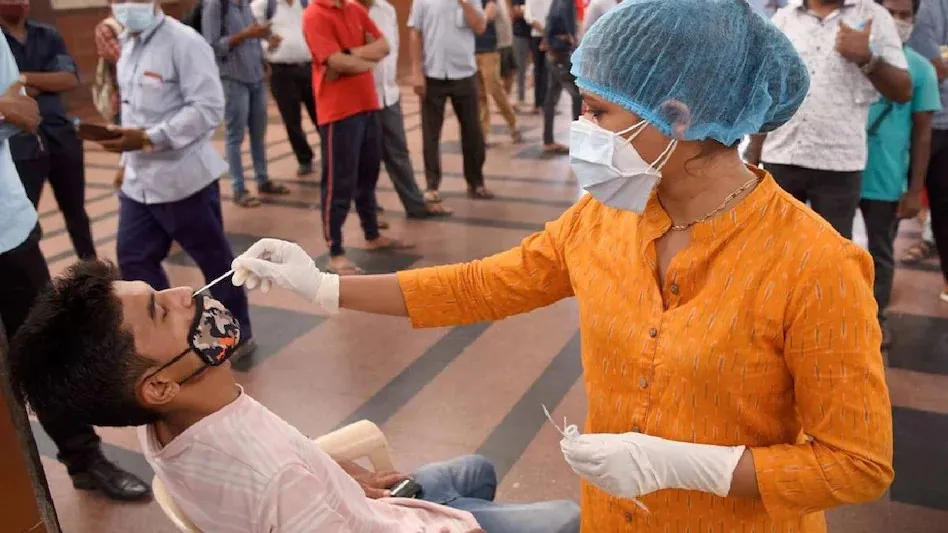
JN.1 Variant: What We Know
The current surge is driven by the JN.1 variant, a sub-variant of Omicron. The World Health Organisation has not classified it as a “variant of concern,” indicating manageable risk levels.
Common Symptoms Include:
- Fever and runny nose
- Sore throat and headaches
- Fatigue and exhaustion
- Muscle aches and nasal congestion
Recovery typically occurs within four days, with most cases remaining mild and manageable.
State-by-State Response Measures
Delhi Alert Status
Delhi government issued precautionary advisories urging hospitals to maintain readiness with adequate beds, oxygen supplies, medicines, and trained staff. Despite recent cases, no hospitalisations or ICU admissions have occurred.
Key Delhi Measures:
- Hospital preparedness with equipment checks
- Genome sequencing for positive samples
- Daily ILI and SARI case reporting
- Mask-wearing encouraged in healthcare facilities
- Public advised to maintain hand hygiene
Kerala Intensive Surveillance
Health Minister Veena George called for intensified surveillance across all districts following 273 cases in May. The state emphasises early detection and vulnerable group protection.
Kerala Protocols:
- Strengthened district-level monitoring
- Mandatory masks in hospitals for health workers
- Public advised to avoid non-essential hospital visits
- Focus on symptomatic individual identification
Mumbai Cluster Management
Mumbai reported 95 COVID-19 cases in May, leading Maharashtra’s tally, but hospitalisation rates remain low. BMC mandates testing for all SARI patients.
Mumbai Response:
- Seven Hills and Kasturba Hospitals prepared with ICU capacity
- Testing mandatory for flu-like symptoms
- COVID-19 treated as endemic with sporadic cases
- Citizens urged to wear masks if symptomatic
New COVID-19 Variant NB.1.8.1 Emerging
A new variant, NB.1.8.1, has gained global attention as of May 2025. This JN.1 descendant originated in China and has spread across Asia, including Singapore and Hong Kong, with detection in the United States.
WHO Classification Listed as a Variant Under Monitoring since May 23, 2025, showing steady global presence increase.
NB.1.8.1 Symptoms:
- Sore throat and mild cough
- Fatigue and muscle aches
- Persistent low-grade fever
- Headaches and nausea
- Loss of appetite and digestive issues
Preliminary findings suggest higher transmissibility but no evidence of increased severity compared to circulating variants.
Prevention and Safety Measures
Personal Protection Strategies:
- Stay updated with vaccines and boosters
- Wear masks in crowded or enclosed areas
- Maintain proper hand hygiene practices
- Monitor symptoms and test if feeling unwell
- Follow local health advisories
For Vulnerable Groups: Pregnant women, children, elderly individuals, and those with compromised immune systems should exercise extra caution in crowded areas.
Travel Considerations for UAE Residents
UAE residents planning travel to India should consider current health conditions and travel safety protocols. The situation remains manageable but requires awareness.
Travel Recommendations:
- Check latest travel advisories before departure
- Maintain valid health insurance coverage as required by UAE regulations
- Monitor symptoms during and after travel
- Follow destination country health protocols
Healthcare Preparedness in UAE
UAE residents can access comprehensive healthcare services through the country’s mandatory health insurance system. The healthcare infrastructure remains robust and prepared for potential health emergencies.
UAE medical professionals continue monitoring global health trends to maintain preparedness standards.
Expert Recommendations
Health experts emphasise that COVID-19 now behaves like seasonal flu, requiring vigilance without panic. The mild nature of current symptoms and low hospitalisation rates indicate effective management strategies.
Key Actions:
- Continue testing protocols as advised
- Report unusual symptoms promptly
- Maintain hygiene practices consistently
- Avoid unnecessary gatherings if symptomatic
Key Takeaway
India’s COVID-19 surge shows 257 active cases nationwide, with Kerala, Delhi, and Mumbai implementing precautionary hospital alerts. The JN.1 variant drives mild symptoms typically resolving within four days, while a new variant NB.1.8.1 emerges globally. UAE residents should maintain awareness, follow travel advisories, and ensure valid health insurance coverage when travelling to affected regions.
Stay informed about UAE healthcare developments and travel safety measures at JobXDubai.
The UAE week, every Monday
The week's stories on jobs, visas, money and daily life in one short email. Unsubscribe in one click.