UAE EV Adoption: Can We Reach 50% Electric Vehicles by 2050?
The UAE aims for 50% EV adoption by 2050, but faces challenges with infrastructure, consumer education and market availability. Learn what experts say is needed.
By Vadim Kouznetsov, published
The UAE has set an ambitious goal—having half of all cars on its roads be electric by 2050. However, research from PwC suggests the country may reach only 15% EV adoption by 2030, creating a significant gap to overcome.
“That is definitely a stretched target,” says Heiko Seitz, Global & Middle East eMobility leader at PwC Middle East. He adds that without regulatory changes, the 2050 target is “basically impossible.”
The Current State of EV Adoption in the UAE
Last year, electric vehicles made up just 6% of new car sales in the UAE—double from 3% the previous year. While this shows progress, it falls far short of what’s needed to reach long-term goals.
To hit the 50% target by 2050, the UAE would need to more than triple its EV numbers in just two decades, increasing adoption by 1.75 percentage points annually after 2030.
Government Initiatives Supporting EV Adoption
Dubai has taken proactive steps to encourage electric vehicle ownership:
- The Roads and Transport Authority (RTA) has allocated free parking spaces for EVs in various locations for two-year periods
- Free Salik tags upon vehicle registration
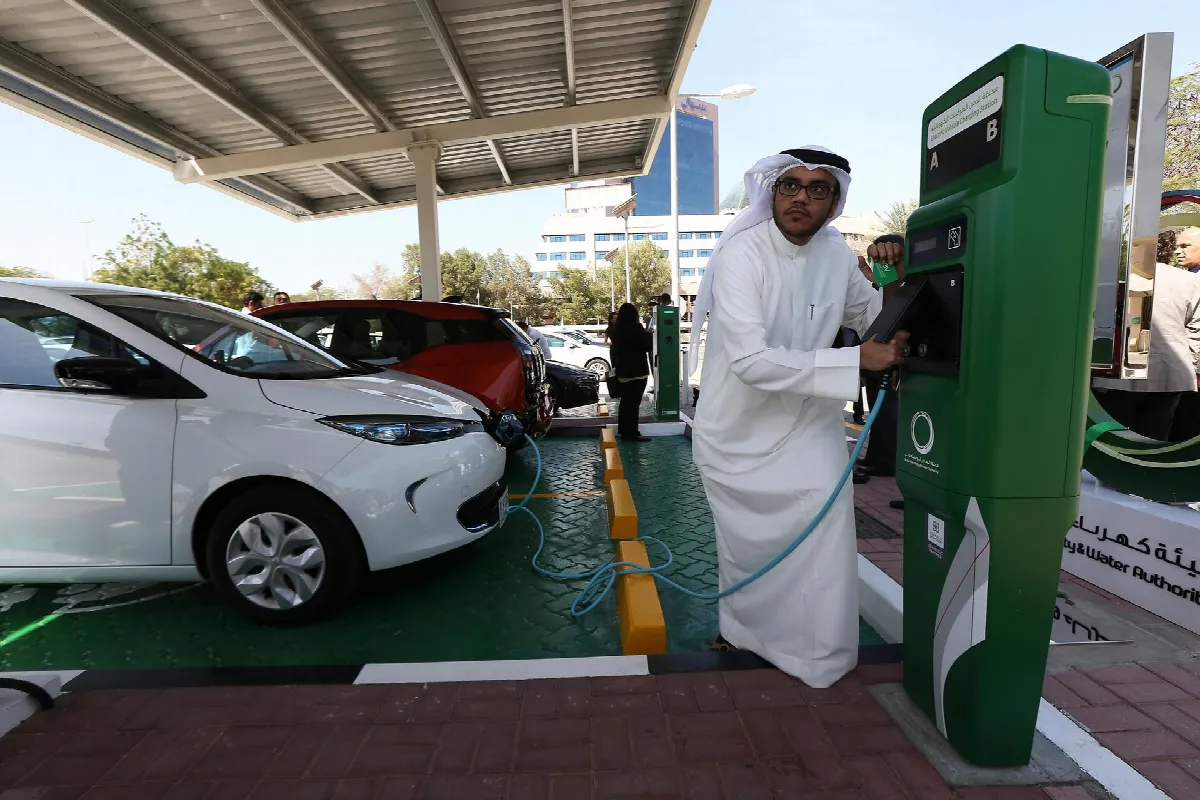
- Previously offered free charging through the Dewa EV Green Charger Initiative
Three Key Barriers to EV Adoption
According to experts, three fundamental issues are slowing down EV adoption in the UAE:
- Lack of consumer education
- Limited charging infrastructure
- Limited availability of electric models in the market
Kevin Chalhoub, founder and CEO of EV Lab, suggests bold ideas like dedicated “EV lanes” on Sheikh Zayed Road could drive demand: “If we put an EV lane on Sheikh Zayed Road that is only dedicated for electric cars, call it the leftmost lane, I definitely think there’s going to be a lot of EV demand.”
UAE vs Saudi Arabia: Different Approaches
The UAE has primarily taken a market-driven approach to EV adoption, allowing demand to grow naturally rather than implementing strict policies.
“The country believes in organic markets that are not artificially created because organically grown markets are usually stronger,” Seitz explains.
By contrast, Saudi Arabia is taking a more direct approach with clear policies, significant infrastructure investment, and firm EV quotas for fleets. They’re developing an entire EV ecosystem from manufacturing to charging networks.
Saudi’s targets are impressive:
- Over 30% of new light-duty vehicle sales to be electric by 2030
- More than 60% by 2035
Consumer Education: A Critical Missing Piece
Many drivers still lack essential knowledge about electric vehicles—how they operate, long-term costs, and practicality for trips beyond city limits.
“There can always be more supportive policies. But all in all, I think consumer education is important, and that’s what we’re trying to solve,” says Chalhoub.
His company, EV Lab, offers customers hands-on shopping experiences, allowing them to explore various EV models, take test drives, and complete purchases or leases. Vehicles are imported from the US, Europe, and Asia, with rental prices ranging from Dh2,000 to Dh18,000 monthly.
The Economic Advantage of EVs
A common misconception is that EVs are more expensive overall, but experts emphasize their lower total cost of ownership:
- 10 times fewer spare parts on average
- Lower service and maintenance fees
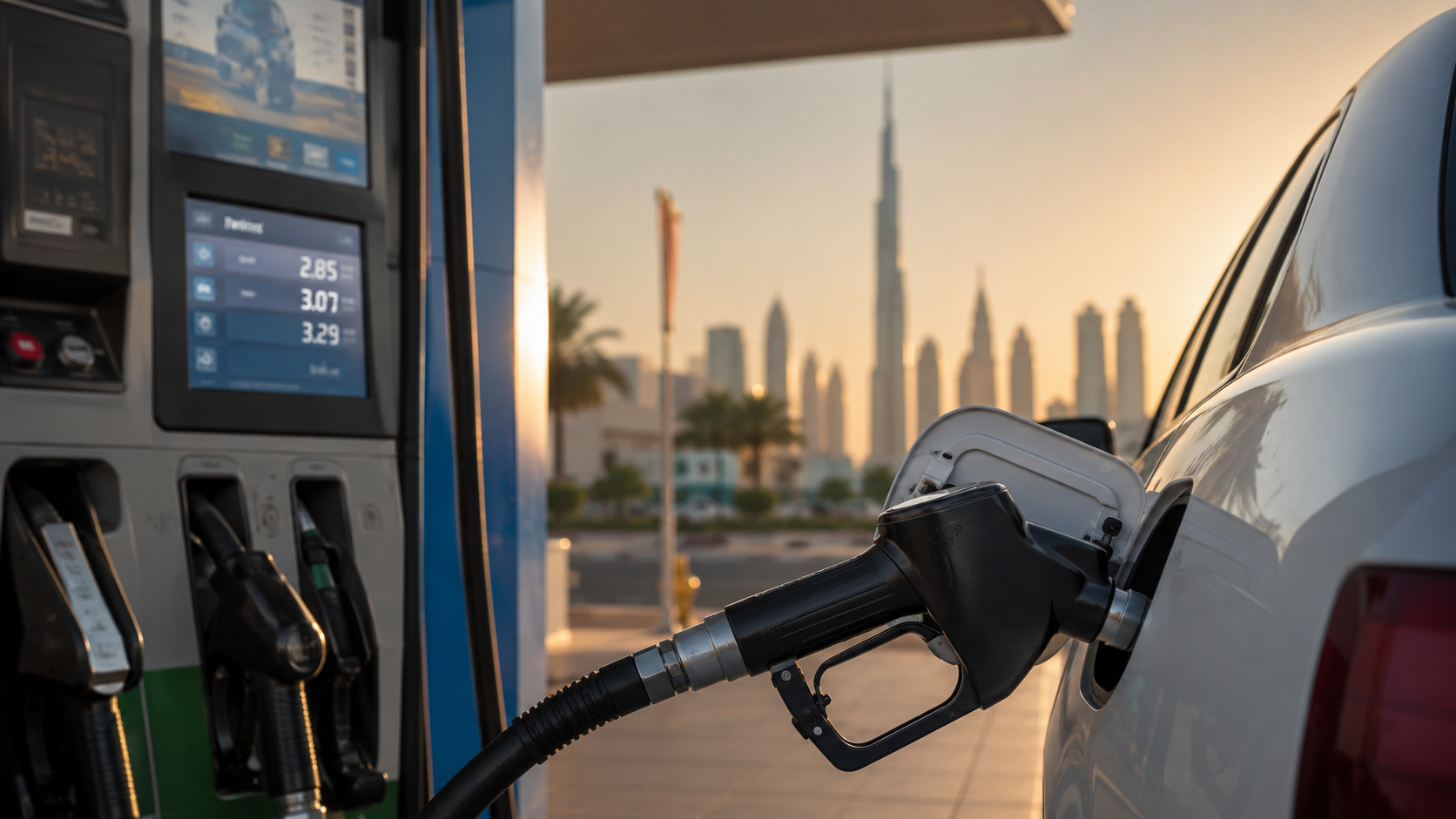
- Fuel costs between one-third and one-sixth of petrol vehicles per kilometre
“You have a better product, cheaper overall with the total cost of ownership. Not a lot of people know that,” Chalhoub notes.
“It’s much cheaper to run an EV compared to a traditional car and now the ticket price is also going down significantly. We really see that owning an electric vehicle will very soon be significantly cheaper,” adds Seitz.
Research published in Sustainability found that while all income groups are attracted to fuel savings, higher-income buyers focus more on maintenance cost savings than the initial purchase price.
Range Anxiety and Charging Infrastructure
Range anxiety—the fear of running out of battery power while driving—remains a significant concern for potential EV buyers.
Currently, the UAE has approximately 2,000 public charging stations, with most concentrated in Dubai. PwC projects this number will grow to about 10,000 by 2035, which may still be insufficient.
The Dubai Electricity and Water Authority (DEWA) uses usage data, population density, and real estate developments to determine optimal locations for new charging stations. According to Saeed Mohammed Al Tayer, CEO of DEWA, one early challenge was adapting charging infrastructure to withstand the UAE’s extreme heat and dust.
Despite these challenges, DEWA’s EV Green Charger initiative has seen a 50% annual increase in usage during 2024. Meanwhile, Adnoc and Taqa have set a goal of installing 70,000 charging stations by 2030.
Seitz highlights a practical problem: “If you live in an apartment in a tower, you depend on public charging and there is at this point simply not enough charging infrastructure out there.”
Chalhoub offers a different perspective: “Charging is so much cheaper and more readily available than people would think. Most people who own an electric car don’t necessarily charge on public chargers. They’ll have one in their apartment building, in their villa, or at work… It’s easy to install in a villa. You don’t need to charge it more than once a week, maybe twice.”
He suggests that residents should advocate for charger installations in apartment buildings and workplaces where cars are already parked for extended periods.
Chalhoub also notes that range anxiety may be less justified in the UAE: “It’s just 150km away at most, so you can go back and forth with no problem. So, range anxiety is much less of an issue here than anywhere in the world.”
The EV Market Landscape
Tesla currently dominates the UAE’s EV market with approximately 55% of sales, thanks to its brand recognition, long-range capabilities, and exclusive Supercharger network.
However, competition is increasing, particularly from Chinese manufacturers like BYD, which is common in Uber fleets across the UAE.
“Overall, the Chinese share of electric vehicles offered in UAE, just like anywhere else in the world, by the way, is massively increasing,” says Seitz.
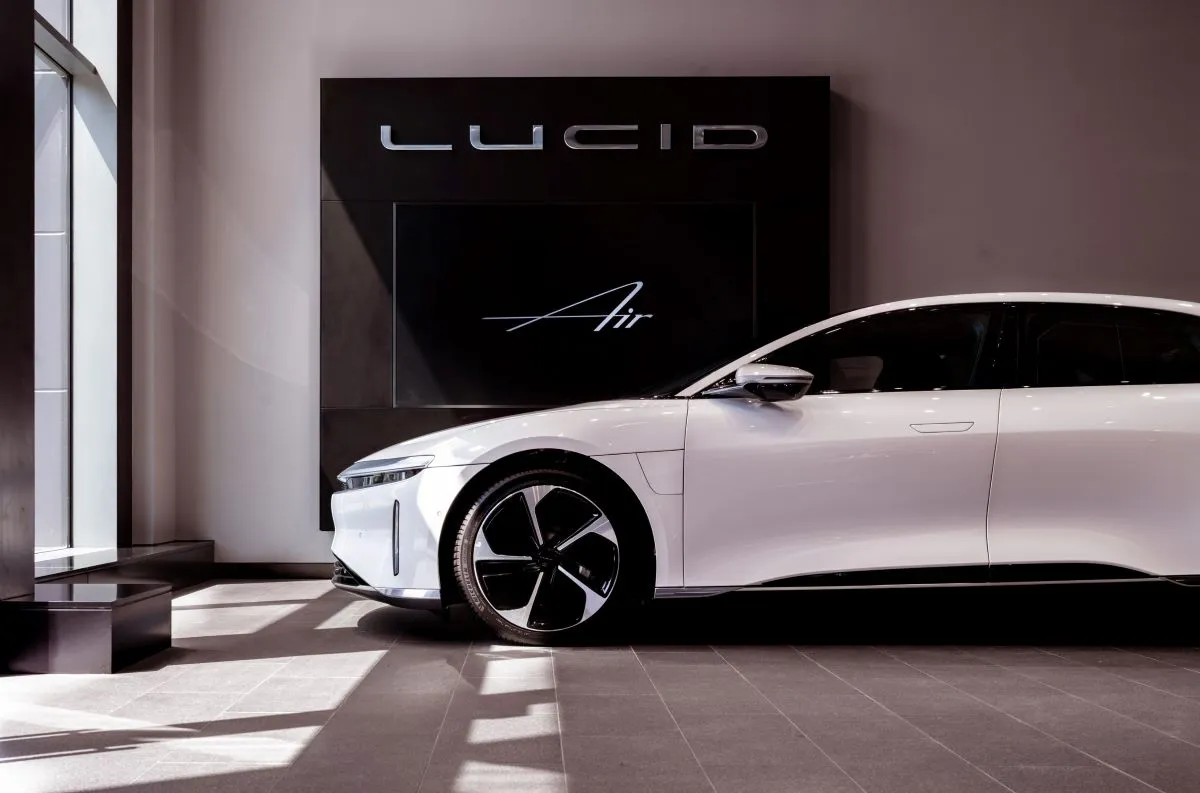
“The whole market is at an intersection,” Chalhoub observes. “New brands that are trying to disrupt the incumbents.” While Chinese brands continue to gain market share, he believes “there’s also going to be an appetite for German brands, some American brands like Lucid Motors, Rivian.”
The Missing Piece: Local Manufacturing
Unlike many countries with aggressive EV targets, the UAE doesn’t manufacture its own electric vehicles. While the government has invested in brands like Nio, the market currently relies entirely on imports.
According to Seitz, local EV production could be a game-changer, providing the government with more options for financial incentives by waiving certain taxes and fees, making locally produced EVs more affordable.
“Subsidies cost a lot of money,” Seitz notes. Domestic EV production would not only reduce costs but also attract investment, create jobs, and give the UAE greater control over its market and sustainability goals. “It’s a natural accelerator,” he adds.
The Bigger Picture: Sustainability
Beyond economic benefits and transport innovation, the UAE’s push for electric vehicles is fundamentally about sustainability.
“I’m part of the generation that grew up with climate change being an issue,” says Chalhoub. “Now we’re in our 30s, and it’s still an issue. Hopefully, we’re here to solve it.”
Key Takeaway
The UAE’s journey to 50% EV adoption by 2050 faces significant challenges that require coordinated action from government, industry, and consumers. While current incentives provide a good foundation, accelerating adoption will likely require stronger regulatory support, expanded charging infrastructure, increased consumer education, and potentially local manufacturing capabilities. With the right approach, the UAE can transform its ambitious targets into achievable goals, positioning itself as a leader in sustainable transportation in the Middle East.
Additional Reading Material
The UAE week, every Monday
The week's stories on jobs, visas, money and daily life in one short email. Unsubscribe in one click.