Exploring the Dubai Desert: Ultimate Guide to Safaris & Adventures
Discover the magic of the Dubai desert with our comprehensive guide to desert safaris, cultural experiences, and practical tips for an unforgettable Arabian adventure.
By Vadim Kouznetsov, published
Introduction: The Untamed Beauty Beyond the Skyscrapers
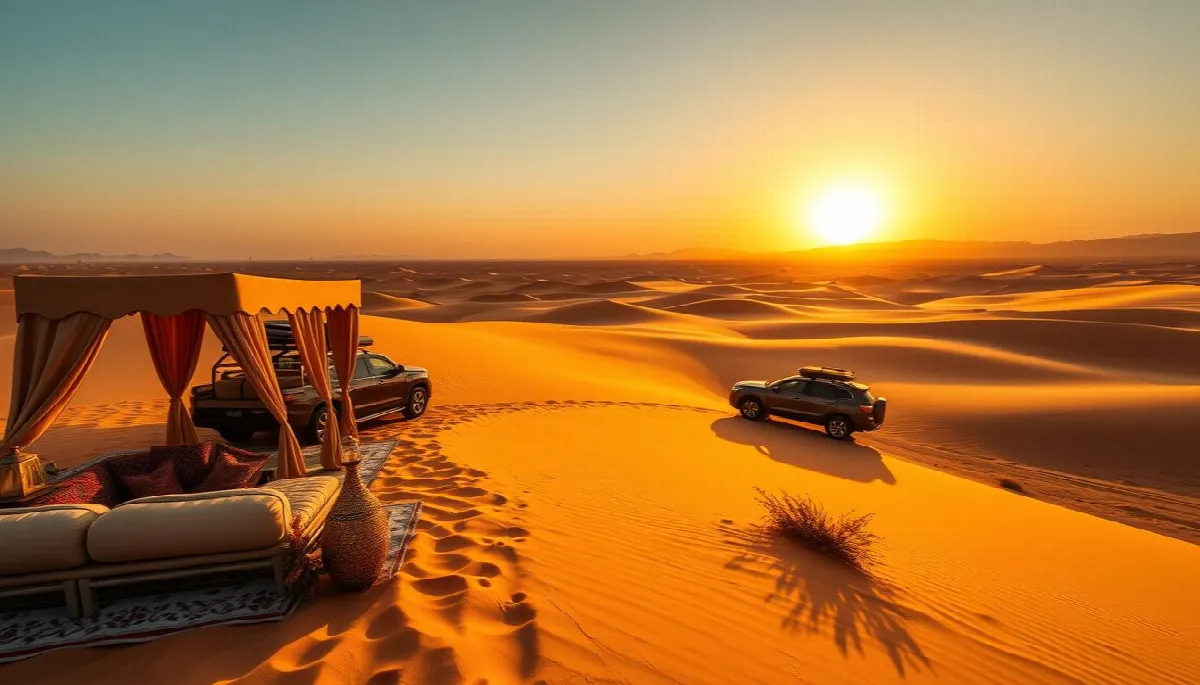
Just beyond Dubai’s glittering skyline and bustling shopping malls lies a landscape that has shaped the region’s identity for millennia. The Dubai desert stands in stark contrast to the ultra-modern metropolis—a vast expanse of golden dunes stretching toward the horizon, creating rippling patterns that shift with the desert winds.
While Dubai’s urban wonders rightfully attract millions of visitors each year, the surrounding desert offers a different kind of magic. Here, amidst the silence and solitude of the sand dunes, visitors can experience the raw, natural beauty that existed long before the first foundation of Dubai’s towering skyscrapers was laid.
The desert around Dubai isn’t just a barren wasteland; it’s a vibrant ecosystem and a cultural cornerstone. From thrilling adventures to serene sunset views, from wildlife encounters to insights into Bedouin traditions, the Dubai desert provides experiences that perfectly complement the city’s cosmopolitan attractions.
This guide explores everything you need to know about visiting the Dubai desert—from the various safari experiences available to cultural insights, practical tips, and the best ways to capture the desert’s unique beauty.
Desert Safari Experiences: Adventures in the Sand
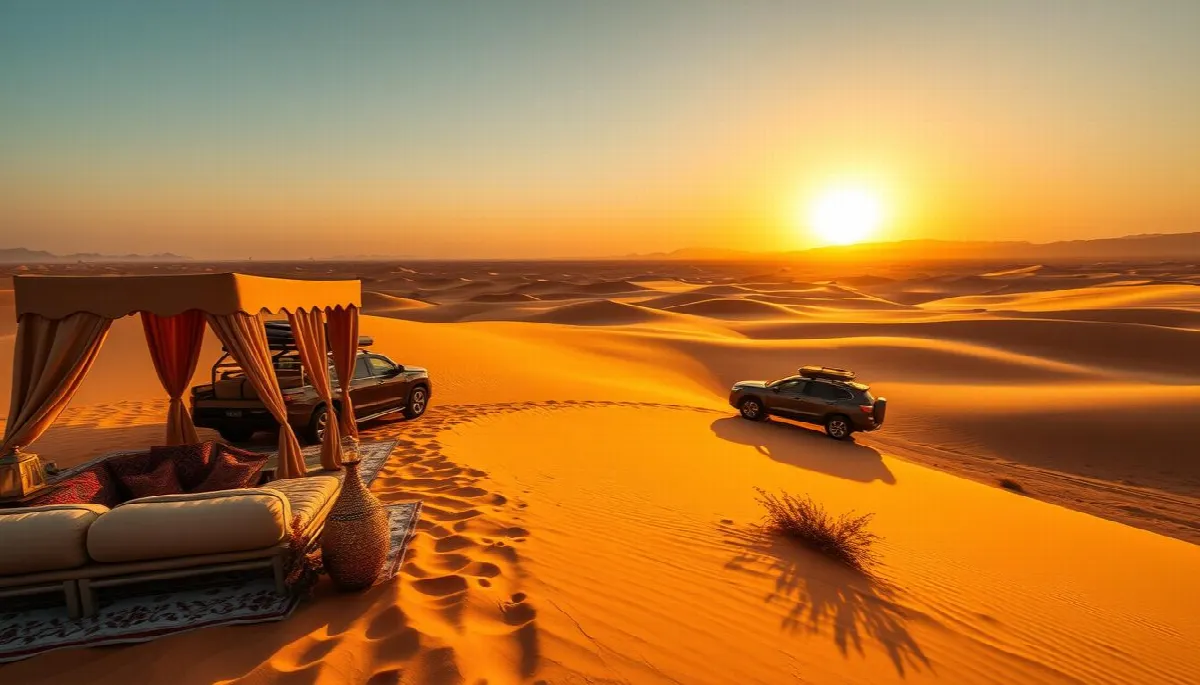
A desert safari is undoubtedly the most popular way to experience Dubai’s desert landscape, offering a variety of activities tailored to different preferences and thresholds for adventure.
Types of Desert Safaris
Morning Desert Safaris
Starting early in the day, morning safaris allow visitors to experience the desert before the heat intensifies. These typically include:
- Dune bashing in 4×4 vehicles
- Camel rides during the cooler morning hours
- Sandboarding down dunes
- Breakfast at a desert camp
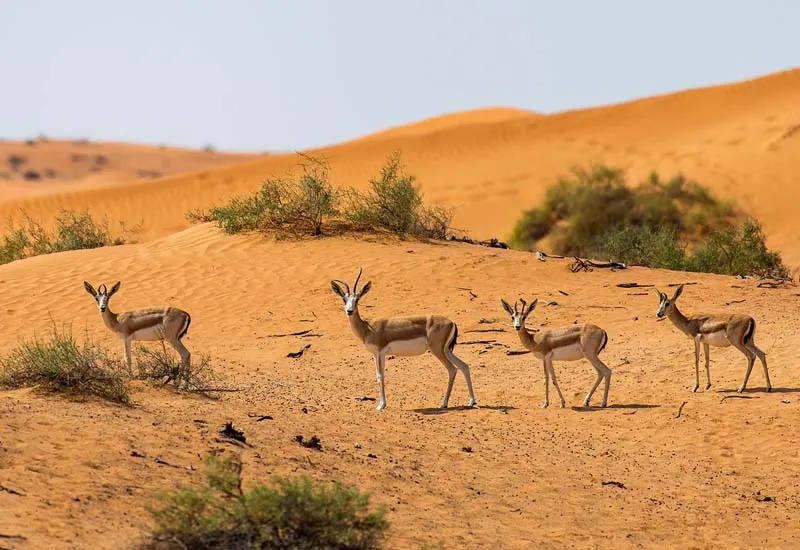
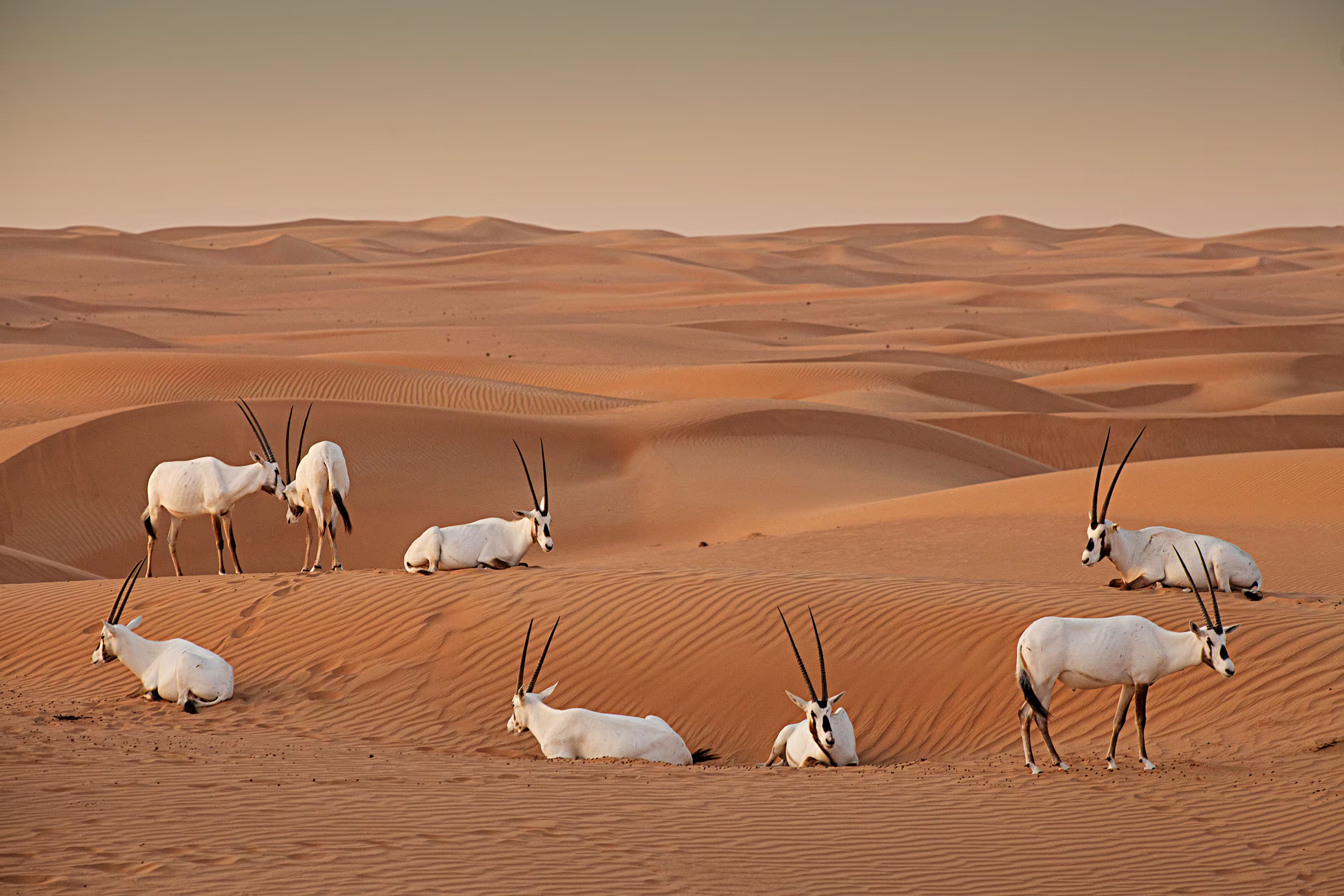
- Wildlife spotting, including Arabian oryx and gazelles
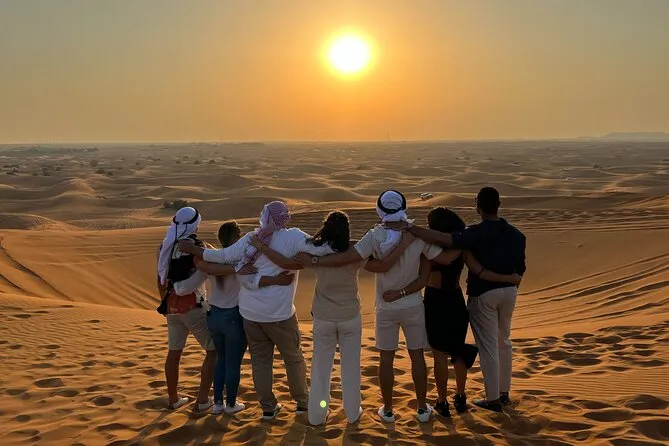
Morning safaris are ideal for families with children and those who prefer to avoid the evening crowds.
Evening Desert Safaris
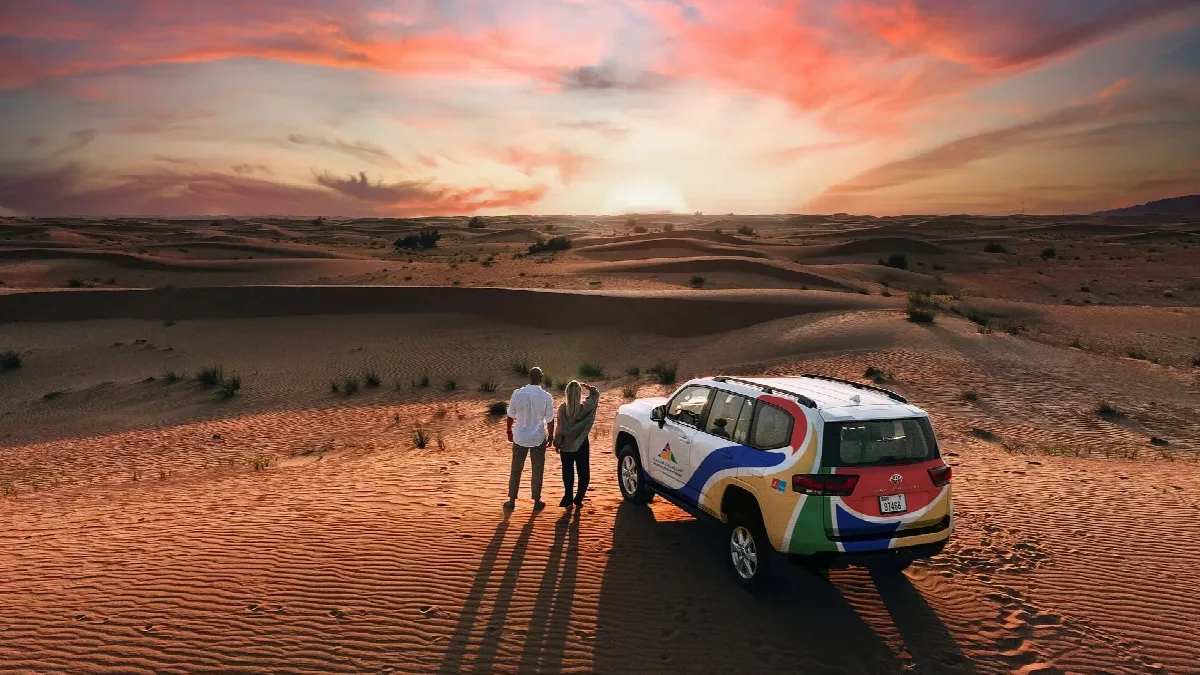
The most popular option, evening safaris combine adventure with entertainment and typically include:
- Pickup from your hotel around 3-4 PM
- Thrilling dune bashing in 4×4 vehicles
- Camel rides at sunset
- Sandboarding activities
- Photography stops at sunset viewpoints
- Dinner at a Bedouin-style camp
- Cultural performances including belly dancing and tanoura shows
- Henna painting and shisha (hookah) experiences
- Return to the hotel by 9-10 PM
Overnight Desert Safaris
For those seeking a more immersive experience, overnight safaris offer:
- All activities included in evening safaris
- Sleeping under the stars in traditional Bedouin tents
- Dawn views over the desert
- Additional time for stargazing and photography
- Breakfast before returning to the city
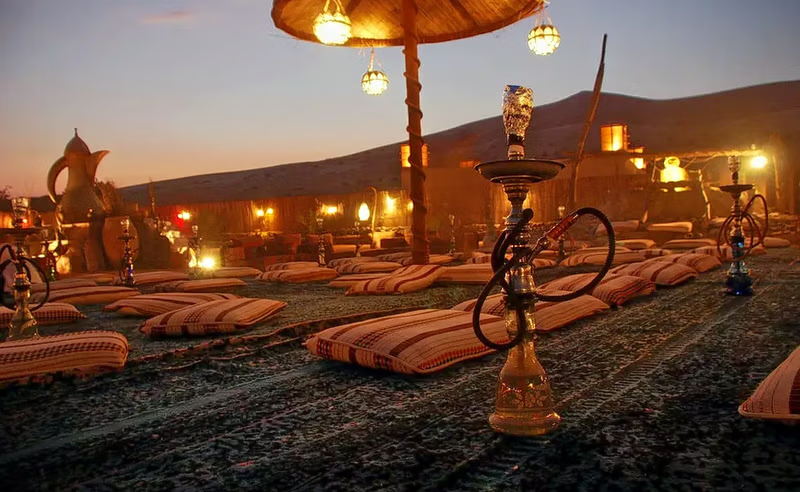
Luxury Desert Safaris
Companies like Platinum Heritage offer premium experiences featuring:
- Transport in vintage Land Rovers or luxury 4×4 vehicles
- Access to private conservation areas
- Gourmet dining experiences
- Private guides and personalised service
- Wildlife encounters in protected areas
- Higher quality entertainment and cultural activities
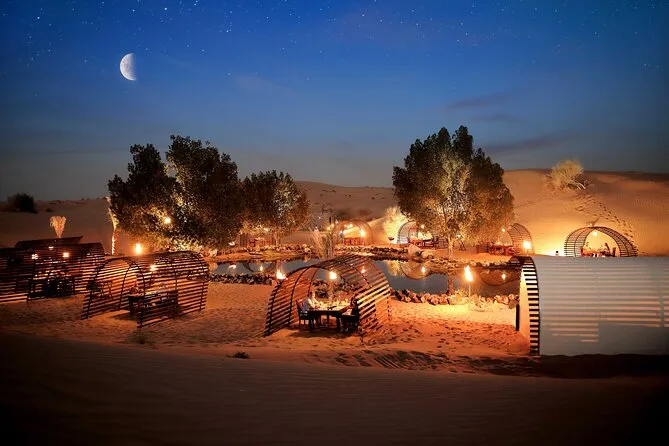
Popular Desert Activities
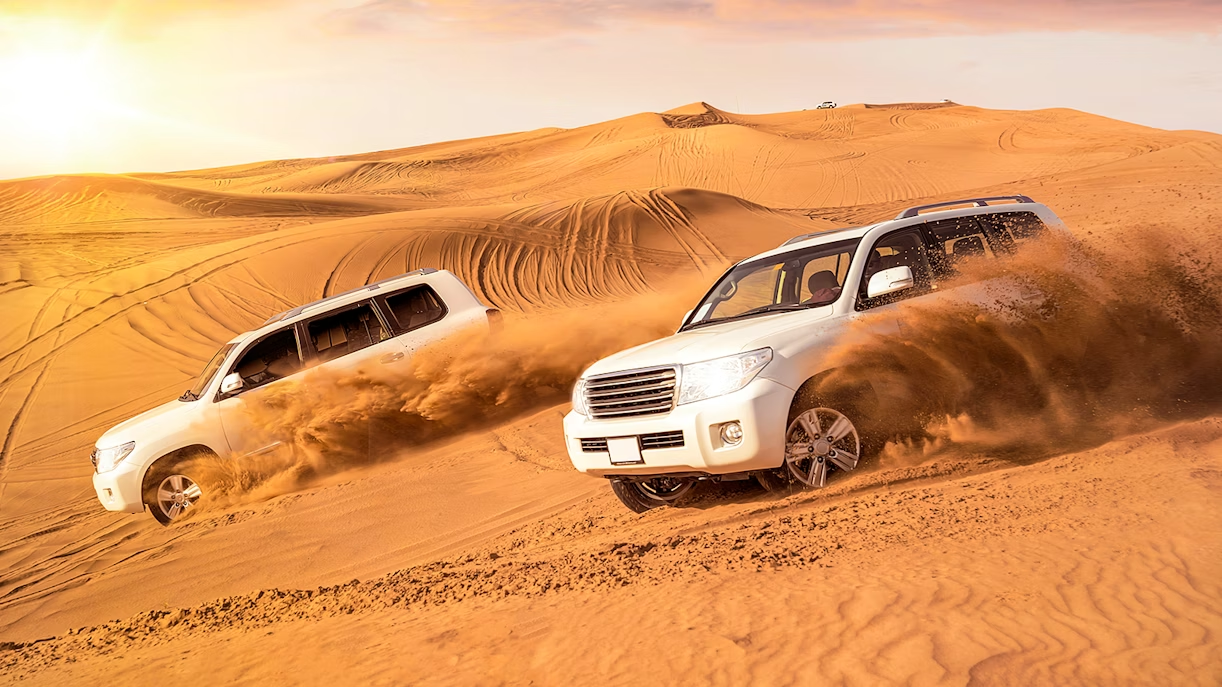
Dune Bashing
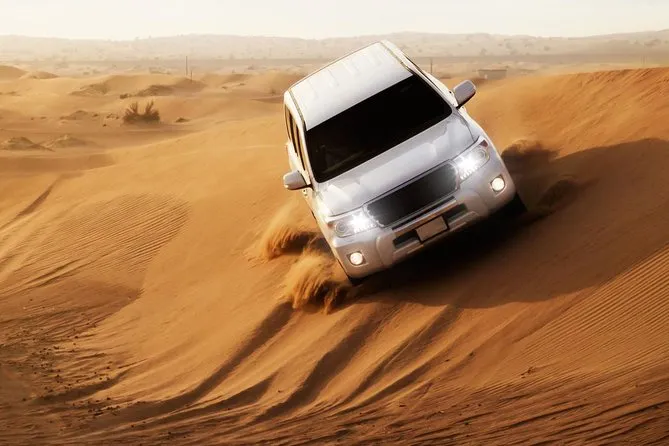
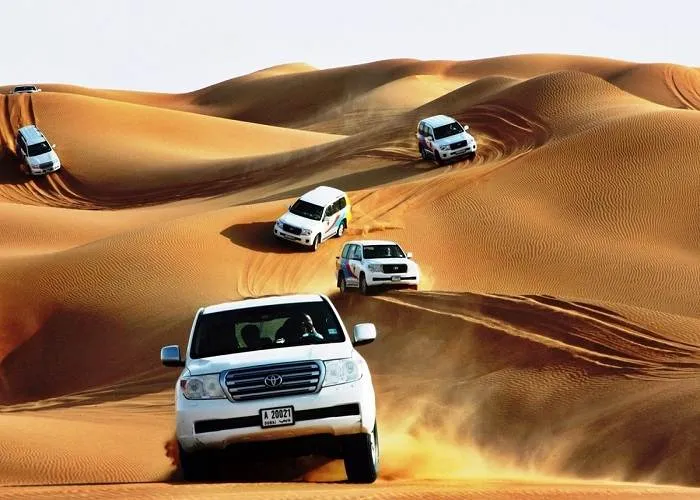
Perhaps the most exhilarating desert activity, dune bashing involves skilled drivers navigating powerful 4×4 vehicles up, down, and across towering sand dunes. The experience is both thrilling and safe, with professional drivers trained specifically for desert conditions. The roller-coaster-like ride creates an adrenaline rush as vehicles climb steep dunes and slide down their faces at seemingly impossible angles.
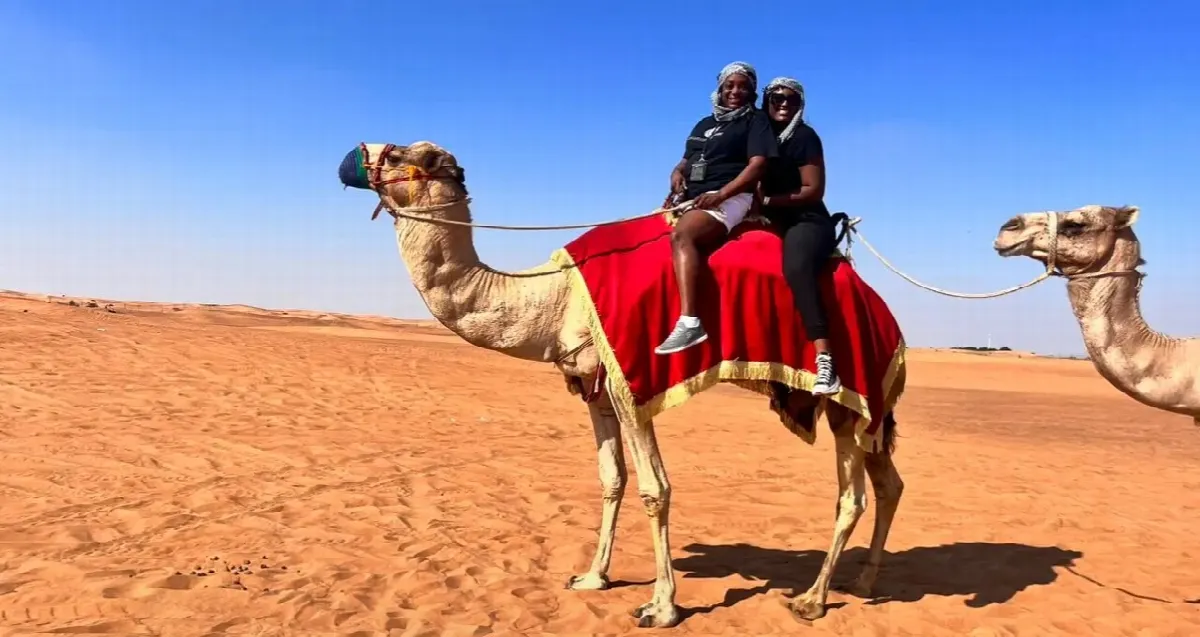
Camel Riding
Experience the traditional mode of desert transport with a camel ride. Though typically short (10-15 minutes on most safaris), these rides offer a glimpse into how people traversed these landscapes for centuries. The gentle, swaying motion of camel riding provides excellent photo opportunities and a connection to the region’s heritage.
Sandboarding
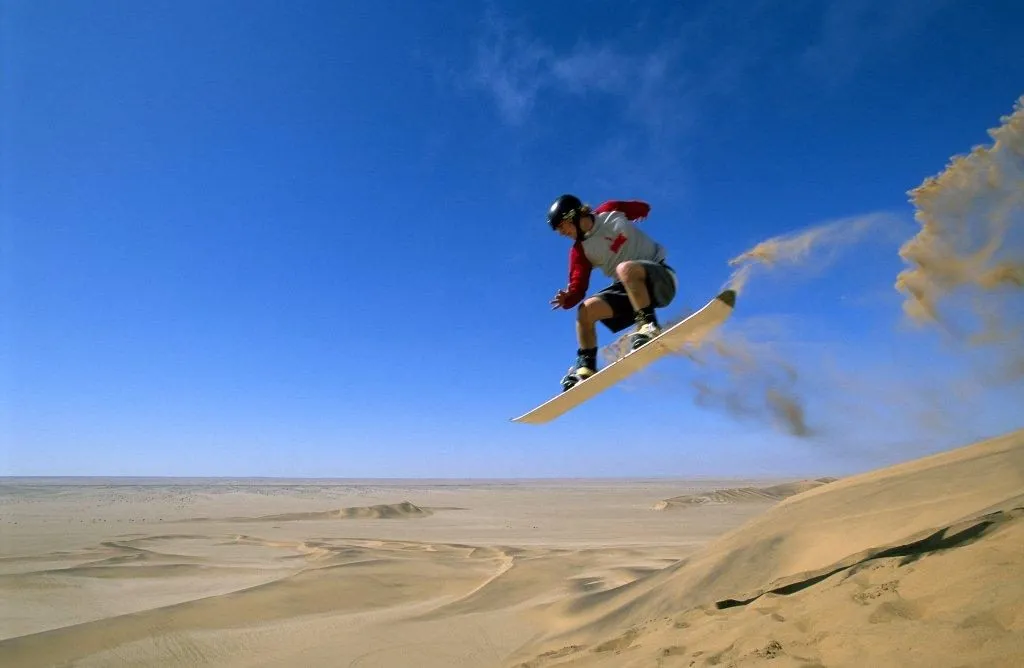
Similar to snowboarding but on sand, sandboarding allows visitors to surf down dunes on specially designed boards. No previous experience is necessary, making it accessible to most visitors. Tour guides provide basic instructions, and multiple runs are usually possible during a safari stop.
Falconry Demonstrations
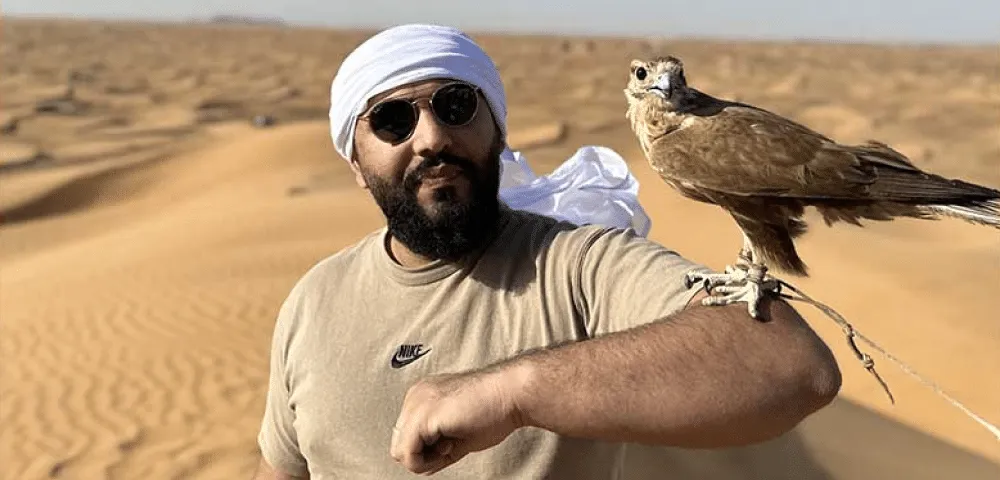
Some premium safari experiences include falconry shows, demonstrating the traditional Bedouin hunting method that has been recognised by UNESCO as an Intangible Cultural Heritage. These shows highlight the remarkable bond between falconers and their birds while explaining the historical significance of falconry in desert survival.
Quad Biking and Dune Buggies
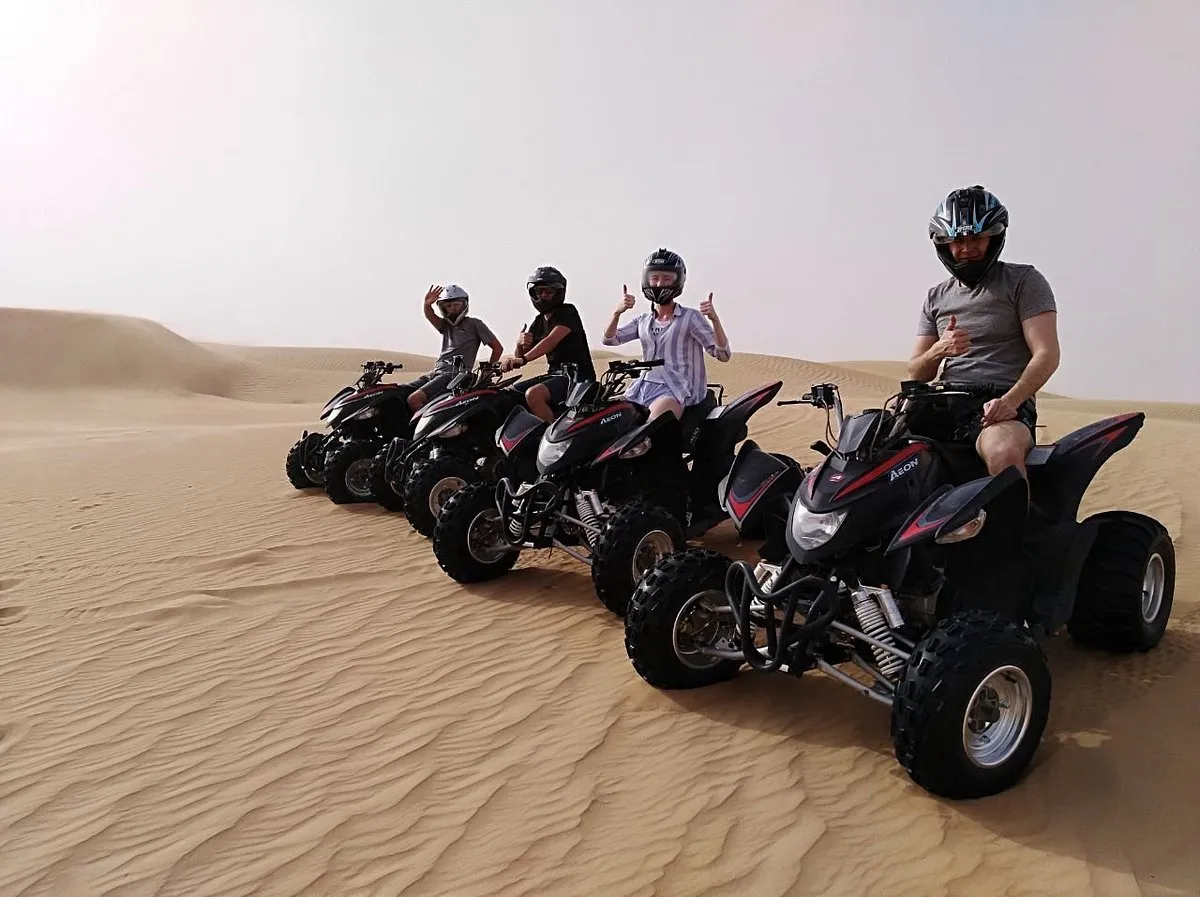
For an additional fee, many safari companies offer motorised adventures on quad bikes (ATVs) or dune buggies. These self-driven vehicles provide a more hands-on desert experience, though they typically follow designated trails rather than the extreme routes taken during dune bashing.
Dubai’s Notable Desert Areas
The Lahbab Desert
Located approximately 50 kilometres southeast of Dubai city, the Lahbab Desert is known for its distinctive red sand dunes. This area is particularly popular for dune bashing and safari experiences due to its accessibility from the city and the dramatic colour of its sand, which is especially striking during sunset.
Al Marmoom Desert Conservation Reserve
The Al Marmoom Desert Conservation Reserve is the UAE’s first unfenced desert conservation reserve, covering over 10% of Dubai’s total land area. This protected area is home to:
- Over 60 species of desert plants
- Arabian oryx, gazelles, and desert foxes
- 10 artificial lakes attracting over 170 bird species
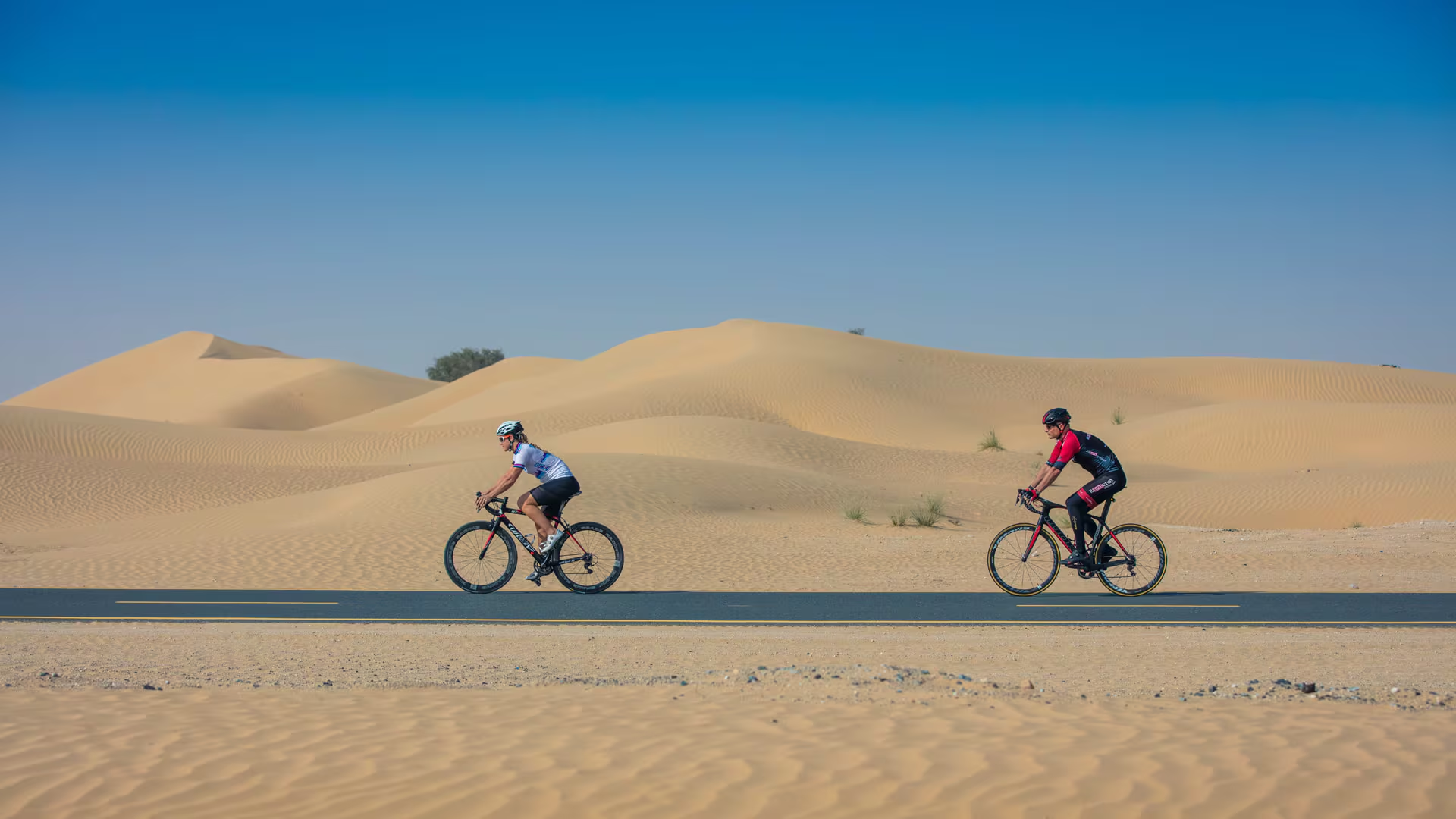
- Desert cycling tracks stretching over 100 kilometres
The reserve focuses on sustainable tourism and conservation efforts, making it ideal for eco-conscious travellers.
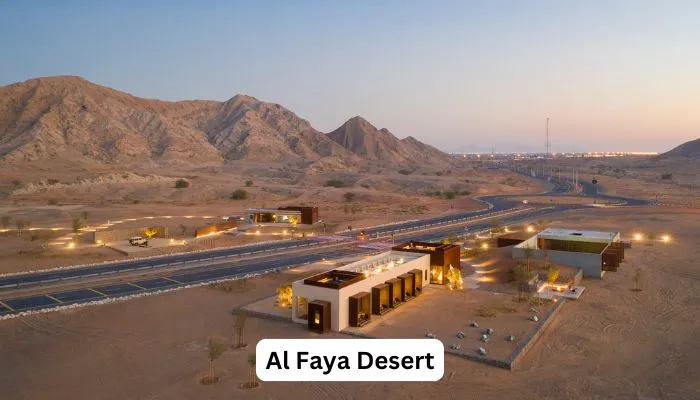
Al Faya Desert
Known for its red sand dunes and unique terrain, the Al Faya Desert near Sharjah offers dramatic landscapes and is a favourite destination for off-road enthusiasts and photographers. The area is less commercialised than some other desert locations, providing a more authentic experience.
Dubai Desert Conservation Reserve
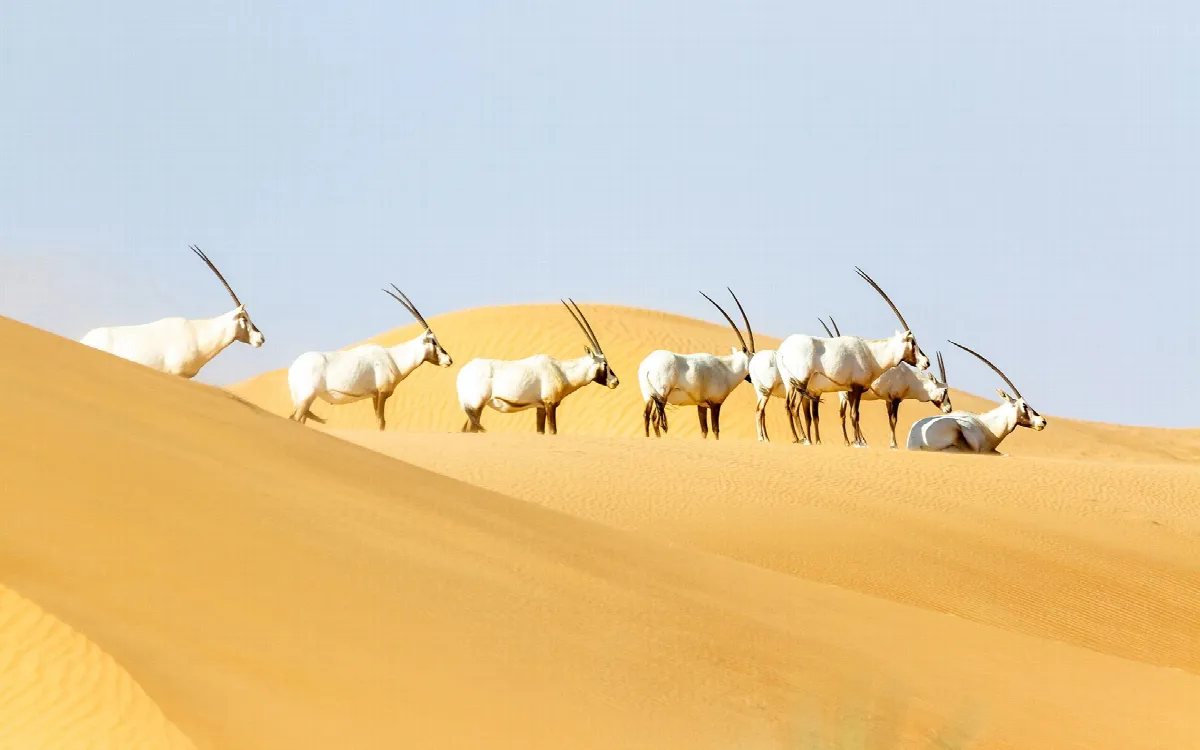
This protected area spans 225 square kilometres and is managed with a focus on preserving the desert ecosystem. Only select tour operators like Platinum Heritage are permitted to conduct activities within the reserve, ensuring minimal environmental impact. The reserve is home to free-roaming wildlife including the endangered Arabian oryx.
Cultural Insights: Desert Traditions in Modern Dubai
The desert has profoundly shaped Emirati culture, and despite Dubai’s rapid modernisation, desert traditions remain an important part of the city’s identity.
Bedouin Heritage
The Bedouin people—nomadic Arabs who traditionally inhabited the desert regions—developed remarkable skills and traditions to survive in this harsh environment. Many desert safaris incorporate elements of Bedouin culture, including:
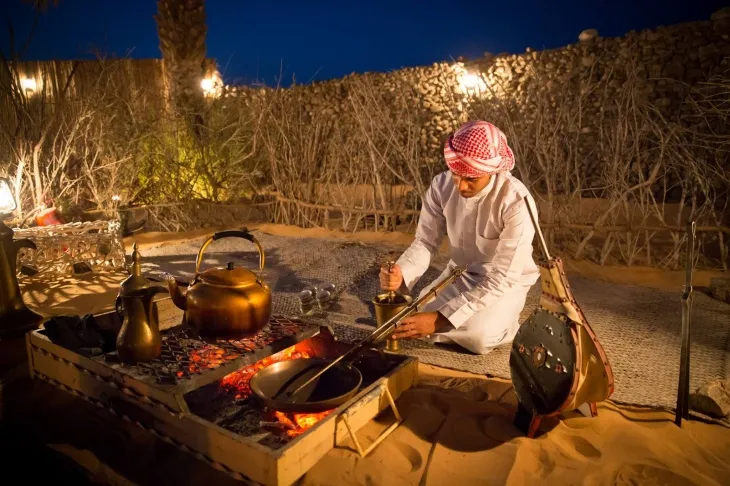
- Traditional Arabic coffee (gahwa) ceremonies using coffee pots called dallah
- Dates served as a symbol of hospitality
- Demonstrations of bread-making techniques
- Stories about navigation, water finding, and survival methods
Desert Architecture Influences
Traditional desert architectural elements have been incorporated into modern Dubai buildings, including:
- Wind towers (barjeel) for natural cooling
- Intricate latticework (mashrabiya) for privacy and shade
- Courtyard designs that create cooler microclimates
- These elements can be observed in the Al Fahidi Historical Neighbourhood and various heritage sites.
The Role of Camels
Often called the “ships of the desert,” camels remain culturally significant in Dubai:
- Camel racing is a popular sport with dedicated tracks like Al Marmoom Racing Track
- Camel milk is used in traditional and modern culinary creations
- Camels represent status and are featured prominently in cultural celebrations
Desert Products and Trade
Desert-derived products continue to influence Dubai’s economy and culture:
- Date palms provide fruit that remains a staple in Emirati diets
- Desert plants like ghaf trees hold cultural significance
- Traditional perfumes often incorporate desert-sourced ingredients like frankincense and oud
Practical Tips for Desert Visitors
Best Time to Visit the Dubai Desert
The optimal time to explore the Dubai desert is between October and April when temperatures are more moderate. During this period:
- Daytime temperatures range from 20-30°C (68-86°F)
- Evenings can be cool, sometimes dropping to 15°C (59°F)
- The weather is pleasant for outdoor activities
Summer months (May to September) bring extreme heat with temperatures regularly exceeding 40°C (104°F). If visiting during summer:
- Opt for morning safaris to avoid peak afternoon heat
- Ensure you’re booking with companies that take extra precautions for guest comfort
- Prepare for extreme temperature differences between day and night
What to Wear
Appropriate attire is essential for comfort and cultural sensitivity:
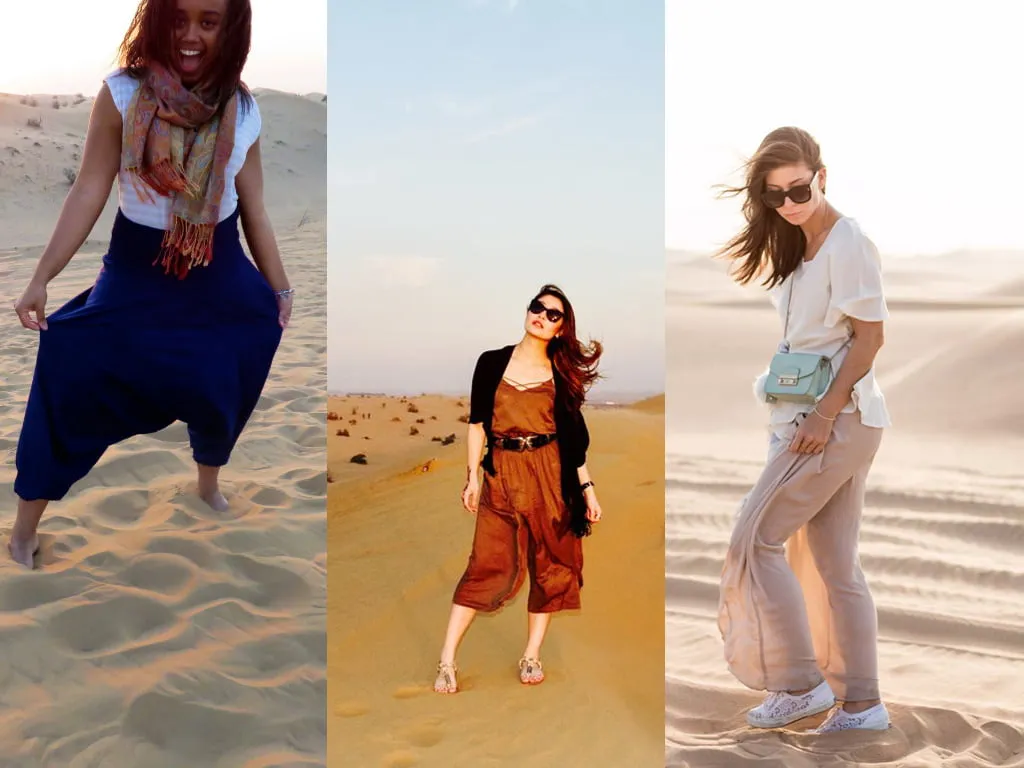
- Daytime: Lightweight, breathable clothing that covers shoulders and knees
- Footwear: Closed shoes or trainers (not sandals) for walking in sand
- Head protection: Sun hats and sunglasses
- Evening: Light jacket or shawl for cooler desert nights
- Accessories: Scarf or shemagh (traditional headscarf) to protect from sand
As a visitor advised by a Dubai resident: “Casual trousers, tights or capri pants and long sleeve t-shirts or tunics will protect your limbs from the sun and sand. Save the dreamy dresses for your Instagram shots because they will get in the way during sandboarding, dune buggy rides or camel rides.”
What to Pack
Essential items for your desert excursion include:
- High SPF sunscreen
- Lip balm with UV protection
- Reusable water bottle (most tours provide water)
- Camera with sand protection (dust-proof case or bag)
- Hand sanitiser
- Wet wipes
- Small towel for sand removal
- Power bank for mobile devices
Health and Safety Considerations
To ensure a safe and enjoyable desert experience:
- Stay hydrated by drinking plenty of water
- Use sun protection including sunscreen, hat, and sunglasses
- Inform your tour guide of any medical conditions
- Follow all safety instructions during activities like dune bashing
- Consider motion sickness medication if you’re prone to travel sickness
- Respect wildlife and maintain a safe distance from animals
- Never venture into the desert alone without proper experience and equipment
Tour Booking Advice
When selecting a desert safari:
- Book in advance, especially during peak season (November to March)
- Read reviews on multiple platforms
- Verify what’s included in the package price
- Check if there are additional fees for activities like quad biking
- Confirm pickup and drop-off details
- Ask about group size—smaller groups often provide better experiences
- Consider booking through reputable online platforms or your hotel
Cost Expectations
Desert safari experiences vary in price depending on inclusions and quality:
- Basic evening safaris typically range from AED 150-300 (£30-60) per person
- Premium experiences with Platinum Heritage or similar companies cost AED 595-1,500 (£120-300) per person
- Additional activities like quad biking usually cost AED 100-200 (£20-40) extra
- Overnight experiences range from AED 400-2,000 (£80-400) depending on luxury level
Many visitors find that mid-range options (AED 250-400) offer the best value, balancing quality and price.
Photography Tips for Desert Visitors
Capturing the Desert’s Beauty
The Dubai desert offers exceptional photography opportunities:
- Golden hour (the hour after sunrise and before sunset) provides the most flattering light
- Use the natural patterns in the sand as leading lines
- Include people or camels for scale in landscape shots
- Protect your equipment from sand with proper covers or bags
- Consider bringing a polarising filter to enhance the sky contrast
Best Photography Locations
Popular spots for desert photography include:
- The top of high dunes for panoramic views
- Al Qudra Lakes for wildlife and water reflections
- The edge of the Dubai Desert Conservation Reserve for unspoiled landscapes
- Desert camps with traditional architecture and decorations
Self-Drive Desert Adventures
While most visitors opt for organised safaris, experienced off-road drivers might consider self-drive desert adventures:
Essential Requirements
- A proper 4×4 vehicle with high clearance
- Desert driving experience or training
- Recovery equipment including tow ropes, sand tracks, and shovel
- Multiple vehicles (never go alone)
- GPS and communications equipment
- Adequate water and supplies
Popular Self-Drive Routes
- Al Qudra – Big Red track (suitable for beginners)
- Nazwa Desert routes (intermediate)
- Fossil Rock area (varying difficulty levels)
As advised by local 4×4 enthusiasts: “Do not go alone. There are several groups out there that do not charge for membership. Go with them and get experience in driving on the sand. Offroading is an extreme sport and not knowing what you are doing could severely damage your vehicle and potentially kill you as well.”
Sustainable Desert Tourism
As desert tourism grows, sustainable practices become increasingly important:
Environmental Considerations
- Choose tour operators that respect wildlife and minimise environmental impact
- Avoid littering and take all rubbish back to the city
- Respect protected areas and their regulations
- Consider tours that contribute to conservation efforts
Cultural Respect
- Learn about Bedouin traditions and their historical relationship with the desert
- Support authentic cultural experiences rather than commercialised shows
- Respect local customs regarding dress and behaviour
- Ask permission before photographing local people
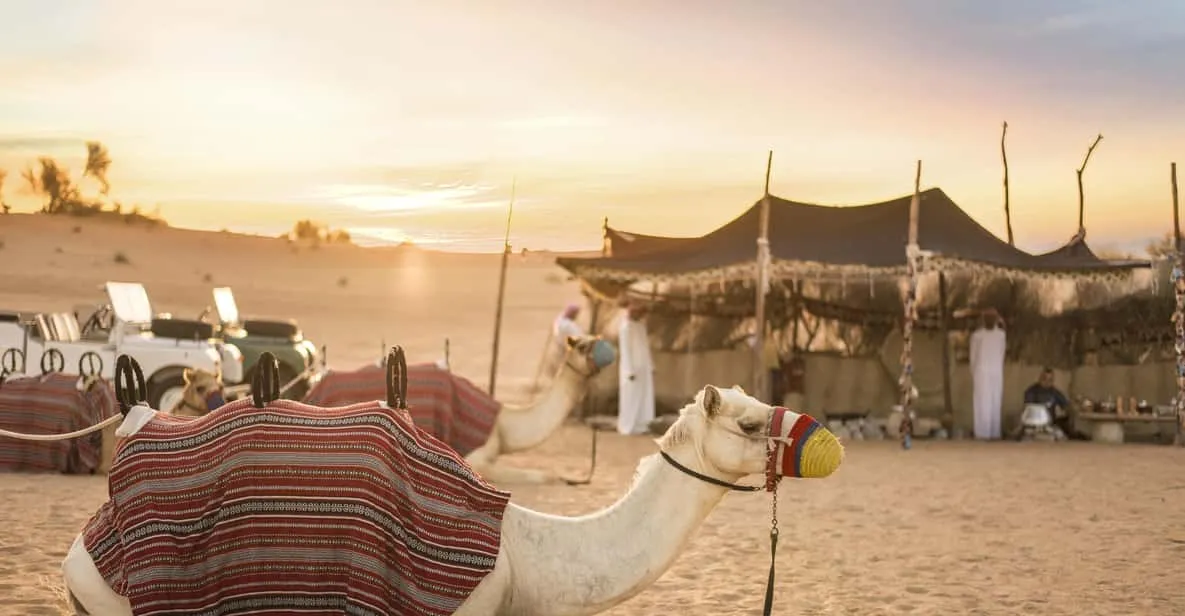
Conclusion: The Essential Dubai Experience
While Dubai’s urban landscape dazzles with its futuristic vision, the surrounding desert grounds visitors in the region’s ancient heritage and natural beauty. A desert excursion offers the perfect counterbalance to the city experience—trading skyscrapers for sand dunes, shopping malls for starry skies, and air-conditioned interiors for the open air.
Whether you seek adventure, cultural insights, photographic opportunities, or simply a peaceful escape from urban stimulation, the Dubai desert delivers an experience that resonates long after your footprints in the sand have disappeared.
No visit to Dubai is truly complete without venturing beyond the city limits to experience the landscape that has shaped this region’s history and continues to influence its identity today. As you stand atop a towering dune, watching the sunset paint the endless sands in hues of gold and amber, you’ll understand why the desert holds such a special place in both Emirati culture and the hearts of visitors.
The Dubai desert isn’t merely a day trip or excursion—it’s an essential part of understanding Dubai itself, offering both thrilling adventures and moments of profound tranquility that perfectly complement the city’s dazzling urban attractions.
Frequently Asked Questions About the Dubai Desert
What is the best desert safari in Dubai?
The “best” desert safari depends on your preferences and budget. Platinum Heritage offers premium experiences with vintage Land Rovers in conservation areas, while Arabian Adventures provides reliable mid-range options. Budget-conscious travellers might consider Desert Safari Dubai or Rayna Tours. For families, morning safaris with OceanAir Travels are often recommended due to their focus on child-friendly activities.
How much does a desert safari in Dubai cost?
Desert safari prices range from AED 150-300 (£30-60) for standard evening experiences to AED 595-1,500 (£120-300) for premium safaris. Budget options typically include dune bashing, camel rides, dinner, and basic entertainment. Premium experiences add luxury transportation, gourmet dining, exclusive access to conservation areas, and higher quality cultural activities.
Is a Dubai desert safari worth it?
Yes, most visitors consider a desert safari one of the highlights of their Dubai trip. It offers experiences unavailable in the city, including cultural insights and adventure activities. The desert provides a striking contrast to urban Dubai and helps visitors understand the region’s heritage and natural environment.
What should I wear for a desert safari in Dubai?
Wear comfortable clothing that covers shoulders and knees. Loose-fitting trousers or capri pants with t-shirts or light long-sleeve tops are ideal. Closed shoes are essential as sand gets extremely hot. Bring a light jacket for evening activities as the desert cools significantly after sunset. A scarf or shemagh (traditional headscarf) is useful for protecting against sand and sun.
Is dune bashing dangerous?
When conducted by professional drivers in properly maintained vehicles, dune bashing is generally safe. All reputable safari companies use experienced drivers specifically trained for desert conditions. Vehicles are equipped with safety features including roll cages and seat belts. Those with back problems, heart conditions, or who are pregnant should avoid dune bashing.
Can I do a desert safari with my own vehicle?
Technically yes, but it’s not recommended unless you have extensive desert driving experience and proper equipment. The desert can be dangerous for inexperienced drivers, with vehicles easily becoming stuck in soft sand. If attempting self-drive adventures, never go alone and always travel with at least one other 4×4 vehicle and proper recovery equipment.
When is the best time to visit the Dubai desert?
The most comfortable time is between October and April when temperatures are moderate (20-30°C/68-86°F). December and January offer the mildest weather but are also the busiest months. Summer (May-September) brings extreme heat, often exceeding 40°C (104°F), making outdoor activities challenging. If visiting in summer, choose morning safaris when temperatures are lower.
Are desert safaris suitable for children?
Yes, many safari options accommodate children, but age restrictions may apply for certain activities. Morning safaris are generally more suitable for young children, avoiding late nights and often featuring gentler dune bashing. Companies like OceanAir Travels and Arabian Adventures offer family-friendly options. Some premium providers like Platinum Heritage have specific family packages.
What should I bring to a desert safari?
Essential items include sunscreen, sunglasses, a hat, camera, and a small towel for removing sand. Most tour operators provide water, but bringing your own reusable bottle is recommended. Phones and cameras should be protected from sand with appropriate cases. Consider bringing motion sickness medication if you’re prone to travel sickness.
How long does a typical desert safari last?
Standard evening safaris typically last 5-6 hours, from pickup around 3-4 PM to return around 9-10 PM. Morning safaris usually run from 8-9 AM to early afternoon. Overnight experiences extend from afternoon pickup to morning return the following day. Premium safaris often have smaller groups and more relaxed timelines compared to budget options.
Additional Reading Material
The UAE week, every Monday
The week's stories on jobs, visas, money and daily life in one short email. Unsubscribe in one click.