Palm Jumeirah: Dubai’s Icon of Luxury and Innovation
Explore Palm Jumeirah, Dubai’s breathtaking artificial archipelago featuring luxury hotels, pristine beaches, and world-class dining options in a stunning palm-shaped design.
By Vadim Kouznetsov, published
Introduction
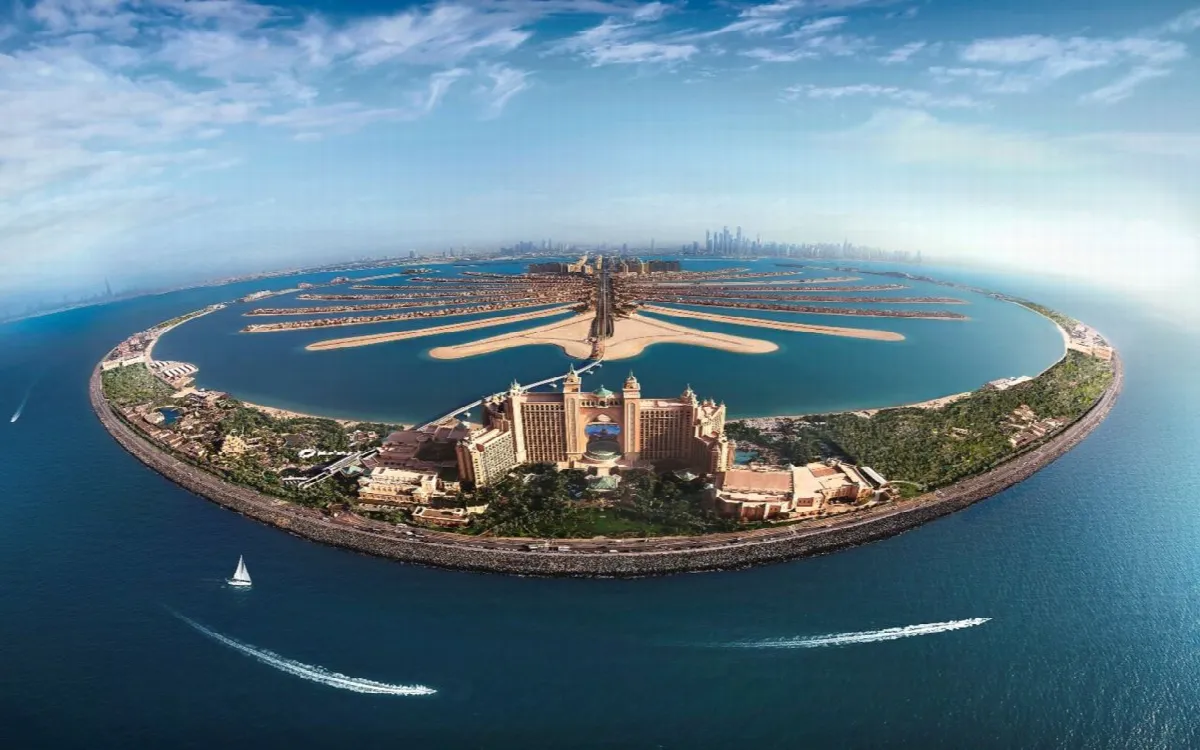
Palm Jumeirah stands as a testament to human ingenuity and Dubai’s ambitious vision—an artificial archipelago that has transformed the city’s coastline and become one of the world’s most recognisable landmarks. This palm-shaped marvel extends into the Persian Gulf, adding 520 kilometres of beaches to Dubai’s shoreline while housing some of the most luxurious properties, hotels, and leisure facilities in the world.
Dubbed the ‘Eighth Wonder of the World’, this engineering masterpiece is synonymous with Dubai’s remarkable transformation from a desert landscape to a global hub of innovation and luxury. Since its completion in 2006, Palm Jumeirah has become not only an architectural icon but also a premier lifestyle destination attracting tourists, investors, and residents alike.
Architecture & Engineering: Creating an Island Paradise
The Vision Behind the Palm
Palm Jumeirah was conceived in 2001 as part of Dubai’s strategy to diversify its economy through tourism and real estate. Developed by Nakheel Properties under the vision of His Highness Sheikh Mohammed bin Rashid Al Maktoum, the project aimed to create a landmark visible from space.
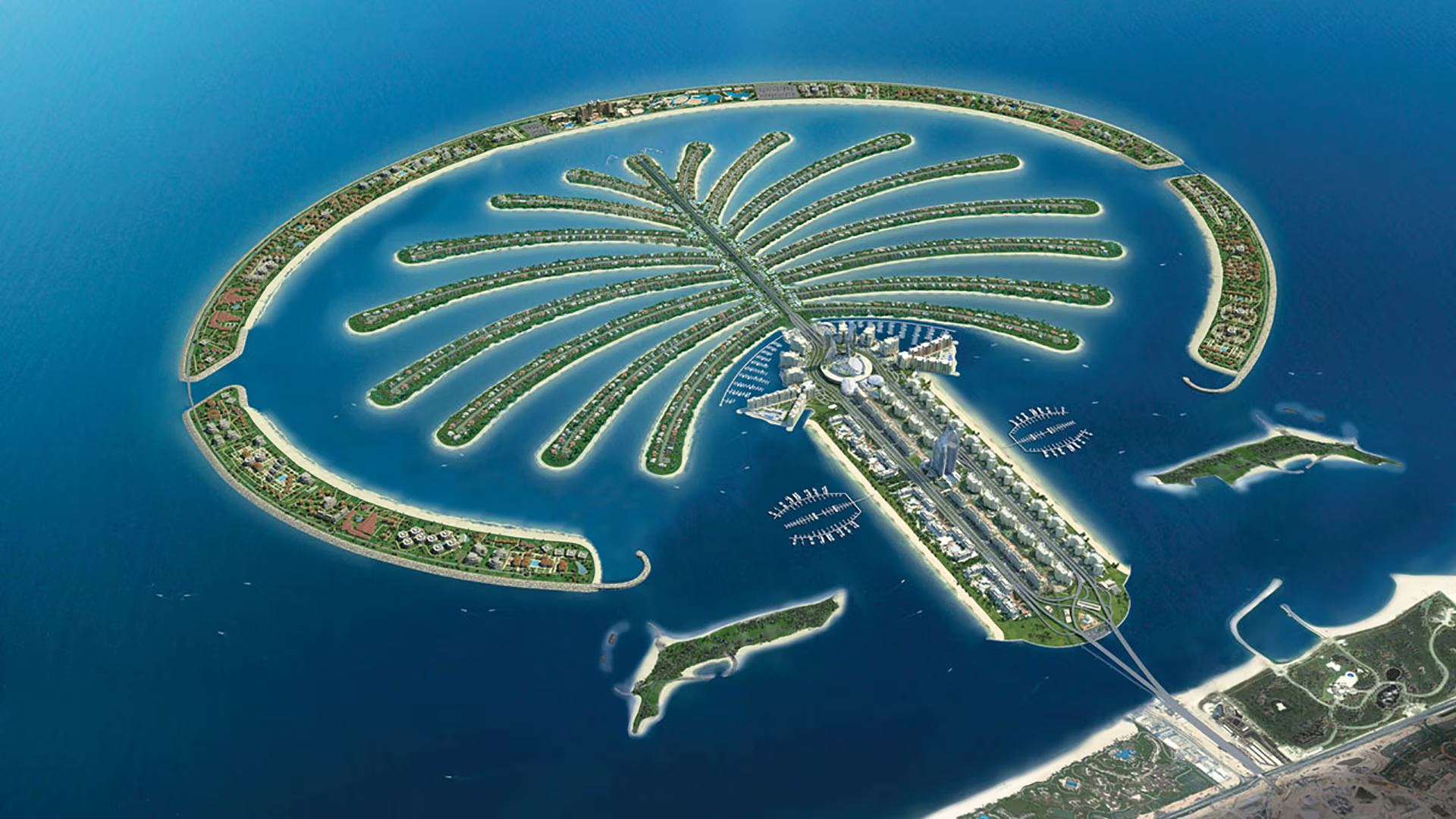
The island’s distinctive palm tree design isn’t merely aesthetic—it maximises shoreline space, creating more beachfront property than would be possible with a traditional coastal development. The fronds house residential villas, while the trunk contains apartment buildings, and the crescent serves as a breakwater whilst hosting luxurious hotels and resorts.
Engineering Challenges and Innovations
Building an artificial island of this scale presented unprecedented engineering challenges:
- Land Reclamation: Creating Palm Jumeirah required 94 million cubic metres of sand dredged from the Persian Gulf seabed.
- Precision Construction: GPS satellite technology guided the precise placement of sand to form the iconic palm shape.
- Environmental Considerations: Engineers had to ensure the structure wouldn’t disrupt natural water currents or damage marine ecosystems.
- Structural Stability: A 12-kilometre crescent-shaped breakwater protects the island from erosion and strong currents.
The construction involved innovative techniques including vibro-compaction to prevent settlement of the new land. Over 40 million tonnes of rock were used to create the breakwater, and sophisticated satellite monitoring continues to track any movement or settlement.
Infrastructure Development
Beyond the land itself, Palm Jumeirah required comprehensive infrastructure:
- Transportation: The Palm Monorail connects the island to the mainland, with stations at Palm Gateway, Al Ittihad Park, Nakheel Mall, and Atlantis Aquaventure.
- Utilities: A complex underwater network delivers electricity, water, and telecommunications services.
- Sustainability Features: Despite its artificial nature, the development incorporates sustainability measures including water recycling systems and energy-efficient buildings.
Luxury & Leisure: The Ultimate Destination
Magnificent Hotels and Resorts
Palm Jumeirah hosts some of the world’s most iconic hotels:
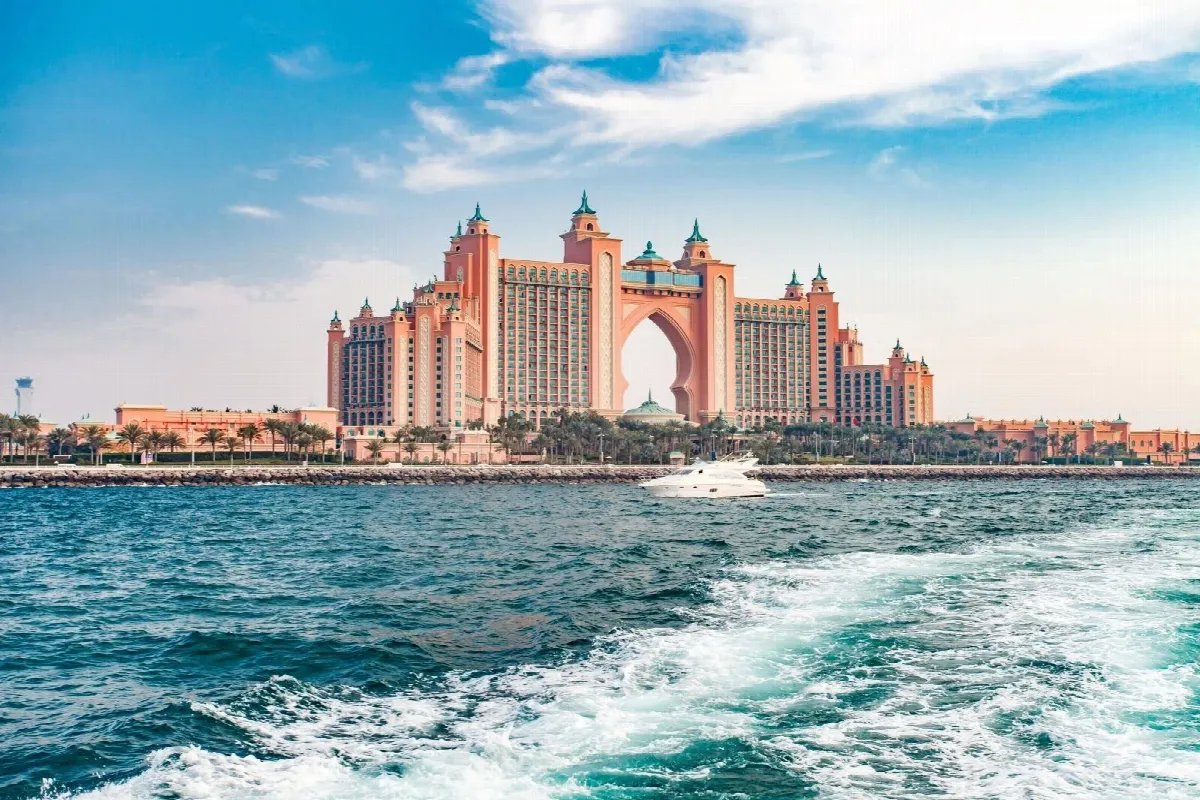
- Atlantis, The Palm: This flagship resort features distinctive Arabian architecture and world-class attractions including Aquaventure Waterpark and The Lost Chambers Aquarium.
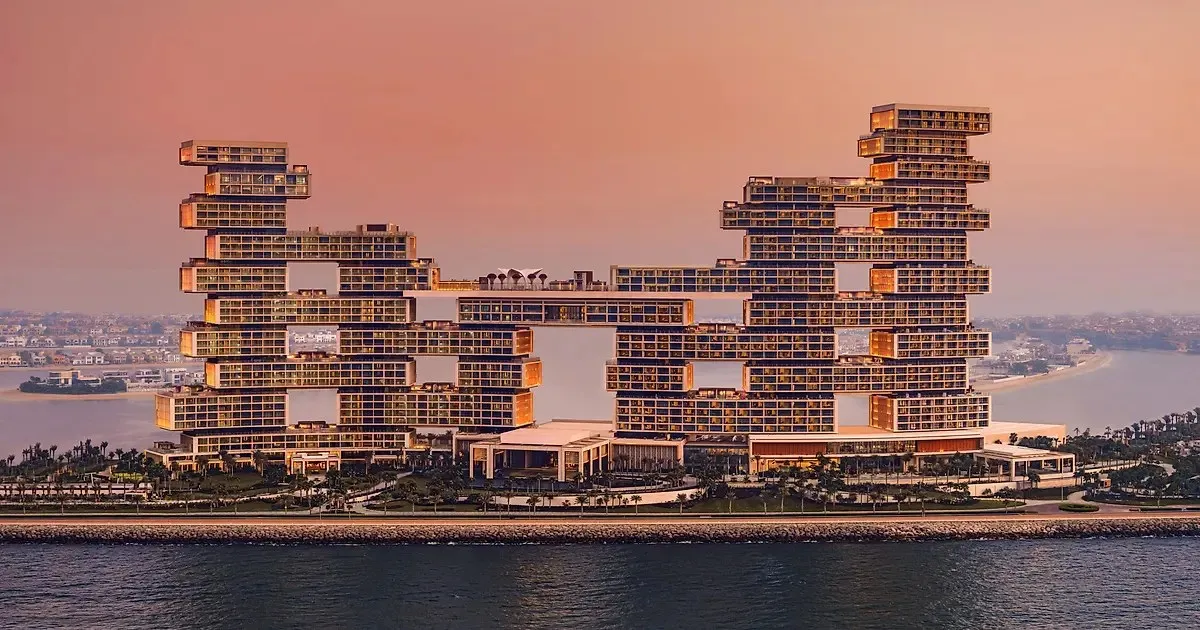
- Atlantis The Royal: The newer sister property has become an instant architectural marvel with its distinctive design.
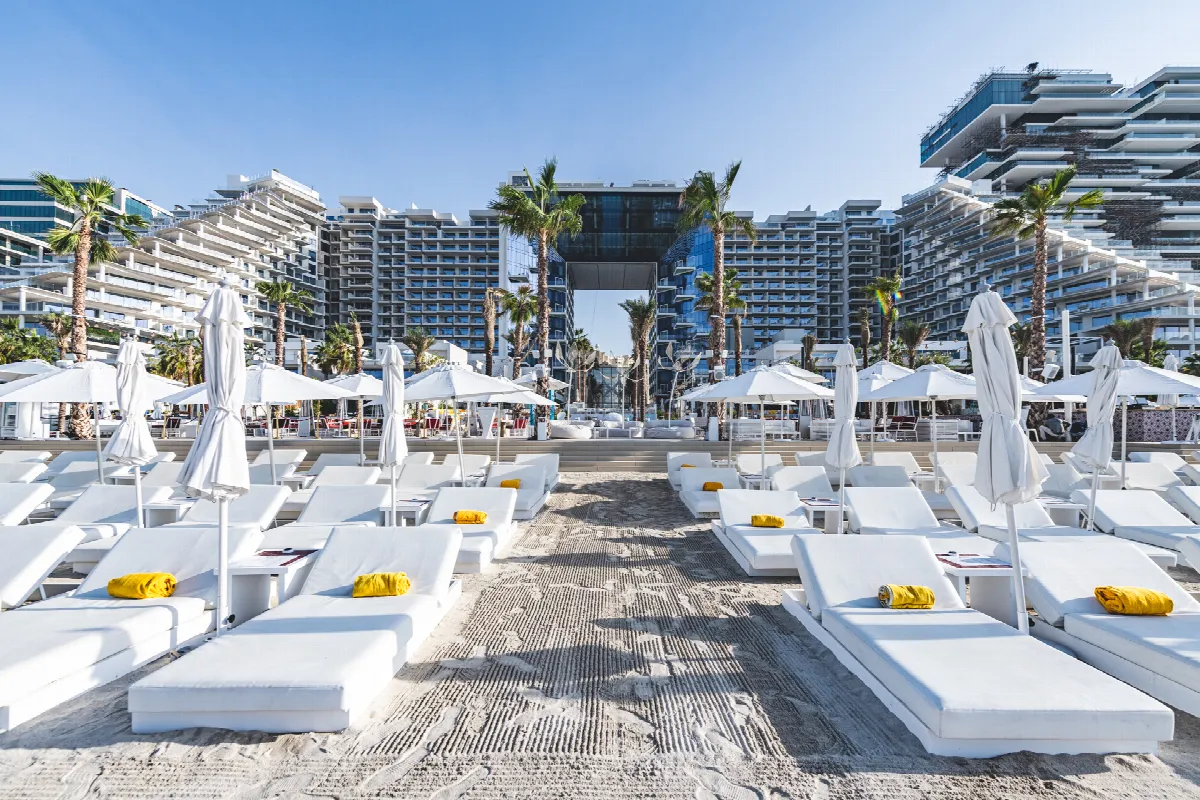
- FIVE Palm Jumeirah: Known for its vibrant atmosphere and stunning views of the Dubai Marina skyline.
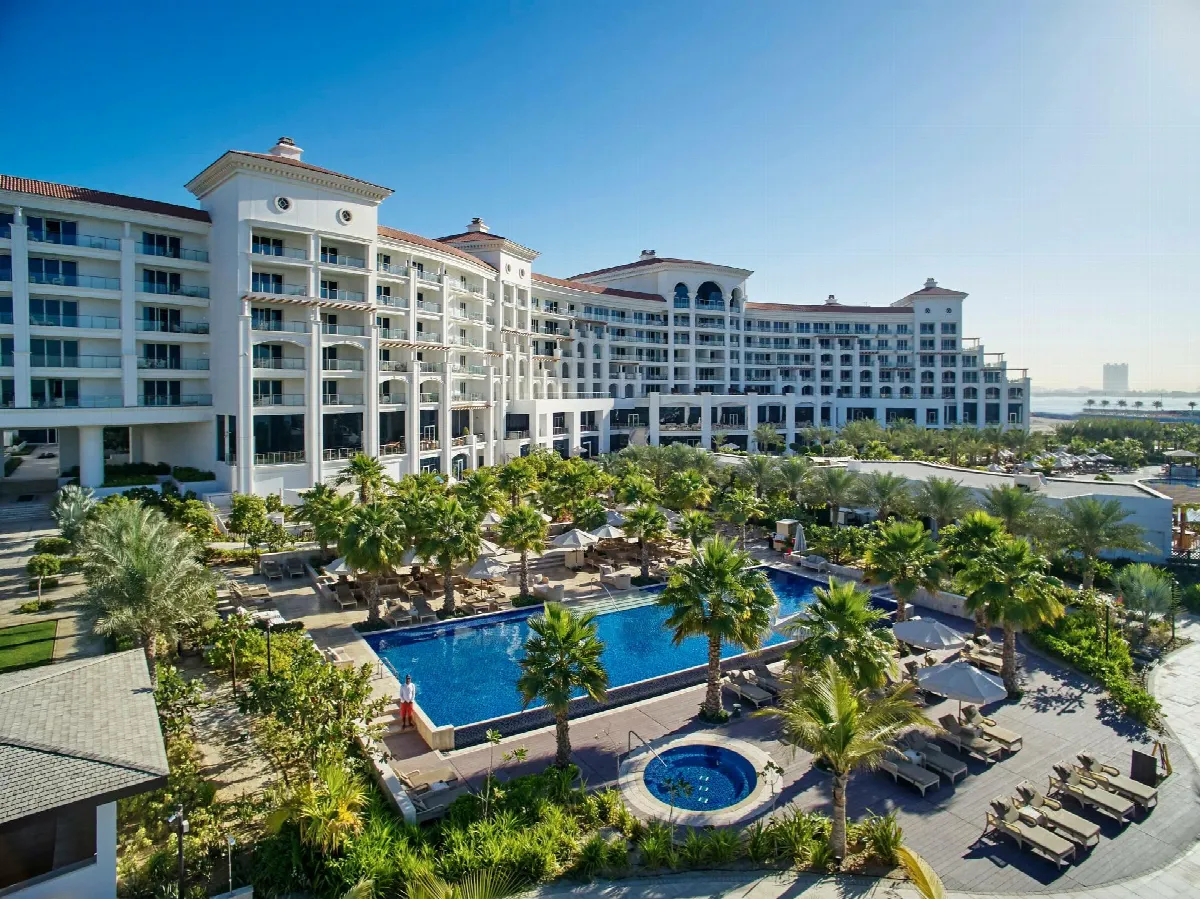
- Waldorf Astoria: Offering refined luxury and exceptional service.
- One&Only The Palm: An exclusive boutique resort providing seclusion and elegance.
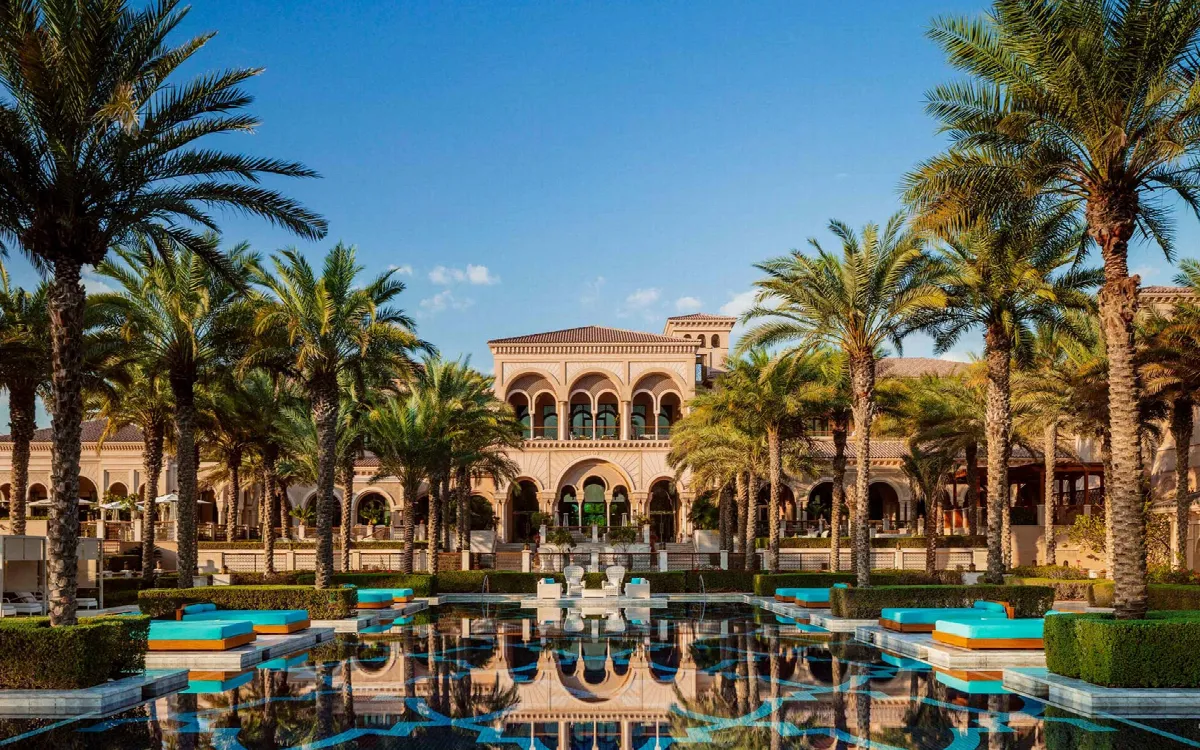
- Anantara The Palm: Famous for its Thai-inspired overwater villas—unique in Dubai.
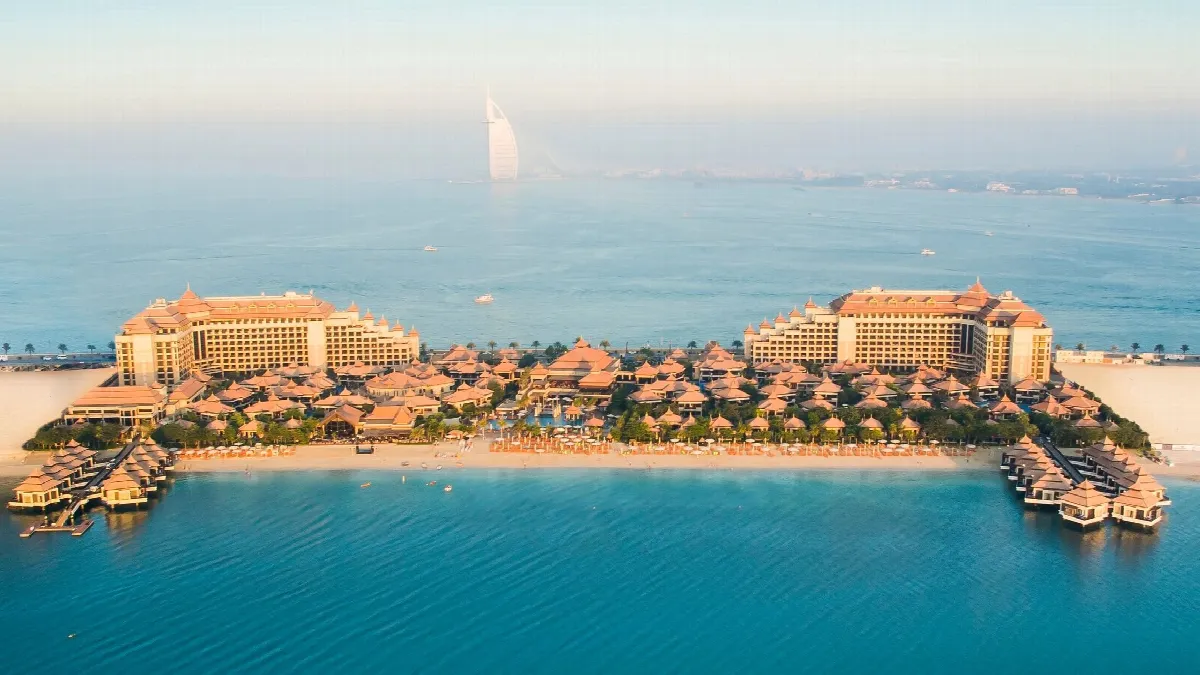
These properties combine to offer over 5,000 luxury hotel rooms, many with amenities that rival the best in the world.
Residential Paradise
Palm Jumeirah is home to approximately 10,000 residents living in:
- Signature Villas: Luxurious standalone homes with private beaches along the fronds.
- Garden Homes: Stunning properties offering privacy and exclusivity.
- Shoreline Apartments: High-end flats with sea views and resort-style facilities.
- The Palm Tower: A 52-storey development combining residences and the St. Regis hotel.
- Golden Mile: Residential complexes with panoramic views and premium amenities.
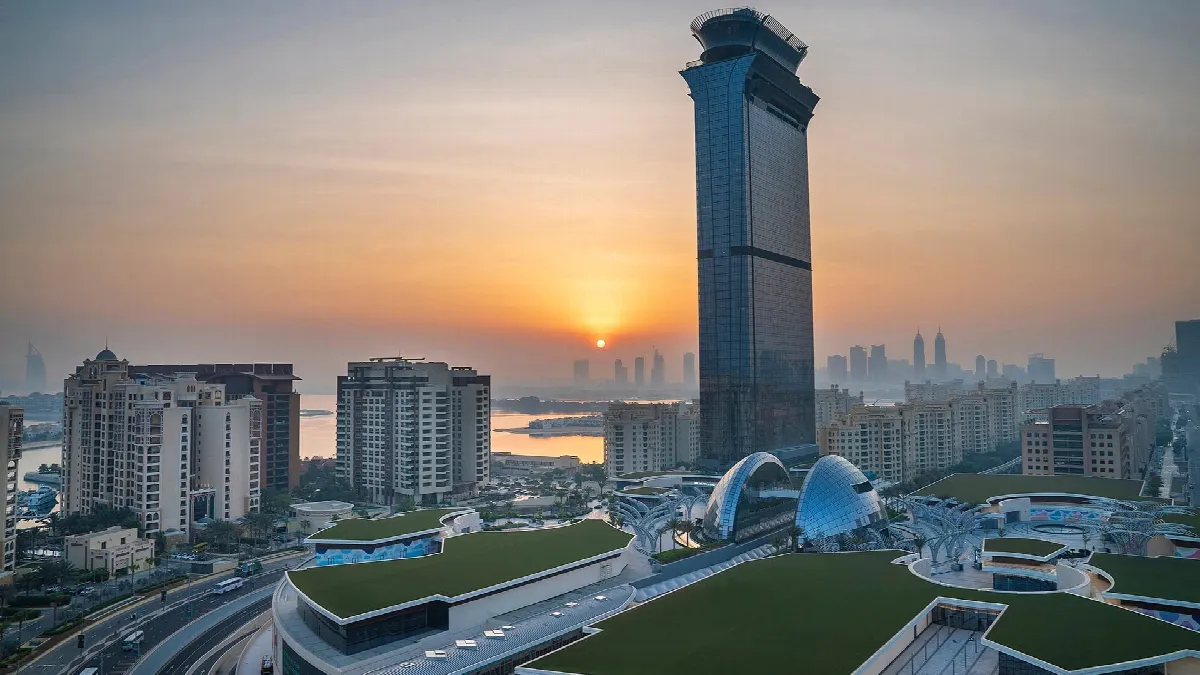
Property on Palm Jumeirah commands premium prices, with villas selling for tens of millions of pounds, reflecting their desirability and exclusivity.
Beachfront Bliss
Palm Jumeirah’s pristine beaches are among its biggest attractions:
- Palm West Beach: A 1.6-kilometre stretch with restaurants, lounges, and water sports.
- Club Vista Mare: A beachfront complex with seven restaurants and a swimming platform.
- Riva Beach Club: A popular day-pass destination with Mediterranean vibes.
- One&Only Private Beach: Exclusive access for guests of this premium resort.
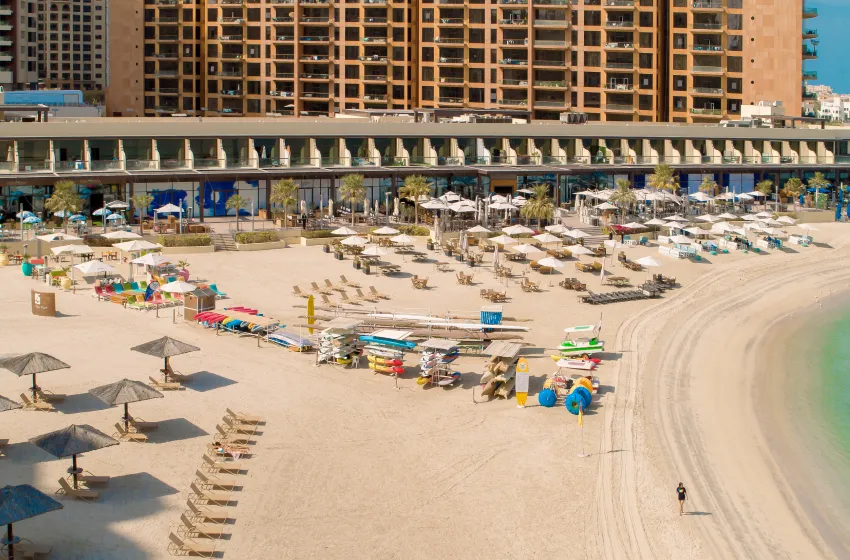
Many hotels offer beach day passes for non-guests, providing access to their private shorelines and facilities.
Dining and Nightlife
The culinary scene on Palm Jumeirah is world-class, featuring:
- Michelin-starred restaurants: Including Ossiano (underwater dining), Hakkasan, and Tresind Studio.
- Celebrity chef venues: Dinner by Heston Blumenthal and Ariana’s Persian Kitchen are standouts.
- Beachfront dining: From relaxed beach clubs to sophisticated restaurants.
- Vibrant nightlife: FIVE Palm Jumeirah and Atlantis offer glamorous nightclubs and lounges.
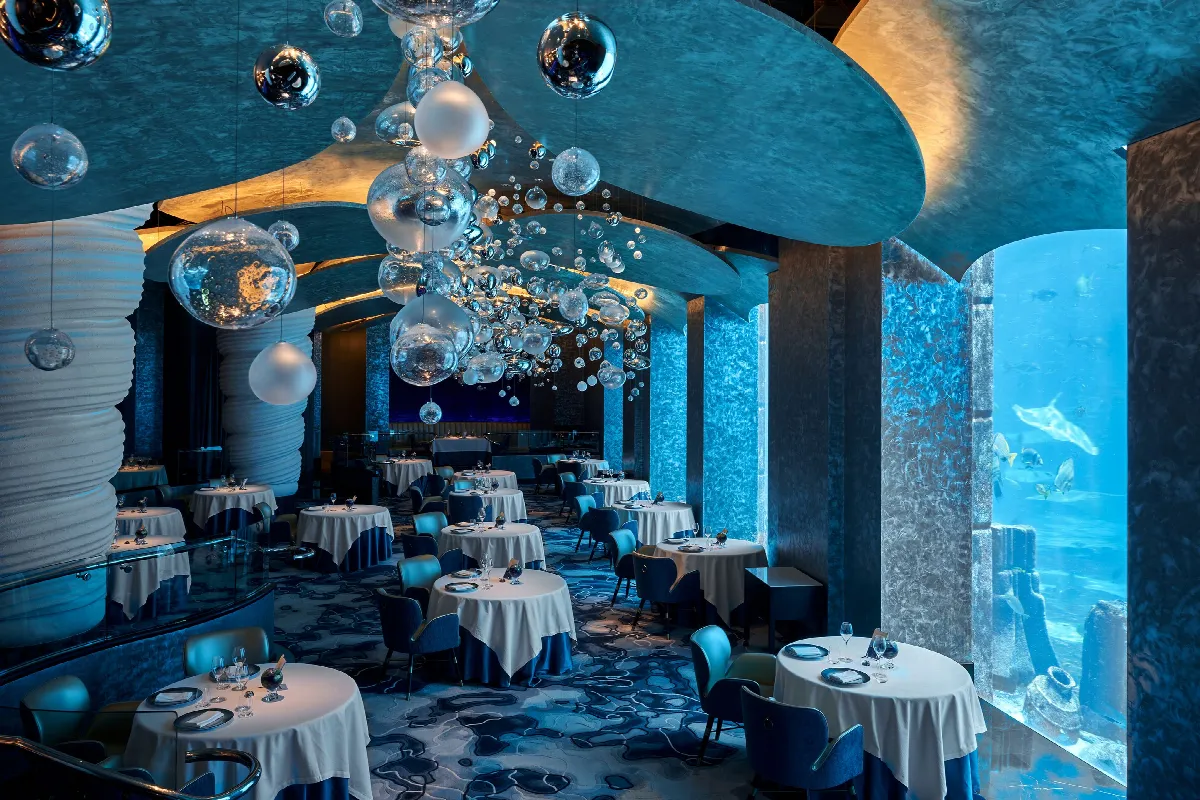
Palm Jumeirah has become a gastronomic destination in its own right, with over 80 restaurants offering cuisines from around the world.
Shopping and Entertainment
Retail therapy and leisure activities abound:
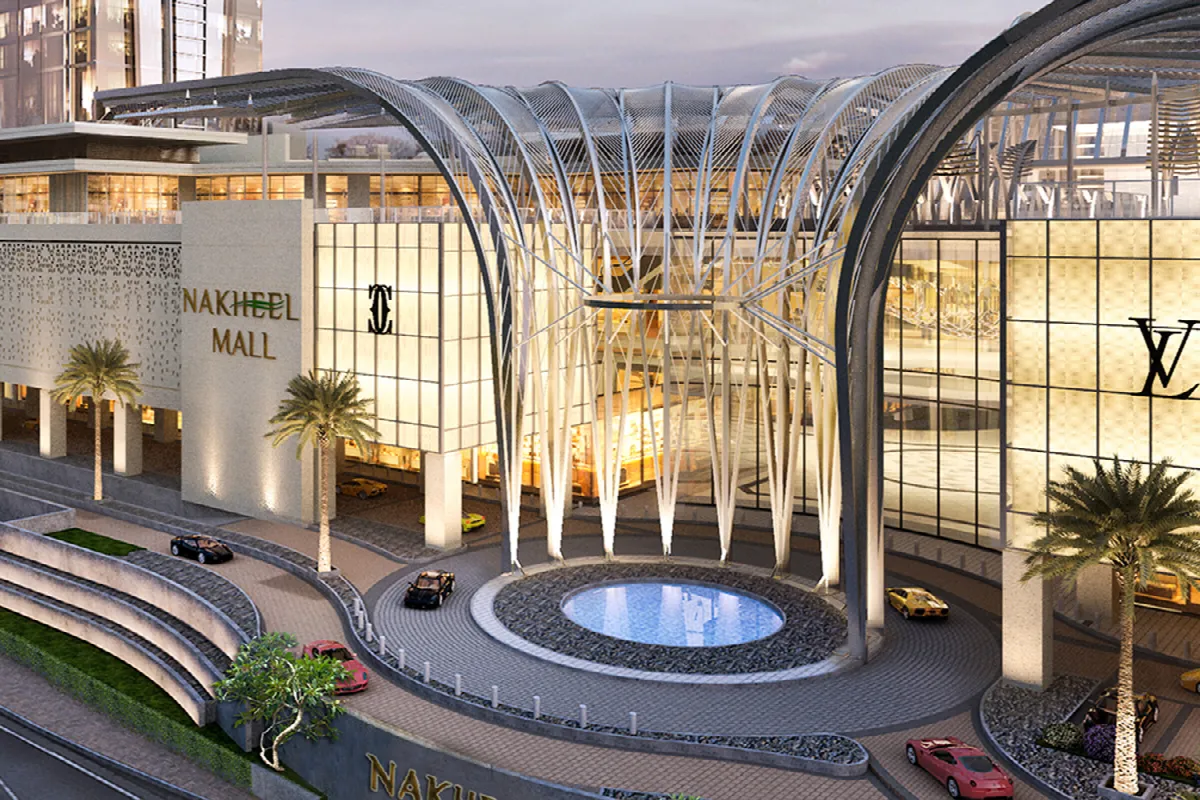
- Nakheel Mall: The central shopping destination with over 300 shops, dining options, and entertainment facilities.
- The Pointe: A waterfront destination with shopping, dining, and the record-breaking Palm Fountain.
- The View at The Palm: A 240-metre observation deck offering panoramic vistas.
- Aquaventure Waterpark: One of the world’s largest water parks with thrilling slides and marine experiences.
- The Lost Chambers Aquarium: Home to 65,000 marine animals in an Atlantis-themed environment.
Future Developments: Continuing Evolution
New Residential Projects
Palm Jumeirah continues to evolve with several prestigious developments underway:
- Six Senses Residences: Luxury penthouses, sky villas, and signature villas set for completion in 2024.
- Palm Beach Towers: Apartment complexes with stunning views planned for 2026.
- Armani Beach Residences: Designer residences bringing Italian elegance to the Palm.
- ORLA by Omniyat: Exclusive apartments and sky palaces expected to complete in 2026.
- Como Residences: Premium apartments and penthouses scheduled for 2027.
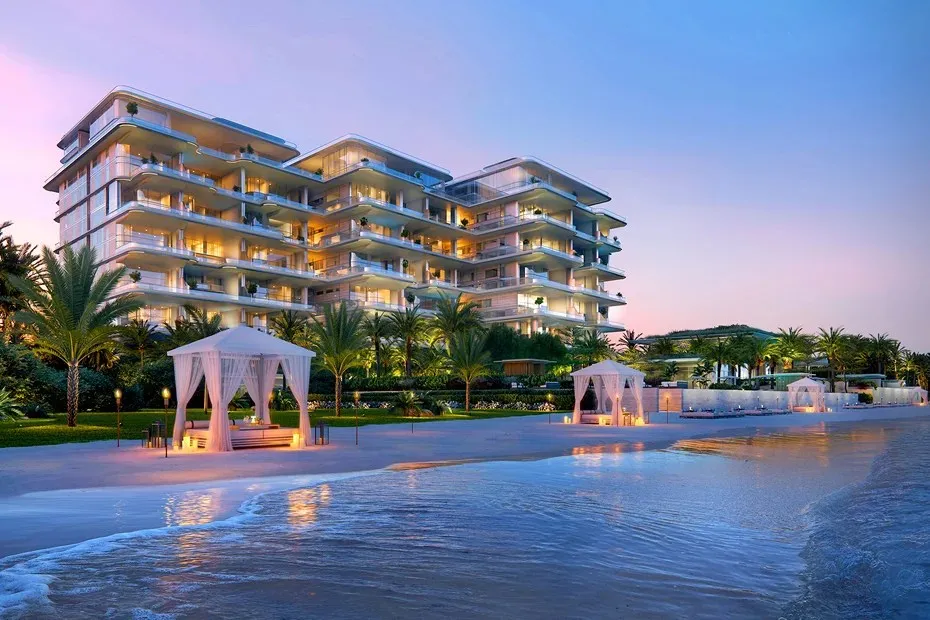
These developments typically incorporate cutting-edge smart home technology and sustainability features, setting new standards for luxury living.
Enhanced Leisure Facilities
The entertainment landscape is expanding with:
- Palm West Beach extensions: Additional dining concepts and leisure activities.
- The Palm Promenade: A planned walkway connecting key destinations.
- New water attractions: Additions to the already impressive array of aquatic activities.
Infrastructure Improvements
Accessibility and convenience are being enhanced through:
- Palm Monorail extensions: Planned connections to Dubai Metro.
- Smart city initiatives: Technology integration for improved resident and visitor experiences.
- Sustainability projects: Green spaces and energy-efficient infrastructure.
Experiencing Palm Jumeirah: Visitor’s Guide
Getting There
Visitors can access Palm Jumeirah via:
- Road: The main entrance from Al Sufouh Road/King Salman Bin Abdulaziz Al Saud Street.
- Monorail: Connecting from the mainland at Palm Gateway station.
- Tram and Metro: Dubai Tram connects to Palm Jumeirah Monorail via the Palm Jumeirah station.
- Water taxi: Services to hotels including Waldorf Astoria.
Best Time to Visit
Palm Jumeirah is a year-round destination, but offers different experiences depending on when you visit:
- October to April: Pleasant temperatures perfect for outdoor activities.
- May to September: Ideal for indoor attractions and discounted hotel rates during the hot summer months.
- Sunset hours: The perfect time to visit observation points for spectacular views.
Must-See Attractions
For first-time visitors, these experiences should not be missed:
- The View observation deck: For unparalleled panoramas of the Palm and Dubai skyline.
- Atlantis, The Palm: Even if not staying there, the iconic hotel deserves a visit.
- Palm Boardwalk: A 11-kilometre walkway around the crescent offering stunning views.
- Palm Fountain: The world’s largest fountain with spectacular shows set to music.
- Beach clubs: Experience the luxury lifestyle at one of the many beach clubs.
Conclusion: A Symbol of Dubai’s Ambition
Palm Jumeirah represents more than just a feat of engineering or a luxury destination—it embodies Dubai’s transformation and ambition. From a bold concept to a thriving community and global icon, the Palm has become a symbol of what human innovation can achieve.
While it offers unparalleled luxury and leisure for visitors and residents alike, its greatest significance lies in demonstrating how vision, determination, and engineering excellence can literally reshape coastlines and create new possibilities for urban development.
As Palm Jumeirah continues to evolve, it remains a testament to Dubai’s commitment to pushing boundaries and creating landmarks that capture the world’s imagination. Whether viewed from space, from the air, or experienced on its pristine beaches, this man-made wonder will continue to inspire and amaze for generations to come.
FAQs About Palm Jumeirah
What is Palm Jumeirah famous for?
Palm Jumeirah is famous for being the world’s largest artificial island built in the shape of a palm tree. It’s renowned for its luxury hotels (including the iconic Atlantis), private beaches, upscale residences, and extensive leisure facilities including Aquaventure Waterpark and The Lost Chambers Aquarium.
How was Palm Jumeirah built?
Palm Jumeirah was constructed by dredging 94 million cubic metres of sand from the Persian Gulf seabed and spraying it into the desired palm shape. Satellite technology guided the precise placement of sand, while vibro-compaction techniques were used to stabilise the new land. A crescent-shaped breakwater was built using over 40 million tonnes of rock to protect the island from waves and currents.
Can you visit Palm Jumeirah without staying there?
Yes, Palm Jumeirah is open to the public. Visitors can access the island via car, taxi, or the Palm Monorail. Public areas include Nakheel Mall, boardwalks, and numerous restaurants. Many hotels offer day passes for their beach clubs and facilities, while attractions like The View observation deck and Aquaventure Waterpark welcome day visitors.
How long did it take to build Palm Jumeirah?
The construction of Palm Jumeirah began in 2001, and the island’s basic infrastructure was completed by 2006. However, development of hotels, residences, and attractions continued for many years after, with some areas still seeing new construction today. The entire initial construction period took approximately 5 years.
Can you see Palm Jumeirah from space?
Yes, Palm Jumeirah is visible from space and was designed with this distinction in mind. Its distinctive palm tree shape can be clearly seen in satellite imagery, making it one of the few man-made structures easily identifiable from orbit.
How many hotels are on Palm Jumeirah?
Palm Jumeirah currently houses approximately 25 hotels and resorts, ranging from ultra-luxury properties like Atlantis The Royal and One&Only The Palm to more accessible options. These hotels offer a combined total of over 10,000 rooms and suites.
What is the best way to see Palm Jumeirah?
The most comprehensive views of Palm Jumeirah can be enjoyed from:
- The View at The Palm observation deck (240 metres high)
- Helicopter tours offering aerial perspectives
- The Dubai Balloon (a tethered helium balloon rising 300 metres)
- A boat tour around the island’s perimeter
- AURA SkyPool on the 50th floor of The Palm Tower
Is Palm Jumeirah worth visiting?
Palm Jumeirah is considered a must-visit destination in Dubai for its unique concept, luxury offerings, and iconic status. Even if not staying in one of its hotels, visitors can enjoy shopping at Nakheel Mall, dining at world-class restaurants, visiting observation decks for spectacular views, relaxing at beach clubs, or experiencing attractions like Aquaventure Waterpark and The Palm Fountain.
How do residents get around Palm Jumeirah?
Residents typically use private vehicles, taxis, or the Palm Monorail for transportation around the island. Many residential communities offer buggy services, and there are also cycling paths and pedestrian boardwalks. Water taxis provide an alternative means of transport between certain points on the Palm.
What future developments are planned for Palm Jumeirah?
Palm Jumeirah continues to evolve with several luxury residential developments underway, including Six Senses Residences, Armani Beach Residences, and Como Residences. Infrastructure improvements, expanded leisure facilities, and new dining concepts are also planned or in progress to enhance the island’s appeal.
Additional Reading Material
The UAE week, every Monday
The week's stories on jobs, visas, money and daily life in one short email. Unsubscribe in one click.