Etihad Flight E395: Bird Strike Leads to Safe Return
Discover how Etihad Airways handled a bird strike incident on flight E395, ensuring passenger safety while navigating unexpected challenges in air travel.
By Vadim Kouznetsov, published
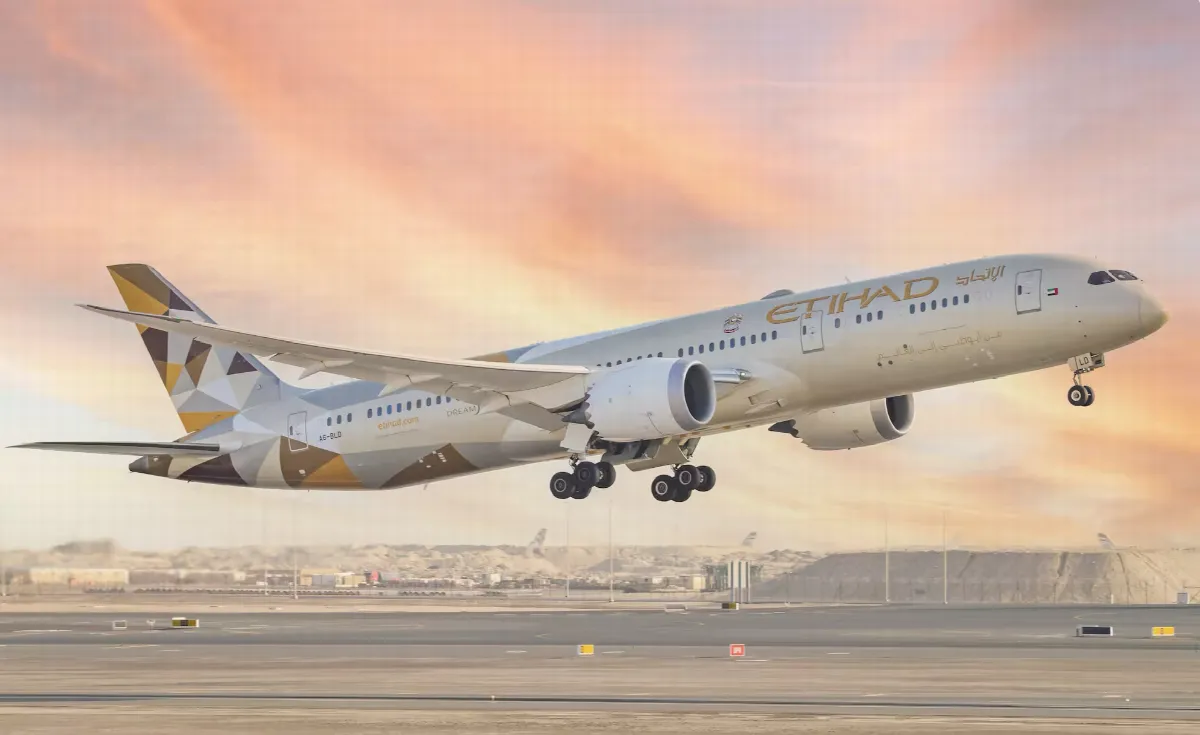
In a recent incident that highlights the ongoing challenges faced by airlines, an Etihad Airways flight was compelled to make an unscheduled return to its departure point following a mid-air collision with a bird. This event, while uncommon, underscores the importance of safety protocols and quick decision-making in aviation.
The Incident
On Tuesday, September 3, 2024, Etihad Airways flight E395, en route from Colombo Bandaranaike International Airport (CMB) to Abu Dhabi Zayed International Airport (AUH), encountered an unexpected hurdle shortly after takeoff. The aircraft experienced a bird strike, prompting the flight crew to make the critical decision to return to Colombo.
Bird strikes, while not frequent, are a recognised hazard in aviation. They occur when birds collide with aircraft, potentially causing damage to various parts of the plane, including engines, windshields, or other external components. The severity of such incidents can vary, but airlines and pilots are trained to respond swiftly to mitigate any potential risks.
Immediate Response
Following the bird strike, the Etihad Airways crew executed their emergency protocols flawlessly. Their primary focus was on the well-being of passengers and the integrity of the aircraft. The decision to return to Colombo was made out of an abundance of caution, aligning with standard safety procedures in such situations.
An Etihad Airways spokesperson stated, “The safety and comfort of our guests and crew is our number one priority. We apologize for any disruption to your travel plans.” This statement reaffirms the airline’s commitment to passenger safety above all else.
Impact on Passengers
The unexpected return to Colombo undoubtedly caused inconvenience for the passengers aboard flight E395. Travel plans were disrupted, and the delay lasted approximately five hours. During this time, the aircraft underwent a thorough inspection to assess any potential damage from the bird strike and to confirm its airworthiness for the journey ahead.
Etihad Airways acknowledged the inconvenience caused to its passengers, stating, “We apologize for the disruption caused by this event, and our teams are doing their best to assist you with your travel arrangements.” This response demonstrates the airline’s dedication to customer service, even in challenging circumstances.
Resolution and Continuation of Journey
After the comprehensive inspection and necessary clearances, the flight was deemed safe for travel. Passengers were then successfully and safely transported from Colombo to Abu Dhabi, albeit with a delay of around five hours from the original schedule.
This outcome underscores the effectiveness of airline safety protocols and the professionalism of flight crews in handling unexpected situations. It also highlights the importance of patience and understanding from passengers when such incidents occur.
Bird Strikes in Aviation: A Closer Look
Bird strikes are not an uncommon occurrence in the aviation industry. According to the International Civil Aviation Organization (ICAO), there are an estimated 34 bird strikes per day in the US alone. While most of these incidents are minor and don’t result in significant damage or safety concerns, they still pose a potential risk that airlines must be prepared to address.
Several factors contribute to the prevalence of bird strikes:
- Airport Locations: Many airports are situated near water bodies or green areas that attract birds.
- Migration Patterns: Seasonal bird migrations can increase the likelihood of encounters with aircraft.
- Aircraft Speed: The high speed of modern aircraft makes it challenging for birds to avoid collisions.
- Altitude: Most bird strikes occur at lower altitudes, particularly during takeoff and landing.
To mitigate these risks, airports and airlines employ various strategies:
- Wildlife Management: Airports implement programs to deter birds from nesting or feeding near runways.
- Radar Systems: Some airports use specialized radar to detect large flocks of birds and warn pilots.
- Aircraft Design: Modern aircraft are built to withstand certain levels of impact from bird strikes.
- Pilot Training: Crews are trained in procedures to follow in case of a bird strike.
Etihad Airways: A Commitment to Safety
Etihad Airways, the national airline of the United Arab Emirates, has consistently demonstrated its commitment to passenger safety. Founded in 2003, the airline has grown to become one of the world’s leading air carriers, known for its quality service and modern fleet.
The airline’s response to this incident reflects its robust safety culture. By prioritizing a return to the departure airport and conducting a thorough inspection, Etihad Airways showcased its dedication to erring on the side of caution when it comes to passenger safety.
The Importance of Prompt Decision Making
The quick decision to return to Colombo after the bird strike exemplifies the critical nature of prompt decision-making in aviation. Pilots and crew members are trained to assess situations rapidly and take decisive action to maintain the safety of all on board.
In this case, the choice to return to the departure airport allowed for:
- A comprehensive inspection of the aircraft
- Minimization of potential risks associated with continuing the flight
- Assurance of passenger safety, even at the cost of travel delays
While such decisions can lead to inconveniences for passengers, they are essential in maintaining the high safety standards that modern air travel demands.
Passenger Rights and Airline Responsibilities
Incidents like these also bring attention to passenger rights and airline responsibilities during flight disruptions. While specific regulations may vary by country, most airlines are required to provide certain accommodations and assistance to passengers in cases of significant delays or cancellations.
In the case of the Etihad flight E395, the airline’s commitment to assisting passengers with their travel arrangements demonstrates good faith in fulfilling these responsibilities. Passengers affected by such incidents are often entitled to:
- Information about the reason for the delay or cancellation
- Assistance with rebooking or rerouting
- Meals and refreshments for longer delays
- Hotel accommodation if an overnight stay becomes necessary
It’s advisable for travelers to familiarize themselves with their rights and the airline’s policies regarding such situations. This knowledge can help manage expectations and navigate any potential disruptions more effectively.
The Role of Technology in Aviation Safety
Advancements in technology play a crucial role in enhancing aviation safety, including the prevention and management of incidents like bird strikes. Some of these technological advancements include:
- Improved Radar Systems: Next-generation weather radars can sometimes detect large flocks of birds, allowing air traffic controllers to warn pilots.
- Aircraft Materials: Modern aircraft use materials that are more resistant to damage from bird strikes.
- Engine Design: Jet engines are designed and tested to withstand bird strikes to a certain extent.
- Flight Data Analysis: Airlines use sophisticated software to analyze flight data, which can help identify patterns and potential risks.
- Communication Systems: Enhanced communication between ground staff and flight crews allows for quicker responses to potential hazards.
As technology continues to evolve, it’s likely that we’ll see even more innovative solutions to address challenges like bird strikes in the future.
Environmental Considerations
The incident also brings attention to the delicate balance between human activities and wildlife. Airports worldwide are increasingly focusing on wildlife management strategies that are both effective and environmentally responsible. These may include:
- Habitat modification to make the airport environment less attractive to birds
- Use of non-lethal deterrents like sound systems or visual deterrents
- Collaboration with local wildlife experts to develop eco-friendly solutions
By addressing the root causes of wildlife presence near airports, the aviation industry aims to reduce the frequency of bird strikes while also being mindful of environmental impact.
Conclusion
The incident involving Etihad Airways flight E395 serves as a reminder of the ongoing challenges in aviation and the industry’s commitment to passenger safety. While bird strikes and other unexpected events can cause inconveniences, the swift and appropriate response by the airline crew exemplifies the high standards of safety protocols in modern air travel.
For passengers, understanding that such incidents, while rare, can occur, and being aware of their rights and the airline’s responsibilities can help in navigating these situations with greater ease. As for the aviation industry, continuous improvement in technology, training, and environmental strategies will be key in further enhancing safety and efficiency in air travel.
Ultimately, this incident reaffirms that in the world of aviation, safety remains the paramount concern, guiding every decision and action taken by airlines and their crews.
The UAE week, every Monday
The week's stories on jobs, visas, money and daily life in one short email. Unsubscribe in one click.