UAE Launches Advanced Natural Disaster Warning System: Protecting Citizens Worldwide
Discover how the UAE’s new Early Warning System for All is revolutionising global disaster preparedness. Learn about its features and impact on international safety.
By Vadim Kouznetsov, published
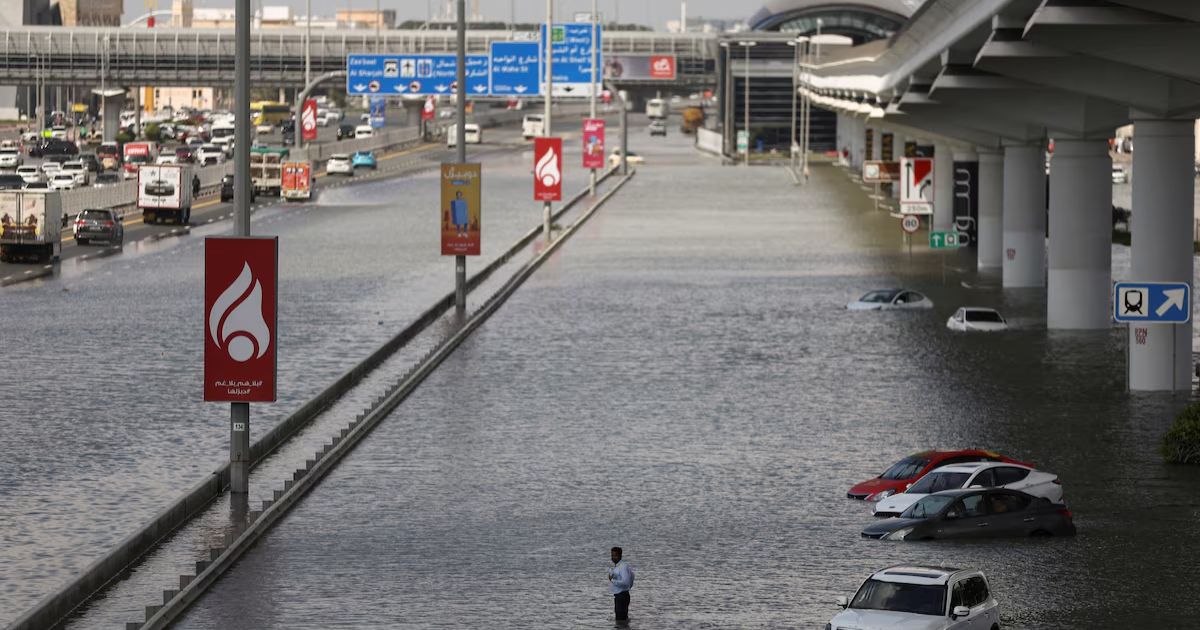
In a significant move towards enhancing global safety and disaster preparedness, the United Arab Emirates has unveiled a cutting-edge system designed to alert citizens about potential natural disasters and extreme weather events. This innovative platform, aptly named “Early Warning System for All,” represents a major leap forward in the realm of public safety and crisis management.
The Birth of a Visionary Safety Initiative
The Ministry of Foreign Affairs (MoFA) and the National Centre of Meteorology (NCM) have joined forces to create this digital platform, which aims to monitor weather conditions and natural disasters with unprecedented accuracy. This collaboration marks a pivotal moment in the UAE’s commitment to safeguarding its citizens, both at home and abroad.
Key Features of the Early Warning System for All
- Advanced Weather Monitoring: Utilizes state-of-the-art technology to track and analyze weather patterns.
- Global Reach: Designed to protect UAE nationals worldwide, not just within the country’s borders.
- Proactive Alerts: Issues timely warnings about severe natural and climatic disasters.
- Data Exchange: Facilitates seamless information sharing between relevant authorities.
- Comprehensive Risk Assessment: Helps identify potential hazards and develop robust response strategies.
A Milestone in International Cooperation
The launch of this system is more than just a technological achievement; it’s a testament to the power of collaboration. The agreement between MoFA and NCM paves the way for broader cooperation, setting a new standard in public safety initiatives.
Signatories of the Landmark Agreement
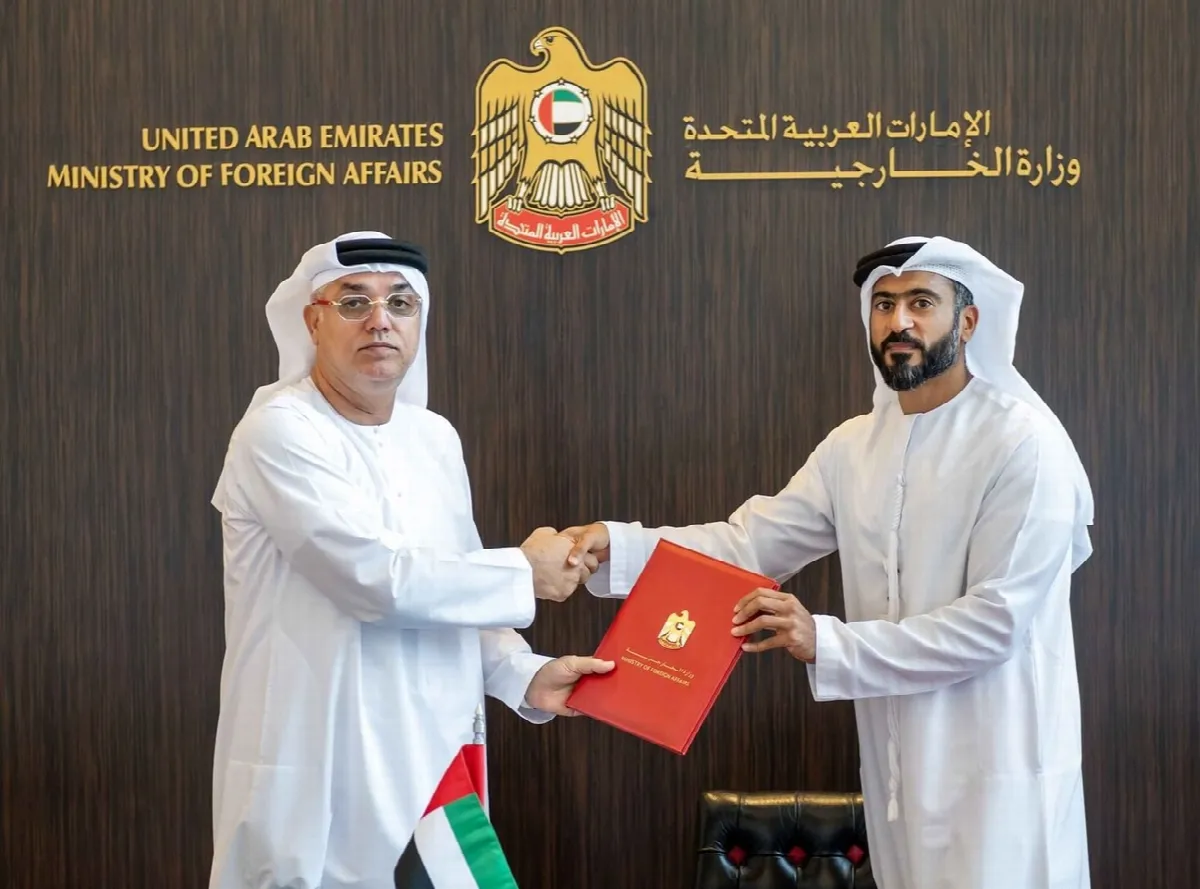
- Faisal Eissa Lutfi: Assistant Undersecretary for Consular Affairs at the Ministry of Foreign Affairs
- Dr. Abdullah Ahmed Al Mandous: Director General of the National Centre of Meteorology and President of the World Meteorological Organisation (WMO)
Their signatures on this agreement symbolize the UAE’s dedication to leveraging modern technology and accurate data for the greater good.
Implications for Global Safety
The Early Warning System for All is not just a local initiative; it has far-reaching implications for international safety standards. Here’s how it stands to make a difference:
- Enhanced Crisis Management: By providing real-time data and alerts, the system enables faster and more efficient responses to emergencies.
- Improved Disaster Response: Authorities can develop more comprehensive and effective strategies to tackle natural disasters.
- International Citizen Protection: UAE nationals traveling or residing abroad will benefit from an additional layer of security.
- Setting a Global Precedent: This system could serve as a model for other nations looking to enhance their disaster preparedness.
The Technology Behind the Safety
While the specific technical details of the Early Warning System for All remain confidential, it’s clear that the platform leverages cutting-edge technologies in weather forecasting, data analytics, and communication systems. This integration of advanced tech with governmental oversight creates a robust framework for public safety.
Potential Technologies at Play
- Satellite Imaging: For real-time monitoring of weather patterns and geographical changes.
- Artificial Intelligence: To analyze vast amounts of data and predict potential disasters.
- IoT Sensors: Deployed across various locations to gather on-ground data.
- Secure Communication Networks: To ensure rapid dissemination of alerts and information.
The UAE’s Commitment to Citizen Safety
This initiative underscores the UAE’s unwavering commitment to the safety and well-being of its citizens. The country’s leadership has consistently prioritized public safety, and this system is a clear manifestation of that commitment.
Round-the-Clock Vigilance
MoFA teams operate 24/7 to ensure the safety of UAE nationals abroad. Their responsibilities include:
- Facilitating emergency procedures
- Providing assistance during crises
- Coordinating with local authorities in foreign countries
This new system will significantly enhance their capabilities, allowing for even more efficient and effective responses to potential threats.
Looking Ahead: The Future of Disaster Preparedness
The launch of the Early Warning System for All is just the beginning. As technology continues to evolve, we can expect to see further advancements in disaster preparedness and response. The UAE’s initiative sets a high bar for other nations to follow, potentially sparking a global revolution in how we approach natural disaster management.
Potential Future Developments
- Integration with Smart City Systems: As cities become smarter, disaster warning systems could be seamlessly integrated into urban infrastructure.
- Personalized Alerts: Future iterations might offer customized warnings based on an individual’s location and vulnerability.
- Cross-Border Collaboration: This system could pave the way for international partnerships in disaster management.
Conclusion: A Safer World Through Innovation
The UAE’s Early Warning System for All represents a significant step forward in our collective fight against the unpredictability of nature. By harnessing the power of technology and fostering collaboration between key governmental bodies, the UAE is not only protecting its own citizens but also setting a new global standard for disaster preparedness.
As we move forward, this system serves as a beacon of hope and a testament to what can be achieved when innovation meets a commitment to public safety. It’s a clear message that in the face of natural disasters, we are not helpless. With the right tools, collaboration, and forward-thinking policies, we can create a safer world for all.
The Early Warning System for All is more than just a technological marvel; it’s a promise of security, a commitment to safety, and a glimpse into a future where we can stay one step ahead of nature’s fury. As the system begins its operation, the world watches with keen interest, ready to learn and perhaps follow in the UAE’s pioneering footsteps.
The UAE week, every Monday
The week's stories on jobs, visas, money and daily life in one short email. Unsubscribe in one click.