AI-Generated Fake Videos About Middle East Conflict Spreading Online: How to Spot Them
AI-generated fake videos about the Middle East conflict are spreading. UAE residents face Dh500,000 fines for sharing. How to verify and stay safe.
By Vadim Kouznetsov, published
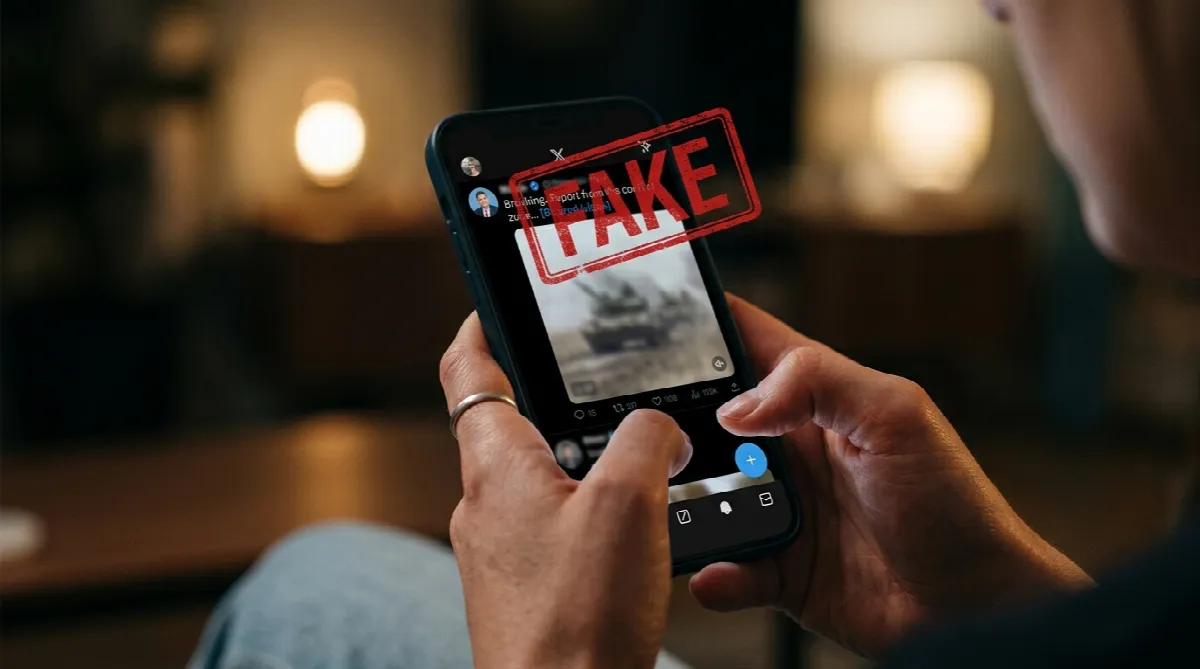
Fake videos, fabricated images, and AI-generated content about the ongoing Middle East conflict are flooding social media platforms — and governments are now issuing formal warnings.
The Philippine Department of National Defense (DND) has flagged AI-generated videos misrepresenting the current situation in the region. The agency warned that these fabricated materials create unnecessary panic and confusion, particularly during a period of heightened global tensions following Israel’s preemptive strike on Iran.
For the millions of UAE residents consuming news about this conflict on their phones, the risk is real. Sharing unverified content in the Emirates isn’t just irresponsible — it can carry criminal penalties of up to Dh500,000 in fines and five years in prison under UAE cybercrime law.
Here’s what you need to know to protect yourself from misinformation during this crisis.
Why Are Fake Videos Circulating Now?
Military conflicts generate enormous demand for visual content. People want to see what’s happening in real time. That demand creates an opening for bad actors to spread fabricated material for attention, political manipulation, or profit.
The DND stated that it recently flagged a specific AI-generated video that falsely depicted events related to the Middle East conflict. The agency described these materials as harmful to public safety and order.
“At the moment the conflict is contained within the Middle East and there is no credible direct threat to our territory, as well as to Filipinos and foreign citizens in the Philippines,” the DND said, while cautioning against disinformation that “unnecessarily rouses panic.”
This pattern isn’t new. During the June 2025 Israel-Iran war, social media platforms were inundated with recycled footage from previous conflicts, doctored images, and entirely fabricated videos passed off as live coverage. AI tools have since made this problem significantly worse.
Today’s AI image and video generators can produce realistic-looking military footage, fake news broadcasts, and fabricated satellite imagery in minutes. Without verification skills, most social media users cannot distinguish these from genuine content.
What Types of Fake Content Are Circulating?
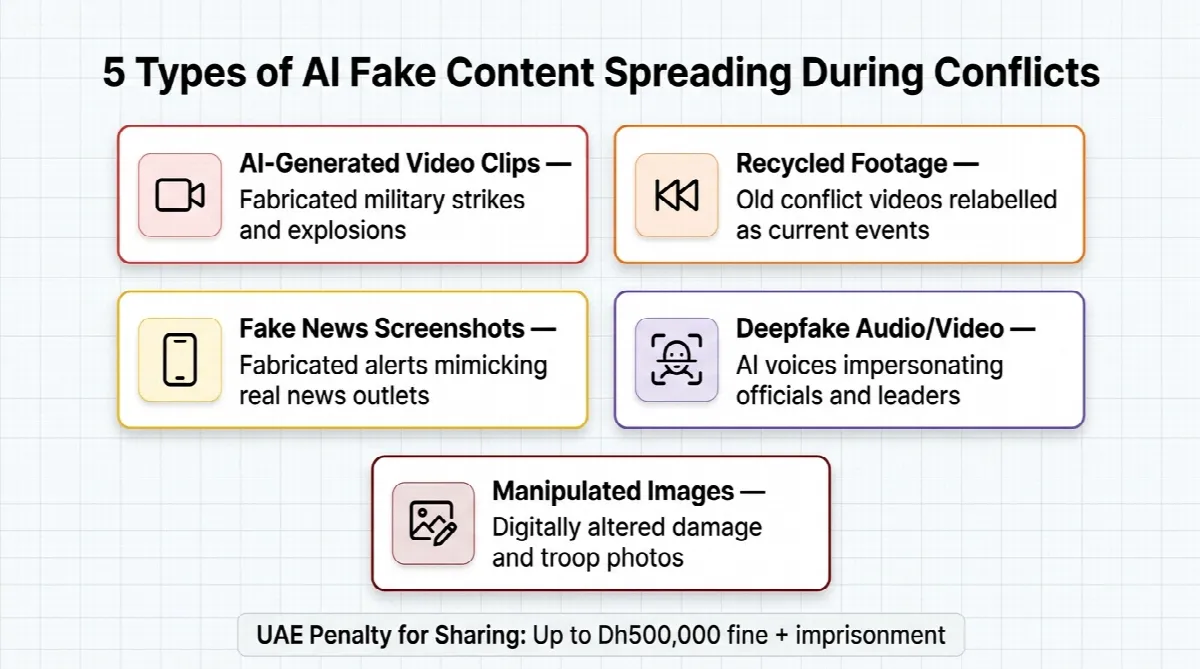
Based on patterns observed during previous Middle East conflicts and the current situation, the most common types of fabricated content include:
AI-generated video clips showing explosions, military strikes, or civilian casualties that never occurred. These often use realistic visual effects and are presented without context or source attribution.
Recycled footage from previous conflicts relabelled as current events. Videos from the June 2025 Israel-Iran war, the 2023 Gaza conflict, or even older footage from Syria and Iraq are recirculated with new captions.
Fabricated screenshots of news alerts, government statements, or breaking news notifications that appear to come from legitimate media organisations but are entirely fake.
AI-generated voice clips and deepfakes impersonating government officials or military leaders making false statements. Deepfake technology has become sophisticated enough that even short audio clips can be convincingly fabricated.
Manipulated images showing damage, troop movements, or civilian infrastructure that have been digitally altered to exaggerate or fabricate events.
UAE Laws on Sharing False Information
This is where UAE residents need to pay close attention. The Emirates has some of the strictest cybercrime laws in the region, and they apply to anyone — residents, visitors, and citizens — who shares false or misleading information online.
Under Federal Decree Law No. 34 of 2021 on Combatting Rumours and Cybercrimes (amended by Law No. 5 of 2024):
Article 52 makes it a criminal offence to use information networks to publish, circulate, or re-share false or misleading news that contradicts official announcements or harms public interest. This applies whether you created the content or simply forwarded it.
Penalties include a minimum of one year in prison and fines starting at Dh100,000 — potentially reaching Dh500,000 depending on the severity and reach of the content.
As Dubai Police have previously warned, re-sharing unverified content carries the same legal weight as creating it. You don’t need to be the source of misinformation to face prosecution — forwarding a WhatsApp message or reposting a viral video can be enough.
UAE research shows that fake news is shared 70% more frequently than genuine news, making the problem significantly harder to contain once it begins spreading.
How to Verify Content Before Sharing
Before reposting any video, image, or claim about the Middle East conflict, run through these verification steps:
Check the source. Who originally posted the content? Is it from a verified news organisation, official government account, or recognised journalist? Anonymous accounts and newly created profiles are red flags.
Reverse image search. Use Google Images reverse search or TinEye to check whether an image has appeared online before. If the same photo was published in 2023 with a different caption, it’s recycled content.
Look for inconsistencies. AI-generated images often contain visual errors — distorted text, unusual hand shapes, inconsistent shadows, or backgrounds that don’t match the claimed location.
Cross-reference with multiple sources. If only one account or platform is reporting something, treat it with scepticism. Major events are typically covered by multiple independent news organisations simultaneously.
Check timestamps and metadata. Videos and photos contain embedded data that can reveal when and where they were created. Online tools can extract this information.
Be wary of emotional content. Fabricated materials are often designed to trigger strong emotional reactions — outrage, fear, or panic. Content that feels designed to provoke rather than inform deserves extra scrutiny.
Use official channels. For UAE-related developments, rely on official government accounts, WAM (Emirates News Agency), and established news outlets like Gulf News and Khaleej Times.
How to Report Suspicious Content in the UAE
If you encounter fake or AI-generated content about the conflict circulating in the UAE, you can report it through several official channels:
Dubai Police eCrime platform — Accessible through the Dubai Police website for reporting cybercrimes including misinformation.
My Safe Society app — Developed by the UAE Public Prosecution for reporting various crimes, including the spread of false information.
Abu Dhabi Police Aman service — Available for Abu Dhabi residents to report suspicious online content.
Ministry of Interior (MoI) app — Provides a direct reporting channel for digital offences.
For a detailed walkthrough of each reporting method, our guide on 4 easy ways to report online scams in the UAE covers the step-by-step process.
The UAE National Media Office coordinates with relevant authorities to monitor violations and take action against those spreading harmful content online.
Practical Tips for UAE Residents During the Crisis
Mute or unfollow accounts that consistently share unverified or sensationalist content. Reducing your exposure to unreliable sources is the simplest way to avoid misinformation.
Don’t forward WhatsApp messages about the conflict unless you’ve personally verified the content. Group chats are one of the primary vectors for misinformation spread in the UAE.
Bookmark reliable sources. Keep tabs on UAE official government social media accounts, WAM, and established English and Arabic language news outlets.
Talk to family members who may be less familiar with how AI-generated content works. Older relatives and those less experienced with technology are particularly vulnerable to convincing fake videos.
Remember the legal stakes. Under UAE social media laws, even a comment or reaction on a post containing false information can have legal consequences. The safest approach is to avoid engaging with unverified content entirely.
Key Takeaway
AI-generated fake videos and images about the Middle East conflict are spreading rapidly across social media. The Philippine Department of National Defense has issued a formal warning after flagging fabricated content. For UAE residents, sharing unverified conflict-related material carries serious legal risks — fines up to Dh500,000 and imprisonment under Federal Decree Law No. 34 of 2021. Always verify content through reverse image searches, cross-referencing multiple sources, and relying on official government channels before sharing anything online.
Frequently Asked Questions
Why is AI-generated content about the Middle East conflict a problem?
AI tools can now produce realistic-looking military footage, fabricated news broadcasts, and fake satellite images in minutes. During conflicts, this content spreads rapidly because demand for visual information is high. It creates unnecessary panic, distorts public understanding, and can be used for political manipulation.
Can I be prosecuted in the UAE for sharing a fake video about the conflict?
Yes. Under Federal Decree Law No. 34 of 2021, Article 52, sharing false or misleading information online is a criminal offence in the UAE — regardless of whether you created it or simply forwarded it. Penalties include imprisonment and fines starting at Dh100,000, potentially reaching Dh500,000.
How can I tell if a conflict video is AI-generated?
Look for visual inconsistencies such as distorted text, unusual hand shapes, inconsistent lighting, or backgrounds that don’t match the claimed location. Also check whether the content comes from a verified source, reverse image search to see if it’s recycled footage, and cross-reference with established news organisations.
What did the Philippine Department of National Defense say?
The DND warned that AI-generated videos misrepresenting the Middle East conflict are circulating online. It stated that the conflict is currently contained within the Middle East with no direct threat to the Philippines, and urged the public to exercise vigilance against disinformation.
Where can I report fake content in the UAE?
Report through Dubai Police eCrime platform, the My Safe Society app (UAE Public Prosecution), Abu Dhabi Police Aman service, or the Ministry of Interior app. These channels accept reports about the spread of misinformation and other digital offences.
Is there a legal difference between creating and sharing fake content in the UAE?
No meaningful distinction in terms of liability. UAE cybercrime law treats the circulation and re-sharing of false information with the same seriousness as creating it. Forwarding a fake WhatsApp message or reposting an AI-generated video can carry the same penalties as producing it.
Further Reading
- UAE Fights Fake News: 70% More Shares Than Real News, Officials Say
- UAE’s 6 Banned Online Content Types: Dh500,000 Fine and 5-Year Jail Risk
- UAE Alert: Deepfake Scams Target Residents
- UAE Social Media Laws 2025: Comments Can Lead to Dh500k Fines
- Dubai Police Warns: AI Chatbots Pose Privacy Risks
- 4 Easy Ways to Report Online Scams in the UAE
The UAE week, every Monday
The week's stories on jobs, visas, money and daily life in one short email. Unsubscribe in one click.