UAE Social Media Laws 2025: Comments Can Lead to Dh500k Fines
Learn how comments and replies on social media can result in fines up to Dh500,000 under UAE cybercrime laws. Know your legal obligations.
By Vadim Kouznetsov, published
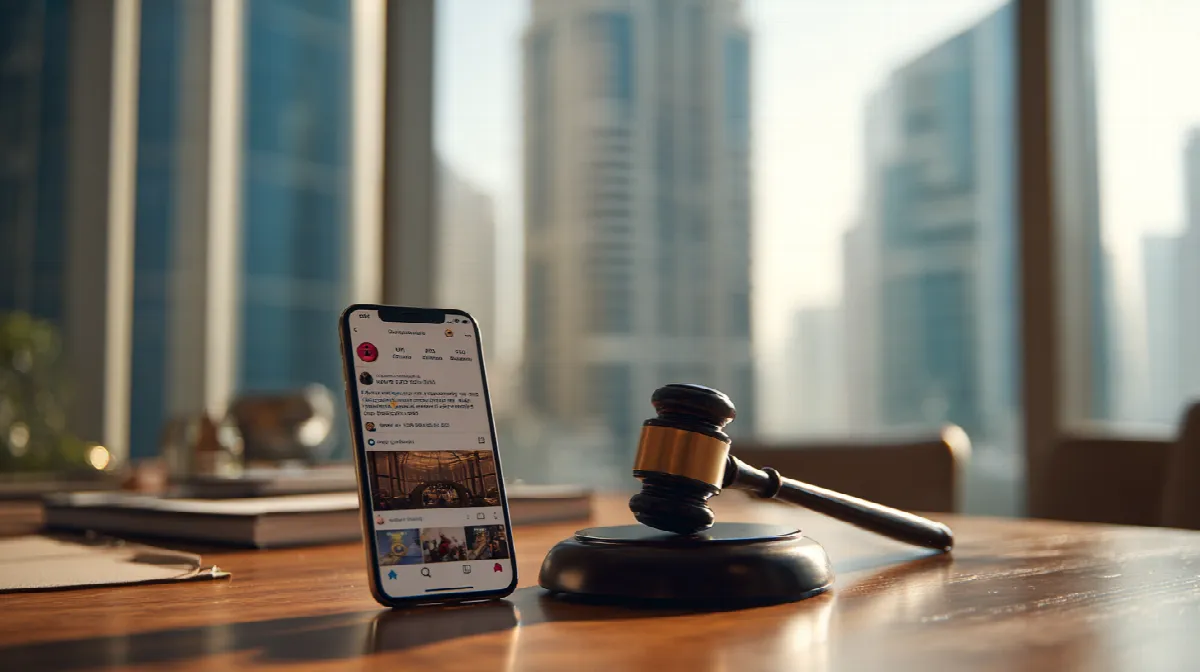
Comments, replies, and reactions on social media platforms can result in fines up to Dh500,000 and imprisonment under UAE cybercrime laws. Federal Decree Law No. 34 of 2021, amended by Law No. 5 of 2024, treats online insults and defamatory comments as criminal offences, regardless of whether they appear in posts or comment sections.
UAE authorities have issued warnings as comment-related prosecutions increase. Many users mistakenly believe casual remarks in comment threads carry no legal weight, but digital evidence proves otherwise.
Which UAE laws govern social media comments?
Federal Decree Law No. 34 of 2021 forms the backbone of UAE’s cybercrime legislation. Recent amendments through Law No. 5 of 2024 have strengthened penalties for online misconduct.
Article 43 specifically addresses online insults, stating that anyone who “insults another online or attributes an act that harms their dignity” faces legal consequences. The law applies to all digital communications, including:
- Comment threads on public posts
- Live stream interactions and chat responses
- Video, audio, and text replies across platforms
- Direct messages containing abusive content
Article 426 of the UAE Penal Code complements cybercrime laws by addressing public insults. Even without naming specific accusations, users can face up to one year imprisonment or fines reaching Dh20,000. Aggravated cases carry penalties of two years or Dh50,000.
How severe are the financial penalties for online comments?
The financial consequences reflect the seriousness UAE authorities place on digital civility. Standard penalties for online insults range from Dh250,000 to Dh500,000, with potential imprisonment terms.
Penalties escalate when comments target:
- Public officials in their professional capacity
- Content published through widely followed accounts
- Individuals causing significant reputational damage
Courts determine penalty severity based on factors including audience reach, comment content, and victim impact. Repeat offenders face enhanced sanctions.
What constitutes illegal comments under UAE law?
The legal definition extends beyond obvious insults to include subtler forms of harm. Prohibited comment types include:
Personal attacks that mock, humiliate, or target individuals directly rather than addressing content or ideas presented.
Defamatory statements causing moral harm or reputational damage, even when expressed indirectly through sarcasm or implied criticism.
Abusive language containing profanity, threats, or discriminatory remarks based on personal characteristics.
False accusations or insinuations that could damage someone’s standing, whether in professional or personal contexts.
Courts evaluate comments based on their potential to cause harm rather than the poster’s stated intent.
How do authorities track and prosecute comment violations?
Digital forensics capabilities allow authorities to trace comments across platforms with remarkable precision. Colonel Omar Ahmed Abu Al Zawd from Sharjah Police Criminal Investigation Department emphasises that “every word is recorded, traceable, and can result in legal action.”
The investigation process typically involves:
Digital evidence collection from platform servers, including deleted content that remains accessible to law enforcement through proper channels.
User identification through IP addresses, device fingerprints, and platform registration data linked to Emirates ID or visa information.
Content analysis to determine intent, audience reach, and potential harm caused by specific comments or reply chains.
Victim impact assessment measuring reputational damage, emotional distress, or professional consequences resulting from the comments.
What should users do instead of posting negative comments?
UAE authorities recommend constructive alternatives to abusive commenting. When encountering disagreeable content:
Use platform reporting mechanisms designed to flag inappropriate material for review by content moderators and platform administrators.
Scroll past content that triggers negative emotional responses rather than engaging in potentially harmful exchanges.
Block or mute accounts that consistently post content you find objectionable, removing them from your social media experience.
Engage constructively by asking questions, seeking clarification, or offering alternative perspectives without personal attacks.
Contact relevant authorities for content that appears to violate laws rather than taking matters into your own hands through comments.
Are there exceptions for criticism or opinion expression?
UAE law distinguishes between legitimate criticism and personal attacks. Users can express disagreement with ideas, policies, or public positions without legal consequences when they:
- Focus on content rather than character
- Avoid personal insults or defamatory language
- Present factual information or reasoned arguments
- Respect others’ dignity while expressing dissent
However, the line between acceptable criticism and illegal insult can be subjective. Legal consultant Wael Obaid notes that “if the comment causes personal insult, moral harm, or reputational damage, even indirectly, it becomes a criminal matter.”
Key takeaway
UAE cybercrime laws apply equally to posts and comments, with severe financial and legal consequences for online abuse. Understanding these regulations protects users from unintended violations while promoting respectful digital discourse.
Further reading:
- UAE Cybercrime Laws: Complete Guide for Residents
- Digital Privacy Rights in the UAE
- Social Media Guidelines for UAE Professionals
Frequently Asked Questions
Can deleted comments still lead to prosecution in the UAE? Yes, deleted comments remain accessible to law enforcement through platform servers and can serve as evidence in criminal proceedings.
Do cybercrime laws apply to private messages and group chats? UAE cybercrime laws cover all digital communications, including private messages, when they contain abusive or defamatory content.
What happens if someone comments abusively on my content? You can report the incident to platform administrators and UAE authorities, who will investigate based on the severity of the comments.
Are there different penalties for comments targeting public figures? Yes, comments targeting public officials or those published through widely followed accounts typically receive enhanced penalties under UAE law.
How can businesses protect employees from comment-related legal issues? Companies should implement social media policies, provide training on UAE cybercrime laws, and monitor official accounts for compliance.
The UAE week, every Monday
The week's stories on jobs, visas, money and daily life in one short email. Unsubscribe in one click.