Etihad Rail First Passenger Routes 2026: Abu Dhabi, Dubai and Fujairah Connected
Etihad Rail confirms first passenger routes for 2026. One-hour Abu Dhabi to Dubai trips, 90-min Fujairah connection. Station locations revealed.
By Vadim Kouznetsov, published
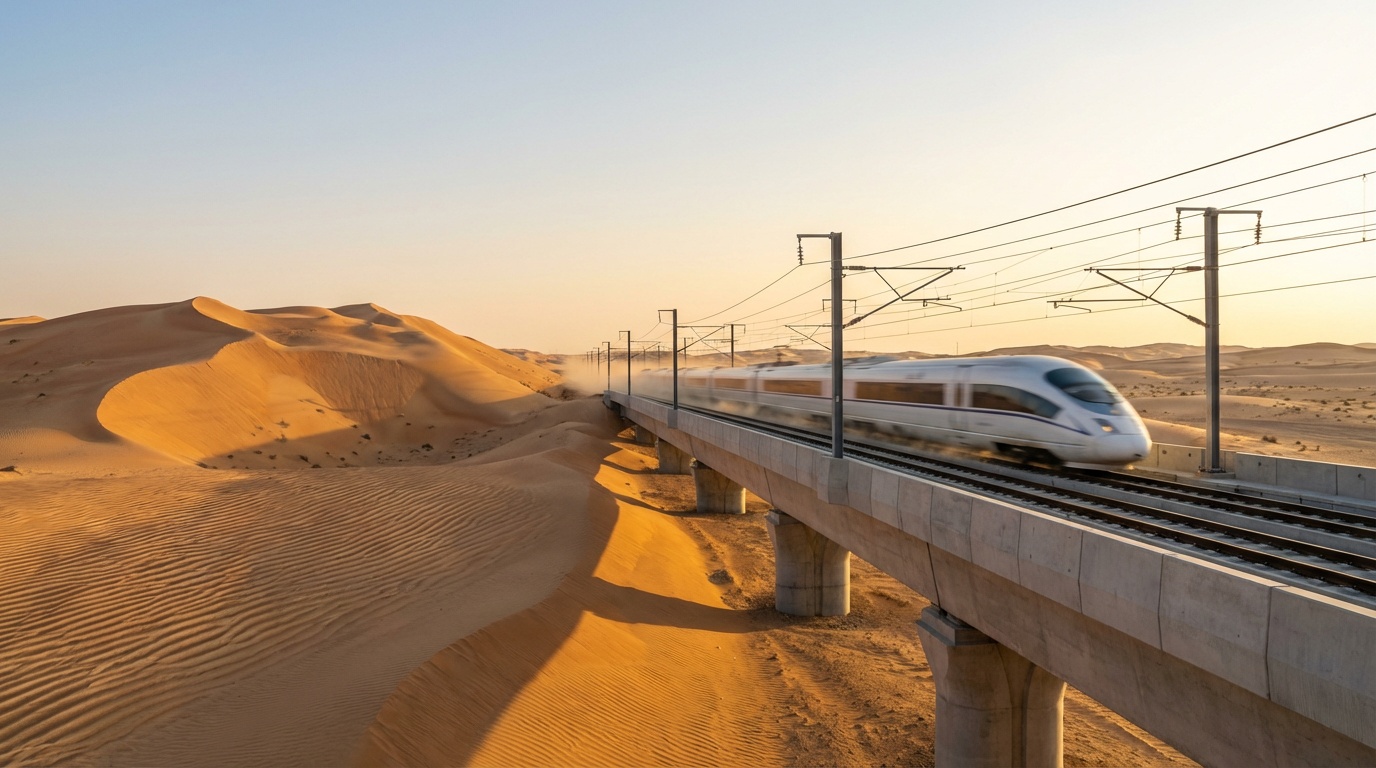
Etihad Rail has confirmed its first passenger routes for the long-awaited network launch in 2026. The opening phase will connect Abu Dhabi, Dubai and Fujairah—creating a transportation spine linking the UAE’s main commercial centres with the east coast.
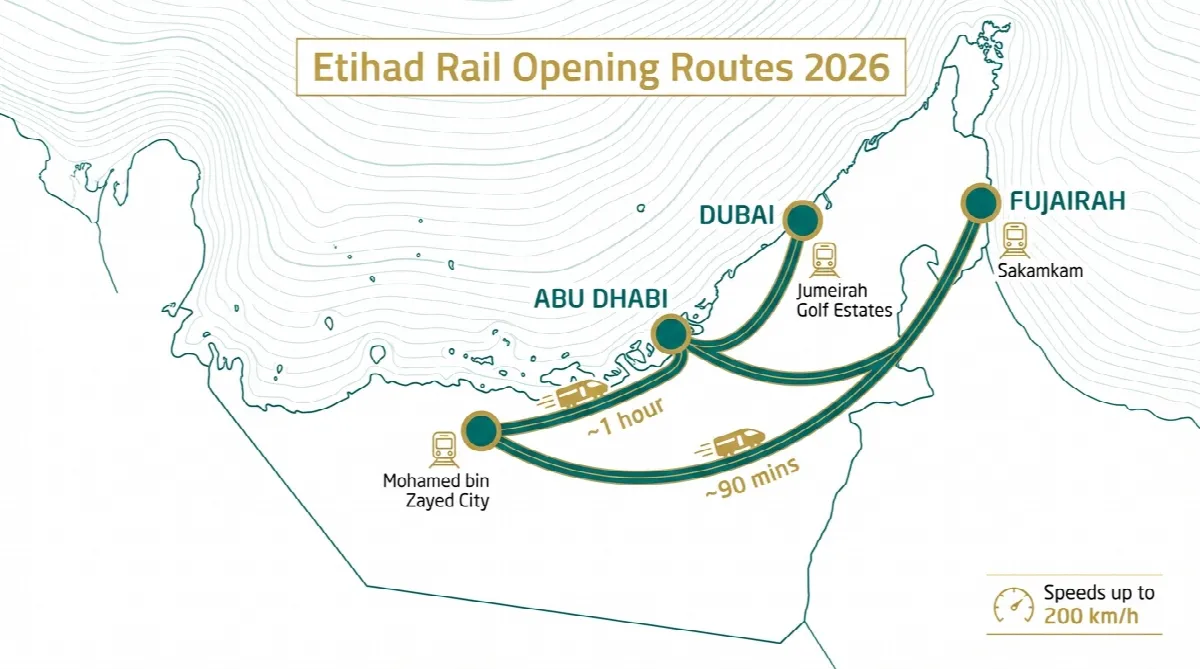
Trains will travel at speeds up to 200 kilometres per hour, carrying as many as 400 passengers per service. Expect journey times of approximately one hour between Abu Dhabi and Dubai, and around 90 minutes between Abu Dhabi and Fujairah.
What Are the First Etihad Rail Passenger Routes?
Azza Al Suwaidi, deputy chief executive of Etihad Rail Mobility, revealed the initial routes launching in 2026:
Abu Dhabi to Dubai: Frequent services reflecting rising commuter traffic and business travel between the two emirates. Journey time approximately one hour.
Abu Dhabi to Fujairah: Designed to support tourism and improve access to the east coast. Journey time around 90 minutes.
“Initially, trains will operate between Abu Dhabi and Dubai, our twin centres of commerce, as well as connect with Fujairah in the east,” Al Suwaidi told The National. “From that spine, and over the course of 2026 and beyond, further routes, connections and stations will come online.”
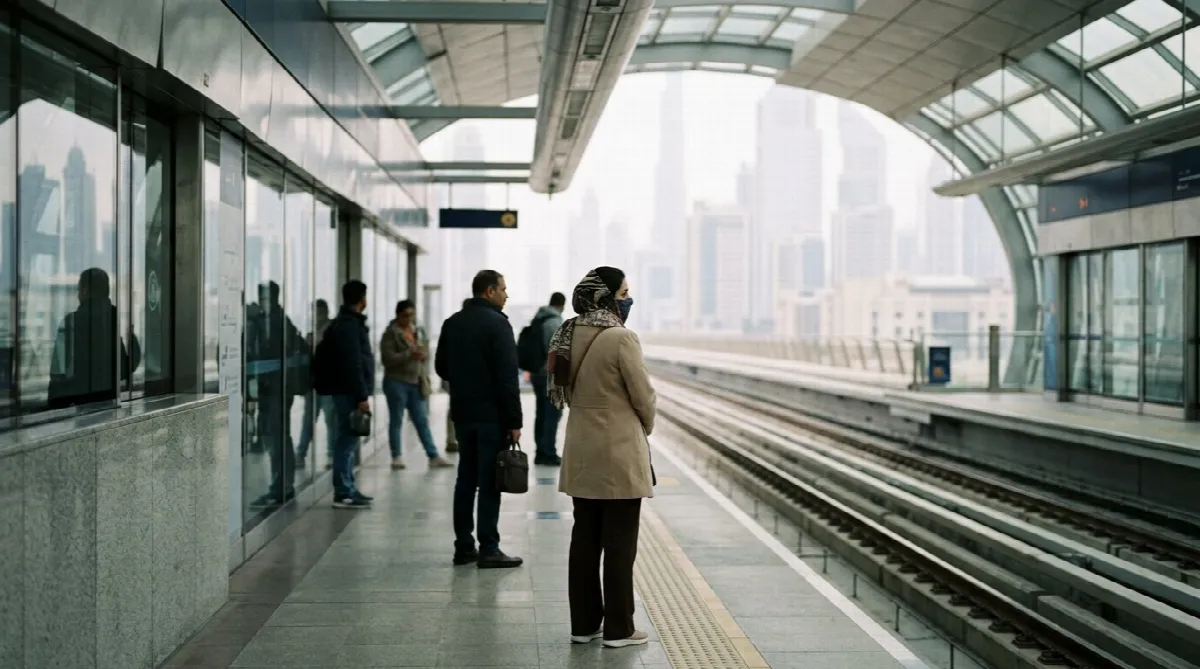
The Dubai transport integration will enable seamless transfers between trains, metro, buses and taxis at each station.
Where Are the First Three Stations Located?
Construction on all three opening stations has advanced rapidly:
| Station | Location | Neighbourhood |
|---|---|---|
| Abu Dhabi Station | Mohamed bin Zayed City | Central Abu Dhabi |
| Dubai Station | Jumeirah Golf Estates | New Dubai |
| Fujairah Station | Sakamkam | Near Al Hilal City |
The station facades are designed to be “open, welcoming and easy to navigate,” according to Al Suwaidi. These locations were selected based on population density, travel demand and inter-emirate connectivity.
How Will This Affect Daily Commuters?
The Abu Dhabi-Dubai corridor currently sees heavy road traffic, with typical drive times ranging from 90 minutes to over two hours during peak periods. The one-hour train journey offers a faster alternative and removes the stress of highway congestion.
For professionals working in Abu Dhabi but living in Dubai—or vice versa—the rail connection opens new possibilities for cross-emirate employment without relocating.
The link to Fujairah serves tourists and residents seeking east coast access. Currently, the drive from Abu Dhabi to Fujairah takes approximately two hours via E84. The train cuts this to 90 minutes while avoiding mountain road conditions.
How Many Passengers Does Etihad Rail Expect?
Etihad Rail projects approximately 10 million passengers annually once services begin. The passenger trains will operate on the existing freight line, which became operational in 2023.
The network forms part of the broader UAE railway programme, with 11 stations confirmed across the country. Al Suwaidi described these as “the foundations of the network.”
What About First and Last Mile Connections?
Access beyond the platform is a major focus. Etihad Rail is developing first and last-mile solutions including:
- Metro and bus service integration
- Taxi and ride-hailing partnerships
- Bicycle and personal transport facilities
- Collaboration with Yango Group
“How people get to and from the station is just as important as the journey itself,” Al Suwaidi explained. “People travel in different ways, at different times, and first and last-mile connections need to reflect real life.”
This approach mirrors Dubai’s successful metro integration strategy, where feeder bus networks enhance rail connectivity to local communities.
Is a Faster Service Planned?
Yes. Plans exist for a separate electrified high-speed passenger line between Abu Dhabi and Dubai. This service aims to cut travel time to just 30 minutes, operating at speeds up to 350 kilometres per hour.
A launch date for the high-speed service has yet to be announced. The current 2026 launch uses conventional high-speed trains at 200km/h on the existing network.
What Does This Mean for UAE Employment?
The rail network is expected to create over 9,000 jobs by 2030 across engineering, operations, maintenance and support services. The infrastructure took three years, over 7,000 experts and workers, and more than 24 million working hours to construct.
Beyond direct employment, faster travel times may reshape where people choose to live and work. Properties near station locations could see increased demand as inter-emirate commuting becomes more practical.
Frequently Asked Questions
When does Etihad Rail passenger service launch?
Passenger services are expected to begin in 2026, with the initial phase connecting Abu Dhabi, Dubai and Fujairah. Final timetables are still being developed.
How long is the train journey from Abu Dhabi to Dubai?
The journey takes approximately one hour. Trains travel at speeds up to 200 kilometres per hour.
How long is the train journey from Abu Dhabi to Fujairah?
The journey takes around 90 minutes, offering an alternative to the two-hour road journey via E84.
Where is the Dubai Etihad Rail station located?
The Dubai station is located in Jumeirah Golf Estates, with connectivity to metro, bus and taxi services planned.
How many passengers can Etihad Rail trains carry?
Each train can carry up to 400 passengers per service.
Will there be a faster train between Abu Dhabi and Dubai?
Yes, a separate electrified high-speed line is planned that would reduce journey time to 30 minutes. No launch date has been announced for this service yet.
Further Reading
The UAE week, every Monday
The week's stories on jobs, visas, money and daily life in one short email. Unsubscribe in one click.