Why 70% of UAE Job Seekers Feel Hopeless in 2026 (And What Actually Works)
70% of UAE workers aren’t hopeful about job searching in 2026. Learn why ATS blocks your CV and how referrals and networking actually get you hired.
By Vadim Kouznetsov, published

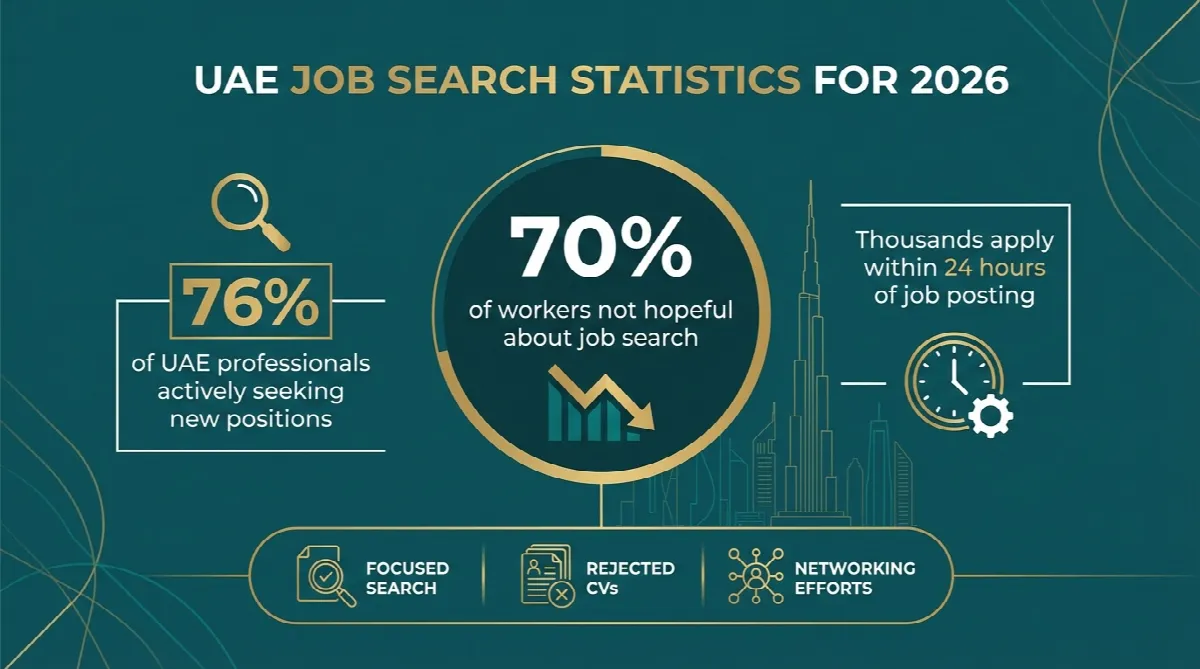
Job searching in the UAE has become a frustrating experience for most professionals. A recent Glassdoor poll confirms what many already suspect: more than 70% of workers are not hopeful about their job search in 2026.
If you’ve sent dozens of applications without hearing back, you’re not alone. Here’s what’s happening behind the scenes—and what you can do about it.
The Real Problem: Your CV Never Reaches Human Eyes
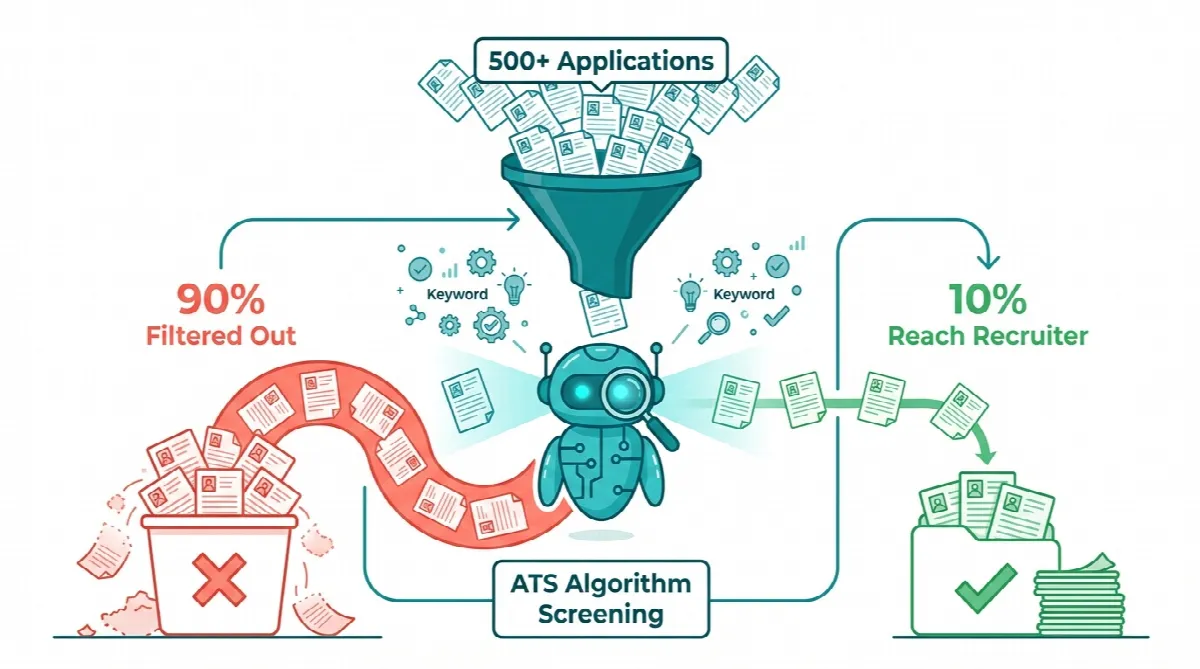
The biggest shift in UAE recruitment? Automation now decides your fate before any recruiter sees your application.
Mohamed Bahaa, Operations Director at TalentOne (a PureHealth Subsidiary), explains the situation clearly:
“The volume of applications and increased use of ATS (Applicant Tracking Systems) and AI filtering means many CVs are screened out before reaching a human. Recruiters now prioritise highly relevant experience, role-ready skills, and candidates who can add immediate value.”
This creates a frustrating paradox. You could be perfectly qualified, but if your CV doesn’t contain the right keywords, the algorithm rejects it automatically. Understanding how to apply strategically in this market has become essential for any serious job seeker.
What Recruiters Actually Want in 2026
The UAE job market remains competitive, with 76% of professionals actively seeking new positions according to LinkedIn’s latest research. To stand out, you need a targeted approach.
Keyword Optimisation: Include specific terms related to your job role throughout your CV. Generic descriptions won’t pass ATS filters.
LinkedIn Presence: Bahaa emphasises that “a strong LinkedIn presence and direct engagement with recruiters and industry networks are essential, especially in competitive markets like the UAE.” Verifying your LinkedIn profile adds credibility that recruiters notice.
Precision Applications: Nisha Nair, Recruitment Manager at Innovations Group, notes that “candidates who apply online with well-targeted CVs, clear skill sets, and strong role fit are far more likely to be shortlisted than those submitting generic applications.”
Why Online Applications Alone Won’t Work
Here’s an uncomfortable truth: in the UAE’s relationship-driven market, who knows you matters as much as what’s on your CV.
Karuna Agarwal, Director of Future Tense UAE, puts it directly:
“Building connections is the key to securing your preferred jobs here. Use social or professional networks to get in touch with relevant stakeholders who can become your advocates for potential job openings.”
She also suggests a more creative approach: “It helps to provide disruptive approaches like analysing your target employers and providing them new business opportunities or solutions, rather than just seeking jobs.”
This doesn’t mean abandoning job portals entirely. Online applications still play a vital role—but only when combined with active networking. Following proper job search strategies significantly improves your chances.
The Power of Referrals in the UAE
Dubai-based executive and career transformation coach Hemant Jain highlights why referrals have become critical:
“Many accomplished professionals are well known within their organisations but largely invisible outside. This becomes a liability when they seek a job change. We have a supply-heavy market with thousands applying for every position within a day of posting.”
The numbers work against you in volume-based applications. Recruiters physically cannot review hundreds of CVs for each role. Most only examine the first 100 submissions before making their shortlist.
“Referrals cut through this noise. A trusted recommendation gives your profile a fighting chance before algorithms reject it.”
Your Action Plan for 2026
Stop hoping your CV will magically reach the right person. Instead:
- Audit your CV for ATS compatibility. Remove graphics and unusual formatting.
- Build your network now, not when you’re desperate. Connect with people in your industry before you need something from them.
- Engage on LinkedIn by commenting on industry posts and sharing relevant content. Visibility creates opportunities.
- Research companies directly and reach out to hiring managers or team leads—not just HR.
- Ask for referrals from former colleagues who now work at your target companies.
The UAE job market in 2025 showed strong growth with hybrid positions surging 84%. Opportunities exist. The challenge is making yourself visible to the people making hiring decisions.
Frequently Asked Questions
Why do I never hear back from online applications in the UAE?
Most UAE companies use Applicant Tracking Systems that filter CVs before human review. Your application may be rejected by software, not a person. Keyword optimisation and targeted CVs help you pass these automated screens.
How important is LinkedIn for job searching in the UAE?
LinkedIn is essential for UAE job searching in 2026. Recruiters actively use it to find candidates, and many positions are filled through direct outreach. A complete, keyword-rich profile with regular activity significantly improves your visibility.
Do referrals really make a difference in Dubai hiring?
Yes. In the UAE’s relationship-driven business culture, referrals often bypass the initial screening process entirely. A recommendation from someone inside the company gives your application immediate credibility and attention.
What keywords should I include in my UAE CV?
Include job-specific technical skills, industry terminology, and keywords from the job description itself. Avoid generic terms. Focus on measurable achievements and specific tools or methodologies relevant to your field.
Is networking more important than qualifications in the UAE?
Both matter, but networking opens doors that qualifications alone cannot. The best approach combines strong credentials with active professional relationships. Many qualified candidates fail because they rely solely on applications.
When is the best time to apply for jobs in the UAE?
Avoid summer months (June-August) and December when recruitment slows significantly. January through May and September through November typically see the highest hiring activity.
Further Reading
The UAE week, every Monday
The week's stories on jobs, visas, money and daily life in one short email. Unsubscribe in one click.