Jobs in Dubai for Foreigners: Your 2025 Guide to UAE Career Success
Discover how to land jobs in Dubai for foreigners in 2025. Learn visa options, high-paying sectors, and job-hunting tips. Start your UAE journey with JobXDubai.
By Vadim Kouznetsov, published

Introduction
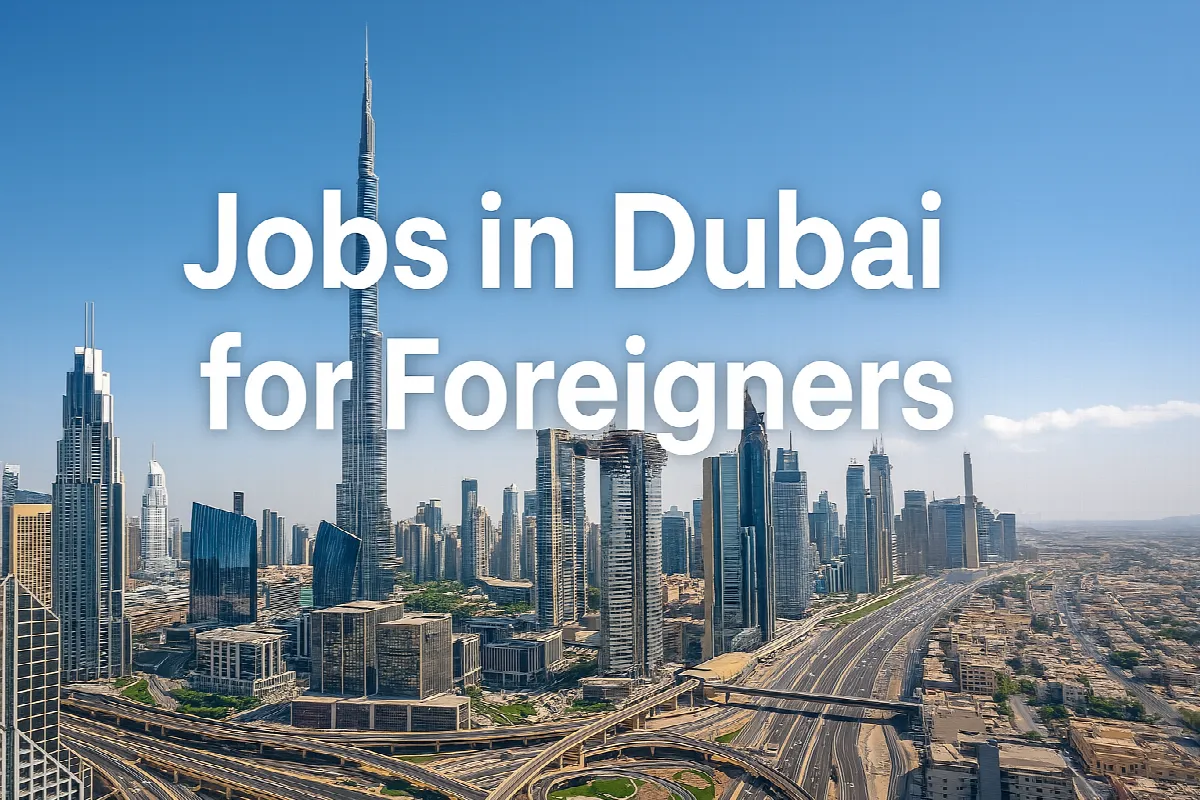
Finding jobs in Dubai for foreigners in 2025 is both exciting and challenging. The United Arab Emirates (UAE) job market is rebounding strongly, attracting talent from around the globe. In fact, the UAE’s population hit 11.35 million in 2025 – a jump driven largely by expatriates moving for work.
This means abundant opportunities and increased competition. In this guide, we’ll show you how to get a job in Dubai as a foreigner, covering everything from Dubai work visa options to high-demand industries and UAE salary expectations. Whether you’re eyeing Dubai’s bustling metropolis, Abu Dhabi’s corporate hubs, or opportunities in Sharjah and other emirates, our 2025 roadmap will set you up for career success in the UAE.
UAE Job Market in 2025: What Foreigners Need to Know
The UAE job market in 2025 is dynamic and fast-evolving. Business confidence is high – roughly 63% of companies plan to increase headcount in the next year amid economic growth. The UAE economy is forecast to grow around 4–5% in 2025, outpacing global averages, thanks to diversification and major investments. For foreign job seekers, this means new openings in sectors like tech, finance, construction, and healthcare.
However, an influx of expat professionals has made competition fiercer than ever. A few years ago, a Dubai job posting might get 100 applicants; these days some postings attract up to 2,000 applicants as foreigners flood the city. Employers now have a larger talent pool to choose from, which has a side effect: salaries are levelling off.
According to Cooper Fitch’s latest survey, average salaries in the UAE are projected to see a 0% increase in 2025 (essentially flat growth) despite the booming economy. In other words, companies know many candidates are available and are cautious with pay rises.
Emiratisation is another factor shaping the 2025 landscape. The UAE government requires larger companies to hire more UAE nationals each year (aiming for 10% Emirati representation by 2026). By 2025, firms with 50+ employees must hit an 8% Emirati workforce target in skilled roles. This initiative means foreign candidates might see a preference for local talent in some positions. Nevertheless, expats still comprise the vast majority of the workforce – nearly 88.5% of the UAE’s population is made up of expatriates – and international expertise remains in high demand.
Key takeaway: The UAE job market offers robust growth and opportunities in 2025, but foreign job seekers should be prepared for intense competition. It’s crucial to stand out with the right skills, a strong professional network, and localised knowledge. In the next sections, we’ll delve into securing a Dubai work visa, effective job search strategies, and which industries are hot right now.
Visa Options for Foreign Workers
To legally live and work in Dubai or anywhere in the UAE as a foreigner, you must have the proper visa or residency status. The good news is that the UAE has several visa options for foreign workers, ranging from short-term job-seeking visas to long-term residency. Below, we compare the main visa types:
Which visa to aim for? Most foreigners start with an employment visa, secured by landing a job offer. This is the common route to get a UAE Residence ID and legally work. Many expats initially arrive on a tourist or jobseeker visa to hunt for jobs on the ground, then switch to an employment visa once hired. Make sure to never work on a tourist visa – it’s illegal and can lead to penalties.
If you’re a highly skilled professional or investor, consider the Green or Golden Visa for long-term residency. These are part of the UAE’s recent immigration reforms (launched in late 2022 u.ae) to attract and retain foreign talent. They offer stability and flexibility – for example, Golden Visa holders get a 10-year UAE residence regardless of employment status.
For more detailed guidance on visa applications, check out our in-depth UAE Work Visa Guide on the JobXDubai blog. It covers application steps, required documents, and latest visa rules to help you navigate the process smoothly.
Proven Job Search Strategies That Work in the UAE
Landing a job in Dubai or elsewhere in the UAE as a foreigner requires more than just sending out CVs. You need a smart strategy tailored to the local market. Here are proven job search tactics to boost your success:
- Leverage Online Job Portals: Major job websites like LinkedIn, JobXDubai, GulfTalent, and Naukrigulf advertise thousands of UAE vacancies. Keep your profiles updated with relevant keywords (e.g. “UAE”, “Dubai”) so recruiters can find you. Set up email alerts for new postings. Many expats report LinkedIn as a top source for professional jobs – engage by posting content and commenting in your industry to get noticed.
- Network, Network, Network: In the UAE’s relationship-driven culture, who you know can be as important as what you know. Attend industry events, seminars, and job fairs in Dubai or Abu Dhabi. Join online forums or social media groups for expats and professionals in the UAE. Let your acquaintances know you’re job hunting – referrals are common hiring channels. Don’t shy away from reaching out to recruiters and hiring managers directly (politely) to introduce yourself.
- Tailor Your CV to the UAE Market: A generic resume won’t stand out in a pile of 2,000 applications. Ensure your CV (Curriculum Vitae) is formatted to international standards and highlights any Gulf region experience or languages. Emphasise your visa status or availability to relocate. It can be wise to include a professional photo and personal info on UAE CVs (some employers expect it), but keep it strictly professional. If you need help crafting a powerful CV, consider JobXDubai’s Professional CV service – expert writers can optimise your CV to impress UAE recruiters.
- Be Strategic and Proactive: Timing matters – hiring tends to slow during Ramadan and peak just after. Apply early in the week (the workweek is Monday to Friday in the UAE’s corporate sector). Always follow up applications with a polite email inquiry after 10-14 days, as it shows interest. Prepare a UAE-appropriate cover letter expressing why you’re excited to contribute in the Middle East context. Have your credentials attested (degrees, certificates) since employers will require this for visa processing.
- Utilise Recruitment Agencies: Many UAE employers use recruitment agencies or headhunters to find talent, especially for higher-level roles. Reaching out to agencies in your field (e.g. Hays, Michael Page, Robert Half, etc. which have UAE offices) can get your CV in front of the right people. Keep your LinkedIn open to recruiters. Also consider temporary or contract roles – they often convert to permanent and at least get your foot in the door.
By implementing these strategies, you’ll greatly improve your odds of securing a job offer. For further reading, our blog post on Dubai Job Search Tips provides additional tactics, including how to ace interviews and negotiate offers in the UAE context.
(Bonus tip: If you’re already in the UAE on a visit visa, treat your job hunt like a 9-to-5 job – schedule networking meetings, visit company offices if appropriate, and stay persistent. The connections you make on the ground can be invaluable.)

Salary & Cost of Living Realities
Before moving to the UAE, it’s crucial to set realistic salary expectations and budget for the cost of living. Here we break down typical salaries by sector and discuss living costs for expats in 2025.
Salaries in 2025: What You Can Expect
The UAE offers tax-free salaries, which is a huge draw for foreigners. However, pay varies widely by industry and role. The table below shows ballpark average monthly salaries (in AED) for mid-level professionals in major sectors:
Notes: 1 AED is pegged to USD at ~0.27. The figures above are approximate averages for 2024-2025 and can vary based on experience and company size. For example, senior finance managers can earn far above 25k, and entry-level hotel staff may earn below 10k. Overall, the UAE’s average monthly salary is around AED 19,500 (roughly 5,300 USD) across all fields. In 2024, salaries saw a modest ~4.5% average increase, but as noted, 2025 is projected to be flat on average. High performers and in-demand specialists can still negotiate raises or bonuses, but plan your finances assuming steady (not rapidly rising) pay.
Rising Cost of Living in the UAE
Dubai and Abu Dhabi offer an enviable lifestyle, but it comes at a cost. Cost of living has been climbing, which is something expats should factor into salary negotiations:
- Housing: Rent is the biggest expense. Dubai’s rents jumped by up to 15% in early 2024 after a surge of new expats. That trend may continue if demand stays high. A one-bedroom in central Dubai or Abu Dhabi can range from AED 5,000–8,000/month, while Sharjah and other emirates are more affordable. Many job packages include a housing allowance – ensure your salary or benefits account for accommodation costs.
- Inflation: UAE inflation has been moderate but significant. Dubai’s consumer price index was about 3.5% in 2024 (up from 3.3% in 2023), driven by pricier rents, food, and services. Imported goods and school fees also contribute. A salary that felt comfortable a couple of years ago might be tighter now due to these increases.
- Everyday Expenses: The UAE is the priciest country in the Middle East. In Mercer’s Cost of Living Index 2024, Dubai ranks as the 15th most expensive city globally. Groceries, dining out, and petrol are cheaper than many Western cities, but things like cars, electronics, and schooling can be expensive. As a rough guide, a single person’s average monthly expenses (excluding rent) are about AED 4,000 (~$1,100), and a family of four’s are around AED 14,000 (>$3,800). These figures cover food, transport, utilities, etc., but not luxury activities or savings.
- No Income Tax: On the bright side, the UAE still has zero personal income tax, which means your gross salary is what you take home. This often offsets the higher living costs. However, keep in mind new fees like 5% VAT on goods and services, and tourism taxes, which slightly increase expenses.
Bottom line: When evaluating a job offer, research the typical salary for your role and ensure it will support your lifestyle in the UAE. Our table above can serve as a starting point for UAE salary expectations. If an offer is lower than the market rate, be prepared to negotiate – perhaps ask for housing support, annual airfare tickets home, or education allowances for children, which are common expat benefits. Use credible sources (like Gulf News or Khaleej Times) and salary guides to benchmark the offer. With a clear understanding of income vs. expenses, you can enjoy the tax-free earnings without financial stress.
High-Demand Industries & Career Paths
Which fields offer the best prospects for foreigners in 2025? The UAE’s diversification push means multiple industries are booming. Here are some high-demand sectors and career paths to consider:
Technology and Digital Industries
The UAE’s tech scene is thriving, fueled by initiatives like the National Program for Coders (aiming to attract 100,000 programmers to the country) and a government focus on AI and smart cities. Roles in software development, cybersecurity, data analysis, and AI engineering are in high demand. Dubai’s Internet City and Abu Dhabi’s Hub71 are hotspots for tech startups and multinational tech firms. Salaries are competitive and often on par with finance jobs, especially for experienced developers or IT project managers. If you have in-demand tech skills, the UAE’s digital sector offers rapid career growth – and possibly a Green Visa if you’re a highly skilled expert.
Finance and Banking
Dubai is a financial hub for the Middle East, and Abu Dhabi hosts major sovereign funds and banks – making finance & banking a consistently high-demand field. Chartered accountants, financial analysts, investment bankers, and fintech specialists are sought after. Despite a slight dip in expat pay packages recently, the finance sector remains lucrative. Many financial services firms grew their headcount by over 10% last year to support new business.
Fintech and crypto-related firms (many in Abu Dhabi’s ADGM free zone) are especially on the lookout for foreign talent. If you’re coming from a banking background, target the multinational banks, Big Four firms, or boutique investment firms setting up in the UAE.
Construction and Engineering
The UAE’s skyline is perpetually dotted with cranes – a sign that construction and engineering roles are abundant. With ongoing projects for Expo City legacy developments, new malls, tourist attractions, and housing, companies need civil engineers, project managers, architects, and skilled construction managers. 73% of UAE construction companies anticipated workforce growth in 2025, reflecting ambitious infrastructure plans. In addition, Abu Dhabi’s oil & gas industry (and the renewable energy projects like solar farms) seek engineers and technicians.
Foreign professionals with experience in large-scale projects or niche engineering skills will find plenty of opportunities. Just be prepared for the climate – construction in the Gulf’s hot weather is not for the faint-hearted, but the sector’s rewards and demand are strong.
Hospitality and Tourism
After the challenges of the pandemic, hospitality and tourism in the UAE have roared back. Dubai hit record tourist numbers and is leveraging its Expo 2020 legacy, while other emirates are boosting tourism (e.g. theme parks, cultural sites in Abu Dhabi, eco-tourism in Ras Al Khaimah). This means demand for hotel managers, chefs, event planners, travel consultants, and customer service staff. Major hotel chains often recruit globally for management positions. Knowing multiple languages is a big asset in this sector. Salaries in hospitality can be lower than tech or finance, but the cost of living may be partly offset by provided housing or food, especially for mid-level roles. It’s a great sector for gaining international experience, and career progression can be fast in Dubai’s competitive hospitality market.
Healthcare and Life Sciences
The UAE is investing heavily in healthcare, aiming to become a medical tourism hub. New hospitals, research centers, and clinics are opening, creating opportunities for doctors, nurses, pharmacists, medical technicians, and healthcare administrators.
Specialists like surgeons and anesthetists are very well-compensated (often on par with Western salaries) due to high demand. There’s also growth in pharma companies and biotech (particularly in Dubai Science Park and Abu Dhabi’s health tech initiatives).
Foreign medical professionals usually need to obtain UAE licensing (e.g. DHA license in Dubai or HAAD license in Abu Dhabi), but once cleared, there is high demand for qualified staff. If you’re in healthcare, the UAE’s mix of public and private hospitals (such as Cleveland Clinic Abu Dhabi or Mediclinic) provide strong career options.
Of course, these aren’t the only thriving fields – education, logistics, media/creative industries, and retail are also significant employers of foreigners in the UAE. The key is to target sectors aligning with your expertise where investment and growth are evident. Keep an eye on UAE news (like Gulf News business reports) to spot emerging opportunities. For instance, with the UAE hosting the COP28 climate conference and pushing green initiatives, renewable energy and sustainability jobs are on the rise too.

Succeeding in UAE’s Multicultural Workplace
One of the amazing aspects of working in the UAE is its highly multicultural workplace. The UAE is home to over 200 nationalities living and working together – you might find your team includes Brits, Indians, Nigerians, Filipinos, Arabs from across the Middle East, and more, all collaborating in one office. This diversity is enriching but also requires cultural sensitivity. Here are some tips to help you thrive in the UAE’s international work environment:
- English is the Lingua Franca: English is the primary business language in Dubai and Abu Dhabi, so you’ll find it easy to communicate as a foreigner. However, learning a few basic Arabic phrases (even just “hello” and “thank you”) is appreciated and shows respect. Don’t worry – you can absolutely get by without speaking Arabic, but understanding cultural phrases or greetings (like “Assalamu alaikum”) can earn goodwill.
- Respect Cultural Norms: The UAE may be cosmopolitan, but it remains rooted in Islamic and Emirati traditions. Be mindful of the local customs – for example, during Ramadan, refrain from eating or drinking in front of fasting colleagues during daylight. Dress modestly in the workplace (business attire is typically conservative). Understand that Friday is a holy day; even though the official weekend is now Saturday-Sunday for many companies, some local businesses may have different hours on Fridays. Showing respect for religious and cultural practices will go a long way in building strong work relationships.
- Workplace Etiquette: Punctuality and professionalism are expected. Always address colleagues politely – use first names in international companies, but with Emirati or older colleagues, you might use “Mr.” or “Ms.” unless they insist otherwise. Handshakes are common but note that some Muslim colleagues (especially women with men) might prefer not to shake hands; a smile and nod is fine in such cases. Business meetings often start with some personal small talk (How was your weekend? How is your family?), so don’t dive straight into business without a bit of rapport-building.
- Adapt to a Different Management Style: Hierarchies can be more pronounced in some UAE companies, especially family-run businesses. You may have less direct access to top management than you’re used to, and decision-making might take longer or involve more layers of approval. Patience and adaptability are key. On the flip side, many UAE workplaces are quite progressive and Western in style – it really depends on the company culture (multinational vs. local firm). Be observant in your first few weeks and adjust your communication style accordingly.
- Embrace Diversity: Perhaps the best advice is to truly embrace the diversity around you. Your coworkers will have a wealth of perspectives. Take the opportunity to learn from them – whether it’s trying Emirati cuisine like machboos at an office lunch, or celebrating Diwali or Christmas in the UAE with colleagues of different faiths. The UAE actively celebrates cultural diversity (with events for various national holidays), so join in. This openness will help you build a strong professional network and also friends outside work, making your expat life richer.

Remember that at its core, UAE work culture values respect, hospitality, and tolerance – reflecting the country’s ethos. If you show eagerness to learn and adapt, people are generally welcoming and helpful. Many foreigners before you have built successful careers here by being culturally aware and professional. You can do the same, setting yourself up not just to land a job in Dubai or Abu Dhabi, but to grow and succeed in the long run.
Final Thoughts & Your Next Step with JobXDubai
Embarking on your UAE job search as a foreigner in 2025 is an exciting journey. To recap, start by understanding the market: the UAE is booming but competitive, so do your homework on visa requirements and target industries. Make sure you have the right visa lined up (or know the steps to get one), polish your CV to meet local expectations, and apply the job search strategies that we know work in the UAE context. Keep realistic expectations on salary and budget, but also recognise the tax-free income advantage you’ll enjoy once you’re hired.
Finally, don’t do it alone. JobXDubai is here to support you at every step. We provide resources, guidance, and services to make your UAE career dreams a reality.
Need a standout CV? Our Professional CV Writing service will craft a CV that highlights your strengths for the UAE job market. Unsure where to find the best opportunities? Explore the latest listings and insider tips on our platform. And if you’re an employer or know someone hiring, JobXDubai for Employers connects companies with top foreign talent, streamlining the hiring process in this competitive market.
Your next step: Put this guide into action. Update your LinkedIn, reach out to that contact in Dubai, and submit that application you’ve been hesitating on. Every day, countless foreigners land their dream jobs in Dubai and across the Emirates – 2025 can be the year you join them. JobXDubai is ready to help you navigate the journey, from the moment you apply for a Dubai work visa to the day you sign your job contract. Here’s to your UAE career success – maʿ al-salāmah (goodbye) for now, and we hope to see you thriving in the Emirates soon!
The UAE week, every Monday
The week's stories on jobs, visas, money and daily life in one short email. Unsubscribe in one click.