Emirates and flydubai Expand Global Reach with 14 New Destinations in 2025
Emirates and flydubai launch 14 new destinations in 2025, boosting Dubai’s aviation hub status. Discover new routes, job opportunities, and travel options.
By Vadim Kouznetsov, published
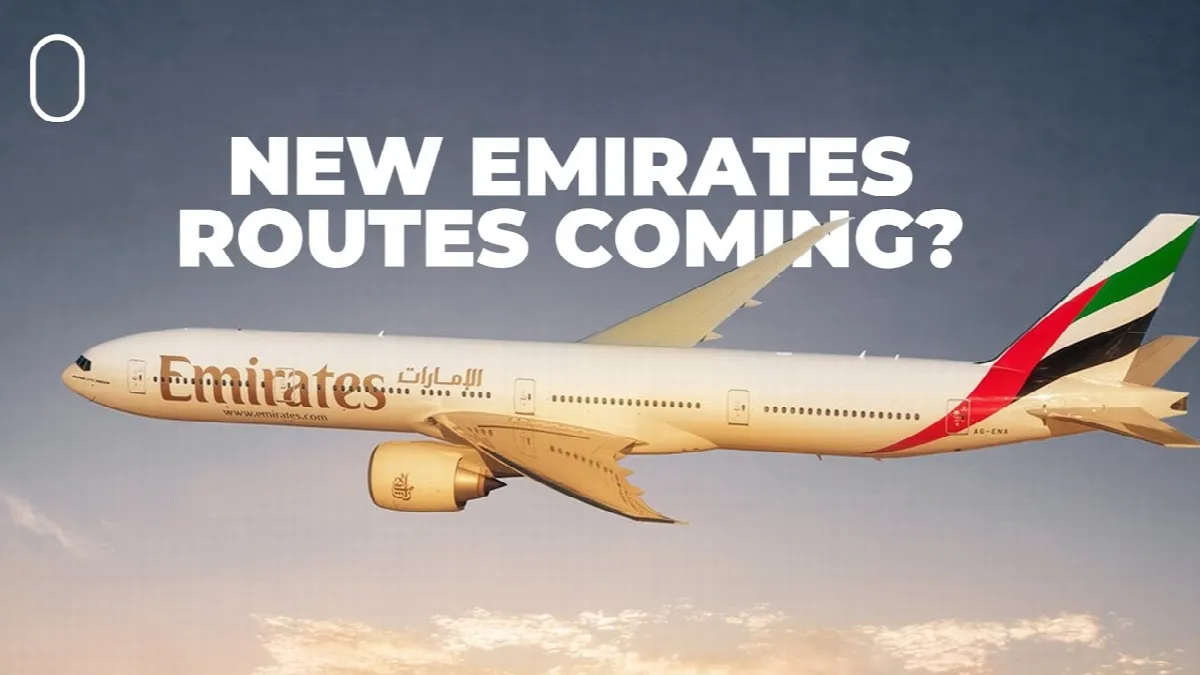
Emirates and flydubai have launched an impressive expansion campaign, introducing flights to 14 new destinations across their global networks since the start of 2025. This ambitious growth strategy reflects Dubai’s continued emergence as a leading global aviation hub and responds to surging international travel demand following the recovery of the aviation sector.
Emirates Strengthens Asian Network with Five Strategic Routes
The flagship carrier has introduced five significant new destinations throughout 2025, demonstrating its commitment to expanding access to key markets across Asia. Emirates launched services to Da Nang, Vietnam on June 2, followed immediately by flights to Siem Reap, Cambodia on June 3.
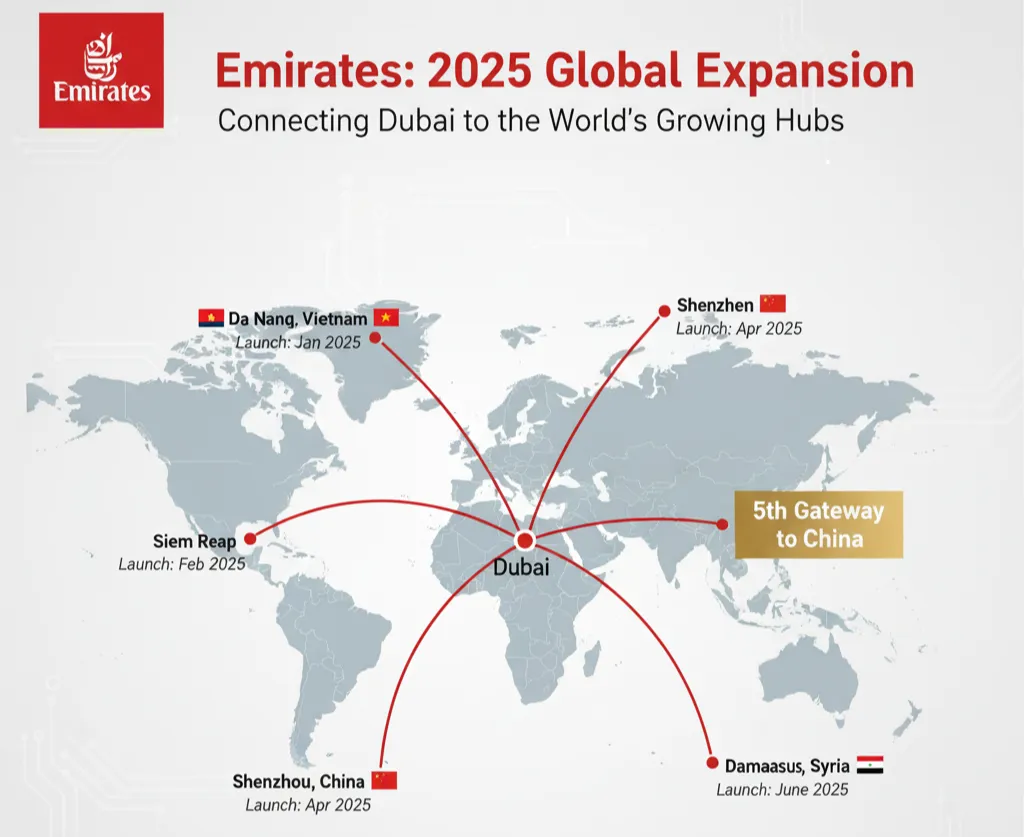
The airline’s focus on the Chinese market intensified with the introduction of flights to Shenzhen on July 1, marking another strategic gateway into mainland China. This expansion culminated in early August with the launch of daily service to Hangzhou, representing Emirates’ fifth gateway in mainland China and second addition within a month.
Emirates also resumed operations to Damascus, with plans to expand to daily flights from October 26, reflecting the gradual normalisation of regional connectivity. The airline plans to deploy its new Airbus A350 aircraft on the Hangzhou route starting October, reinforcing its commitment to the Chinese market with state-of-the-art equipment.
flydubai’s Aggressive Nine-Destination Expansion
The low-cost carrier has pursued an even more ambitious expansion strategy, launching flights to nine new destinations since January 2025. In September, flydubai began regular services to Iași, Romania, becoming the first UAE carrier to operate direct flights to this city with twice-weekly frequency.
flydubai now serves two Romanian destinations, including Bucharest, with plans to increase Bucharest operations to three daily flights, totaling 21 weekly services. This aggressive European expansion continued with the inauguration of flights to Chisinau, Moldova, marking another first for UAE carriers in connecting Dubai directly with the Moldovan capital.
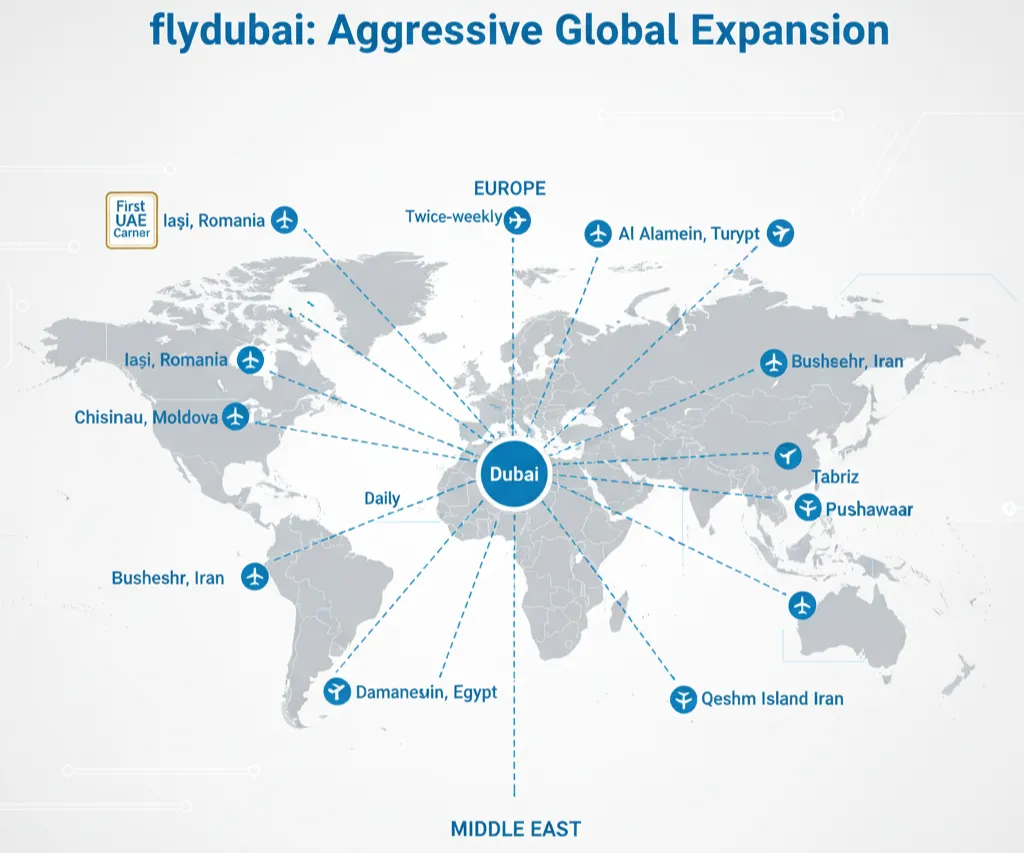
Earlier in 2025, the airline expanded its summer network with seasonal services to popular destinations including Antalya, Turkey, and Al Alamein, Egypt. The milestone achievement came on June 1 when flydubai resumed daily flights to Damascus, becoming the first UAE carrier to restore operations to the Syrian capital.
The carrier also launched new services to Peshawar, Pakistan from May 15, 2025, and added three destinations in Iran: Bushehr and Tabriz on March 13, and Qeshm Island on March 14, demonstrating its commitment to strengthening regional connectivity.
Employment Impact of Aviation Expansion
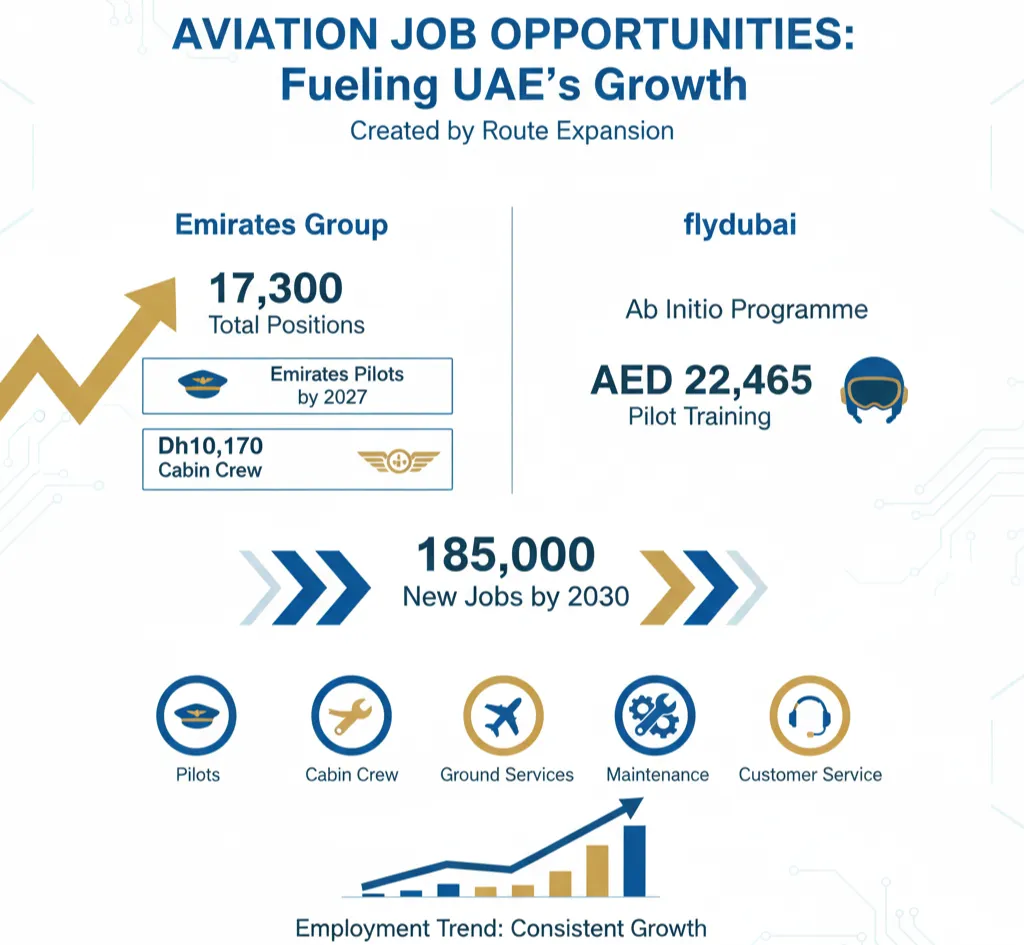
This significant route expansion creates substantial employment opportunities across Dubai’s aviation sector, which is projected to generate 185,000 new jobs by 2030. The growth directly impacts multiple employment categories including pilots, cabin crew, ground services, and support staff.
Emirates continues aggressive hiring with plans to recruit 1,500 pilots by 2027 and 17,300 total positions across various roles. The airline currently offers competitive cabin crew positions with monthly salaries of Dh10,170 plus comprehensive benefits.
flydubai has launched its Ab Initio Pilot Training Programme starting Q4 2025, offering high school graduates pathways to become Boeing 737 pilots with starting salaries of AED 22,465 monthly. This initiative addresses the global pilot shortage while creating career opportunities for aspiring aviators.
Upcoming Route Launches and Future Plans
flydubai plans to strengthen its global footprint further with three additional routes in the final quarter of 2025. Scheduled launches include flights to Nairobi, Kenya from October 15, as well as new European routes to Riga, Latvia, and Vilnius, Lithuania, beginning in December.
These upcoming destinations complement the existing network expansion and demonstrate both carriers’ commitment to serving underserved markets. The strategic route selection balances leisure destinations with business travel opportunities, supporting Dubai’s position as a global business and tourism hub.
The expansion also includes increased frequencies to existing popular destinations, ensuring adequate capacity during peak travel periods. Emirates has identified peak travel periods during major holidays when demand significantly exceeds normal levels.
Dubai’s Aviation Hub Strategy
The combined expansion of Emirates and flydubai reinforces Dubai’s strategic objective of becoming the world’s premier aviation hub. This growth supports broader economic diversification goals whilst creating employment opportunities across multiple sectors.
Dubai International Airport continues implementing innovative passenger processing technologies, including the ‘Unlimited Smart Travel’ system that processes passengers in just 14 seconds using AI facial recognition. These technological advances ensure capacity can handle increasing passenger volumes efficiently.
The expansion also necessitates enhanced operational coordination between airlines and airport authorities. Dubai has implemented new health protocols under Law No. (5) of 2025, requiring travellers to declare infectious conditions and follow specific health requirements.
Regional Competition and Market Positioning
The aggressive expansion by both Emirates and flydubai responds to increasing competition from regional carriers. Etihad Airways has announced expanded summer 2025 schedules with double daily flights to major European cities, intensifying competition for market share.
Dubai’s carriers leverage the emirate’s strategic geographic position between Europe, Asia, and Africa to offer convenient connections for international passengers. The expansion strengthens this competitive advantage by providing more origin-destination pairs and connection opportunities.
The route network growth also supports Dubai’s tourism industry by providing increased accessibility for international visitors. This creates positive economic impacts across hospitality, retail, and service sectors beyond aviation.
Passenger Experience and Service Enhancements
Both airlines continue investing in passenger experience improvements alongside route expansion. Emirates has deployed its latest aircraft configurations on new routes, whilst flydubai focuses on cost-effective service delivery without compromising safety or reliability.
The expansion includes consideration of passenger convenience during peak travel periods, with airlines recommending early arrival and utilisation of digital check-in services to manage increased volumes.
For passengers requiring medication during travel, both carriers ensure compliance with UAE customs regulations whilst maintaining service quality standards across all new destinations.
Economic Impact and Future Outlook
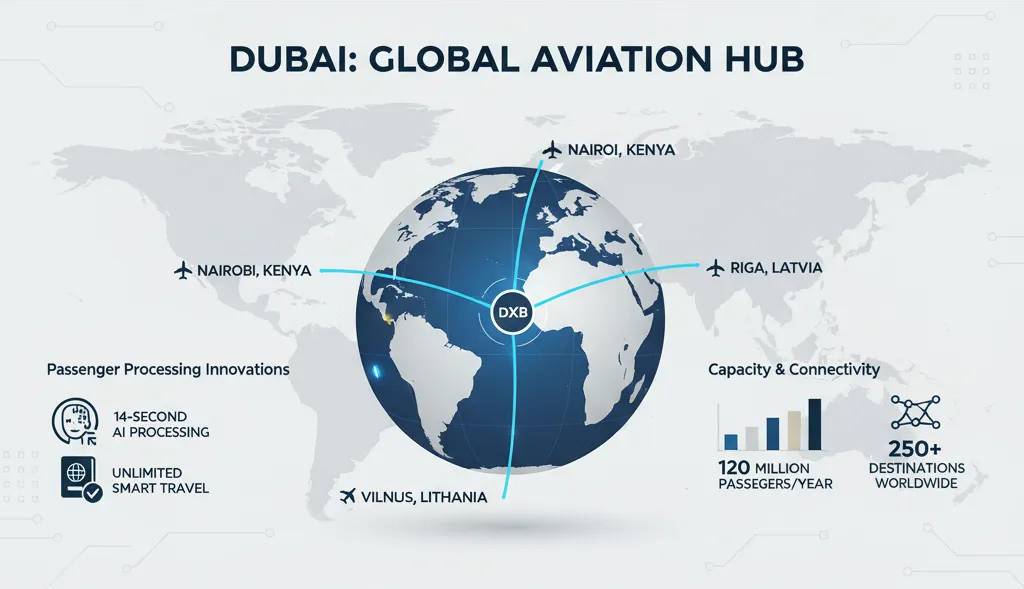
The 14 new destinations create significant economic impact through increased tourism, business travel, and cargo opportunities. Each new route generates employment across multiple sectors whilst enhancing Dubai’s connectivity to emerging markets.
The expansion supports Dubai’s vision of welcoming 25 million visitors annually by 2025, with aviation connectivity being a critical enabler of this tourism growth target. The increased flight frequencies and new destinations provide tourists and business travellers with greater flexibility and convenience.
Dubai’s position as a global business hub benefits from enhanced connectivity, making it easier for international companies to establish operations and for professionals to relocate for career opportunities.
Key Takeaway
Emirates and flydubai’s addition of 14 new destinations in 2025 demonstrates Dubai’s continued evolution as a global aviation hub, creating substantial employment opportunities whilst enhancing international connectivity. This strategic expansion supports broader economic diversification goals and reinforces the UAE’s position as a premier destination for aviation careers, tourism, and business operations.
Frequently Asked Questions
How many new destinations have Emirates and flydubai added in 2025? Emirates has added 5 new destinations while flydubai has launched 9 new routes, totaling 14 new destinations across both carriers since the start of 2025.
Which new destinations has Emirates launched? Emirates introduced services to Da Nang (Vietnam), Siem Reap (Cambodia), Shenzhen (China), Hangzhou (China), and resumed flights to Damascus (Syria).
What are flydubai’s newest routes? flydubai launched flights to Iași (Romania), Chisinau (Moldova), Antalya (Turkey), Al Alamein (Egypt), Damascus (Syria), Peshawar (Pakistan), and three Iranian cities: Bushehr, Tabriz, and Qeshm Island.
Are there more route launches planned for 2025? Yes, flydubai plans three additional routes in Q4 2025: Nairobi (Kenya) from October 15, and Riga (Latvia) and Vilnius (Lithuania) beginning in December.
How does this expansion affect employment opportunities? The expansion creates jobs across multiple aviation sectors, with Emirates planning to hire 1,500 pilots by 2027 and Dubai’s aviation industry projected to generate 185,000 new jobs by 2030.
What aircraft will Emirates use on new Chinese routes? Emirates plans to deploy its new Airbus A350 aircraft on the Hangzhou route starting October, demonstrating its commitment to the Chinese market with modern equipment.
Further Reading:
- Emirates Careers 2025: Complete Application Guide and Process
- flydubai Ab Initio Pilot Training: Boeing 737 Careers Start Q4 2025
- Dubai Aviation Sector to Create 185,000 New Jobs by 2030
- Emirates Cabin Crew Jobs 2025: Salary Dh10,170, Apply Now Dubai
- Etihad Airways Summer 2025: Expanded Routes & Double Daily Flights
The UAE week, every Monday
The week's stories on jobs, visas, money and daily life in one short email. Unsubscribe in one click.