Rent Modern Office Space at Sorp Business Center Dubai
Explore Sorp Business Center for premium office rentals in Dubai. Perfect location for your business needs and modern facilities.
By Vadim Kouznetsov, published
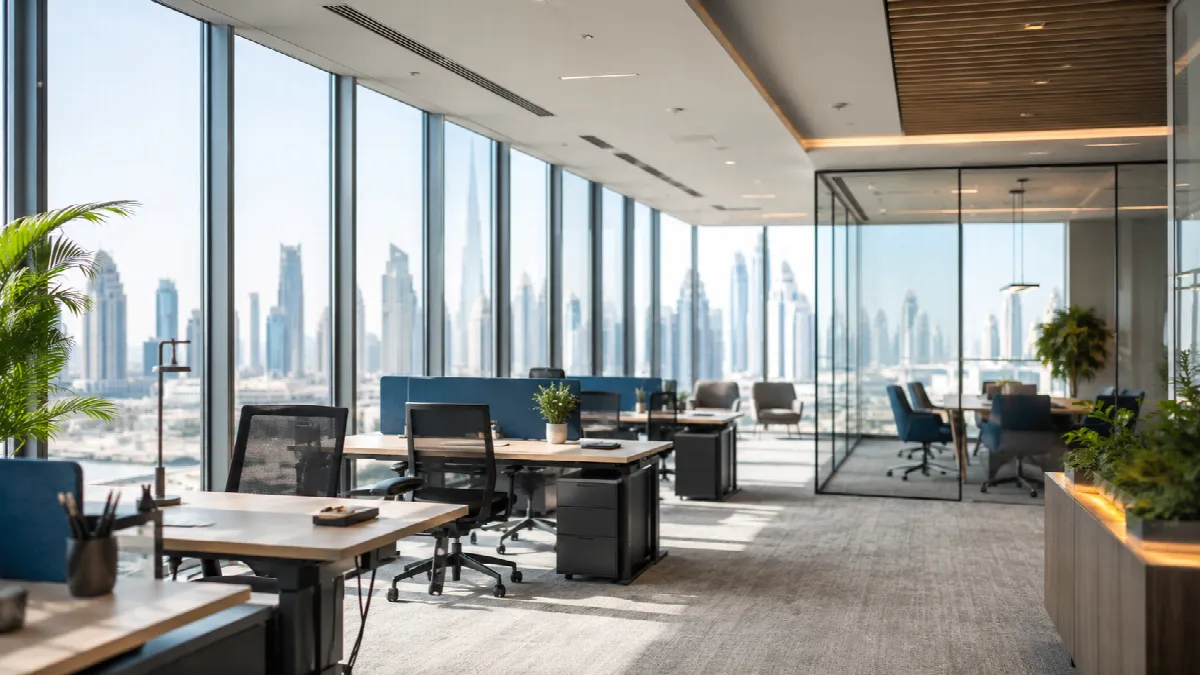
Choosing the right location for your professional activities can significantly impact productivity and employee satisfaction. Located in the heart of a dynamic city, this elegant facility offers a remarkable environment designed to meet the diverse needs of businesses. With flexible layouts and high-quality amenities, it caters to various team sizes and operational styles.
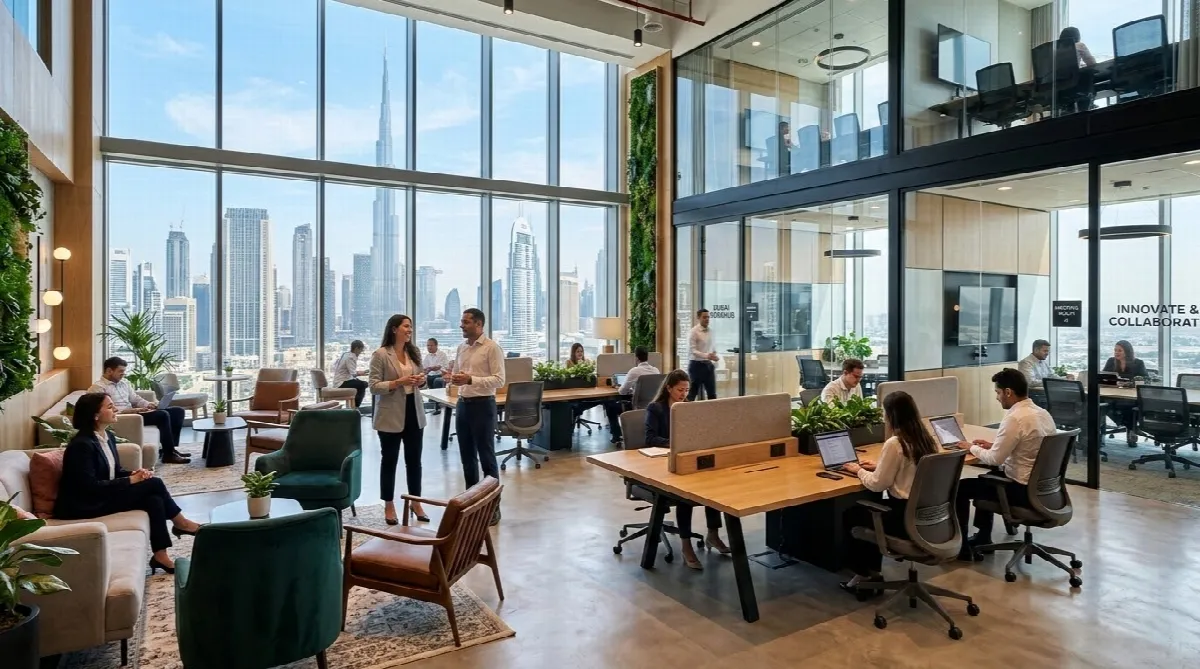
Consider utilizing meeting rooms equipped with state-of-the-art technology, fostering collaboration and innovation. The sorp business center features communal areas that encourage networking and interaction among professionals from different sectors. Accessibility is enhanced by proximity to major transportation routes and services, making it convenient for both local and visiting professionals.
A variety of leasing options are available, allowing organizations to choose terms that align with their growth strategies. This adaptability can support businesses, whether establishing a new presence or expanding existing operations. Explore the blend of functionality and comfort that this location provides, making it a strategic choice for forward-thinking companies.
Choosing the Right Office Size and Layout
The size of the workspace should align with your team’s current requirements and anticipated growth. For small teams, around 10-15 square meters per person is adequate. For larger groups, incrementally increase the space allocation to about 20-25 square meters per individual. Flexibility is key; consider spaces designed to accommodate both collaborative and individual work.
Additionally, assessing the layout is as critical as determining size. Open layouts encourage teamwork but can also lead to distractions. Conversely, traditional cubicle setups enhance privacy but may inhibit communication. Striking a balance–by incorporating both open areas and private zones–can cater to varying work styles within your team.
It is advisable to evaluate common areas and amenities as well. Areas for informal meetings or social interaction can foster a positive work atmosphere. For every 100 square meters of workspace, plan for additional common areas accounting for about 20-30% of the total area to support collaboration and break time.
Consider the nature of your business when choosing the design. Creative industries may benefit from vibrant, unconventional layouts, while corporate entities often prefer a more formal arrangement. Understanding the target audience and brand image can guide the decision-making process.
Technology integration is another vital factor. With advancements in communication tools, ensure your layout supports seamless connectivity. Plan for sufficient electrical outlets and high-speed internet access in critical areas, allowing for reliable operations that meet your team’s needs.
Finally, periodically reassess your spatial requirements. As business dynamics change, the initial decisions regarding space and layout may need reevaluation. Staying adaptable helps maintain productivity and employee satisfaction in the long run. Accurately forecast your future needs to avoid unnecessary disruptions in the work environment.
Understanding Rental Terms and Conditions
Review agreements thoroughly before signing. Look for clauses regarding lease duration, payment schedules, and any penalties for late payments. Ensure you understand the minimum rental period and renewal options.
Payment Details
Check the payment requirements. Usually, initial costs cover a security deposit, first month’s fee, and possible administrative charges. Confirm the total amount and payment methods accepted by the provider.
Maintenance Responsibilities
Clarify who handles maintenance issues for your office for rent in Dubai. Owners often specify responsibilities for repairs. Identify in advance the process for reporting maintenance needs and the response times you can expect.
- Regular maintenance schedules
- Emergency repair protocols
- Clear delineation of tenant vs. landlord responsibilities
Examine utility provisions included in the arrangement. Some agreements might cover electricity, water, and internet, while others leave these costs solely to tenants.
Review terms regarding alterations to the premises. Modification restrictions can affect your ability to customize the environment to suit your team’s needs.
Understand the exit strategy well before the end of the term. Look into notice periods required for terminating the agreement and any potential fees for early vacating.
Consider insurance requirements. Some contracts stipulate that tenants obtain liability coverage to protect against potential damages or accidents occurring on the property.
Exploring Amenities and Services Available
The facility features high-speed internet access, catering to diverse connectivity needs. This service is crucial for seamless communication and productivity, ensuring that clients remain connected at all times.
Conference rooms equipped with advanced audio-visual setup are an asset for hosting meetings or presentations. These spaces provide a professional environment, enhancing collaboration and making a positive impression on clients and partners.
Common areas are designed to foster networking opportunities. Comfortable seating, coffee stations, and breakout zones encourage interaction among tenants, creating a sense of community and collaboration.
- On-site parking ensures convenience for those who drive.
- Reception services enhance the experience for visitors, providing assistance and managing inquiries.
- Security measures are in place to maintain a safe working environment, giving peace of mind to all occupants.
Additional support services such as administrative assistance and IT support are readily available, allowing tenants to focus on their core activities without the distraction of ancillary tasks.
Analyzing Location Benefits for Your Business
Choosing a strategic area for your operations can significantly influence client attraction and retention. Proximity to key clients and competitors often plays a critical role in enhancing visibility. The right location can serve as a magnet for foot traffic and networking opportunities.
Accessibility to transportation hubs is an outstanding factor to consider. Sites close to major transit routes and airports streamline commuting for employees and clients alike. This convenience may enhance productivity while reducing overhead costs associated with lengthy commutes.
Available amenities in the vicinity can define the appeal of a particular location. Look for areas that offer dining, fitness centers, and childcare services. Such facilities cater to employee well-being, fostering a supportive environment that can boost morale and engagement.
| Factor | Impact on Business |
| Foot Traffic | Higher visibility and potential sales increase. |
| Transportation Access | Improved employee punctuality and customer reach. |
| Amenities | Enhanced employee satisfaction and retention. |
Networking potential often accumulates in vibrant commercial districts. An area with numerous corporations and startups encourages collaboration and knowledge sharing. This synergy can yield valuable partnerships and innovative initiatives.
Market dynamics are deeply influenced by geographic positioning. Understanding the demographics of your target audience in specific locations helps tailor marketing strategies. Analyzing consumer behavior in different regions can lead to more effective outreach and product development.
Competition plays a dual role in location selection. Being near rivals can foster a healthy competitive environment, stimulating growth and innovation while motivating improvement in service and product quality. Conversely, excessive saturation can hinder market entry.
Long-term sustainability considerations are also essential. Evaluating future growth trends and infrastructure projects in the area can inform your decision-making process. Opting for locations with anticipated development can provide a competitive edge.
The UAE week, every Monday
The week's stories on jobs, visas, money and daily life in one short email. Unsubscribe in one click.