UAE July 2025 Updates: 6 Critical Changes for Residents & Businesses
Discover 6 major UAE updates starting July 2025: Armenia visa-free travel, health law changes, Emiratisation compliance & more.
By Vadim Kouznetsov, published
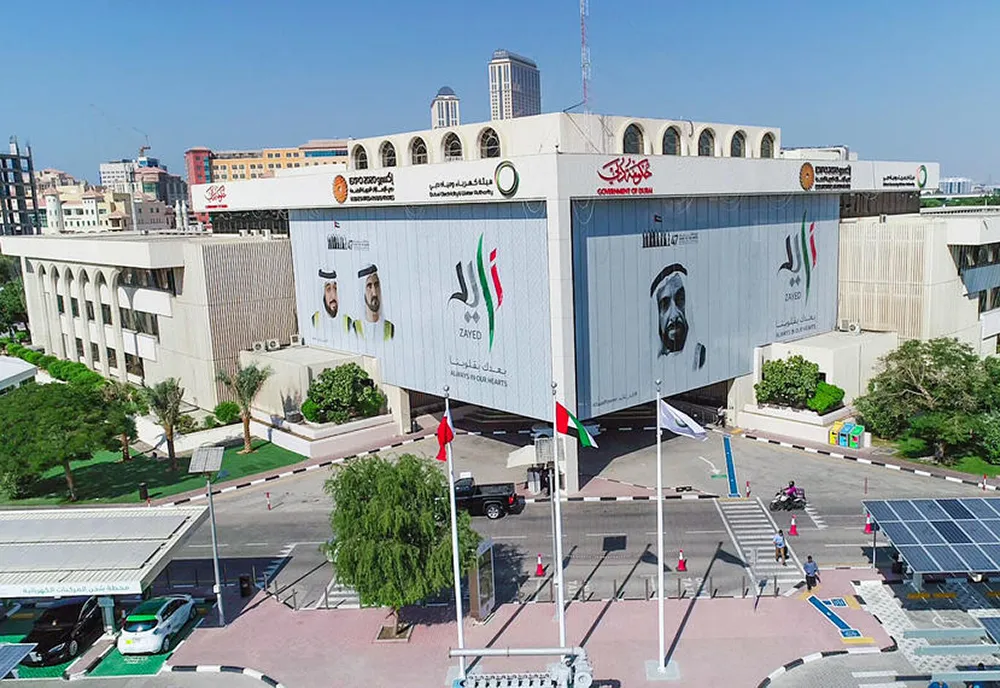
July 2025 brings transformative changes across the UAE that will impact daily life for residents and businesses alike. From expanded travel opportunities to workplace reforms and new health regulations, these updates represent significant developments in the Emirates’ continuing modernisation efforts.
Understanding these changes will help residents maximise opportunities whilst maintaining compliance with new regulations. Here’s your comprehensive guide to the six most important updates taking effect this July.
Visa-Free Armenia Travel for GCC Residents Begins July 1
Starting July 1, 2025, citizens and residents of Gulf Cooperation Council (GCC) countries, including the UAE, gain visa-free entry to Armenia for stays up to 90 days within a 180-day period. This significant expansion builds upon Armenia’s existing visa-waiver programme that previously benefited only nationals from select GCC countries.
The new policy applies to travellers holding valid GCC residency permits with at least six months’ validity from their entry date into Armenia. This requirement protects both travellers and Armenian authorities by providing adequate documentation buffer time.

This development represents Armenia’s strategic effort to strengthen ties with the Gulf region whilst providing UAE residents with another accessible European destination. The policy expansion follows a progressive timeline: UAE nationals have enjoyed visa-free access since 2017, Qatari nationals since 2019, and Kuwaitis since 2022.
For UAE residents planning summer travel, Armenia offers diverse attractions including ancient monasteries, mountain landscapes, and cultural heritage sites. The timing coincides perfectly with Armenia’s pleasant summer weather and tourism season.
UAE Legalises Tobacco-Free Nicotine Pouches from July 29
In a groundbreaking public health initiative, the UAE Cabinet has approved the sale of tobacco-free nicotine pouches starting July 29, 2025. This decision supports the nation’s smoking cessation efforts whilst providing safer alternatives for those struggling with nicotine dependency.
The approval falls under Cabinet Resolution No. (2) of 2025, establishing comprehensive technical regulations for nicotine pouches. These products deliver nicotine through plant-based fibres, flavourings, and sweeteners without tobacco, combustion, smoke, vapour, or odour.
Public health experts view these pouches as a significant harm reduction tool, particularly valuable for individuals attempting to quit cigarettes or reduce nicotine dependency. The products must meet specific safety standards set by the government before receiving approval for retail sale.
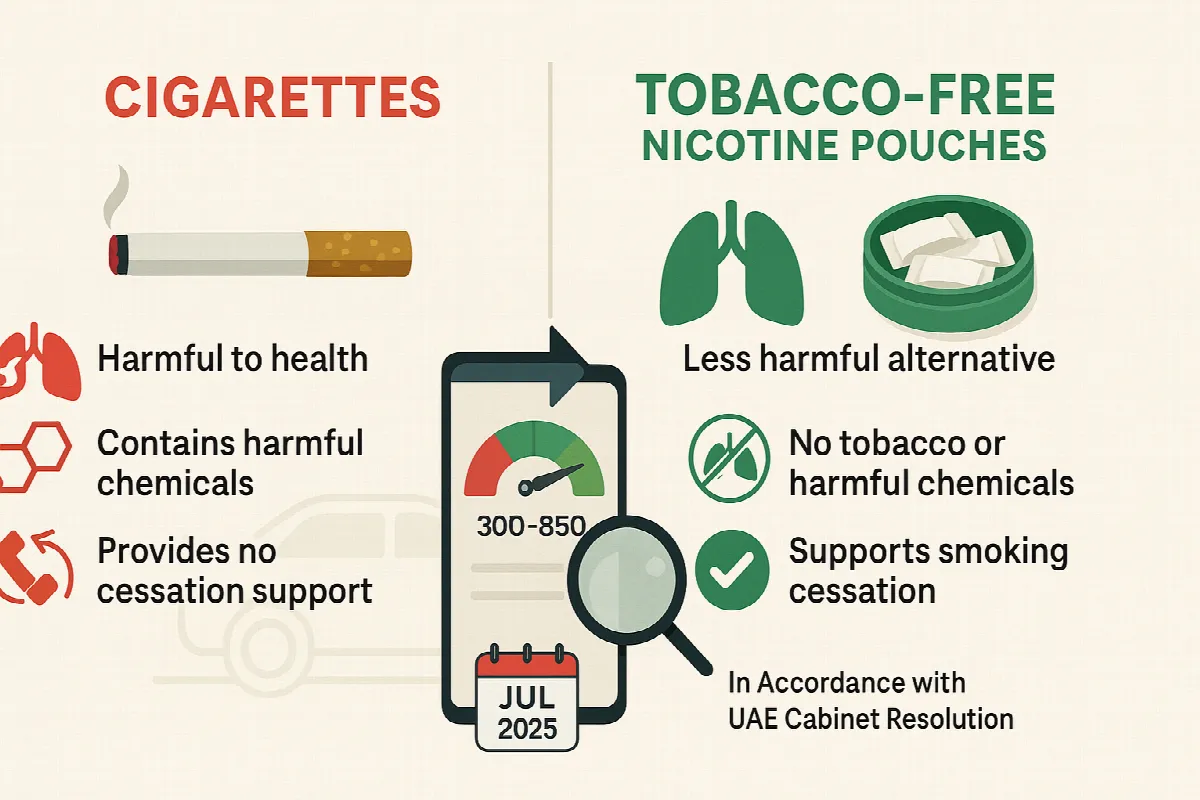
This move aligns with the UAE’s broader public health strategy and reflects international best practices in tobacco harm reduction. The regulated approach balances public health concerns with providing support for individuals seeking to break free from traditional tobacco products.
For healthcare professionals and smoking cessation programmes, these products represent an additional tool in comprehensive quit-smoking strategies, potentially improving success rates amongst those who have struggled with traditional cessation methods.
Dubai Government Launches ‘Our Flexible Summer’ Initiative
The ‘Our Flexible Summer’ initiative returns for Dubai government employees, promoting enhanced work-life balance during the region’s most challenging weather months. Running from July 1 to September 12, 2025, this programme allows flexible working schedules whilst maintaining a standard five-day work week.
Each government entity retains autonomy to implement the initiative according to their operational requirements and service delivery needs. This flexibility accommodates diverse departmental functions whilst providing employees with relief during peak summer heat.
The initiative follows a successful 2024 pilot programme that demonstrated measurable improvements in employee well-being and productivity. The programme recognises that extreme summer temperatures can significantly impact both commuting conditions and overall quality of life for government workers.
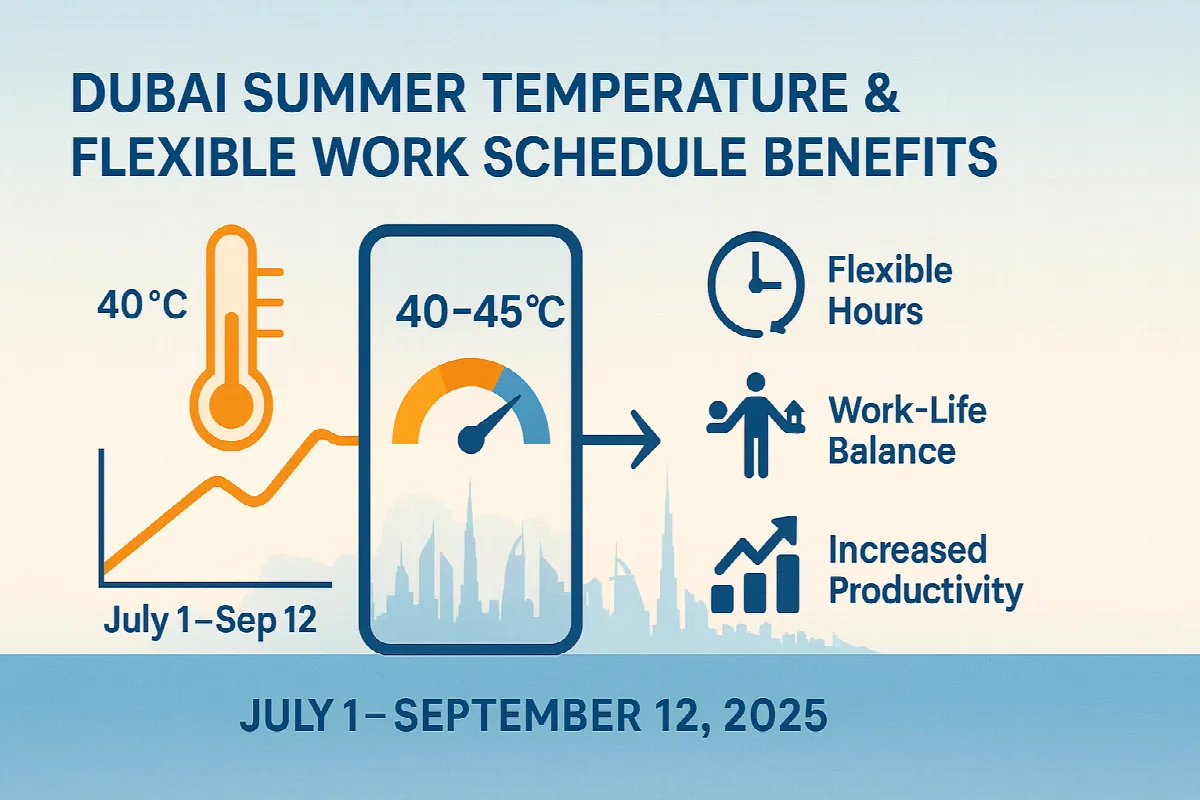
For government employees, this represents an opportunity to better manage family responsibilities, reduce commuting stress during peak heat hours, and maintain productivity levels throughout the challenging summer period. The initiative reflects Dubai’s commitment to progressive workplace policies that prioritise employee welfare.
Private sector organisations may consider similar initiatives, as the success of government flexible working arrangements often influences broader workplace culture across the Emirates.
Emiratisation Compliance Verification Intensifies July 1
The Ministry of Human Resources and Emiratisation (MoHRE) begins intensive compliance inspections starting July 1, 2025, for private sector companies with 50 or more employees. Companies must demonstrate they’ve achieved mid-year Emiratisation targets requiring a 1% increase in skilled Emirati workforce representation.
Non-compliant companies face substantial financial penalties of AED 9,000 per month for every unfulfilled position, representing a AED 1,000 increase from 2024 rates. This escalating penalty structure demonstrates the government’s commitment to achieving meaningful Emiratisation progress across the private sector.
MoHRE will verify that Emirati employees are properly registered with pension funds and that required monthly contributions are being made. These verification processes help prevent fraudulent practices whilst maintaining the programme’s integrity.
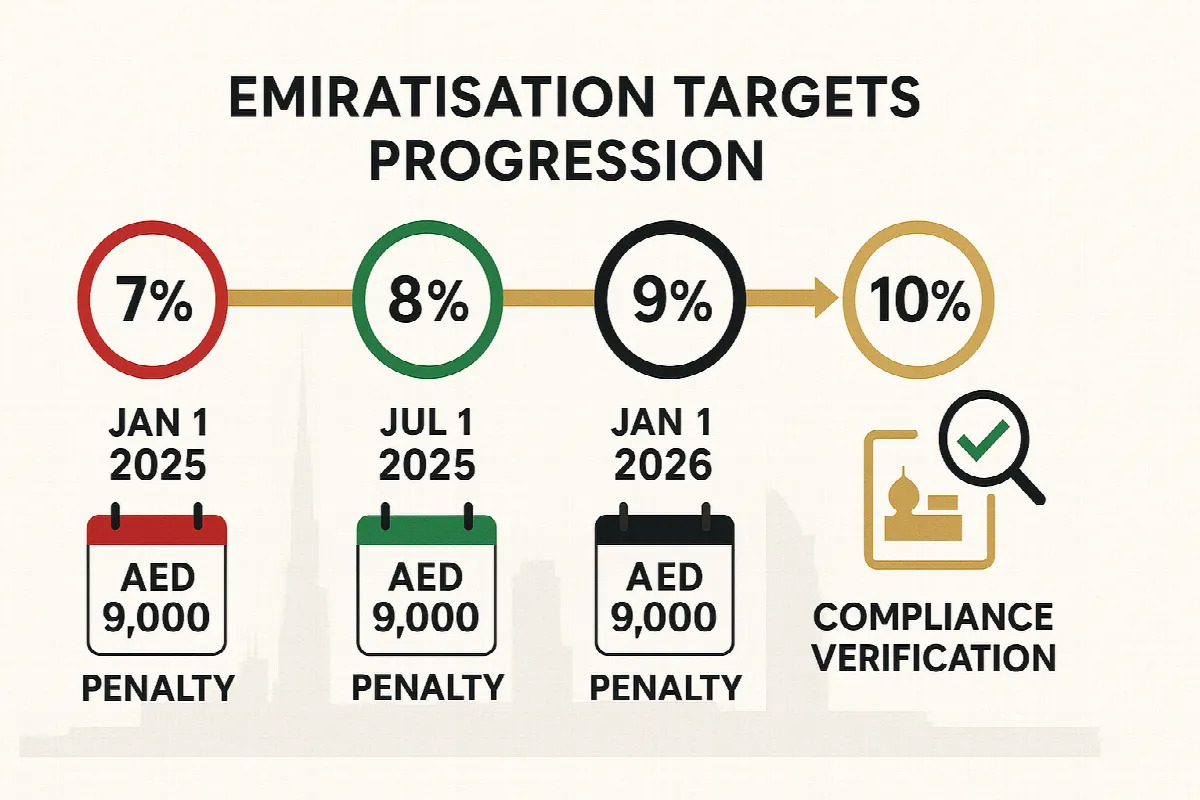
For businesses, this verification period requires immediate attention to documentation, employee registration, and compliance systems. Companies should conduct internal audits before July 1 to identify any gaps and address them proactively.
The sophisticated digital field inspection system has already identified approximately 2,200 establishments in violation of Emiratisation policies between mid-2022 and April 2025, resulting in legal actions and penalties.
New Dubai Health Law Takes Effect End of July
Dubai’s comprehensive new Health Law introduces significant changes to work and residency medical examinations, driving license health requirements, and professional health card regulations. The law comes into effect at the end of July 2025, representing a major overhaul of the emirate’s public health framework.
The legislation focuses on improving public health outcomes by protecting physical and mental health, particularly amongst young people, whilst addressing harmful behaviours and enhancing healthcare provision for elderly residents. The law also emphasises substance abuse awareness and prevention programmes.
Key areas affected include pre-employment medical examinations, residency visa health screenings, driving license medical requirements, and professional health card issuance. These changes will standardise health assessment procedures across Dubai whilst improving overall public health monitoring.
The law establishes clear responsibilities for government agencies regarding public health and environmental safety, creating accountability frameworks that benefit both residents and visitors.
For residents, this may mean updated medical examination procedures when renewing employment visas, obtaining driving licenses, or applying for certain professional certifications. Understanding these requirements early will help avoid delays in important documentation processes.
UAE School Summer Holidays Begin
Most schools across the UAE commence their two-month summer break at the end of June or beginning of July 2025. The Knowledge and Human Development Authority (KHDA) has confirmed that Dubai’s private schools will begin their summer break on Monday, June 30, with classes resuming Monday, August 25.
These dates align with academic calendars followed by the majority of schools nationwide, providing consistency for families with children in different educational institutions across the Emirates.
For working parents, this timing coincides with Dubai’s flexible summer working arrangements for government employees, potentially easing childcare challenges during the extended holiday period.
The summer break timing allows families to take advantage of the new visa-free Armenia travel option whilst avoiding the peak heat period in the UAE. Many families use this time for international travel, visiting family abroad, or exploring educational and recreational opportunities outside the region.
Educational institutions typically use this period for facility maintenance, curriculum planning, and staff development activities in preparation for the new academic year beginning in late August.
Strategic Planning for July Changes
These six updates require different levels of preparation and response from UAE residents. Travel enthusiasts should research Armenia destinations and plan trips taking advantage of the new visa-free access. Those interested in smoking cessation can consult healthcare providers about incorporating tobacco-free nicotine pouches into their quit-smoking strategies.
Government employees should coordinate with their departments to understand flexible working options available during the summer period. Private sector companies must urgently review their Emiratisation compliance status and prepare for July verification processes.
Residents should stay informed about the new Dubai Health Law requirements that may affect their medical documentation needs. Families with school-age children can begin planning summer activities and travel arrangements around the confirmed holiday dates.
These changes collectively demonstrate the UAE’s commitment to progressive policies that enhance quality of life whilst maintaining strong regulatory frameworks that support the nation’s development objectives.
Key Takeaway
July 2025 marks a pivotal month for UAE residents with six major changes taking effect: visa-free Armenia travel for GCC residents, legalisation of tobacco-free nicotine pouches, Dubai’s flexible summer work initiative, intensified Emiratisation compliance checks, new Dubai health regulations, and the start of school summer holidays. Residents should prepare early for these changes to maximise benefits and maintain compliance with new requirements.
Further Reading
The UAE week, every Monday
The week's stories on jobs, visas, money and daily life in one short email. Unsubscribe in one click.