COVID-19 Resurges: Hong Kong and Singapore Issue Health Alerts Amidst New Wave
Asian financial hubs report up to 28% increase in COVID-19 cases with Hong Kong reaching highest positivity rate in a year as health authorities recommend boosters.
By Vadim Kouznetsov, published
Key Takeaway
Asian financial hubs Hong Kong and Singapore are experiencing significant COVID-19 spikes despite the endemic status of the virus, with increases of up to 28% in cases and 30% in hospitalisations. Health authorities attribute the surge to waning immunity rather than new variants and emphasise the importance of updated vaccinations, particularly for high-risk individuals.
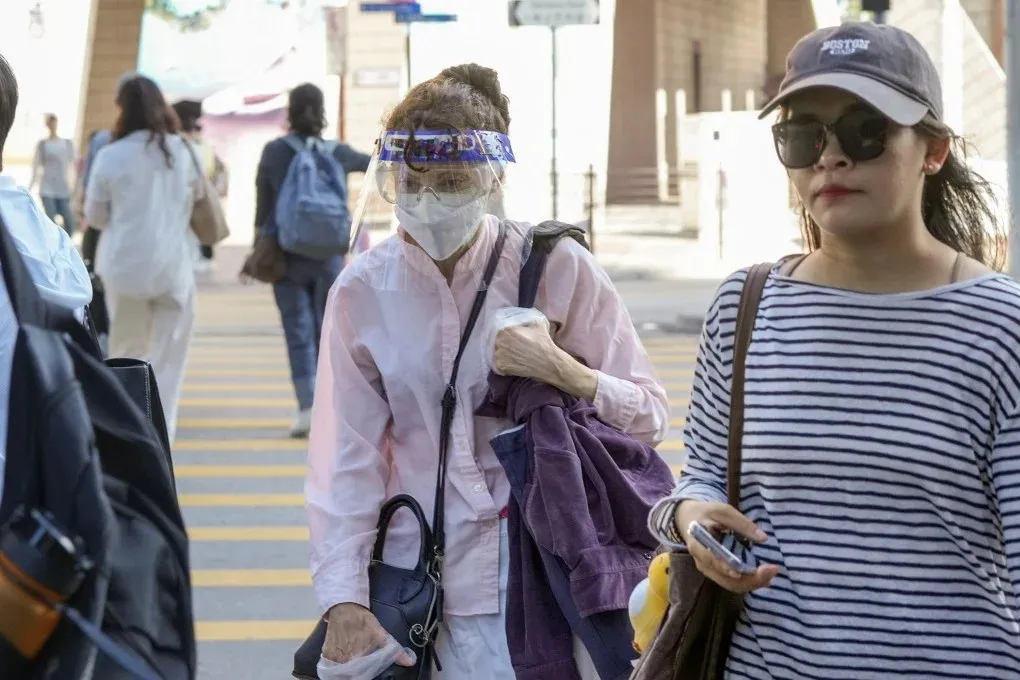
COVID-19 Spikes in Hong Kong and Singapore as New Wave Spreads
Health authorities in densely-populated Hong Kong and Singapore have raised the alarm as COVID-19 cases surge in both financial hubs, signalling a resurgent wave spreading throughout Asia.
The virus’s activity in Hong Kong has reached “quite high” levels, according to Albert Au, head of the Communicable Disease Branch of the city’s Center for Health Protection. Recent data shows respiratory samples testing positive for COVID-19 have reached their highest point in a year, with severe cases – including fatalities – rising to 31 in the week ending 3 May, marking a 12-month peak.
While the current surge hasn’t matched infection levels seen in previous years, multiple indicators point to active community spread:
- Rising viral loads detected in sewage water
- Increasing COVID-related medical consultations
- Growing hospitalisation rates
- The city of 7 million continues to monitor the situation closely
Singapore has also issued COVID-19 alerts, with the health ministry releasing its first update on infection numbers in almost a year – a step typically reserved for significant outbreaks. The data paints a concerning picture:
- Cases jumped 28% to 14,200 in the week ending 3 May
- Daily hospitalisations increased by approximately 30%
- Health officials have noted the trend warrants public awareness
Singapore’s health ministry has attributed the increase to factors including waning population immunity, though they’ve clarified there’s no evidence that currently circulating variants are more transmissible or cause more severe illness than those seen during the pandemic’s height.
Regional Impact and Seasonal Patterns
The surge in these two Asian financial centres comes amid a broader regional pattern of COVID-19 resurgence that has been building over recent months. Health experts note this pattern differs from typical respiratory viruses:
“Unlike other respiratory pathogens that tend to be more active during colder months, COVID’s comeback just as much of the northern hemisphere enters into summer shows the virus can still sicken a large swath of the population even when the weather is hot,” notes Dr. Maria Chen, infectious disease specialist at the Asia Pacific Health Institute.
The continental spread isn’t limited to Hong Kong and Singapore:
China
According to data from the Chinese Center for Disease Control and Prevention, China appears to be on track to experience a COVID wave that could reach last year’s summer peak. Testing positivity rates have more than doubled among patients seeking diagnosis at hospitals across mainland China in the five weeks through 4 May.
Thailand
Thailand’s Department of Disease Control has reported two significant cluster outbreaks this year, with cases rising after April’s Songkran festival – an annual water-splashing celebration that brings large crowds together. Dr. Yong Poovorawan, head of the Clinical Virology Department at Chulalongkorn University, has noted that COVID-19 cases in Thailand consistently rise in early April, coinciding with the Songkran celebrations.
Even the entertainment world hasn’t been spared. Hong Kong singer Eason Chan contracted COVID-19 and had to cancel his concerts in Kaohsiung, Taiwan that were scheduled for this week, according to the concert’s official social media accounts.

Health Recommendations and Public Response
Health authorities across the region have issued a consistent message: keep your vaccinations updated. Officials are particularly emphasising the importance of booster shots for high-risk individuals, including:
- The elderly
- Those with compromised immune systems
- People with underlying medical conditions
- Healthcare workers
“Regular boosters are particularly important for vulnerable populations as protection from vaccines can wane over time,” says Dr. David Wong, immunologist and public health advisor. “Even with endemic COVID, severe illness prevention remains crucial.”
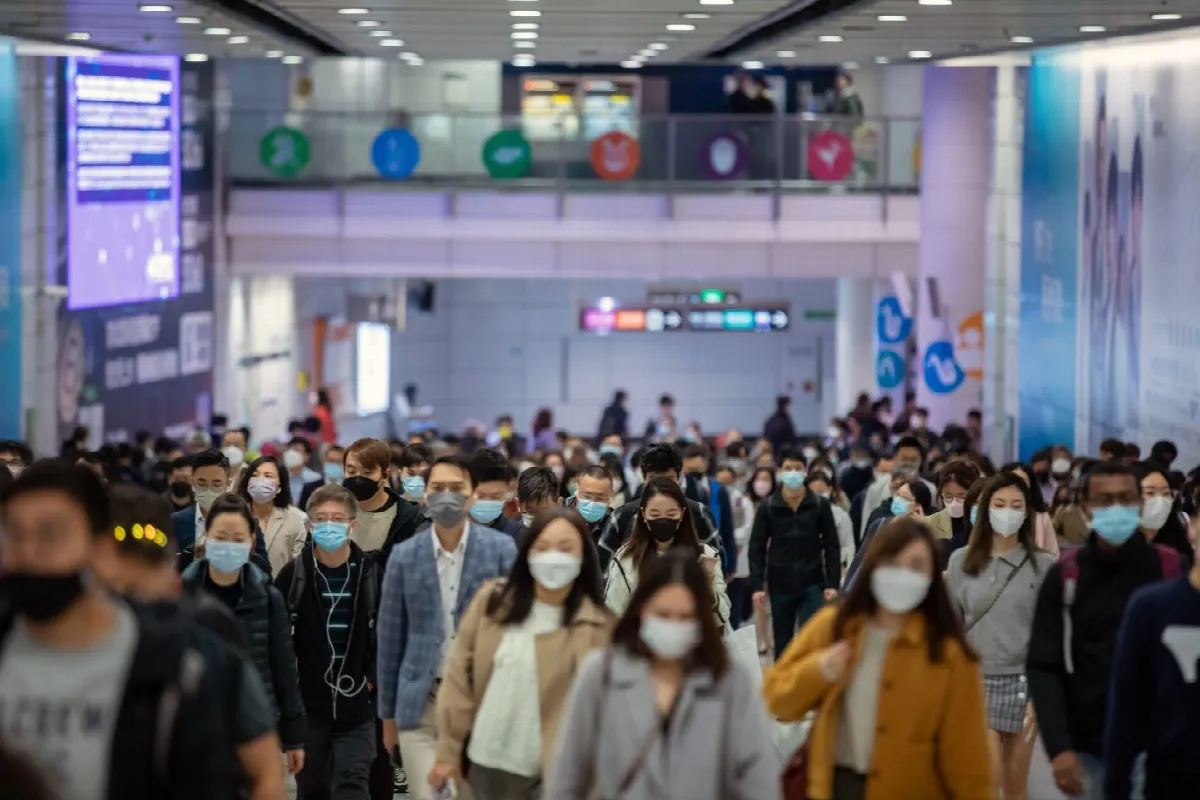
The public response has been measured, with most residents taking the news in stride after years of living with the virus. Many have resumed mask-wearing in crowded indoor settings as a precautionary measure, though compliance varies across the region.
Implications for Travel and Business
For those with travel plans to the region, standard precautions are advised:
- Stay informed about local case numbers
- Consider mask-wearing in crowded settings
- Ensure vaccinations are up to date
- Follow any local health authority recommendations
Businesses with operations in affected areas should monitor the situation but major disruptions aren’t expected as most Asian economies have adapted to living with COVID-19 as an endemic disease.
The New Normal: Living with Endemic COVID
The current wave underscores how COVID-19 has transitioned from pandemic to endemic status – still capable of causing significant illness but now part of the regular disease landscape. Health systems have adapted accordingly, with surge capacity and monitoring systems that can flex as needed.
“We’re seeing a more mature response across Asia,” says public health analyst Sarah Johnson. “There’s appropriate concern without panic, and health systems are responding with tools refined over the pandemic years.”
For most residents, the approach is pragmatic: maintain awareness, take sensible precautions, but continue with daily life.
Looking Ahead
Health experts anticipate the current wave will peak and subside in the coming weeks, following patterns observed in previous endemic COVID surges. Continued monitoring and regular vaccination updates will remain key tools in managing the virus long-term.
For those seeking employment in the healthcare sector during these evolving times, JobXDubai’s professional CV services can help showcase your relevant experience and skills to potential employers. Our expert team can optimise your CV to highlight pandemic response capabilities, adaptability, and specialised healthcare knowledge – with clients reporting up to 3x more interviews after using our services.
Stay Informed
For the latest updates on the COVID-19 situation in Asia and its potential impact on travel, business, and health protocols, follow our regular updates on JobXDubai’s blog.
Are you concerned about your employment prospects in a shifting global health landscape? JobXDubai offers comprehensive job postings and career development services to help you navigate these challenging times. Contact us today for personalised career advice.
The UAE week, every Monday
The week's stories on jobs, visas, money and daily life in one short email. Unsubscribe in one click.