Dubai Rent Crisis: Pay Full Year Upfront or Face 30% Increase
Dubai landlords demand single-cheque payments or 15-30% rent hikes, forcing tenants to take loans. New rental index empowers property owners in 2025.
By Vadim Kouznetsov, published

Many tenants face tough choices as property owners leverage payment terms for maximum returns
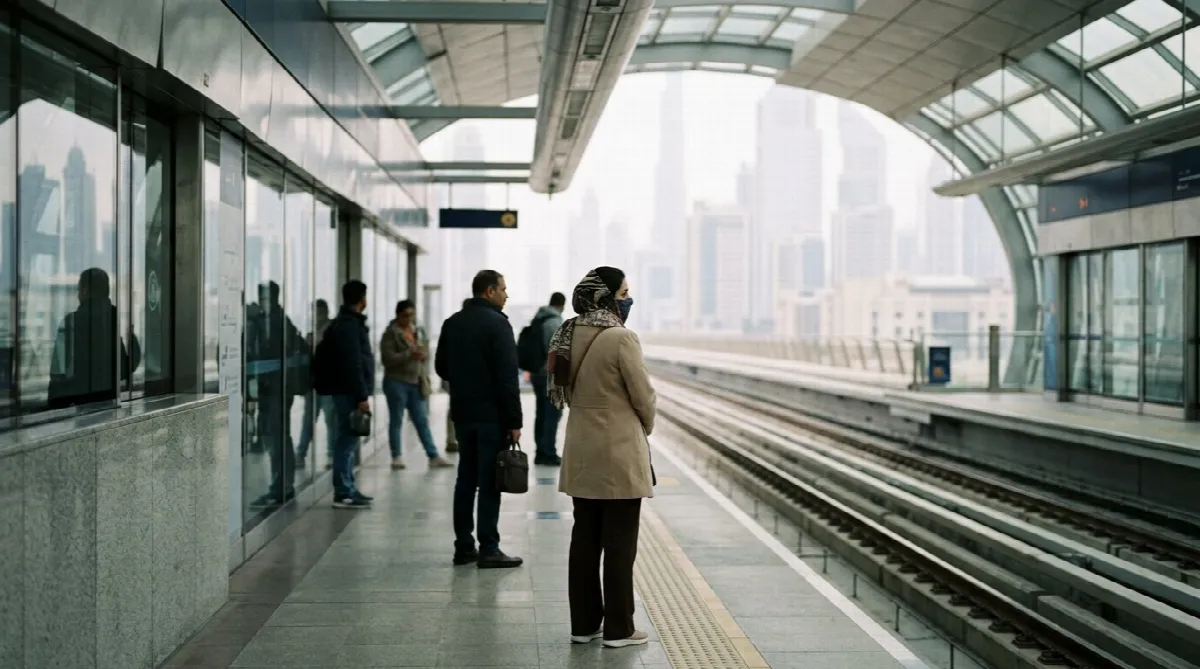
Dubai’s property market is witnessing a concerning trend as landlords increasingly use payment terms as leverage to maximise rental income. Tenants seeking renewals are being presented with a stark choice: pay the entire annual rent in a single cheque for a “discount” or face substantial increases of 15-30% if they prefer multiple cheque payments.
This practice has become more prevalent following the introduction of Dubai’s digital Rental Index three months ago. Landlords, particularly those with properties in newly completed buildings or those with higher star ratings based on construction and maintenance quality, feel empowered to implement this strategy.
“Landlords see their next lease renewals this year as crucial to securing their desired rental income,” explains an estate agent managing numerous rented apartments in Dubai Marina and Downtown. “With the new Rental Index, Dubai’s leasing market is establishing a fresh baseline.”
The agent notes that when just two or three apartments in a multi-owner tower secure higher rates—approximately 10-30% more compared to 2024—other landlords in the building and surrounding area quickly follow suit with similar demands.
“Landlords in Dubai are becoming adept at using a building’s star rating to justify higher rents,” the agent adds.

Financial Strain on Tenants
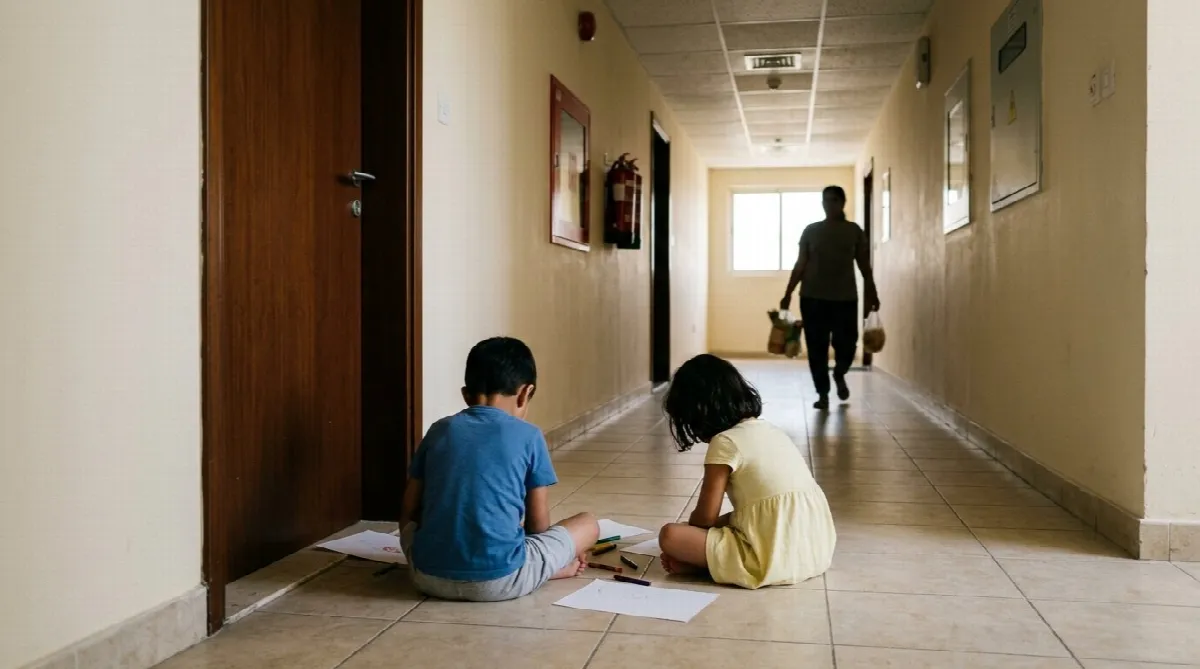
This trend places significant financial pressure on tenants. Those who agree to single-cheque payments face immediate, substantial outflows from their budgets, disrupting their financial planning.
Simon Townsend, CEO of Avison Young UAE, highlights a concerning development: “Many tenants have taken on additional financial obligations through short-term loans or credit cards to cover rent payments—potentially at costs exceeding the rental premiums being demanded.”
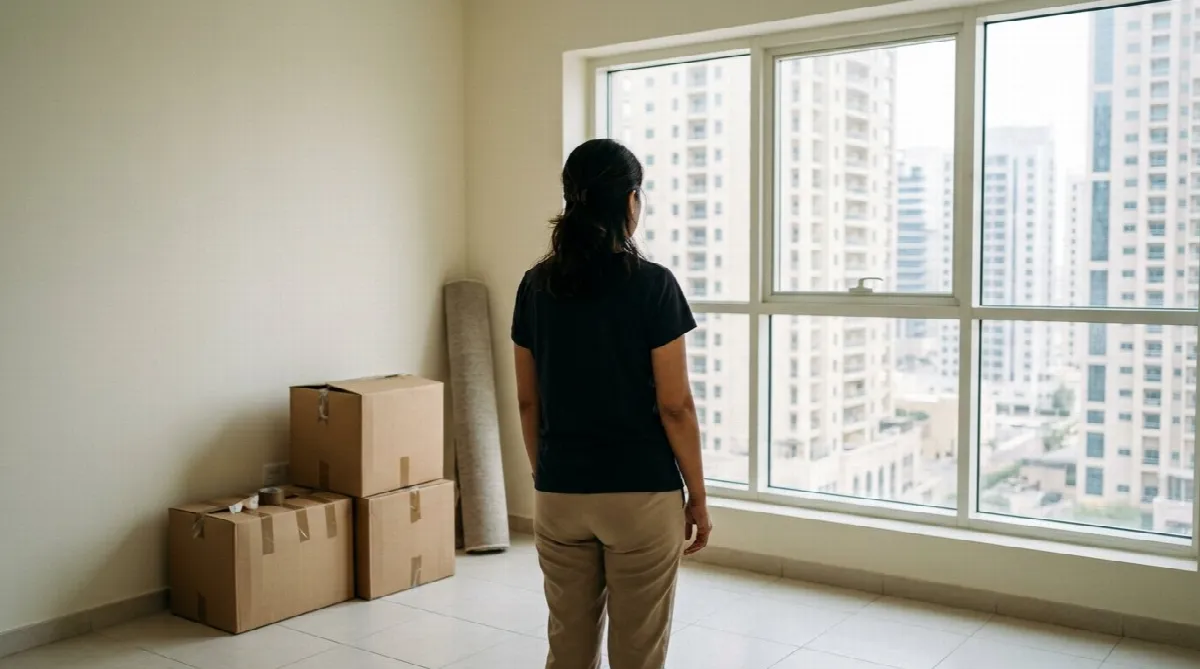
For tenants who recently relocated to Dubai, the situation is particularly challenging. While rental growth may have slowed or stabilised in more affordable areas after four consecutive years of double-digit increases, prices haven’t significantly decreased.
One frustrated tenant shared their experience: “I currently pay Dh74,000 for a two-bedroom apartment, and my renewal lease demands Dh95,000. I cannot afford to pay Dh90,000 in a single cheque, which is the ‘incentive’ my landlord is offering.”
The New Normal in Dubai’s Rental Market
Townsend explains that paying rent in multiple instalments has typically come at a premium compared to single payments, even in declining rental markets. However, the current gap between single and multiple payment options has widened dramatically.
“Many tenants, especially recent arrivals, find paying this premium necessary to manage monthly budgets,” Townsend notes. “This is especially true as many companies have discontinued housing loans for their staff.”
As the Dubai property market continues to adjust to the new Rental Index, tenants may need to prepare for this payment structure becoming standard practice across the emirate.
What Are Your Options?
If you’re facing similar demands from your landlord, consider these approaches:
- Negotiate payment terms: Some landlords may accept two or three cheques with a smaller premium than four or six cheques
- Seek financial advice: Explore whether a personal loan for a single payment might be more economical than accepting a significantly higher rent
- Know your rights: Familiarise yourself with the RERA Rental Index to determine if the proposed increase exceeds legal limits
- Consider relocation: Compare costs in different areas, as some neighbourhoods may offer better value
Key Takeaway
Dubai’s rental market in 2025 increasingly favours landlords who use payment terms as leverage for higher returns. Tenants should carefully weigh the financial implications of single versus multiple cheque payments and explore all available options before signing or renewing leases.
Have you experienced this rental trend in Dubai? Share your thoughts in the comments below.
Additional Reading Material
The UAE week, every Monday
The week's stories on jobs, visas, money and daily life in one short email. Unsubscribe in one click.