UAE Workplace Safety: Why Employees Fear Admitting Mistakes at Work 2024
Discover why UAE employees struggle to admit mistakes at work and learn practical solutions for companies to build psychologically safe workplaces.
By Vadim Kouznetsov, published

Success in business extends far beyond products and services—it’s fundamentally about people. When staff members fear speaking up or admitting mistakes, the consequences can be far-reaching. Take healthcare, for instance: if medical professionals hesitate to report errors, patient safety becomes compromised.
Understanding Psychological Safety
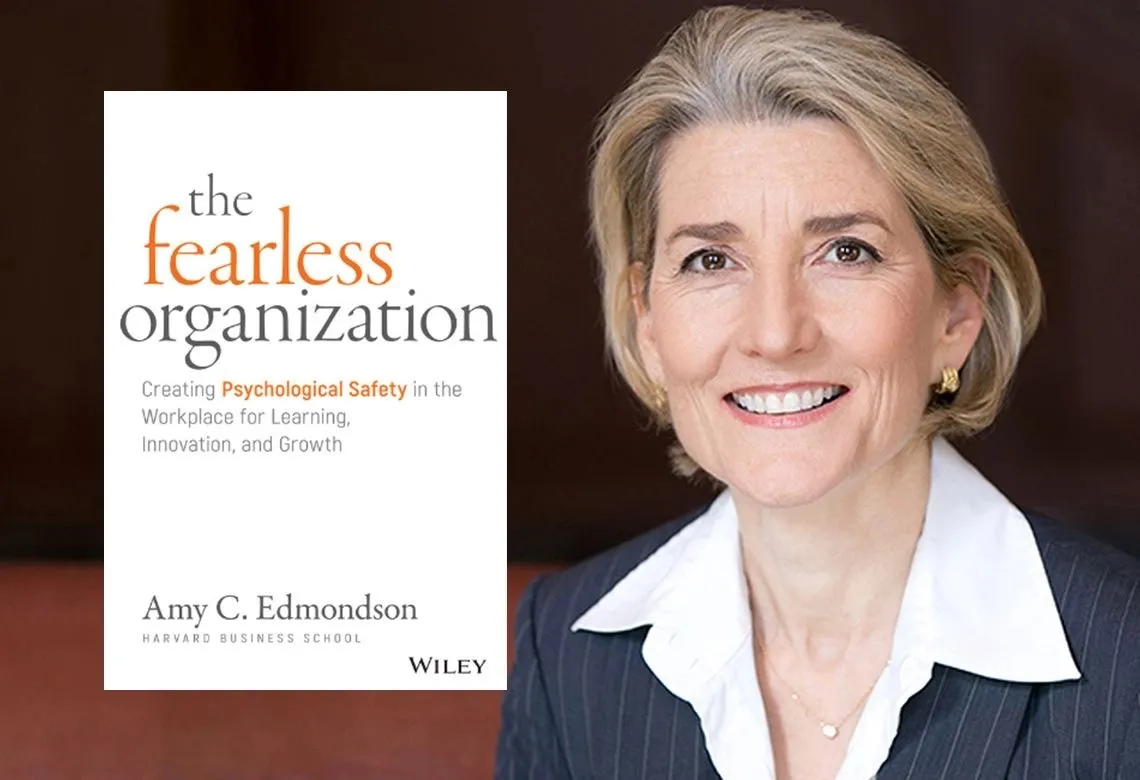
Psychological safety, a concept highlighted by Harvard Business School professor Amy Edmondson, describes how comfortable employees feel taking interpersonal risks at work. This includes:
- Speaking up about concerns
- Sharing innovative ideas
- Admitting mistakes without fear
- Contributing to discussions openly
Benefits of a Psychologically Safe Workplace
Research demonstrates that organisations prioritising psychological safety experience:
- Higher productivity levels
- Increased innovation
- Better staff retention
- More effective teamwork
- Improved problem-solving
- Enhanced error reporting
Key Signs of a Psychologically Safe Workplace
1. Open Communication Channels
- Staff freely share ideas and concerns
- Regular feedback flows between teams
- Discussions happen without fear of backlash
2. Visible Respect Across Levels
- Equal treatment regardless of position
- Recognition of all contributions
- Professional interactions at every level
3. True Inclusivity in Practice
- Active participation from all team members
- Diverse viewpoints welcomed
- Different perspectives actively sought
How Employees Can Contribute
Staff members play a vital role in building psychological safety:
Foster Open Dialogue
- Show genuine interest in colleagues’ ideas
- Offer constructive feedback respectfully
- Encourage team discussions
Practice Inclusive Behaviour
- Include all team members in conversations
- Value different perspectives
- Support quieter colleagues
Model Mistake Admission
- Share learning from personal errors
- View mistakes as growth opportunities
- Support others when they admit mistakes
Leadership’s Critical Role
Leaders must set the tone for psychological safety through:
Active Demonstration
- Show approachability
- Practice open communication
- Display genuine empathy
Vulnerability in Leadership
- Share personal challenges
- Admit own mistakes
- Show authentic human reactions
Consistent Support
- Protect staff from negative consequences
- Reward honest communication
- Address concerns promptly
Practical Steps for UAE Companies
- Implement regular anonymous feedback systems
- Create clear channels for reporting concerns
- Establish mentoring programmes
- Provide professional development opportunities
- Recognise and reward open communication
Building Long-term Safety
Creating psychological safety requires ongoing commitment. Organisations should:
- Regularly assess workplace culture
- Adjust policies based on feedback
- Provide leadership training
- Monitor progress through staff surveys
- Celebrate positive examples
Looking Forward
UAE businesses that prioritise psychological safety position themselves for sustainable success. By creating environments where employees feel safe to express themselves, organisations unlock their workforce’s full potential.
For more insights on UAE workplace culture and employment trends, follow JobXDubai.
Published: 23 November 2024
Additional Reading Material
The UAE week, every Monday
The week's stories on jobs, visas, money and daily life in one short email. Unsubscribe in one click.