Dubai Expands Road Network: Two New Salik Toll Gates Launch November 24
Dubai introduces Business Bay and Al Safa South toll gates, bringing total Salik gates to 10. Learn about locations, traffic impact, and sustainable features.
By Vadim Kouznetsov, published
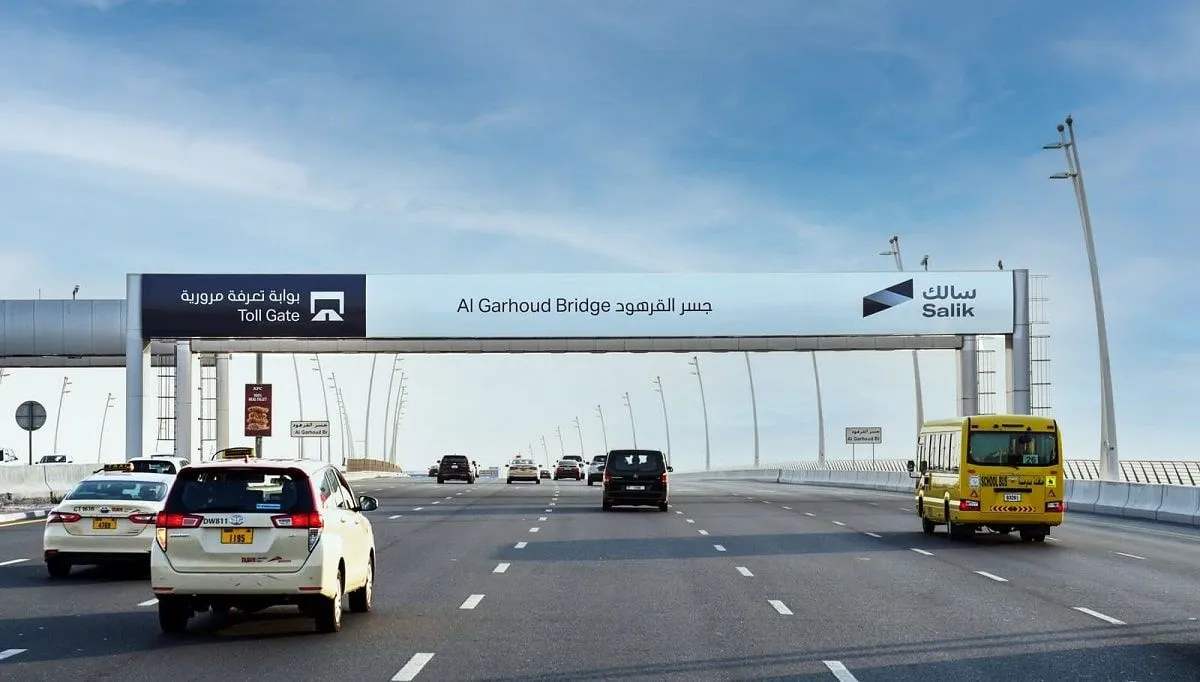
Dubai’s transport infrastructure takes a significant step forward as Salik PJSC introduces two additional toll gates, set to begin operations on Sunday, November 24. This expansion brings the total number of toll gates in Dubai to 10, marking a strategic move to improve traffic flow across the emirate.
Strategic Locations and Traffic Impact
The new installations include:
- Business Bay Gate
- Location: Business Bay Crossing on Al Khail Road
- Projected traffic reduction: 12-15% on Al Khail Road
- Additional benefit: 10-16% traffic decrease on Al Rabat Street
- Al Safa South Gate
- Location: Sheikh Zayed Road (between Al Meydan Street and Umm Al Sheif Street)
- Benefits:
- 15% reduction in right-turn traffic from Sheikh Zayed Road to Meydan Street
- Enhanced traffic distribution to First Al Khail Street and Al Asayel Street
- Improved flow between Financial Center Street and Meydan Street
Innovation in Payment Structure
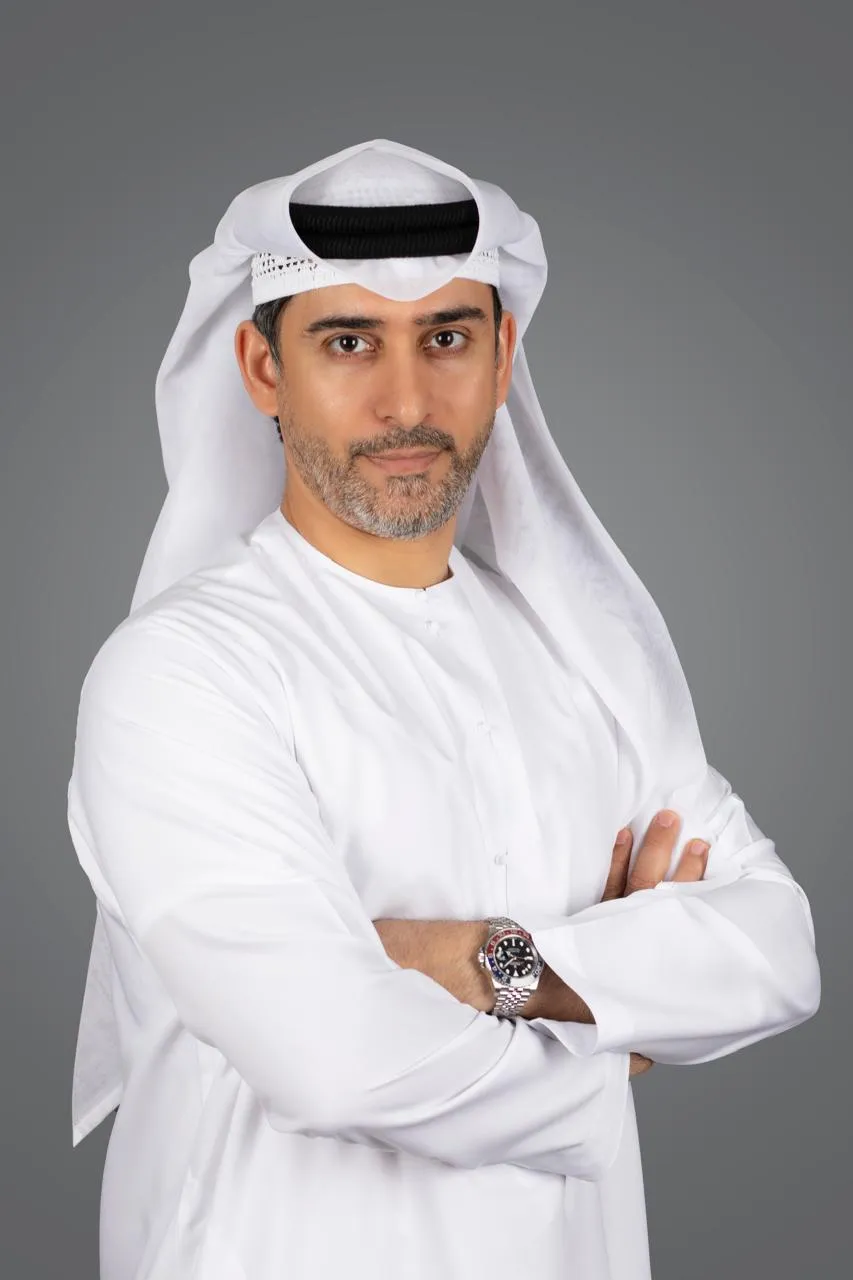
Salik CEO Ibrahim Al Haddad highlights a user-friendly payment system for the Al Safa gates. Motorists passing through both northern and southern Al Safa gates within an hour will only be charged once, demonstrating consideration for regular commuters.
Environmental Leadership
A groundbreaking feature of these new gates is their solar-powered operation. This initiative aligns with Dubai’s sustainability goals and represents Salik’s first implementation of renewable energy in its infrastructure.
Current Pricing Structure
- Standard rate: Dh4 per gate passage
- Recent performance: 238.5 million trips (January-June 2024)
- Revenue: Dh1.1 billion (5.6% increase year-over-year)
Future Development Plans
The installation of additional toll gates depends on:
- Traffic patterns
- Congestion levels
- Technical assessments
- Transport strategy reviews by RTA
- Executive Council approval
Important Clarifications
Salik has addressed recent speculation by confirming:
- No immediate plans for dynamic pricing
- Fixed Dh4 rate continues
- Any tariff changes require RTA and Executive Council approval
This expansion reflects Dubai’s commitment to improving urban mobility while embracing sustainable solutions for its growing infrastructure needs.
Note: All information is current as of November 2024. For the latest updates, visit the official Salik website.
Additional Reading Material
The UAE week, every Monday
The week's stories on jobs, visas, money and daily life in one short email. Unsubscribe in one click.