Dubai Traffic Solution: Could Congestion Charges Be the Answer?
Explore how congestion charges might ease Dubai’s traffic woes. Experts weigh in on the potential benefits and challenges of implementing this system in the UAE.
By Vadim Kouznetsov, published
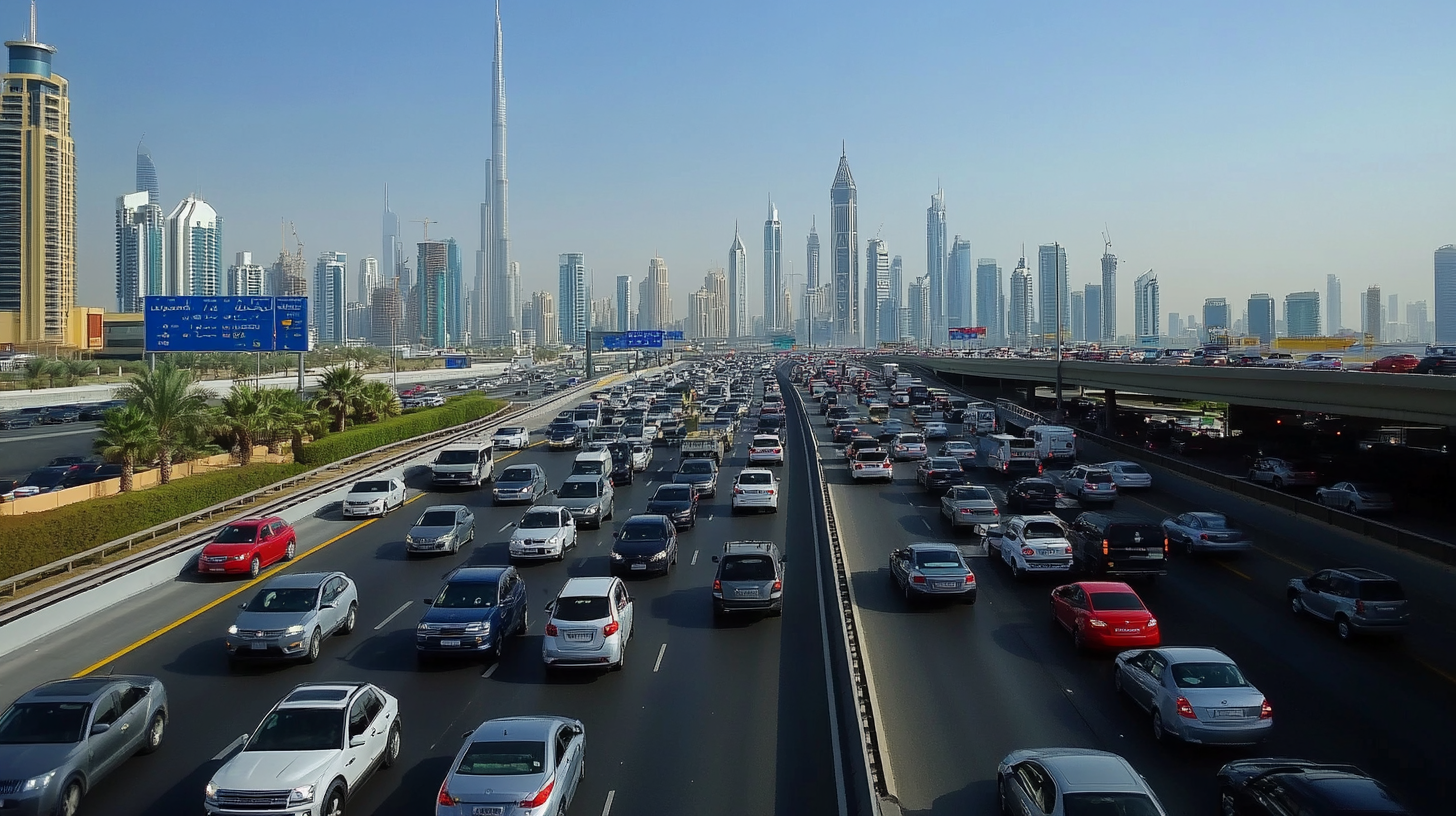
In bustling metropolises worldwide, from London to Singapore, congestion charges have emerged as a powerful tool to combat traffic gridlock, enhance air quality, and fund public transportation improvements. As Dubai continues to grow and evolve, the question arises: Could this innovative approach be the key to unlocking smoother traffic flow in the city?
Understanding Congestion Charges
Congestion charges are fees imposed on motorists for entering specific high-traffic areas during peak hours. These charges serve multiple purposes:
- Reducing traffic congestion
- Improving air quality
- Generating revenue for public transport enhancements
For instance, London implements a £15 fee for most vehicles driving in Central London during specified hours on weekdays and weekends. This system has proven effective in managing traffic flow and encouraging alternative transportation methods.
Expert Insights on Congestion Charges for Dubai
To explore the potential of congestion charges in Dubai, we sought opinions from transportation specialists and urban planners. Their insights provide a comprehensive view of the challenges and opportunities associated with implementing such a system in the emirate.
The Economic Perspective
Dr. Monica Menendez, Associate Dean of Engineering for Graduate Affairs at New York University Abu Dhabi (NYUAD), explains the economic principle behind congestion charges:
“Congestion charge is an economic tool to reduce traffic congestion. If the price of something goes up – be it a piece of clothing or the use of a road – typically, the demand for it goes down. As such, congestion charge is used to deter people from using certain roads at certain times of the day, potentially alleviating congestion and all the negative externalities associated with it, including air pollution.”
Dr. Menendez highlights that revenue generated from congestion charges could be reinvested in sustainable transportation modes, creating a long-term solution to traffic issues.
Flexibility: The Key to Success
For congestion charges to be effective, Dr. Menendez emphasizes the importance of flexibility:
“Drivers must have either the flexibility to change the travel times, change routes, or take other modes of transportation such as bus or metro. In the absence of such flexibility, the demand will not change, and congestion levels might not go down.”
This insight underscores the need for a holistic approach to traffic management, incorporating not just financial incentives but also improvements in public transportation and work culture.
Addressing Public Concerns
One primary concern about congestion charges is the additional financial burden on motorists. Dr. Menendez suggests several strategies to mitigate this issue:
- Implementing flexible working hours to allow commuters to avoid peak-hour fees
- Improving alternative transportation options to encourage mode-switching
- Offering discounts for high-occupancy vehicles to promote carpooling
Comparing with Existing Systems
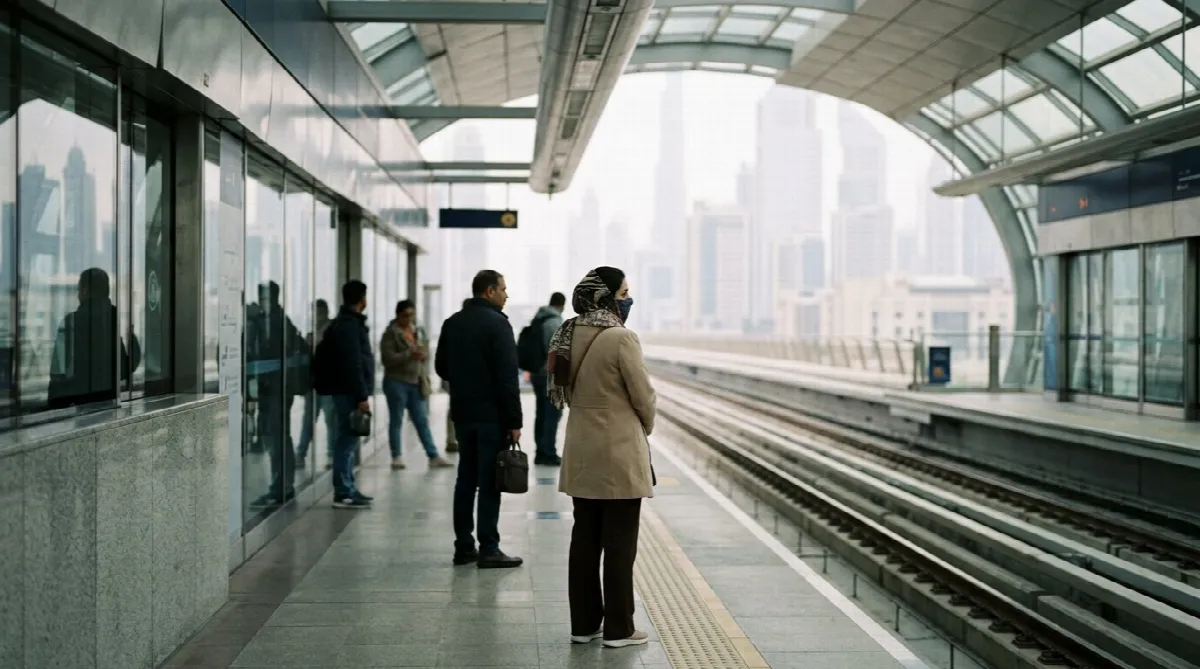
Dubai residents are already familiar with road tolls through the Salik system. Dr. Menendez notes that while congestion charges operate on a similar principle, they typically feature variable pricing that increases during peak demand periods. This dynamic pricing model encourages drivers to adjust their travel patterns more actively.
Urban Planning Perspective
Aileen Llagas, an urban planner and architect, supports the idea of congestion charges in Dubai. She points to successful implementations in other cities:
“As an example, when Stockholm introduced congestion charges in 2006, that took away more than 22 percent of cars from the roads, and vehicle emissions dropped by as much as 15 percent.”
Llagas also emphasizes the importance of complementary measures like promoting carpooling and creating high-occupancy vehicle lanes to reduce reliance on individual cars.
Potential Implementation Areas
Dr. Mostafa Al Dah, founder of MA-Traffic Consulting, suggests that congestion charges could be particularly effective in high-density commercial areas like Downtown Dubai and around Burj Khalifa. He notes:
“If congestion charge is imposed in some areas, people will not just go there and vehicle volume will be reduced. Residents and tourists can take mass transit instead. For businesses, however, they will still go to those areas and they would be willing to pay the tariff as it would be a part of their business costs.”
Beyond Congestion Charges: A Comprehensive Approach
While congestion charges offer a promising solution, experts agree that they should be part of a broader strategy to address Dubai’s traffic challenges. Dr. Menendez summarizes this sentiment:
“We typically need a suite of strategies that improve the efficiency of the system, discourage the use of cars, and encourage the use of more sustainable and effective transportation modes.”
This comprehensive approach might include:
- Expanding and improving public transportation networks
- Encouraging remote work and flexible hours
- Investing in smart traffic management systems
- Promoting cycling and walking infrastructure
- Educating the public on the benefits of sustainable transportation
Looking to the Future
As Dubai continues to grow and evolve, addressing traffic congestion remains a critical challenge. While congestion charges present an intriguing option, their successful implementation would require careful planning, public engagement, and integration with other traffic management strategies.
By learning from global best practices and adapting them to Dubai’s unique context, the city has the opportunity to pioneer innovative solutions that could set a new standard for urban mobility in the region and beyond.
The road ahead may have its challenges, but with creative thinking and collaborative efforts, Dubai can pave the way towards a more efficient, sustainable, and enjoyable urban transportation experience for all its residents and visitors.
The UAE week, every Monday
The week's stories on jobs, visas, money and daily life in one short email. Unsubscribe in one click.