Emirates’ Fleet Expansion: Airbus A350 Arrival Confirmed for October 2024
Emirates Airlines announces the arrival of its first Airbus A350 in October 2024, with five aircraft expected by year-end. Learn about the carrier’s expansion plans.
By Vadim Kouznetsov, published
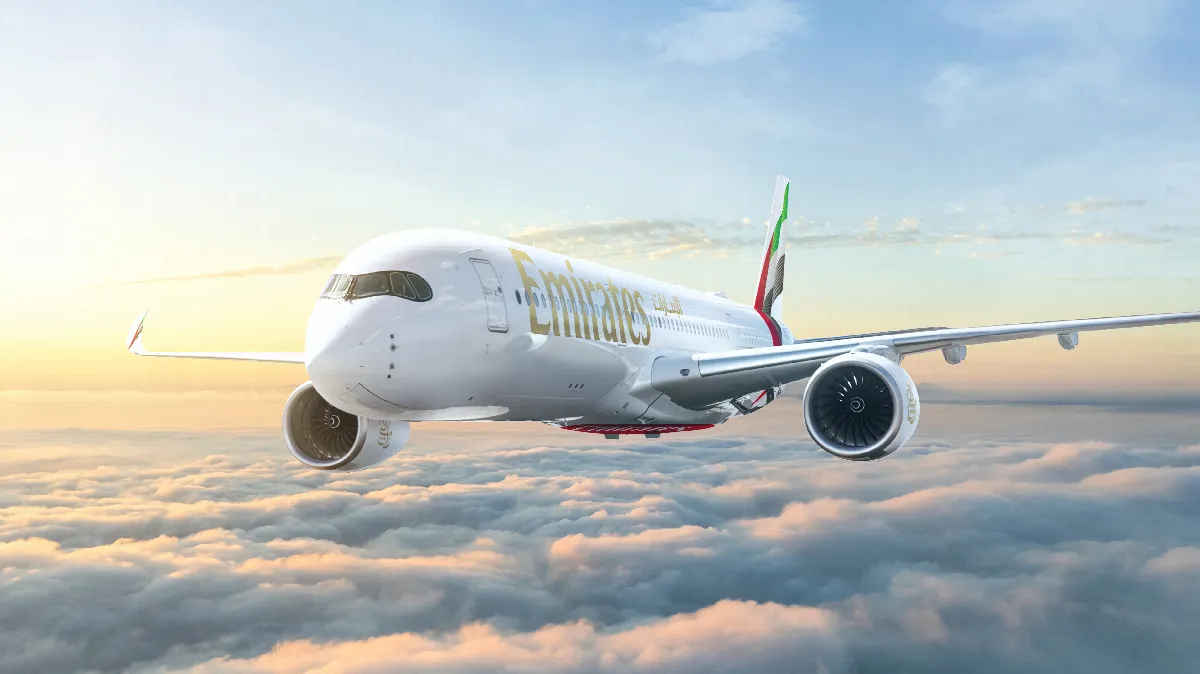
In a significant move that signals continued growth and modernization, Emirates Airlines has confirmed the imminent arrival of its first Airbus A350 aircraft. This announcement marks a new chapter in the Dubai-based carrier’s fleet expansion strategy, promising enhanced capabilities and passenger experiences.
Key Highlights of Emirates’ Fleet Expansion
- October 2024 Arrival: The first Airbus A350 is scheduled to join Emirates’ fleet in October 2024.
- Five Aircraft by Year-End: Emirates expects to receive a total of five A350s before the close of 2024.
- No Boeing Deliveries Yet: While Airbus deliveries are on track, Emirates reports no recent Boeing aircraft acquisitions.
- Service Extension for Current Fleet: Due to delivery delays, Emirates has extended the service life of some existing aircraft.

Adel Alredha, Deputy President and Chief Operations Officer of Emirates Airlines, shared these updates, highlighting the airline’s proactive approach to fleet management amidst industry-wide challenges.
Emirates’ Aircraft Modernization Program
In addition to new aircraft acquisitions, Emirates is investing heavily in upgrading its existing fleet:
- Retrofit Program Scope: The modernization initiative now covers 190 aircraft, an increase from initial plans.
- Investment Scale: The retrofit program comes with a price tag exceeding $3 billion.
- Objective: This comprehensive upgrade aims to enhance passenger comfort and maintain Emirates’ position as a leader in aviation luxury.
Navigating Industry Challenges
The aviation industry has faced numerous hurdles in recent years, impacting aircraft deliveries and airline operations:
- Pandemic Aftermath: Many aircraft manufacturers reduced production and workforce during the COVID-19 pandemic.
- Supply Chain Disruptions: The sudden surge in travel demand post-pandemic has strained manufacturers’ ability to meet market needs.
- Operational Reorganization: Aircraft producers are still in the process of realigning their operations to match current demand levels.
Impact on Emirates’ Operations
These industry-wide challenges have necessitated strategic adjustments from Emirates:
- Fleet Flexibility: The airline has had to adapt by extending the service life of some aircraft in its current fleet.
- Delivery Schedule Management: While Airbus deliveries are proceeding, Emirates is navigating delays in acquiring new Boeing aircraft.
Looking Ahead: Emirates’ Growth Trajectory
Despite these challenges, Emirates’ commitment to fleet expansion and modernization underscores its optimistic outlook for the future of air travel:
- Enhanced Passenger Experience: The introduction of the Airbus A350 promises to elevate the in-flight experience for Emirates passengers.
- Increased Capacity: New aircraft additions will allow Emirates to serve more routes and passengers efficiently.
- Technological Advancements: Modern aircraft like the A350 offer improved fuel efficiency and reduced environmental impact.
- Competitive Edge: By continually updating its fleet, Emirates aims to maintain its position as a leading global airline.
What This Means for Travelers
For passengers flying with Emirates, these developments translate to several potential benefits:
- Newer Aircraft: Increased chances of flying on state-of-the-art planes.
- Improved Comfort: The A350 is known for its quiet and comfortable cabin environment.
- Potential New Routes: Expanded fleet capacity could lead to the introduction of new destinations or increased frequencies on existing routes.
- Enhanced In-flight Services: Modernized aircraft often come with upgraded entertainment systems and onboard amenities.
Industry Implications
Emirates’ fleet expansion and modernization efforts reflect broader trends in the aviation industry:
- Recovery from Pandemic: Major investments in new aircraft signal confidence in the long-term recovery of international air travel.
- Focus on Efficiency: Airlines are prioritizing fuel-efficient aircraft to reduce operational costs and environmental impact.
- Competitive Pressure: Emirates’ moves may prompt other carriers to accelerate their own fleet modernization plans.
- Manufacturer Dynamics: The delivery of Airbus aircraft ahead of Boeing highlights the ongoing competition between these aerospace giants.
Conclusion
As Emirates prepares to welcome its first Airbus A350 in October 2024, the airline industry watches with keen interest. This fleet expansion, coupled with an extensive modernization program, positions Emirates to meet growing travel demands while offering enhanced services to its global passenger base.
The arrival of these new aircraft not only bolsters Emirates’ operational capabilities but also serves as a testament to the resilience and forward-thinking approach of the aviation sector. As we move further into 2024 and beyond, the integration of these advanced aircraft into Emirates’ fleet will likely set new benchmarks for passenger experience and operational efficiency in long-haul air travel.
For travelers, this development promises exciting possibilities – from potentially new destinations to improved in-flight experiences. As Emirates continues to grow and adapt, it remains a carrier to watch in the ever-evolving landscape of global aviation.
The UAE week, every Monday
The week's stories on jobs, visas, money and daily life in one short email. Unsubscribe in one click.