Emirates Acquires 5 Airbus A380s: UAE Airlines Navigate Industry Challenges
Emirates buys 5 Airbus A380s from Doric Nimrod Air Two for $200M. Discover how UAE airlines are adapting to industry challenges through strategic aircraft acquisitions and leasing.
By Vadim Kouznetsov, published
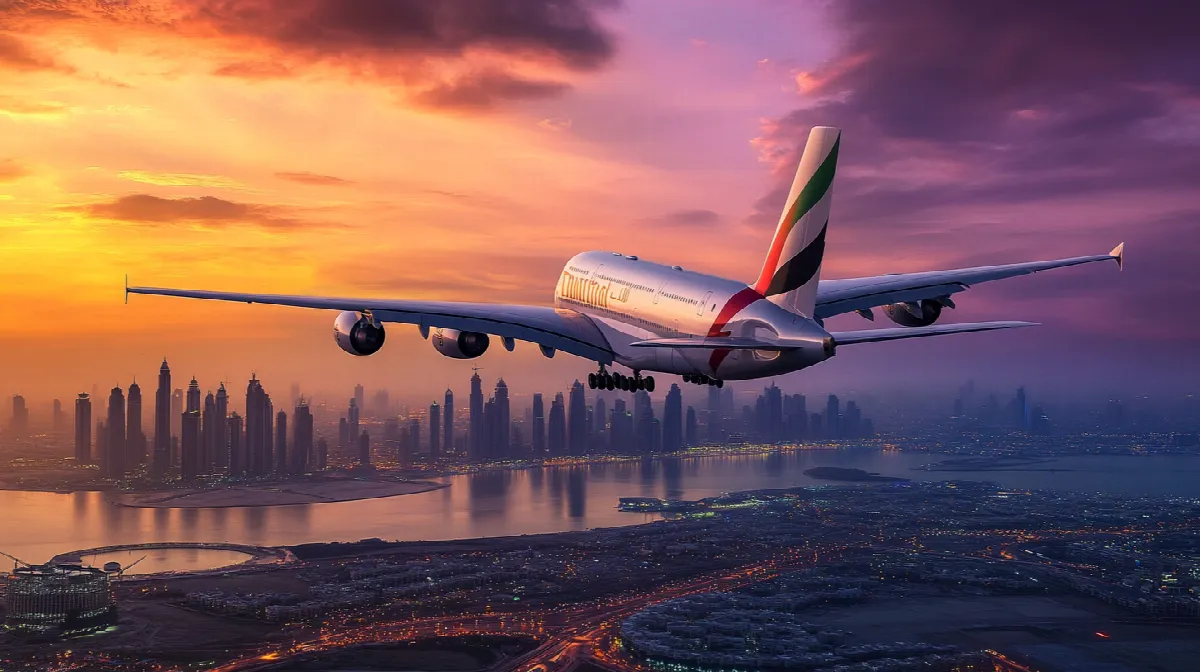
In a strategic move that underscores the evolving dynamics of the aviation industry, Dubai’s Emirates airline has agreed to purchase five Airbus A380-861 aircraft from Guernsey-based investment company Doric Nimrod Air Two Ltd. This $200 million deal highlights the growing trend of UAE airlines turning to aircraft leasing amid delivery delays from major manufacturers Boeing and Airbus.
Key Details of the Emirates-Doric Nimrod Deal
- Aircraft Type: 5 Airbus A380-861 superjumbos
- Total Value: $200 million ($40 million per aircraft)
- Current Status: Leased to Emirates
- Transfer Timeline: Between October 1 and November 30, 2024
- Previous Transactions: Emirates purchased two A380s from Doric Nimrod in 2023
Emirates’ A380 Strategy
Emirates, the world’s largest operator of Airbus A380s, continues to expand its jumbo jet fleet through strategic acquisitions from plane lessors. This approach aligns with the airline’s long-term vision for the A380:
- Fleet Longevity: Emirates plans to keep A380s in service until at least 2035
- Opportunistic Acquisitions: Sheikh Ahmed bin Saeed Al Maktoum, Chairman and CEO of Emirates Airline and Group, stated they will continue to buy A380s “for the right price”
- Refurbishment Project: Emirates has initiated a multi-million dollar program to upgrade older aircraft
Industry Challenges Driving Leasing Trend
Several factors are pushing UAE airlines towards leasing and acquiring aircraft from lessors:
- Delivery Delays: Both Boeing and Airbus face significant backlogs and production challenges
- Demand Surge: Post-pandemic travel rebound has increased pressure on airlines to expand capacity
- Fleet Flexibility: Leasing offers airlines more agility in managing their fleet size and composition
Other UAE Airlines Adopting Similar Strategies
Emirates isn’t alone in turning to leasing to meet its fleet expansion needs:
- Air Arabia: The Sharjah-based budget carrier aims to grow its fleet to 90 aircraft by the end of 2024, primarily through leasing
- Expansion Plans: Air Arabia CEO Adel Abdullah Ali emphasized that growth plans will continue “regardless” of jet delivery delays
Global Aircraft Leasing Sector Boom
The current market conditions have created a favorable environment for aircraft lessors:
- Strong Demand: Passenger numbers are rebounding, driving demand for aircraft
- Supply Constraints: Manufacturing delays have increased the value of existing aircraft
- Lessor Dominance: The top five lessors (AerCap, Air Lease Corporation, Avolon, BOC Aviation, and SMBC Aviation Capital) control 31% of leased aircraft in service and 48% of lessor orders
Financial Performance of Leading Lessors
The aircraft leasing sector has shown remarkable resilience and growth:
- Profit Recovery: All five leading leasing companies reported positive net profits in 2023
- Impressive Margins: Collective net margin reached 30.9% in 2023, up from -10.4% in 2022
- Credit Strength: Top lessors have maintained investment-grade credit ratings
Emirates’ Financial Strategies
To support its fleet expansion and modernization efforts, Emirates is exploring various financial avenues:
- Debt Markets: The airline is considering tapping debt markets to finance new Airbus A350s
- Potential Bond Issue: Emirates President Tim Clark hasn’t ruled out a new bond issuance
Industry Outlook and Implications
The trend of airlines acquiring aircraft from lessors and expanding leased fleets has several implications for the aviation industry:
- Increased Flexibility: Airlines can more quickly adjust their fleet size and composition to market demands
- Asset Optimization: Lessors can maximize the value of their aircraft portfolios
- Manufacturing Pressure: This trend may put additional pressure on Boeing and Airbus to resolve production issues
- Market Dynamics: The balance of power between airlines, lessors, and manufacturers continues to evolve
Conclusion: Adapting to a Changing Landscape
The Emirates-Doric Nimrod deal exemplifies how airlines are adapting to the current challenges in the aviation industry. By leveraging the leasing market and strategically acquiring aircraft, Emirates and other UAE airlines are ensuring they can meet growing travel demand while navigating manufacturing delays.
As the industry continues to recover and evolve post-pandemic, the relationship between airlines, lessors, and manufacturers will play a crucial role in shaping the future of global aviation. For travelers, these strategic moves by airlines should translate to increased capacity and potentially more travel options in the coming years.
The success of this approach will be closely watched by industry observers and could influence fleet management strategies for airlines worldwide. As Emirates leads the way in innovative fleet expansion, it reinforces the UAE’s position as a key player in the global aviation landscape.
The UAE week, every Monday
The week's stories on jobs, visas, money and daily life in one short email. Unsubscribe in one click.