How to Get an Airbnb License in Dubai: Complete 2024 Guide
Learn the step-by-step process to obtain an Airbnb license in Dubai. Understand fees, insurance requirements, and regulations for short-term rentals in 2024.
By Vadim Kouznetsov, published
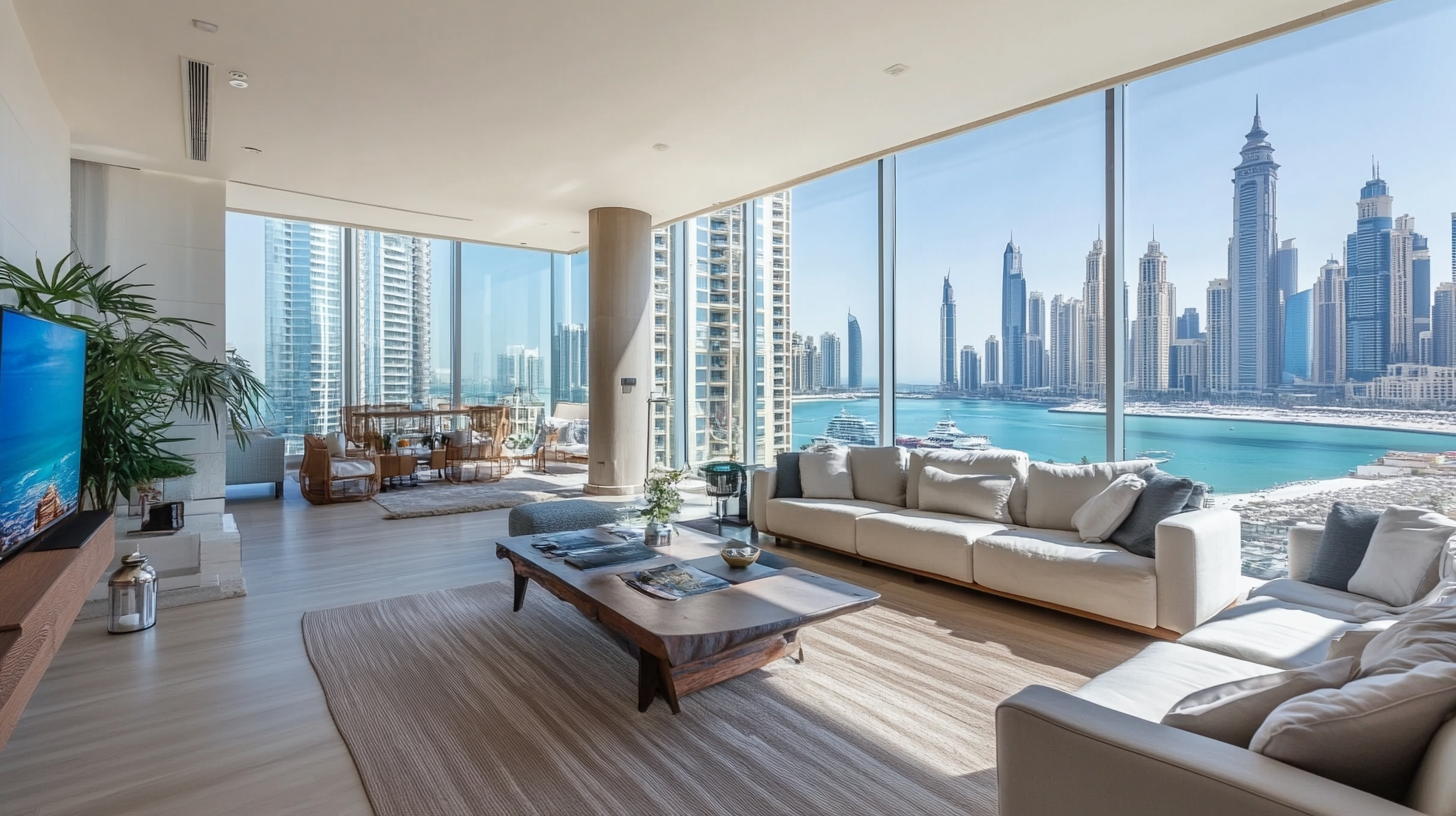
As Dubai’s short-term rental market continues to thrive, property owners looking to capitalize on platforms like Airbnb must navigate a specific licensing process. The Dubai Department of Economy and Tourism (DET) has implemented regulations to ensure all short-term rental hosts comply with specific requirements. This guide will walk you through the essential steps to obtain your Airbnb license in Dubai.
Step-by-Step Process for Obtaining an Airbnb License in Dubai
1. Research and Preparation
Before diving into the application process, familiarize yourself with the DET’s requirements, which may vary based on your property type and intended use.
2. Document Gathering
Collect all necessary documents, including:
- Proof of property ownership or lease
- Personal identification
- Compliance certificates
3. Submit Application
Apply for the short-term rental permit through:
- DET’s online portal
- In-person at the DET office
4. Fee Payment
Pay the required application and registration fees. These vary based on property type and size:
- Annual permit fees: AED370 for a studio to AED1,200 for 4+ bedroom properties
- Annual subscription fee: AED320 when creating a DET account
5. Property Inspections
Schedule and complete necessary health and safety inspections.
6. Obtain Permit
Once approved, you’ll receive your short-term rental permit. The process typically takes 2-3 days, depending on the accuracy and completeness of submitted documents.
7. Tourism Dirham Fee Registration
Register to collect and remit the Tourism Dirham fee, a charge imposed on short-term rental bookings.
Insurance Requirements
Obtaining adequate insurance coverage is crucial:
- Short-term rental insurance: Covers property damage, theft, and liability specific to short-term rentals
- Liability insurance: Protects against claims for injuries or damages during a guest’s stay
Note: While Airbnb offers Host Protection Insurance, it may not cover all potential claims.
Additional Considerations
- Third-party Management: If using a property management company, provide a management agreement
- HOA Regulations: Properties under a Homeowners’ Association must comply with specific HOA regulations
- Area Restrictions: Check zoning laws in your area, as some districts may have restrictions on short-term rentals
- Occupancy Limits: Set maximum occupancy based on property size, amenities, and available services
Regulatory Environment
Dubai’s short-term rental regulations have evolved since Airbnb’s arrival:
- Stricter measures introduced to control the market
- Mandatory registration with DET
- Health and safety standards requirements
- Tourism fee collection by platforms like Airbnb
- Increased enforcement and penalties for non-compliance
Conclusion
Obtaining an Airbnb license in Dubai involves several steps and considerations. By staying informed, leveraging professional expertise, and maintaining good practices, you can navigate Dubai’s short-term rental licensing system effectively and ensure a smooth operation for your rental property.
Remember to stay updated on regulatory changes and renew your permit annually to maintain compliance and maximize your short-term rental investment in Dubai’s dynamic real estate market.
The UAE week, every Monday
The week's stories on jobs, visas, money and daily life in one short email. Unsubscribe in one click.