Dubai changes Al Satwa building rules for taller homes
Dubai Municipality has updated Al Satwa building rules, allowing more floors on some plots and more mixed-use options. Here is what residents, landlords and tenants need to know.
By Vadim Kouznetsov, published
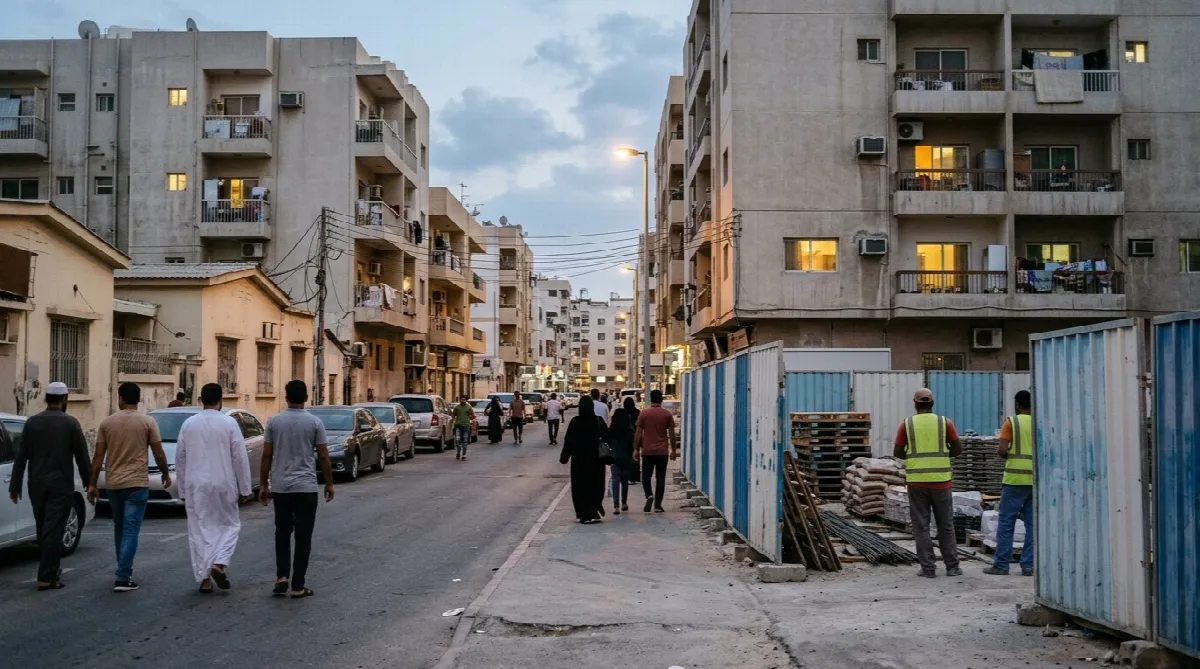
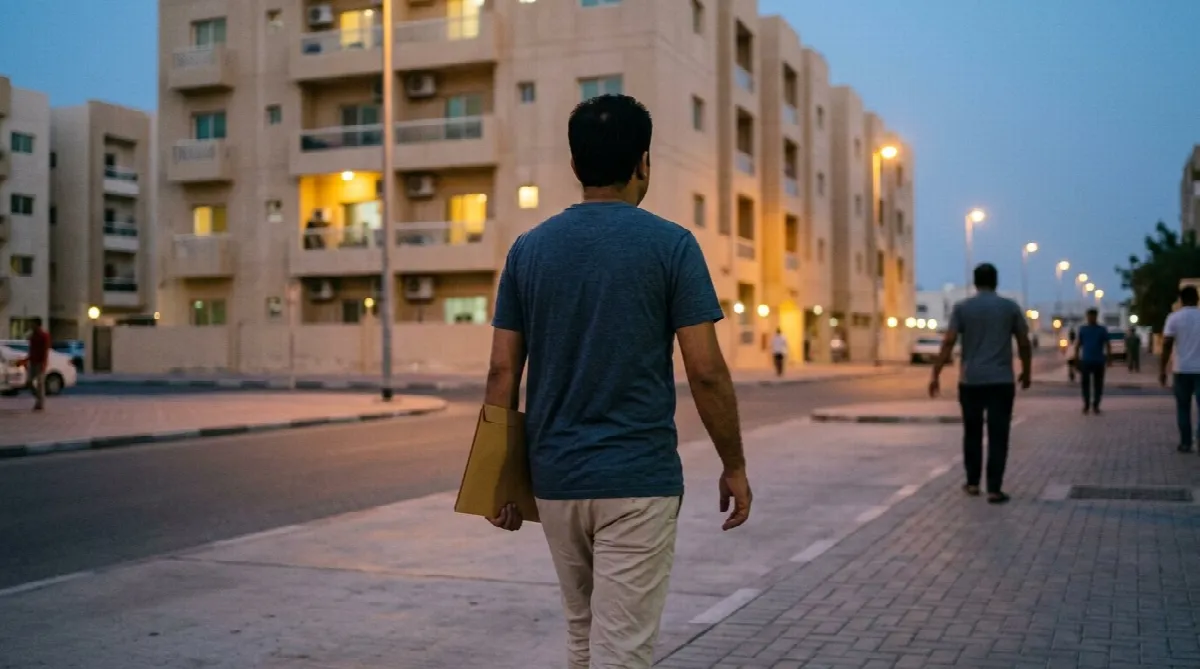
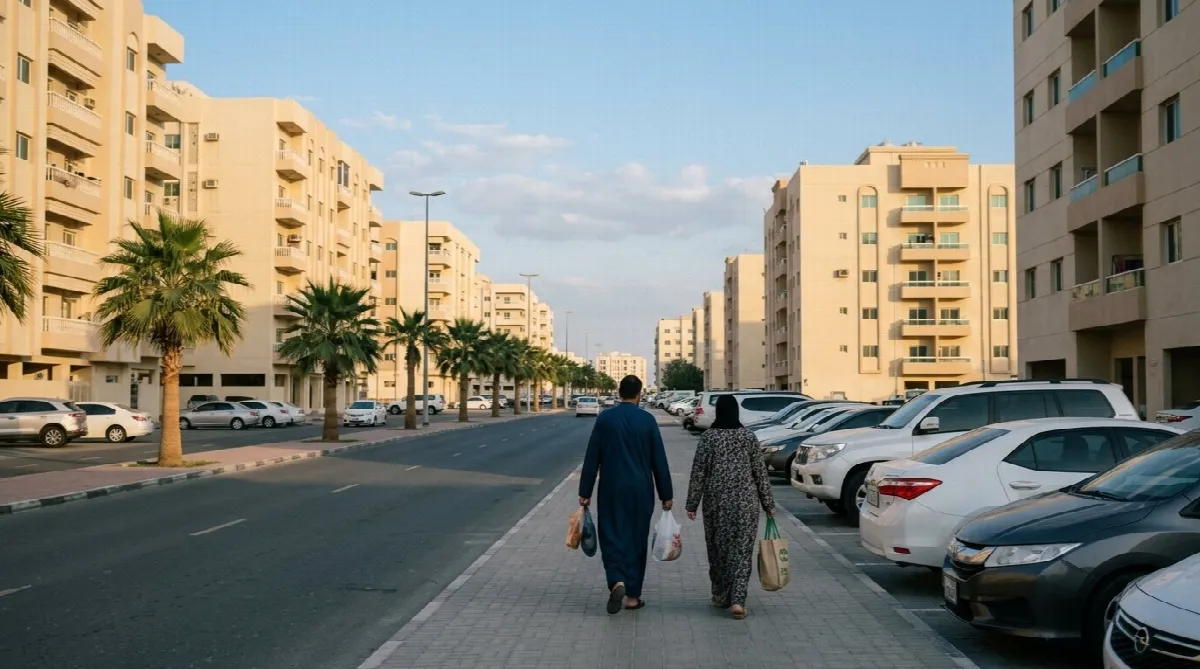
Dubai Municipality has revised the Al Satwa building rules, allowing taller residential buildings on some plots and more mixed-use options in the area. For residents, landlords and small businesses, that could mean more flats and more ground-floor commercial space in Al Satwa over time.
According to Gulf News, the changes give property owners more flexibility based on a plot's location and size. Dubai Municipality said the aim is to use land more efficiently, support future development and encourage investment in the neighbourhood.
What the Al Satwa building rules now allow
The new rules are different depending on where a plot sits and how large it is.
| Plot type | What is now allowed |
|---|---|
| Internal roads | Ground floor plus 2 residential floors |
| External roads | Commercial ground floor plus 2 or 3 residential floors, depending on location and planning requirements |
| Plots of 1,000 square metres or more | Ground floor plus 8 residential floors, with a maximum floor area ratio of 3.5 |
For plots along internal roads, this is a clear shift. Dubai Municipality said these plots were previously mainly set aside for attached villas.
For plots along external roads, owners now have more options for mixed-use buildings. That means a shop or other commercial unit at ground level, with homes above, where planning rules allow it.
What the Al Satwa building rules could mean for residents
The direct effect is simple: Dubai expects more room for residential and commercial development in Al Satwa.
For workers and families who want to stay in established areas, that could gradually widen the choice of homes in the neighbourhood. For small businesses, it may also mean more potential shopfront and mixed-use space in the future.
The source does not give a timeline for new projects or any rent impact. So while the updated rules may increase supply over time, residents should not assume immediate changes to prices or availability.
If you are already renting in Dubai and comparing neighbourhood options, these guides may help: Can You Pay Dubai Rent Monthly Instead of 4 Cheques? and Dubai Landlord Won't Return Your Security Deposit? What Tenants Can Do.
For people working in property and construction, Al Satwa is one area to watch as redevelopment plans move forward. You can also browse current roles on JobXDubai Jobs.
Larger plots can go much higher
One of the biggest changes is for owners with sites measuring 1,000 square metres or more.
Dubai Municipality said that minimum size can be reached through one existing plot or by combining 2 or more smaller plots. Owners may also count the access lanes between those plots as part of the combined site, but only subject to approval and other requirements.
If a site qualifies, it can be developed with a ground floor and 8 additional floors of residential apartments. The maximum floor area ratio is 3.5.
The municipality said this is intended to encourage owners of smaller plots to combine land and create bigger development sites. In practice, that could make it easier to build larger apartment projects in parts of Al Satwa.
Infrastructure checks and what owners should do next
Dubai Municipality said it reviewed infrastructure capacity and traffic needs with the relevant service authorities before updating the rules. The stated aim is to make sure roads and essential services can support future development.
The authority also said the updated rules take into account Al Satwa's place in the city and the need to keep a balance with the area's existing character. Eng. Mansour Al Rais, Director of the Executive Planning Department at Dubai Municipality, said the changes are part of wider work to improve established neighbourhoods through more flexible and sustainable planning.
If you own property in Al Satwa, the practical next steps are:
- Check whether your plot is on an internal road or an external road.
- Confirm the plot size and whether combining plots could take it to 1,000 square metres or more.
- If combining plots, check whether access lanes may be included, subject to approval.
- Review the updated requirements on Dubai's Build in Dubai platform.
- Apply for the relevant service through that platform.
If you are a tenant and redevelopment affects your move or your contract, this guide on Dubai Rental Dispute: How to File at the RDC, Step by Step may be useful.
Key takeaway
Dubai has relaxed Al Satwa building rules to allow more residential floors and, on some plots, more mixed-use development. The biggest boost is for eligible sites of 1,000 square metres or more, which can go up to a ground floor plus 8 residential floors.
For residents, the main point is that Al Satwa could see more flats and more commercial space over time, though the source gives no timeline for delivery or any pricing effect.
FAQ
What are the new Al Satwa building rules?
Dubai Municipality now allows taller residential and mixed-use projects on some Al Satwa plots. Internal-road plots can have a ground floor plus 2 residential floors, while some external-road plots can have a commercial ground floor plus 2 or 3 residential floors.
Can owners combine smaller plots in Al Satwa?
Yes. Dubai Municipality said the 1,000 square metre minimum can be met by combining 2 or more smaller plots.
Access lanes between the plots may also be counted as part of the combined site, but this is subject to approval and other requirements.
How many floors are allowed on a 1,000 square metre plot in Al Satwa?
Eligible properties can have a ground floor plus 8 additional floors of residential apartments. The maximum floor area ratio is 3.5, according to Dubai Municipality.
Can Al Satwa buildings include shops on the ground floor?
Yes, in some cases. For plots along external roads, the updated rules allow a commercial ground floor with 2 or 3 residential floors above, depending on the location and planning requirements.
Where can property owners check the new Al Satwa rules?
Dubai Municipality said owners and other customers can review the updated regulations through the Build in Dubai platform. Applications for the relevant services can also be made there.
Further reading
The UAE week, every Monday
The week's stories on jobs, visas, money and daily life in one short email. Unsubscribe in one click.