Dubai Traffic Solutions: Experts Suggest Expanded Toll System and Public Transport Improvements
Discover how Dubai plans to tackle traffic congestion with expert insights on toll systems, public transport, and urban planning strategies for 2024 and beyond.
By Vadim Kouznetsov, published
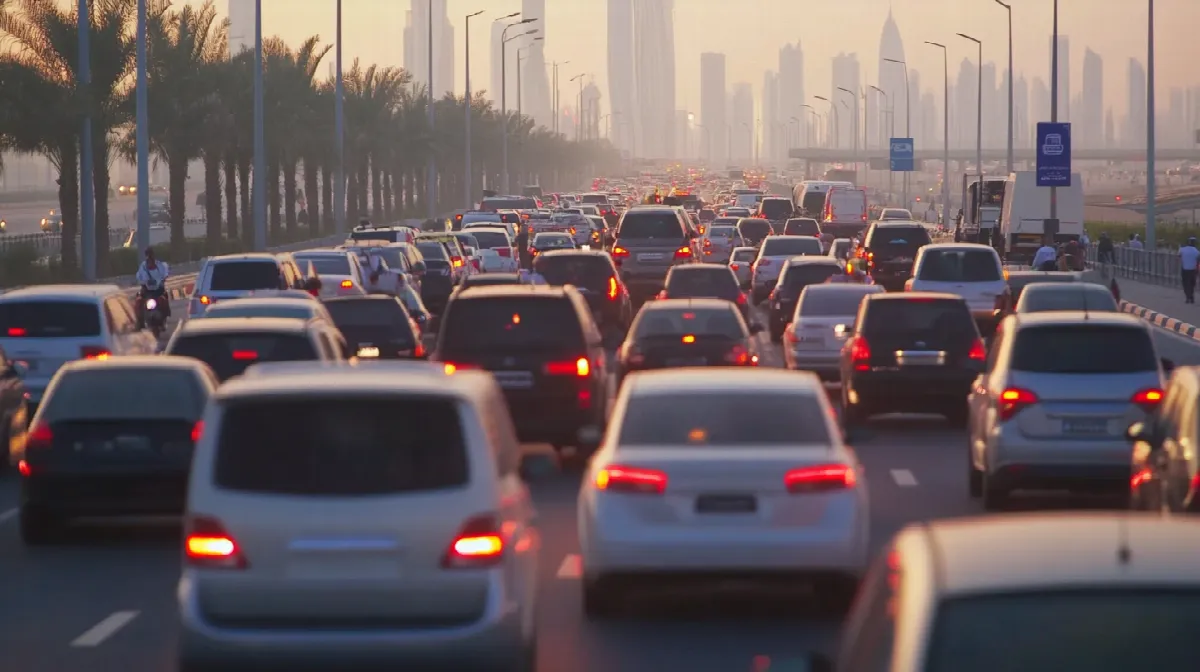
As Dubai continues to grow and develop, tackling traffic congestion remains a key challenge for urban planners and policymakers. Recent insights from experts in urban planning and architecture suggest that a combination of strategic toll placement, entry taxes for busy areas, and significant improvements in public transport could be the answer to Dubai’s traffic woes.
Rethinking the Toll System
Dr. Khaled Alawadi, Associate Professor of Sustainable Urbanism at Khalifa University, proposes a shift from the current linear toll system to a more comprehensive approach:
“Right now, what we have in Dubai is a linear toll system. With the upcoming toll gates, we will have four toll gates on Sheikh Zayed Road alone. I think there would be an equal distribution of traffic if it was a circular toll system where toll gates are established on multiple roads rather than multiple toll gates on the same road.”
This circular toll system could help spread traffic more evenly across the city’s road network, potentially easing congestion on major arteries like Sheikh Zayed Road.
Targeted Congestion Charging
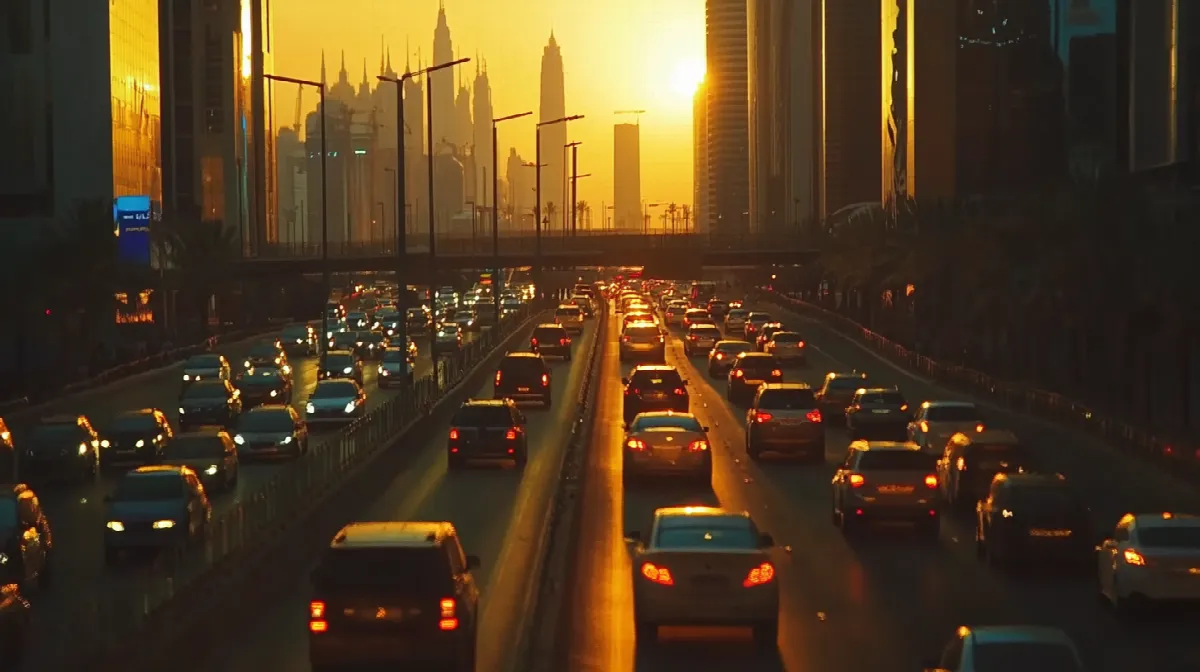
Dr. Alawadi also suggests implementing targeted congestion charges in high-traffic areas:
“Areas like Dubai Marina and JBR are always congested. If toll gates are put in these areas which makes entry free for residents and visitors are charged, it could reduce congestion.”
This approach, similar to systems used in cities like London and Singapore, could discourage unnecessary trips to busy districts and encourage the use of public transport or alternative routes.
The Limitations of Tolls
However, not all experts are convinced that tolls alone can solve Dubai’s traffic problems. Shweta Gandhi, Associate Consultant of Urban Planning and Strategy at Kearney, cautions:
“Tolls alone don’t solve traffic congestion. They might divert or redistribute it, but they don’t address the root cause.”
Gandhi emphasises the need for a more holistic approach to traffic management, integrating tolls with other strategies and improvements in public transport.
The Unintended Consequences of Current Tolls
Yasir Saeed, a Dubai-based architect and master planner, points out some of the drawbacks of the existing toll system:
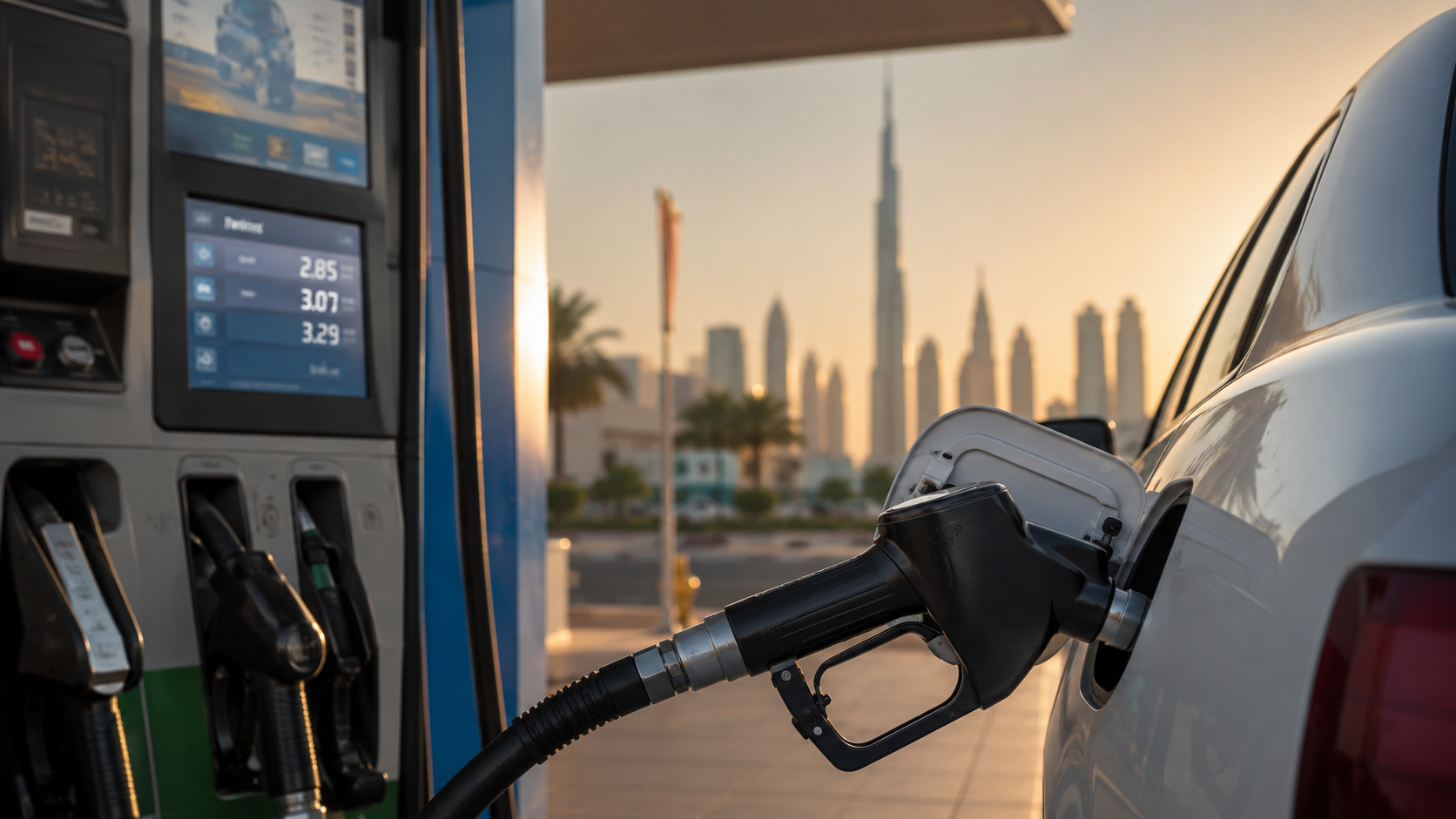
“To avoid the Dh4 tolls, they spend Dh10 on petrol trying to get to their destinations. Moreover, due to the increasing amount of cars on the road, the traffic is quite high everywhere around the city. So it doesn’t matter whether you take tolls or not, you are invariably going to spend an hour or more in traffic during peak times.”
This observation highlights the need for a more comprehensive strategy that goes beyond simply charging for road use.
The Importance of Public Transport

All experts agree that improving and expanding public transport options is crucial to addressing Dubai’s traffic issues. Gandhi cites the Milton Keynes Mobility as a Service (MaaS) model in the UK as an example of a forward-thinking approach:
“Instead of focusing solely on tolls, it offers a comprehensive platform integrating public transport, bike-share, and ride-hailing services. Users access multiple mobility options through one app, with dynamic pricing based on their transport choices providing users incentives. This shifts the focus from simply tolling vehicles to providing alternatives that reduce congestion.”
Dr. Alawadi echoes this sentiment, emphasising the need for better integration between the metro system and residential areas:
“I think the solution is for metro to go where you live and drop you to work. The public transport system should be integrated in such a way. However, now there are densely populated areas of the city, like JVC, which the metro doesn’t service. I believe there should be an integration of transportation network with the land use plans.”
Planning for Future Growth
Looking ahead, Dr. Alawadi stresses the importance of using multiple models to predict population growth and land use:
“With transportation modeling, you get a good idea of the number of people that will move in and out of certain areas and developments. For example, Dubai South has a lot of people moving in now. Same with Dubai Hills Estate. There should be clear plans on how these areas will be serviced with alternate transportation systems to reduce crowding.”
This forward-thinking approach could help Dubai stay ahead of potential traffic issues as the city continues to expand.
The Challenges of Dynamic Pricing
While dynamic pricing of tolls has been successful in some cities, both Gandhi and Dr. Alawadi express reservations about its applicability in Dubai. Gandhi notes:
“The increased tolls might not be high enough to shift behaviour significantly as most people will simply pay more to travel at peak times, without solving the congestion problem. The alternative, traveling at odd hours, can disrupt people’s quality of life. In cities with robust public transport systems, dynamic pricing encourages people to leave their cars at home, but in Dubai, where those alternatives aren’t always feasible, it’s more of a financial burden than a traffic solution.”
Dr. Alawadi adds that Dubai’s constant activity makes it difficult to implement a time-based toll system:
“In Abu Dhabi, tolls are charged during peak traffic hours. However, Dubai is always busy. Even if you go out at midnight, there are a lot of cars on the road.”
A Holistic Approach to Traffic Management
Gandhi emphasises the need for a comprehensive strategy that goes beyond tolls:
“Introducing alternative mobility options and creating the necessary soft mobility infrastructures like dedicated bike lanes, pedestrian-friendly streets, and better public transit connectivity is essential. Moreover, citywide transport strategies should be integrated to avoid bottlenecks caused by isolated planning. Without this alignment, we’re merely moving congestion around instead of solving it.”
Conclusion: The Road Ahead for Dubai
As Dubai continues to grow and evolve, addressing traffic congestion will remain a key priority for urban planners and policymakers. While expanding the toll system and implementing targeted congestion charges may offer some relief, the experts’ insights highlight the need for a multi-faceted approach that includes:
- Rethinking the toll system to distribute traffic more evenly
- Significantly improving and expanding public transport options
- Better integrating transport networks with land use plans
- Implementing alternative mobility options like bike-sharing and pedestrian-friendly infrastructure
- Using data-driven models to predict and plan for future growth
By adopting a holistic strategy that combines these elements, Dubai can work towards a more efficient, sustainable, and liveable urban environment for all its residents and visitors. As the city looks to the future, balancing growth with smart urban planning will be key to maintaining Dubai’s status as a leading global metropolis.
The UAE week, every Monday
The week's stories on jobs, visas, money and daily life in one short email. Unsubscribe in one click.