UAE Traffic Solutions: How to Enjoy Low ‘Summer Traffic’ Year-Round
Discover expert strategies to reduce UAE traffic congestion and enjoy shorter commutes all year. Learn about flexible work, AI, and urban planning solutions.
By Vadim Kouznetsov, published
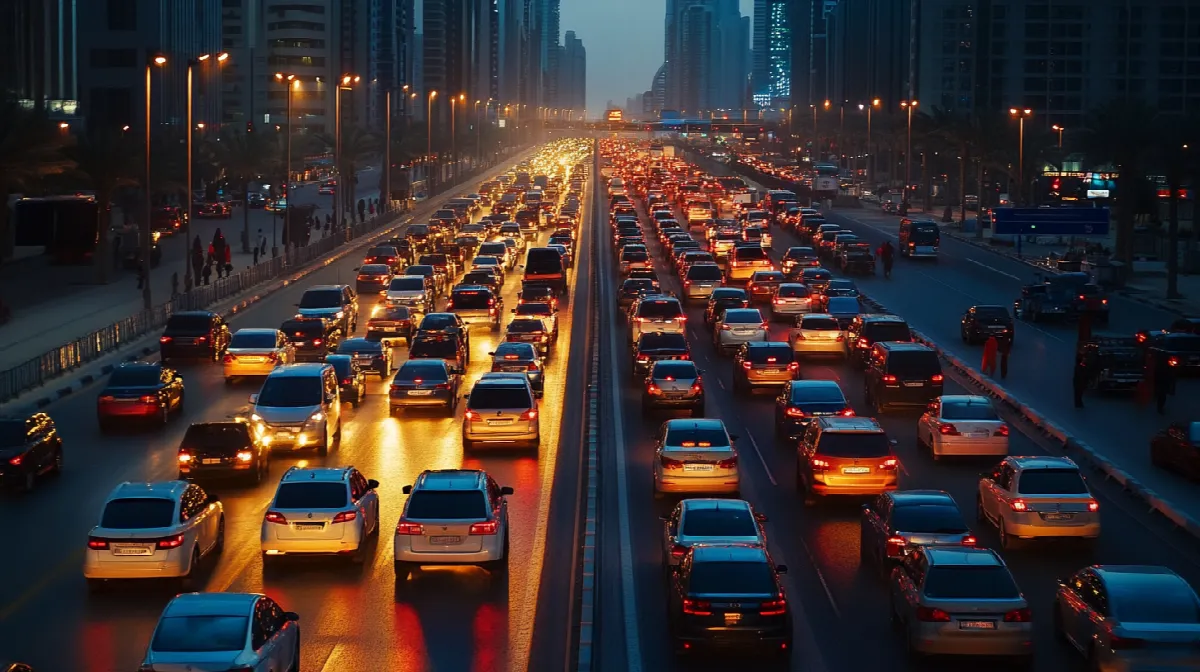
As schools close their doors and residents jet off for summer holidays, UAE motorists are experiencing a welcome reprieve from the usual traffic congestion. But what if this reduced commute time could be enjoyed throughout the year? Let’s explore some innovative solutions proposed by experts to tackle urban traffic issues in the UAE.
Understanding Traffic Patterns

Dr. Monica Menendez, associate dean of Engineering for Graduate Affairs at New York University Abu Dhabi (NYUAD), explains that traffic fluctuations following school patterns are common worldwide. When schools are in session, traffic tends to worsen compared to vacation periods. In the UAE, this effect is particularly pronounced during summer, as many people leave the country, resulting in significantly reduced congestion.
Challenges of Year-Round Traffic Management
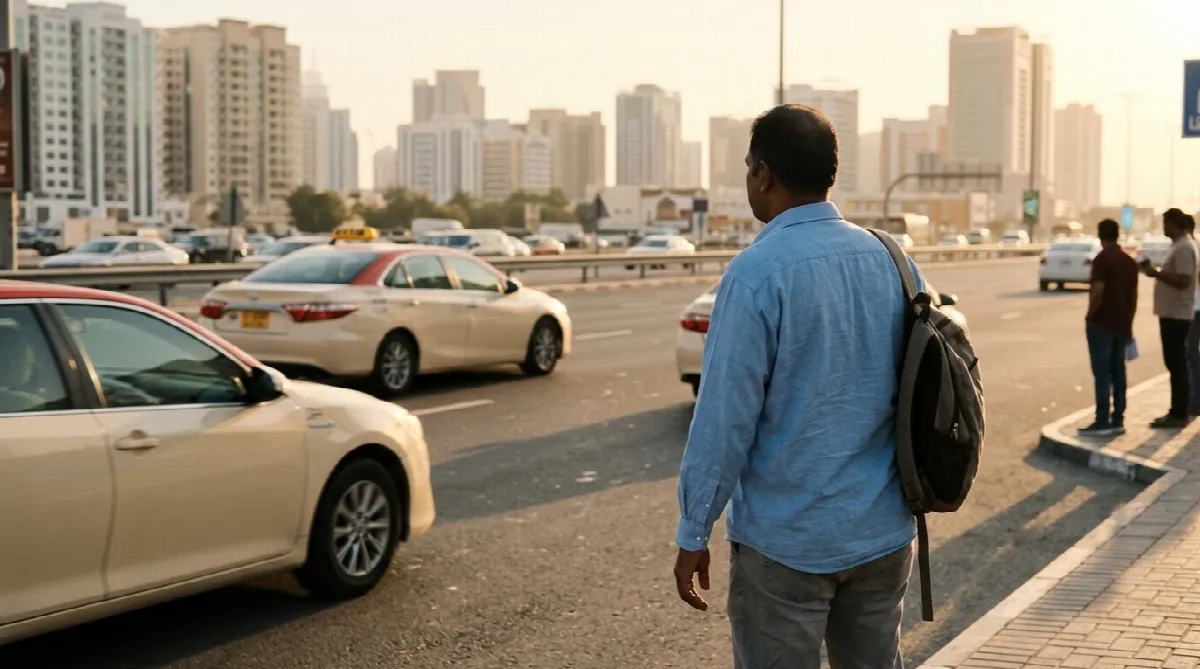
Maintaining low traffic levels year-round becomes challenging once residents return and schools resume. Dr. Menendez points out that similar school opening times across the city, combined with standard work schedules, lead to concentrated commute times and increased congestion.
Innovative Solutions for Traffic Reduction
1. Flexible Working Arrangements
Dr. Menendez suggests exploring the impact of flexible working hours and remote work options. By spreading traffic peaks throughout the day, road capacity can be used more efficiently. Dubai’s Roads and Transport Authority is currently conducting a survey to investigate the potential effects of such arrangements.
2. Leveraging Big Data for Traffic Prediction
Utilizing the vast amount of data generated by various devices, traffic patterns can be predicted more accurately than ever before. Dr. Menendez’s research shows that urban mobility patterns are quite consistent day-to-day, allowing transportation authorities to be proactive in managing traffic and reducing congestion likelihood.
3. Artificial Intelligence in Traffic Management
Dr. Mostafa Al Dah, an Emirati traffic safety researcher, proposes using AI to analyze data on travel patterns during low-traffic periods. This information can be used to create computer models for interpreting data and developing targeted solutions.
4. Incentivizing Off-Peak Travel
One innovative suggestion from Dr. Al Dah is to offer incentives to people who avoid roads during peak hours, effectively reducing the number of vehicles in high-traffic periods.
5. Enhancing Pedestrian Infrastructure
Improving pedestrian-friendly infrastructure and implementing safety education can encourage active commuting and increased use of public transportation.
6. Promoting Alternative Education Models
Dr. Al Dah suggests considering home-schooling options to reduce the number of students spending hours commuting daily.
7. Staggered Schedules
Implementing flexible work and school times can help alleviate traffic congestion by distributing commute times more evenly throughout the day.
Urban Planning Strategies
Aileen Llagas, an urban planner and architect, offers additional strategies to control and reduce traffic congestion:
- Upgrade and expand road infrastructure to handle increased traffic volumes more efficiently.
- Improve traffic management with real-time monitoring and smart traffic signal systems.
- Consider implementing minimal congestion charges to discourage driving during peak hours.
- Encourage carpooling and the use of school buses, possibly by creating high-occupancy vehicle lanes.
- Adopt flexible schedules for businesses and schools, including online classes and remote working options.
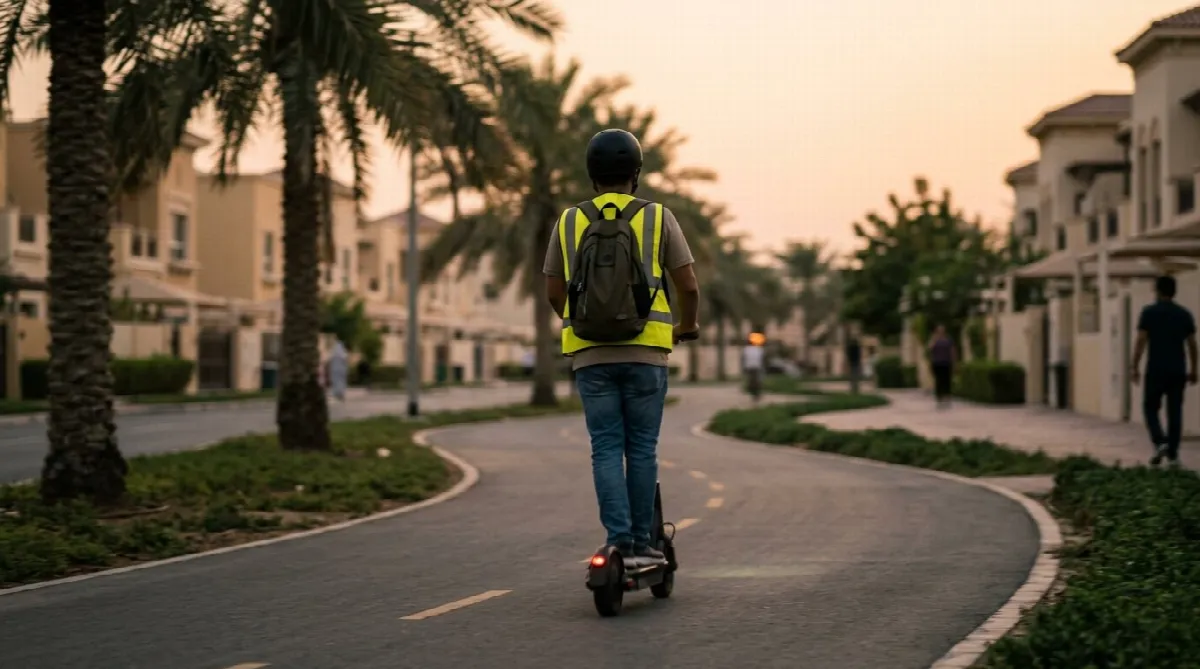
- Promote alternative modes of transportation such as public buses, trains, bicycles, and walking.
The Role of Technology
Innovations and smart technologies are playing an increasingly important role in addressing traffic congestion challenges. Suitable programs and public awareness campaigns can help create a more efficient transportation system, even during peak hours when classes resume and people return from vacation.
Be Part of the Solution
While waiting for major changes to be implemented, individuals can contribute to reducing traffic congestion. Llagas suggests checking real-time traffic situations, planning trips in advance, and using alternative routes to avoid highly congested areas.
By adopting these strategies and embracing innovative solutions, UAE residents may be able to enjoy the benefits of “summer traffic” throughout the year, leading to improved quality of life and more efficient urban mobility.
The UAE week, every Monday
The week's stories on jobs, visas, money and daily life in one short email. Unsubscribe in one click.