Dubai’s Mega Food Hub: World’s Largest Logistics Center Announced
Dubai plans world’s largest food logistics hub, doubling fruit and vegetable market size. Learn how this mega-project will reshape global food trade in 2024.
By Vadim Kouznetsov, published , updated
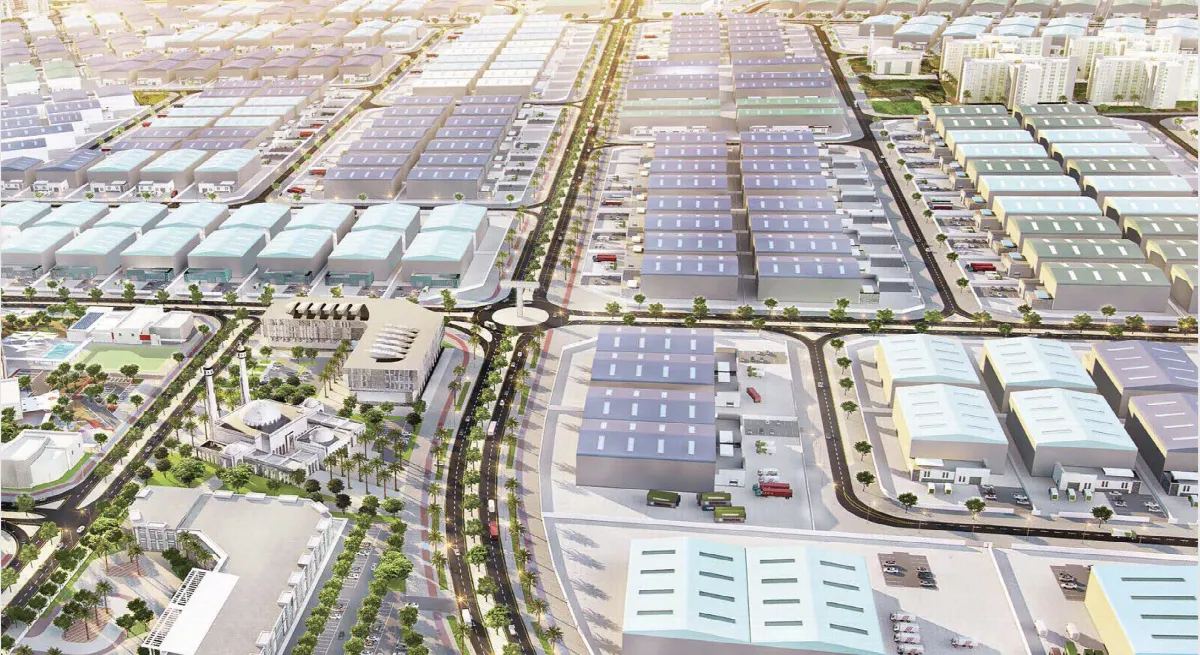
In a groundbreaking move set to reshape the global food trade landscape, Dubai has announced plans to develop the world’s largest logistics hub for trading foodstuffs, fruits, and vegetables. This ambitious project, formalised through an agreement between Dubai Municipality and DP World, aims to solidify Dubai’s position as a pivotal nexus in the global food supply chain.
A Vision for the Future
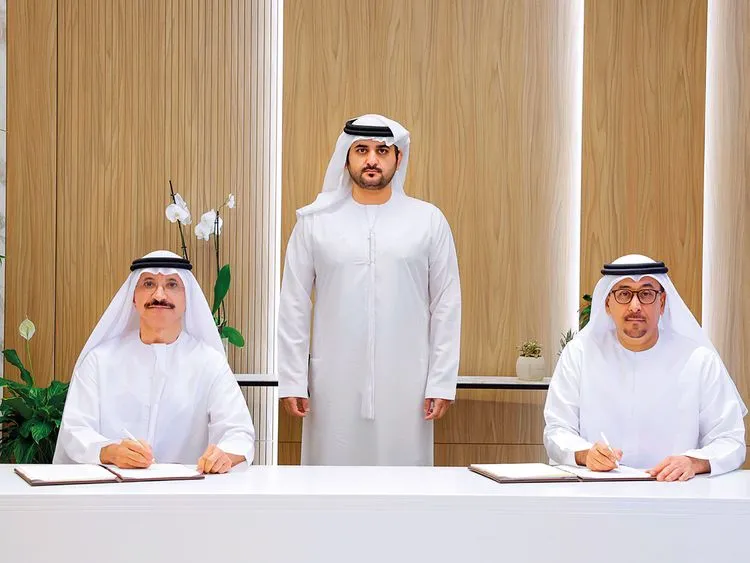
Sheikh Maktoum bin Mohammed bin Rashid Al Maktoum, First Deputy Ruler of Dubai, Deputy Prime Minister and Minister of Finance, witnessed the signing of this landmark agreement. The project aligns with Dubai’s broader vision to enhance its infrastructure and create new opportunities for investors while supporting the UAE’s food security strategy.
“Under the vision of Sheikh Mohammed bin Rashid Al Maktoum and the supervision of Sheikh Hamdan bin Mohammed Al Maktoum, we strive to provide advanced infrastructure and facilities with the latest specifications and best standards,” Sheikh Maktoum stated in an official announcement.
Key Features of the Mega Logistics Hub
- Scale: Positioned to be the world’s largest hub for foodstuffs, fruits, and vegetables
- Global Connectivity: Designed to link Dubai with global markets
- Market Expansion: Plans to double the current size of Dubai’s fruit and vegetable market
- Efficiency: Aims to streamline customer transactions through a unified interface
- Advanced Infrastructure: Incorporating cutting-edge technology and best-in-class standards
Strategic Importance
This mega project serves multiple strategic objectives:
- Food Security: Strengthens the UAE’s food security strategy by creating a robust distribution center
- Economic Diversification: Expands Dubai’s role in global trade beyond its traditional sectors
- Investment Attraction: Creates new opportunities for local and international investors in the food sector
- Regional Hub: Positions Dubai as the premier destination for markets, exports, and re-exports in the region
Impact on Trade and Commerce
The development of this logistics hub is expected to have far-reaching effects:
- Increased Trade Volume: By doubling the size of the current market, Dubai anticipates a significant boost in trade volumes
- Improved Efficiency: Streamlined processes will reduce time and costs associated with food import and export
- Price Stability: A more efficient supply chain could lead to more stable food prices for consumers
- Job Creation: The project is likely to generate numerous jobs in logistics, trade, and related sectors
Technological Integration
While specific details are yet to be revealed, it’s anticipated that the hub will incorporate state-of-the-art technologies:
- IoT and Sensors: For real-time tracking and monitoring of food quality
- Blockchain: To enhance traceability and transparency in the supply chain
- AI and Machine Learning: For predictive analytics and demand forecasting
- Automated Storage and Retrieval Systems: To maximize efficiency and minimize human error
Environmental Considerations
Given the global focus on sustainability, it’s likely that the project will incorporate green technologies:
- Energy-efficient cooling systems: Essential for preserving perishable goods
- Waste reduction technologies: To minimize food waste and promote circular economy principles
- Sustainable packaging solutions: Aligned with global trends towards reducing plastic use
Global Context
This development comes at a crucial time when global food security is increasingly under scrutiny due to factors like climate change, geopolitical tensions, and supply chain disruptions. Dubai’s initiative could play a significant role in stabilizing food supply chains across the Middle East, Africa, and beyond.
Looking Ahead
As this ambitious project moves forward, it will be interesting to observe its impact on global food trade patterns. Will it spark similar developments in other regions? How will it influence pricing and availability of fresh produce in surrounding countries?
One thing is clear: Dubai’s vision for the world’s largest food logistics hub is not just about scale—it’s about creating a more efficient, resilient, and interconnected global food system. As the project develops, it will undoubtedly attract attention from investors, policymakers, and industry leaders worldwide, potentially setting new standards for food logistics and trade in the 21st century.
The UAE week, every Monday
The week's stories on jobs, visas, money and daily life in one short email. Unsubscribe in one click.