Embracing Sustainable Innovation: The Future of Eco-Product Development in the UAE
In an age where environmental concern holds a paramount position in the minds of consumers and businesses alike, the United Arab Emirates (UAE) stands at the forefront of eco-friendly innovation. This article delves into the transformative journey of sustainable product development in the UAE, shedding light on the strategies, challenges, and benefits associated with embracing […]
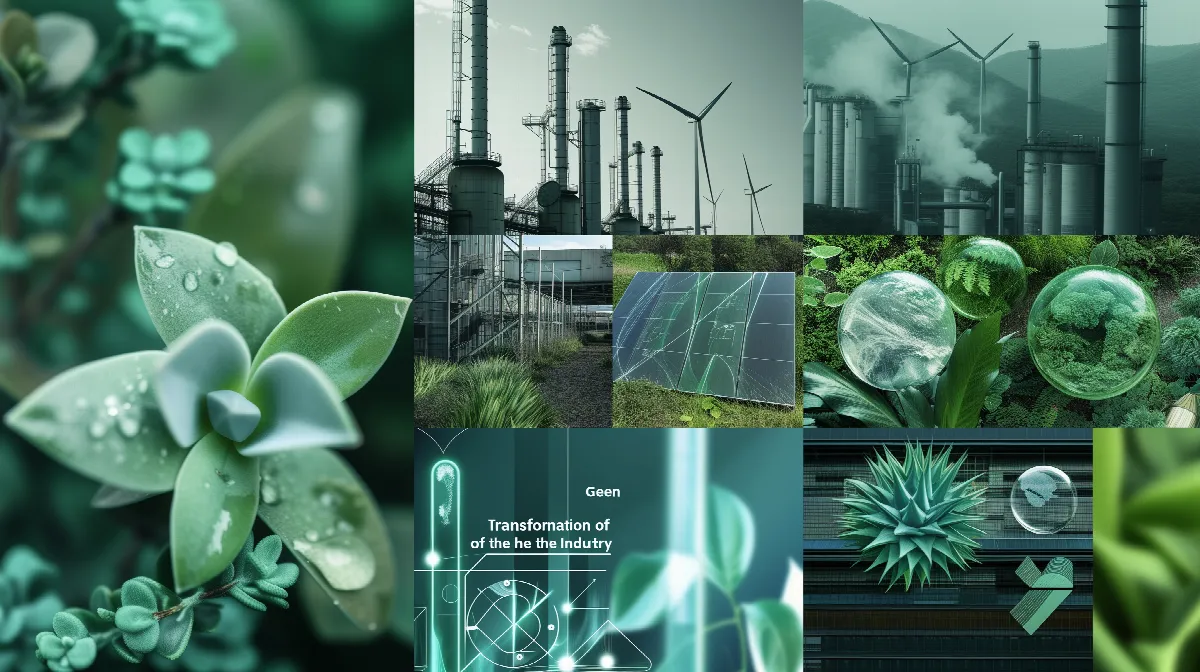
In an age where environmental concern holds a paramount position in the minds of consumers and businesses alike, the United Arab Emirates (UAE) stands at the forefront of eco-friendly innovation. This article delves into the transformative journey of sustainable product development in the UAE, shedding light on the strategies, challenges, and benefits associated with embracing green innovations. Through expert insights and authoritative references, we aim to offer a comprehensive understanding of the eco-product landscape in the UAE, empowering businesses and consumers to make informed decisions that contribute to a healthier planet.
A Shift Towards Sustainability
The UAE’s commitment to sustainability is not a new development. It’s a strategic pivot that reflects a global acknowledgment of the need for environmentally friendly products and practices. The essence of eco-product development lies in minimizing environmental impact without compromising on quality or performance. This is achieved through the use of renewable materials, energy-efficient production methods, and innovative design thinking that prioritizes longevity and recyclability.
Unveiling The Benefits
The benefits of eco-product development are manifold, spanning from reduced ecological footprints to enhanced brand image and customer loyalty. Businesses that integrate sustainability into their core operations witness not just an alignment with global environmental goals but also enjoy financial gains stemming from improved efficiency and market competitiveness. Consumers, on their part, play a crucial role by favoring products that align with their eco-conscious values, thus pushing the market further towards green innovation.
Overcoming Challenges
Despite the apparent advantages, the journey towards sustainable product development is fraught with challenges. High initial costs, technological limitations, and a lack of consumer awareness about the benefits of eco-products can hinder progress. However, with government incentives, increased investment in research and development, and comprehensive educational campaigns, these obstacles can be effectively overcome.
The Road Ahead
Looking forward, the UAE’s vision for a greener future is clear. Investing in renewable energy, fostering collaborations between public and private sectors, and embracing circular economy principles are pivotal strategies that will drive the next phase of eco-product development. Moreover, leveraging advanced technologies such as AI and IoT to optimize resource use and enhance product life cycles will be crucial in achieving sustainability goals.
Key Takeaways
- Strategic Importance: The UAE’s push towards eco-product development is both a reflection of global trends and a proactive measure to ensure environmental sustainability.
- Benefits Abound: From reducing environmental impact to gaining a competitive edge, the advantages of green innovation are extensive for both businesses and consumers.
- Navigating Challenges: Acknowledging and addressing the hurdles in the path to sustainability is vital for effective eco-product development.
- A Collaborative Future: Public-private partnerships and technological innovation will be key drivers in the UAE’s sustainable product development journey.
In conclusion, the future of eco-product development in the UAE is bright, marked by a strong commitment to sustainability, innovation, and collaboration. By continuing to foster an environment where green initiatives can thrive, the UAE not only enhances its global standing but also contributes significantly to the global fight against environmental degradation.