Abu Dhabi Darb Toll and Mawaqif Parking Ramadan 2026: Fees, Timings and Free Days
Abu Dhabi Darb toll gates charge Dh4 during Ramadan peak hours 8am–10am and 2pm–6pm. Mawaqif parking Dh2–3/hour. Sundays free. Full schedule inside.
By Vadim Kouznetsov, published
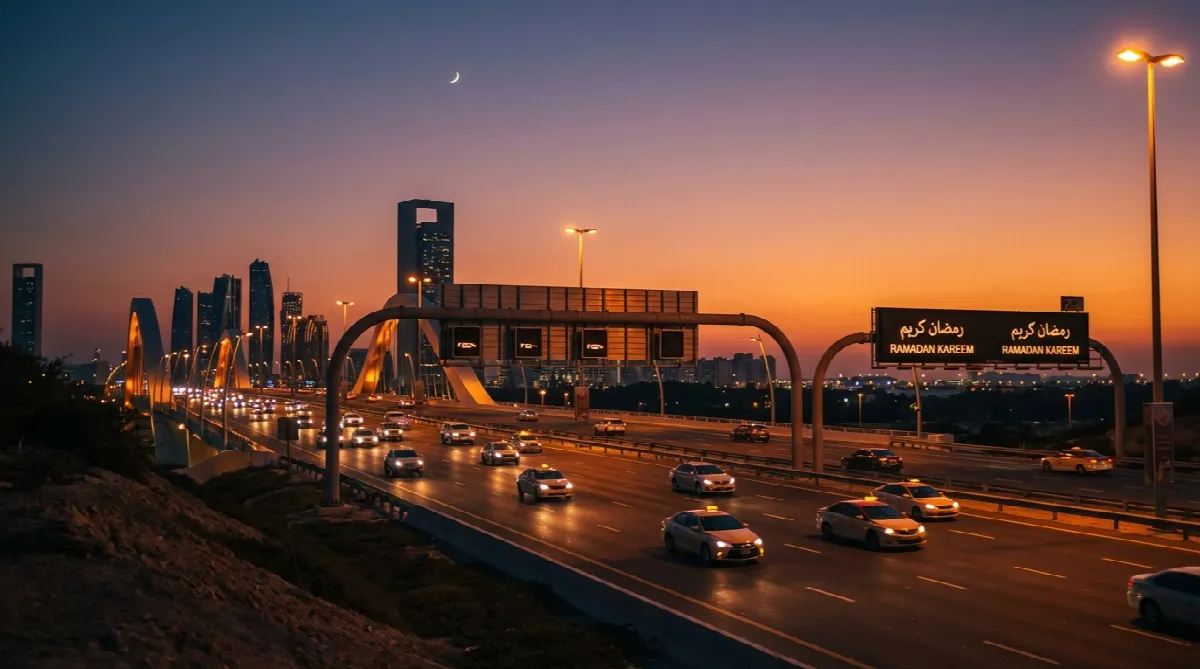
Abu Dhabi has officially confirmed its Ramadan schedule for Darb toll gates and Mawaqif public parking. Q Mobility, which manages both systems, announced adjusted peak hours, revised parking windows, and a full toll-free Sunday for motorists.
If you commute across Abu Dhabi’s bridges or park in the capital daily, here’s exactly what changes during Ramadan.
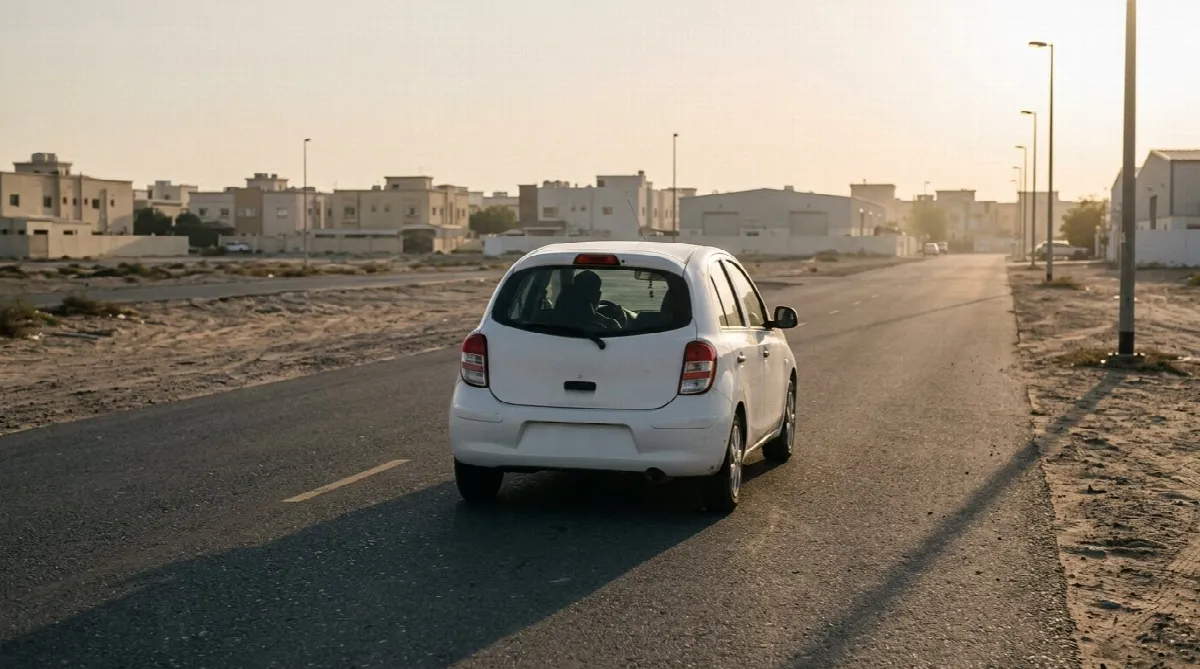
What Are the Darb Toll Gate Timings During Ramadan 2026?
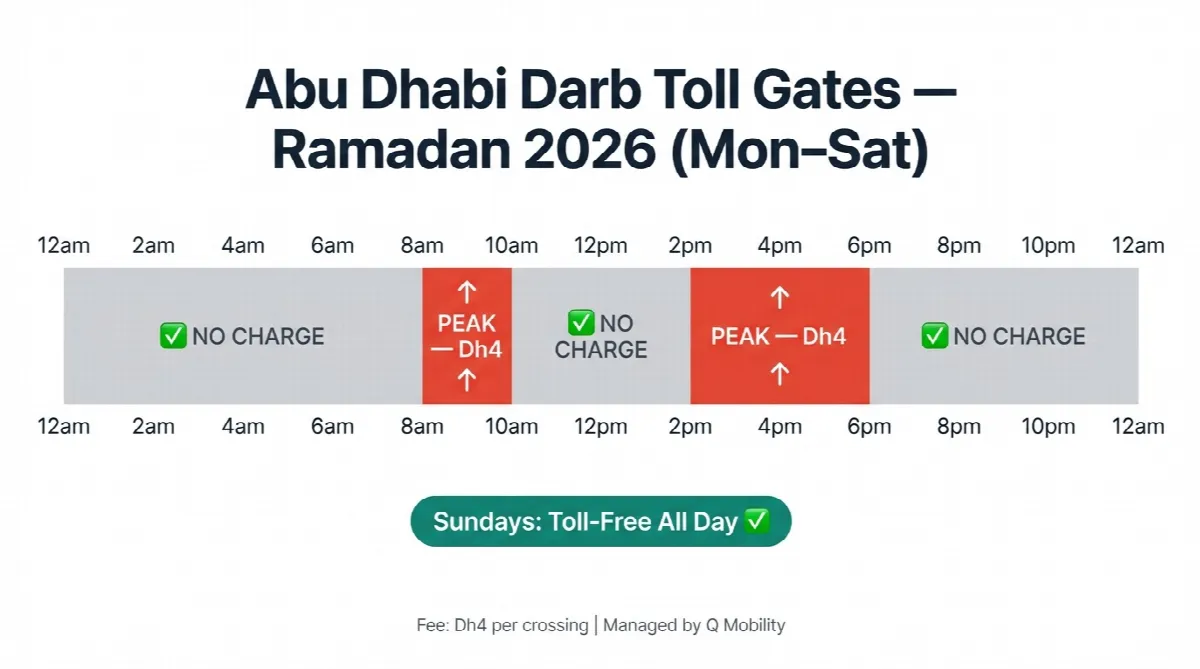
The Darb toll system charges Dh4 per crossing — the same rate as outside Ramadan. What shifts is when those charges apply.
Monday to Saturday peak hours during Ramadan:
- Morning peak: 8am to 10am
- Evening peak: 2pm to 6pm
Sundays: Toll-free. No charges applied at any time.
Outside the two peak windows listed above, Darb gates will not charge a fee.
How Does This Compare to Standard Darb Timings?
Under the standard 2025 schedule, Darb charges Dh4 during weekday peak hours of 7am–9am (morning) and 3pm–7pm (evening). Here’s the Ramadan comparison:
Standard peak hours: 7am–9am and 3pm–7pm
Ramadan peak hours: 8am–10am and 2pm–6pm
The morning peak starts one hour later (8am instead of 7am), which reflects the adjusted working hours most offices follow during fasting. The evening peak begins one hour earlier (2pm) and ends one hour earlier (6pm), covering the period before Iftar when many commuters head home.
Sundays remain toll-free under both schedules — this doesn’t change for Ramadan.
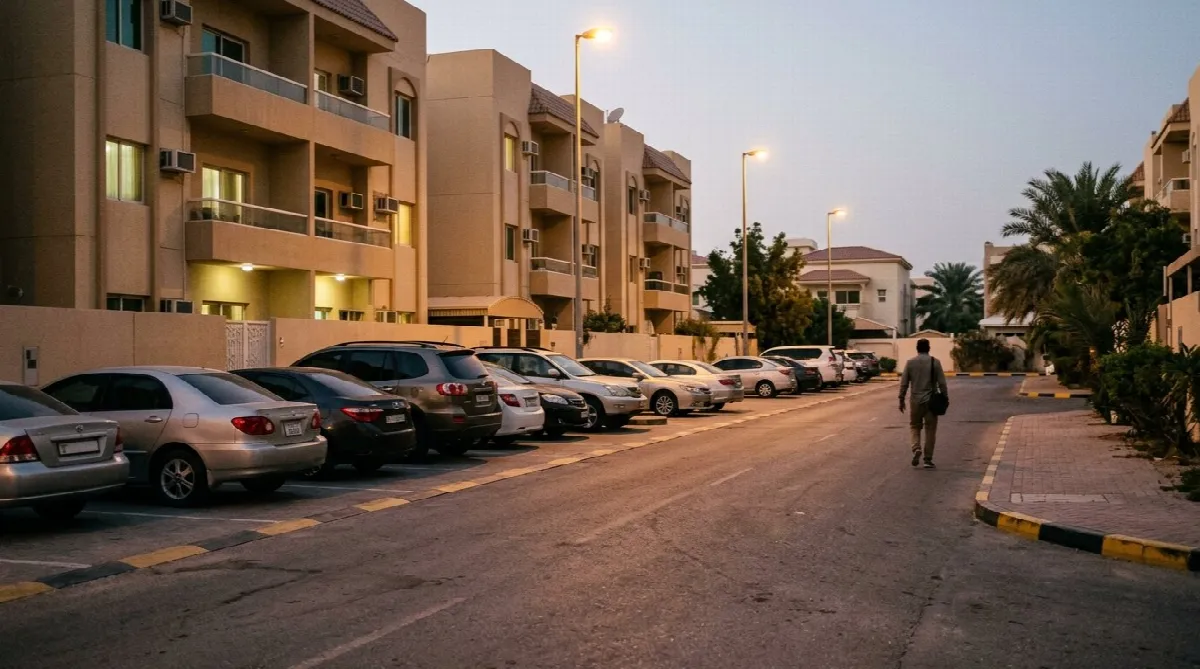
What Are the Mawaqif Parking Timings During Ramadan 2026?
Paid parking operates on a split schedule:
Monday to Saturday:
- First window: 9am to 6pm
- Second window: 9pm to 2am
Fees:
- Standard parking spaces: Dh2 per hour
- Premium parking spaces: Dh3 per hour
Sundays: Free parking all day.
The gap between 6pm and 9pm covers the Iftar period, giving residents free parking during the evening break when families typically gather for the meal that ends the daily fast.
How Can You Pay for Darb and Mawaqif During Ramadan?
Q Mobility accepts payments through four official channels:
- Darb app — available on iOS and Android
- Tamm platform — Abu Dhabi’s integrated government services portal
- SMS — for quick mobile payments
- Payment machines — located across various Abu Dhabi locations
Outstanding toll fees must be cleared before renewing, cancelling, exporting, or amending vehicle registrations. Keeping your Darb wallet topped up avoids complications during the holy month.
What About Dubai’s Toll and Parking During Ramadan?
For those splitting their time between Abu Dhabi and Dubai, the two emirates operate different systems:
Dubai Salik toll gates apply Dh6 during peak hours (9am–5pm) and Dh4 during off-peak (7am–9am, 5pm–2am), with free travel from 2am–7am. Dubai also announced free public parking during specific Ramadan windows.
The key difference: Abu Dhabi’s Darb system charges a flat Dh4 per crossing during peak hours only, while Dubai’s Salik uses tiered pricing with different rates depending on the time of day.
What Else Changes Across the UAE During Ramadan?
The toll and parking adjustments sit within a broader set of Ramadan changes affecting the entire country:
Working hours: Private sector employees receive a two-hour reduction in daily working hours under Federal Decree-Law No. 33 of 2021. This applies to all staff — Muslim and non-Muslim — with no salary deductions.
Federal government hours: 9am to 2:30pm, Monday to Thursday. Fridays from 9am to noon.
Schools: Timetables are shortened to support fasting students, with most institutions adjusting start and finish times.
Remote work: Companies can implement work-from-home arrangements within the limits set by the Ministry of Human Resources and Emiratisation.
Shopping and dining: Dubai malls extend hours past midnight after Iftar, while cinemas shift to afternoon and late-night screenings.
Key Takeaways
- Darb toll charges remain Dh4 per crossing, but peak hours shift to 8am–10am and 2pm–6pm (Monday to Saturday)
- Sundays are completely toll-free — no Darb charges at any time
- Mawaqif parking runs 9am–6pm and 9pm–2am, with a free window during Iftar (6pm–9pm)
- Standard parking costs Dh2/hour; premium spaces Dh3/hour
- Parking is free all day on Sundays
- Payments accepted via Darb app, Tamm, SMS, and payment machines
- Private sector employees across the UAE work two fewer hours daily during Ramadan
Frequently Asked Questions
What are the Darb toll gate timings during Ramadan 2026?
Darb charges Dh4 per crossing during two peak windows: 8am–10am (morning) and 2pm–6pm (evening), Monday to Saturday. Outside these windows, no charges apply. Sundays remain toll-free throughout Ramadan.
How much does Mawaqif parking cost during Ramadan?
Standard parking spaces cost Dh2 per hour and premium spaces cost Dh3 per hour. Paid hours run from 9am to 6pm and 9pm to 2am, Monday to Saturday. Parking between 6pm and 9pm is free, covering the Iftar period. Sundays are entirely free.
Is there free parking during Iftar in Abu Dhabi?
Yes. The gap between the two paid parking windows — from 6pm to 9pm — provides free parking during the Iftar period when families gather to break their fast.
Are Darb toll gates free on Sundays during Ramadan?
Yes. Sundays are completely toll-free in Abu Dhabi during Ramadan, with no charges applied at Darb gates at any time. This is consistent with the standard Sunday policy outside Ramadan.
How do Abu Dhabi Darb Ramadan timings differ from standard timings?
The morning peak shifts from 7am–9am to 8am–10am, and the evening peak shifts from 3pm–7pm to 2pm–6pm. The per-crossing fee stays at Dh4. These adjustments reflect the changed commuting patterns during Ramadan.
How do I pay Darb toll fees during Ramadan?
Payments are accepted through the Darb app, Tamm platform, SMS, and physical payment machines across Abu Dhabi. The system uses automatic number plate recognition — no physical tag is required.
Further Reading
- Abu Dhabi Darb Toll System 2025: Fees, Locations & Exemptions
- Darb Toll Abu Dhabi 2025: Fees, Timings & Exemptions Guide
- Q Mobility: Abu Dhabi’s New DARB Toll and Smart Transport Manager
- UAE Ramadan Working Hours: Employee Rights & Overtime Rules
- Ramadan 2026 Dubai Mall and Cinema Hours: What Times Are Changing?
The UAE week, every Monday
The week's stories on jobs, visas, money and daily life in one short email. Unsubscribe in one click.